A practical English guide to Kairakuen in Mito: the plum garden, the Kobuntei villa, the seasons and access from Tokyo.
Operational details such as opening hours, admission fees, and train times can change. Prefer official pages and reconfirm before you travel (sources checked on 05 November 2026).
Why visit
- Kairakuen in Mito is one of the three great gardens of Japan, and it is the only one that was made for the public rather than for a lord’s private pleasure. It was laid out in 1842 by Tokugawa Nariaki, the lord of Mito, on the bank of Lake Senba, and it was opened to the townspeople from the beginning, which was unusual at the time. The name means a garden for people to enjoy together.
- The garden is famous for plum blossom. There are around three thousand plum trees of a hundred varieties, planted so that the flowering runs from late February into March, and the scent in the orchard is the thing people remember. The plum grove is on a slope above the lake, with paths between the trees, and the combination of white, pink and red blossom against the water is the image of the place.
- The other centrepiece is the Kobuntei, a two-storey villa with rooms facing the lake and the plum grove, built for the lord’s tea ceremonies and poetry gatherings. It was destroyed in the war and rebuilt, and the interior is open to visitors, with tatami rooms, painted screens and a view from the upper floor that is one of the best in the garden.
- Mito itself is an easy day from Tokyo on the limited express, and the garden is a twenty-minute walk or a short bus ride from the station. It is a quiet, unfashionable city with a castle park, a good museum and a strong local food culture, and it is at its best in the plum season when the garden is full of local families.
Top places and highlights
The plum grove
The grove covers a slope above the lake, with around three thousand trees of many varieties, and the paths wind between them so that you are inside the blossom rather than looking at it. Early varieties flower in late February and the later ones extend the season into late March, which is why the garden publishes a flowering calendar. The smell is the surprise: plum is sweeter and sharper than cherry, and on a still morning the whole slope carries it. Look for the named varieties on the small labels, and note how different the shapes and colours are.
The Kobuntei villa
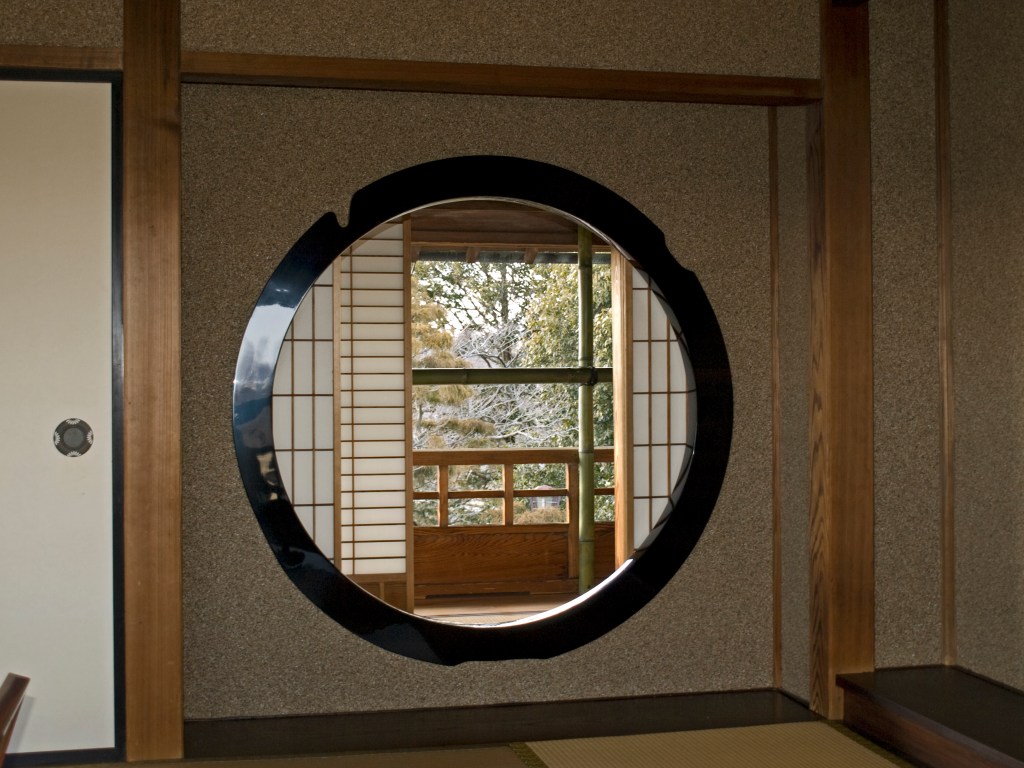
The Kobuntei is a wooden villa of two storeys, with rooms arranged around a view of the lake and the plum grove. The ground floor has tatami rooms with painted screens and a small garden, and the upper floor has a wide veranda that looks out over the water. It was built for tea and poetry, and the proportions are designed for sitting on the floor and looking out rather than walking through. Take your time in the upper room, and note the details of the woodwork and the sliding doors.
Lake Senba
The garden faces Lake Senba, a broad shallow lake with a walking path around it, and the view from the garden across the water to the far shore is part of the design. The lake is used by rowers and walkers, and in spring the cherry trees along the bank come out after the plum. The path around the lake takes about an hour at an easy pace, and it is free and open at all hours. In the evening the light on the water and the garden is soft and quiet.
The bamboo and cedar grove
Behind the plum grove, the garden has a stand of tall bamboo and cedars, with a path running through it and the light coming down in shafts. It is a small area, and it is easy to miss if you stay on the main loop, but it is the most atmospheric part of the garden on a hot day. The sound of the wind in the bamboo is the point, and there are benches where you can sit. It connects the plum grove to the upper part of the garden and the tea house.
The tea house and the sweets
There is a tea house in the garden serving matcha and the local sweets, with seating that looks out over the plum trees or the lake depending on where you sit. The matcha is whisked to order, the sweets are seasonal, and the queue moves quickly. It is the right thing to do in a Japanese garden, and the price is modest. In plum season the seats by the window are the ones to wait for.
Mito’s other sights
The city has a castle park with a reconstructed keep and a moat, the Kodokan, a former domain school with a fine wooden hall, and the prefectural museum with a collection of modern art and local history. The Kodokan is a short walk from the garden, and its Confucian hall and gardens are quiet and impressive. The city is flat and walkable, and a full day covers the garden, the Kodokan and the castle park without rushing.
Natto and the local food
Mito is famous for natto, fermented soybeans, and the local version is milder and less sticky than the supermarket kind. The shops around the station sell it in small packs, and some restaurants serve it in set meals. Beyond natto, the city has good soba, ramen and anago, and the arcades around the station have the usual mix of chains and family shops. The local sake is decent and cheap.
Food and drink
- Natto is the local speciality, and Mito’s version is worth trying even if you think you do not like it: the beans are smaller, the fermentation is milder, and it is often served with rice and raw egg for breakfast.
- Anago, sea eel, is another Mito dish, grilled with a sweet glaze and served on rice. The shops around the station and the arcades serve it, and the prices are lower than in Tokyo.
- Ibaraki is a farming prefecture, and the vegetables, the rice and the sake are good and cheap. The direct-sale shops and the markets around the station sell the local produce.
- Soba and ramen are the everyday lunches, and the shops near the garden and the station are used by local people. Look for the ones with a handwritten menu and a counter.
- For a sit-down meal, the arcades have izakaya serving local fish and sake, and the hotel restaurants are reliable if unexciting. The city is quiet in the evening, so eat before nine.
Getting there and around
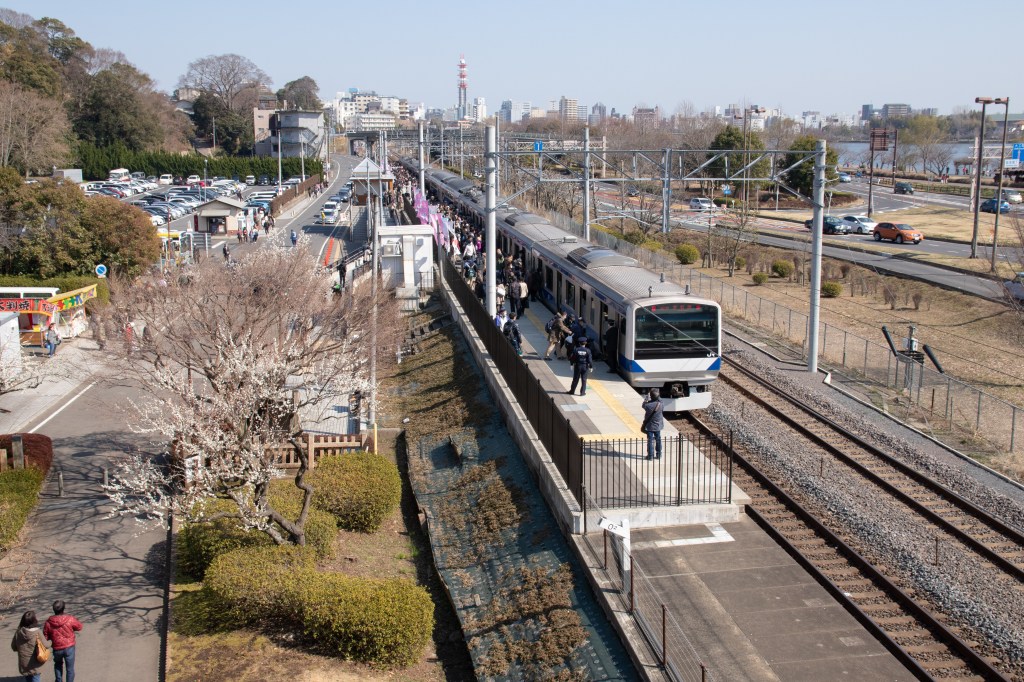
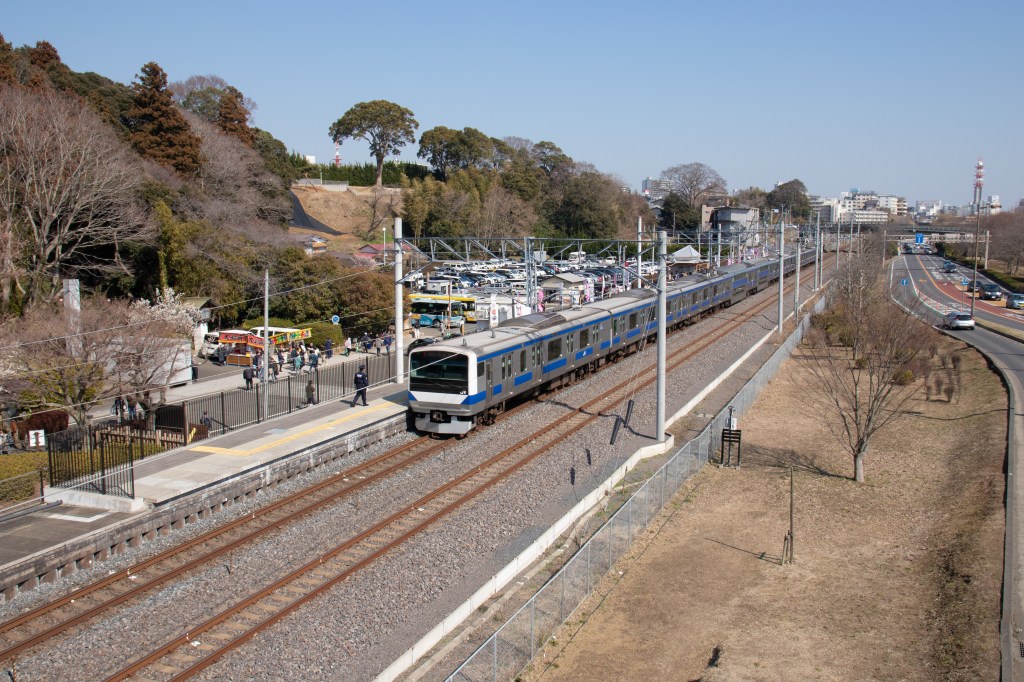
- Mito is on the JR Joban line, about an hour and ten minutes from Ueno by limited express, and the station is in the centre of the city. The garden is a twenty-minute walk or a short bus ride from the station.
- Buses run from the station to the garden’s main gate, and the fare is paid on board or by IC card. Taxis are easy to find and cheap for the short ride.
- By car, the Joban expressway and the national roads connect Mito with Tokyo and the surrounding prefectures, and there are car parks at the garden and around the lake. The plum season fills them, so arrive early.
- The garden is flat and the paths are paved in the main areas, but the plum grove is on a slope with steps and earth paths. Allow an hour and a half for the garden and the villa.
- From Narita airport, the train to Mito takes about an hour and a half with a change, which makes the city a possible first or last stop on a trip.
Where to stay
- Hotels around Mito station are the practical base, with business hotels and a few larger ones within walking distance of the restaurants and the bus stops.
- The hotels near Lake Senba and the garden are quieter and more expensive, and they put you within a few minutes of the plum grove at opening time.
- The hot spring inns in the surrounding countryside, towards Oarai and the mountains, offer outdoor baths and kaiseki dinners, and they are a good base for a slower trip. A car is needed.
- Tokyo is an hour and a quarter away by limited express, which makes Mito a feasible day trip. The trade-off is that you arrive after the best morning light.
Best time to visit
- Late February to late March is the plum season and the reason to come, with the flowering running for about a month across the varieties. The garden holds a plum festival with stalls and evening light-ups.
- Cherry blossom follows in early April, and the trees around Lake Senba come out after the plum. The garden is still busy, but the crowds are smaller than in plum season.
- Summer is hot and humid, with green trees and a quiet garden. The lake is pleasant in the evening, and the city’s festivals and fireworks are in July and August.
- Autumn brings colour to the trees around the lake and the garden, and the weather is mild and dry. It is the second-best season for a visit.
- Winter is cold and quiet, with bare trees and clear views across the lake. The garden is at its emptiest, and the tea house is a good place to warm up.
Practical tips
- Come for the plum, and check the flowering report before you book. The peak varies by two or three weeks depending on the winter.
- Go early in the morning. The garden opens at seven in the plum season, and the light and the scent are best before the crowds.
- Buy the combined ticket for the garden and the Kobuntei if you plan to go inside the villa. It is cheaper and saves queueing.
- Wear shoes you can slip off for the villa, and carry socks. The tatami rooms are entered barefoot or in socks.
- Try the natto at breakfast, and the anago for lunch. Both are local and both are better here than in the cities.
- Combine the garden with the Kodokan and the castle park. They are within walking distance and make a full day.
Suggested day-trip outline
- Morning: limited express from Ueno, walk or bus to the garden, and start with the plum grove before the crowds.
- Late morning: the Kobuntei villa and the tea house, then the bamboo grove and the upper paths.
- Lunch: anago or soba in the city, then a walk around Lake Senba.
- Afternoon: the Kodokan and the castle park, and the prefectural museum if it is raining.
- Late afternoon: back to the garden for the low light on the plum, or the arcades for coffee and natto shopping.
- Evening: dinner near the station and the train back to Tokyo, or a night in a hotel by the lake.
Before you go
Timetables, fares, admission fees, and seasonal access rules can change. Check the official tourism and transport sites linked below for the latest information before you travel.
Explore More of Japan
Published guides that pair with this one:
- Kawagoe Travel Guide: Warehouse Streets Near Tokyo
- Tomioka Silk Mill Travel Guide: Japan’s First Modern Silk Factory
- Tokyo Travel Guide: Neighborhoods, Transport and a First-Timer’s Plan
- Nikko Travel Guide: Toshogu Shrine, Waterfalls, and a Tokyo Day Trip
- Oarai Coast Travel Guide: Seafood, the Aquarium and Ibaraki’s Pacific Edge
- Sawara Travel Guide: A Merchant Town on the Water in Chiba
- Ushiku Daibutsu Travel Guide: Ibaraki’s Giant Buddha
Browse every Kanto guide on this site for the rest of the region.
Sources
- ibaraki-kairakuen.jp (checked 2026-11-05)
- ibarakiguide.jp (checked 2026-11-05)


Leave a Reply