A practical English guide to the Historical Village of Hokkaido in Sapporo: the relocated buildings, the seasons and access from the city centre.
Operational details such as opening hours, admission fees, and train times can change. Prefer official pages and reconfirm before you travel (sources checked on 05 November 2026).
Why visit
- The Historical Village of Hokkaido, Kaitaku no Mura, is an open-air museum in a forest on the eastern edge of Sapporo, and it holds more than fifty buildings from the late nineteenth and early twentieth centuries, moved here from all over the island and restored. It is the best single place to understand how Hokkaido was settled in the Meiji period, when the Japanese government treated the island as a frontier to be developed with foreign expertise and a great deal of money.
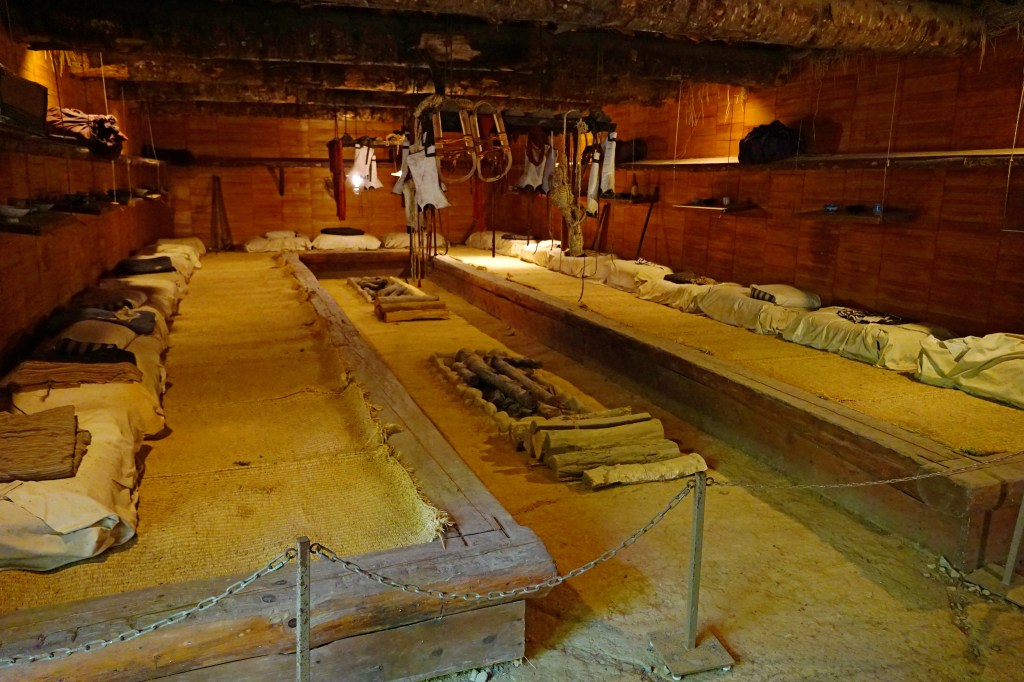
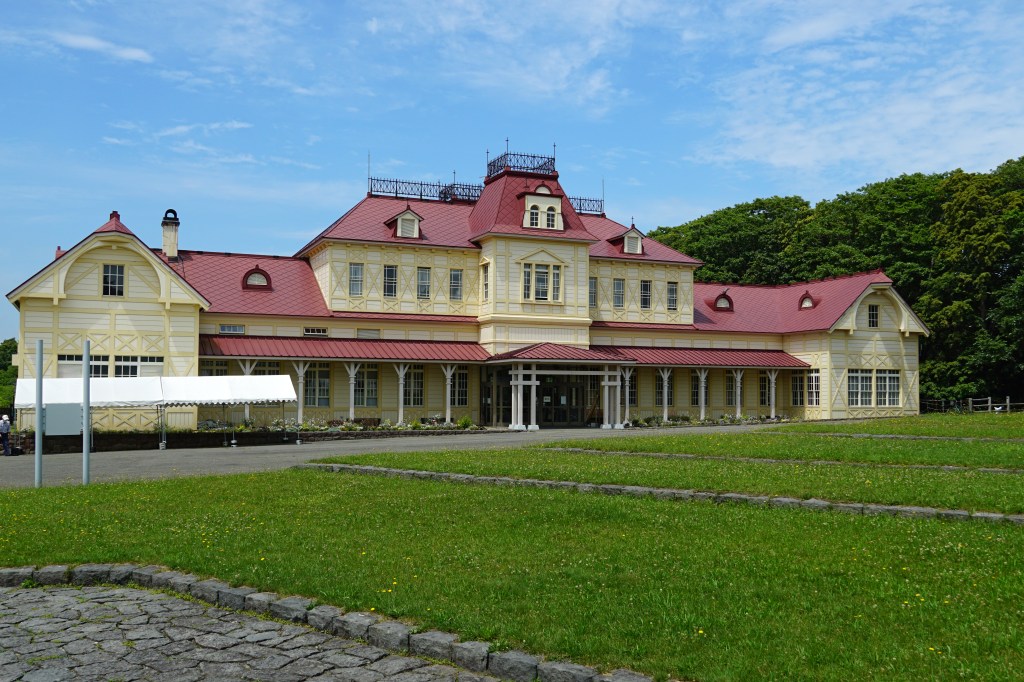
- The buildings are not reconstructions of a single street. They are the real structures: a fisherman’s house from the northern coast, a merchant’s shop from Otaru, a farmhouse from the Tokachi plain, a station building, a school, a church, a brewery, a police box, a barber shop and the house of a wealthy herring merchant, each with its own origin and its own sign. Walking between them is like walking through a set of different regions that happen to share a climate.
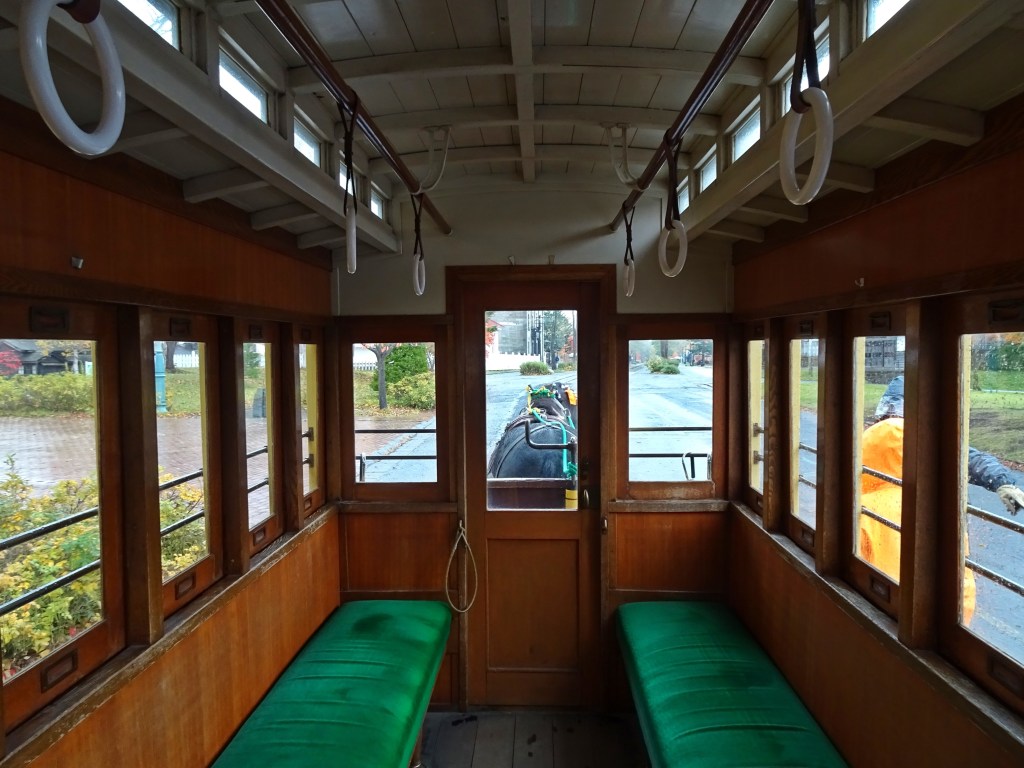
- The setting helps. The site is a large wooded park with wide paths, and in winter it is under deep snow, with the roofs loaded and the paths cleared, which makes it one of the few places where you can see these buildings as they would have looked in a Hokkaido winter. There is a horse-drawn railway, a sled and, in the season, horse-drawn sleigh rides along the main street.
- It is a half-day trip from central Sapporo, and it pairs naturally with the nearby museums and the Nopporo forest. For travellers who have seen the city and the beer museum, this is the place that explains the rest of the island.
Top places and highlights
The main street of buildings
The village is organised around a wide main street with buildings on both sides, and the mix is deliberately regional: a merchant house with a tiled roof and a shop front, a smaller wooden house with paper windows, a brick building with arched windows, and a church with a steeple. Each has a label with its original location and date, and several are open to walk through, with period furniture, tools and stoves inside. Walk the street slowly, go into the open buildings, and read the signs: the dates and the origins are what make the place interesting.
The horse-drawn railway
A short horse-drawn railway runs along part of the site, using a reconstructed carriage on rails, and it is the only one of its kind in Japan. The ride is a few minutes, the horses are working animals, and the pace is slow enough to see the buildings from a different angle. It runs in the warmer months and is a favourite with children. The track and the carriage are part of the museum’s attempt to show the transport of the period, when the railway was still new and horses did most of the work.
The herring merchant’s house
One of the largest buildings is the house of a herring merchant from the west coast, built in the boom years of the late nineteenth century when the fishery made fortunes. It is a two-storey wooden house with a formal entrance, tatami rooms, a storehouse and the traces of the merchant’s status in the woodwork and the fittings. The display explains the herring trade, the labour that supported it and the crash when the fish moved away. It is the single best interior in the village and the one to seek out.
The winter village
In winter the site is transformed: snow on the roofs, cleared paths between the buildings, and a silence that the summer crowds hide. The stoves are lit in some of the buildings, the interiors are warm and dim, and the contrast between the cold outside and the wood smoke inside is the experience. If you are in Sapporo in January or February, this is one of the best things to do with a free day, and the snow festival crowds are elsewhere.
The farmhouse and the rural buildings
Beyond the main street, the site spreads into fields and woodland with farmhouses, barns, a silo and a smithy, showing the agricultural side of the settlement. The farmhouses are large, with thick walls, a central hearth and stalls for animals under the same roof, a design brought from the northern mainland and adapted to the cold. The fields are worked in season, and the tools and the machinery are displayed in the barns. This part of the site is quieter and needs more walking.
The forest and the Nopporo park
The village sits inside the Nopporo Forest Park, a large area of woodland east of Sapporo with walking trails, birdlife and a second open-air museum, the Ainu museum of Sapporo. The forest is a good place for a walk after the buildings, and in autumn it is full of colour. The combination of the two museums and the forest makes a full day, and the trains and buses to the site are straightforward.
The museum shop and the food
The shop at the entrance sells reproductions, books and local crafts, and there is a restaurant serving simple Hokkaido food: soup curry, ramen, rice bowls and soft ice cream. It is not a destination in itself, but it is a warm place to sit after a cold walk, and the prices are reasonable. In summer there are picnic tables outside, and the site allows food in the open areas.
Food and drink
- The restaurant at the site serves Hokkaido staples: soup curry, ramen, pork rice bowls and soft ice cream. It is the practical option in winter, when the walk between buildings is cold.
- Sapporo is the place for a proper meal afterwards, with soup curry, miso ramen, Genghis Khan lamb and seafood. The city is thirty minutes away by bus and train.
- The village shop sells local sweets and packaged food, including Hokkaido dairy products and the ubiquitous potato snacks. It is a good place for a small souvenir.
- In summer, bring a bento and eat at the picnic tables in the forest. The site is large and the walk between the buildings and the fields takes time.
- For a coffee, the small cafe near the entrance is adequate, and the museums in Sapporo have better options. Do not expect a food destination.
Getting there and around
- The village is in the Nopporo Forest Park, east of Sapporo, and the easiest route is the JR Hakodate line to Shin-Sapporo or Nopporo, followed by a bus. The bus from Shin-Sapporo station takes about fifteen minutes.
- From central Sapporo, the train to Shin-Sapporo takes about fifteen minutes, and the bus from there runs to the museum entrance. The whole trip is under an hour.
- By car, the site is close to the Sasson expressway and the national roads, with a large car park. It is a straightforward drive from the city and from New Chitose airport.
- The site is spread out, with paths between the buildings and the fields, and comfortable shoes are essential. In winter the paths are cleared but icy.
- The Ainu museum and the forest trails are within the same park, and a bus or a car is needed to move between them.
Where to stay
- Sapporo is the practical base, with the full range of hotels, restaurants and transport, and the site is under an hour away. Most visitors stay in the city.
- The hotels around Shin-Sapporo station are cheaper and closer to the bus, and they suit travellers who want an early start at the museum.
- The hot spring inns outside the city, towards Jozankei, are within reach by car and offer outdoor baths after a cold day. They are a good base for a slower trip.
- For a longer stay, the pensions and guesthouses in the eastern suburbs are quiet and cheap, but the transport is thin without a car.
Best time to visit
- Winter, from December to March, is the most atmospheric season: snow on the buildings, stoves lit, and very few visitors. The cold is severe and the opening hours are shorter.
- Spring arrives late, with the snow melting through April and the first green in May. The site is quiet, and the paths are muddy in places.
- Summer is green and mild, with long days and all the buildings open. It is the busiest season, with school groups and families, and the forest is at its best.
- Autumn, from late September to October, brings colour to the trees and comfortable temperatures. It is the best all-round season for the site and for the forest walk.
- The rainy season is less pronounced in Hokkaido, but June can be wet. The interiors and the restaurant make it manageable.
Practical tips
- Check which buildings are open on the day. Some are closed for conservation on a rotating basis, and the map at the entrance shows the current state.
- Wear warm layers and boots in winter. The site is large, the paths are exposed, and the interiors are heated only by stoves.
- Allow at least two hours for the village and another hour for the forest or the Ainu museum. It is a half-day rather than a quick stop.
- Take the horse-drawn railway if it is running. It is short, cheap and the best way to see the main street.
- Buy the combined ticket if you plan to visit the Ainu museum as well. The two sites are close and the discount is worth it.
- Do not climb on the buildings or the displays. The structures are original and fragile, and the museum asks visitors to stay on the paths.
Suggested day-trip outline
- Morning: train and bus from Sapporo, arrive at opening time and walk the main street while it is quiet.
- Late morning: the herring merchant’s house and the other open interiors, then the horse-drawn railway if it is running.
- Lunch: the site restaurant or a bento in the forest, depending on the season.
- Afternoon: the farmhouses and the fields, then the Ainu museum in the same park.
- Late afternoon: a walk in the Nopporo forest, and the bus back to Shin-Sapporo.
- Evening: dinner in Sapporo, with soup curry or ramen, and a walk through the city centre.
Before you go
Timetables, fares, admission fees, and seasonal access rules can change. Check the official tourism and transport sites linked below for the latest information before you travel.
Explore More of Japan
Published guides that pair with this one:
- Asahiyama Zoo Travel Guide: Hokkaido Animals in Winter
- Sapporo Travel Guide: Food, Parks, and a Hokkaido Base
- Otaru Travel Guide: Canal Warehouses, Seafood, and a Day Trip from Sapporo
- Asahikawa Travel Guide: Zoo, Ramen, and a Base for Central Hokkaido
- Hakodate Travel Guide: Night Views, Morning Market, and Southern Hokkaido
Browse every Hokkaido guide on this site for the rest of the region.
Sources
- kaitaku.or.jp (checked 2026-11-05)
- visit-hokkaido.jp (checked 2026-11-05)


Leave a Reply