A practical English guide to Sakai in Osaka: the knife workshops, the World Heritage kofun, the old port and access from central Osaka.
Operational details such as opening hours, admission fees, and train times can change. Prefer official pages and reconfirm before you travel (sources checked on 05 November 2026).
Why visit
- Sakai is the old port south of Osaka, and it has two claims on the traveller’s attention that seem to have nothing to do with each other: it is the centre of Japanese knife making, and it holds the largest group of ancient burial mounds in the country. Both are genuine, both are under-visited, and together they make one of the most interesting days in the Osaka area.
- The knives are the reason many people come. Sakai has been making blades since the sixteenth century, when the Portuguese introduced tobacco and the town began producing the knives to cut it, and the trade grew into the finest kitchen knives in Japan. The workshops are small, family-run and clustered in a few streets, and several of them open their doors, show the forging and the sharpening, and sell directly. A single knife from Sakai is the best practical souvenir in the region.
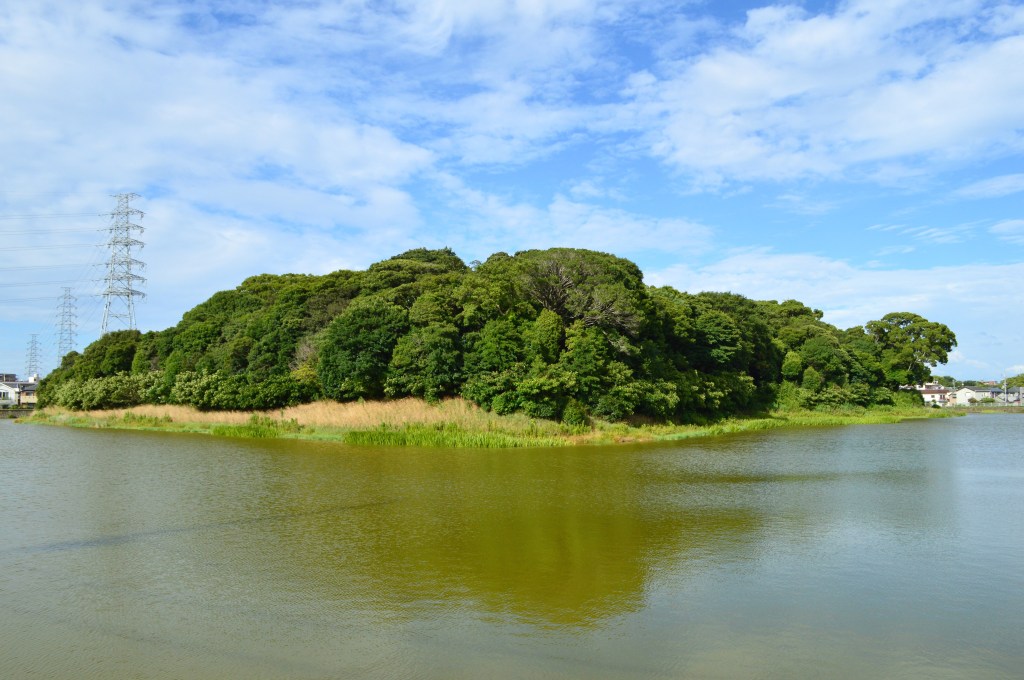
- The kofun are the other half. The Mozu group is a cluster of keyhole-shaped tombs, including the largest in Japan, attributed to the emperor Nintoku, and the whole group is a World Heritage site. The tombs are covered in forest and surrounded by moats, and from the ground they look like wooded islands in the middle of the suburbs. The scale only becomes clear from the air or from the observation decks, and the museum explains what the shapes mean.
- The old port area, with its temples and merchant houses, is the third element, and it is quiet and crumbling in the way that old port towns are. Sakai is not polished, and that is the appeal: the workshops are working, the tombs are in the middle of housing estates, and the food is the honest food of a working city.
Top places and highlights
The knife workshops
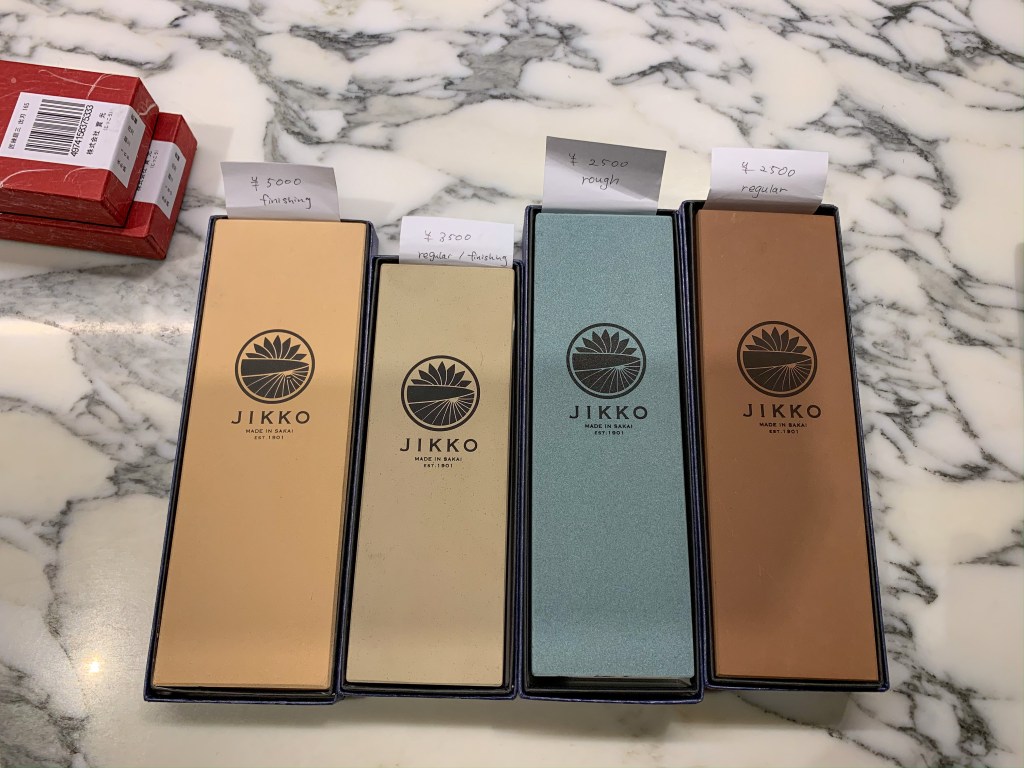
The knife district is a few blocks of small workshops and shops, and several of them welcome visitors to watch the forging, the hammering and the sharpening. The process is traditional: a layer of soft iron is forge-welded to a layer of hard steel, shaped on the anvil, ground on water stones and finished by hand. The smiths are used to visitors and will explain the difference between the single-bevel knives used for sashimi and the double-bevel ones for general cooking. Buy a knife if you can, and ask about sharpening and care, since the steel will rust if it is left wet.
The knife museum
The museum explains the history of the trade, the metallurgy and the different types of blade, with examples from the sixteenth century to the present. There are displays on the forging process, the water stones, the handles and the regional styles, and a section on the export trade that took Sakai knives around the world. It is small and well organised, and it gives you the vocabulary to talk to a smith. Allow an hour, and go before the workshops so you know what you are looking at.
The Mozu kofun group
The tombs are enormous keyhole-shaped mounds, surrounded by moats and covered in forest, and they are scattered through the southern suburbs of the city. The largest, attributed to the emperor Nintoku, is nearly five hundred metres long, and the scale is hard to grasp from the path. Walk the trails around the moats, visit the small shrines on the mounds, and go up to one of the observation points for the view over the green islands in the city. The museum explains the construction, the burial goods and the meaning of the shape.
The Sakai city museum and the kofun displays
The city museum holds the finds from the tombs and explains the period, with pottery, mirrors, weapons and models of the mounds. It is the place to understand what you are looking at, and the displays include a reconstruction of a burial chamber and a section on the workers who built the tombs. It is a good rainy-day stop and a complement to the walk around the moats.
The old port and the temples
Sakai was a major port in the medieval period and one of the most cosmopolitan cities in Japan, with a community of Portuguese and Chinese traders. The old streets around the port keep a few temples, merchant houses and stone markers, and the atmosphere is quiet and slightly neglected. Walk from the station towards the water, look at the temple gates and the old shopfronts, and stop at the small museums if they are open. It is not a preserved district, and that is what makes it interesting.
The bicycles and the flat city
Sakai is flat, and a rented bicycle is the best way to cover the distance between the knife district, the kofun and the port. The roads are wide, the traffic is moderate, and the city has a network of small parks and canals. Rent at the station or at a cycle shop, and plan a loop that takes in the tombs in the morning and the workshops in the afternoon. It is a practical and pleasant way to see a city that is spread out.
The local food
Sakai is a working city and the food is cheap and good: udon and soba, okonomiyaki, and the fish from the bay. The area around the station and the old port has the usual mix of chains and family restaurants, and the local speciality is a thin, crisp okonomiyaki style that differs from the Osaka version. For a proper meal, go to the small places away from the station, where the menu is handwritten and the staff are patient with visitors.
Food and drink
- Okonomiyaki is the local staple, and Sakai’s version is thinner and crisper than the Osaka one, often with a lot of cabbage and a sweet sauce. The shops around the station and the old town cook it on the griddle in front of you.
- The fish from the bay is good and cheap, and the restaurants near the port serve it as sashimi, grilled or in rice bowls. The market is small but the quality is high.
- Sakai is also known for its sweets, including the local rice cakes and the bean paste confections sold near the temples. They are the easy souvenir, along with a knife.
- Udon and soba shops are everywhere, and the local style is simple and filling. The lunch sets are cheap, and the shops close early in the afternoon.
- For a sit-down dinner, the streets around the station have izakaya and yakitori, and the old port area has a few restaurants in converted houses. The city is quiet on weeknights.
Getting there and around
- Sakai is on the Nankai line from Namba in Osaka, about ten minutes to Sakai station, and on the JR Hanwa line, which stops at Sakai-shi and other stations in the city. The knife district and the port are within walking distance of the Nankai station.
- The Mozu kofun group is south of the centre, reached by the JR Hanwa line to Mozu station or by bus. The tombs are spread out, and a bicycle or a bus is needed to see more than one.
- From Kansai airport, the Nankai line runs to Sakai in about thirty minutes, which makes the city a possible first or last stop on a trip.
- By car, the Hanshin expressway and the national roads connect Sakai with Osaka and the airport, but the city is dense and the parking is limited. The train and the bicycle are easier.
- A taxi between the knife district, the kofun and the port is affordable and saves time if you have only half a day.
Where to stay
- Hotels around Sakai station and the Nankai line are the practical base, with business hotels and a few larger ones within walking distance of the restaurants and the trains.
- Osaka is twenty minutes away and has the full range of accommodation, and most visitors stay there and visit Sakai as a day trip. The trade-off is the commute.
- The hotels near Kansai airport suit an early flight, and the train to Sakai is quick if you want to combine the city with the airport.
- For a quieter stay, the small hotels and guesthouses in the old port area are cheap and close to the temples and the water, though the choice is limited.
Best time to visit
- Spring, from late March to April, is the best time: the cherry trees along the moats and in the parks are out, and the weather is mild. The kofun paths are pleasant then.
- Summer is hot and humid, with strong sun and occasional typhoons. The museums and the workshops are indoor options, and the evenings are the time to walk.
- Autumn, from October to November, is clear and dry, and the trees around the tombs turn. It is the best season for the kofun and for cycling.
- Winter is cold but rarely snowy, and the city is quiet. The workshops are working, the museums are empty, and a hot udon lunch is the reward.
- The rainy season runs from early June to mid-July. The museums and the workshops are good wet-weather stops, and the tombs are atmospheric in the rain.
Practical tips
- Book a workshop visit ahead. The good forges are small and do not take walk-ins every day.
- Buy a knife from the maker rather than a department store, and ask about sharpening and care. The steel needs drying and oiling.
- Rent a bicycle for the kofun. The tombs are spread over several kilometres, and walking between them takes most of a day.
- Check the opening days of the museums. Some close on Mondays, and the small ones have limited hours.
- Carry cash for the workshops and the small restaurants. The knife shops often take cards, but the food places may not.
- Allow a full day: the knife district, the museum and the kofun are in different parts of the city, and the travel between them takes time.
Suggested day-trip outline
- Morning: train from Osaka to Sakai, the knife museum first, then a workshop visit to see the forging and the sharpening.
- Late morning: buy a knife and walk the old port streets and the temples.
- Lunch: okonomiyaki or udon near the station.
- Afternoon: train or bicycle to the Mozu kofun, walk the moats and the trails, and visit the city museum.
- Late afternoon: the observation point over the tombs, then back to the station.
- Evening: dinner in Osaka, twenty minutes away, or a quiet meal in Sakai before the flight from Kansai.
Before you go
Timetables, fares, admission fees, and seasonal access rules can change. Check the official tourism and transport sites linked below for the latest information before you travel.
Explore More of Japan
Published guides that pair with this one:
- Nara Park and Naramachi Travel Guide: Temples, Deer, and Old Town Streets
- Osaka Aquarium Kaiyukan Travel Guide: Highlights, Access, and Planning
- Umeda Sky Building Travel Guide: Kuchu Teien Observatory in Osaka
- Kobe Travel Guide: Beef, the Port and the Hills Above the Bay
- Osaka Travel Guide: Food, Neighborhoods and a Three-Day Plan
Browse every Kansai guide on this site for the rest of the region.
Sources
- sakai-tcb.or.jp (checked 2026-11-05)
- city.sakai.lg.jp (checked 2026-11-05)


Leave a Reply