A practical English guide to Kaike Onsen and Yonago in Tottori: the seaside baths, the fish market, Daisen views and access from Osaka.
Operational details such as opening hours, admission fees, and train times can change. Prefer official pages and reconfirm before you travel (sources checked on 05 November 2026).
Why visit
- Kaike Onsen is a seaside hot spring town on the coast of Yonago in Tottori, and its appeal is simple: the baths face the Sea of Japan, the sunsets are over the water, and the town is small enough to walk in an hour. It is not a resort with attractions and theme parks; it is a strip of hotels along a beach, with a public bath at the centre, and it has been that way for about a century.
- The water is the reason people come. It is a sodium chloride spring, warm and salty, and the baths are said to be good for the skin and for recovery. The hotels have outdoor baths facing the sea, and the public bathhouse, Kaike Yugetsu, has a rooftop pool and a bath on the top floor with a view along the coast. In winter the sea is grey and rough, in summer it is calm and blue, and the bath is the same.
- Yonago itself is a modest city, but it has the fish market, the Daisen views and the gateway to the Mount Daisen area, and it is a good base for the western part of Tottori. The Sakaiminato fish market and the Mizuki Shigeru road are a short train ride away, and the Izumo area is an hour or so by train. Kaike is the quiet place to come back to in the evening.
- It is also a practical stop on the San’in coast route, between Tottori and Matsue, and it is cheaper and less crowded than the famous onsen towns. The seafood is excellent, the sake is local, and the train station is ten minutes from the hotels.
Top places and highlights
The seaside baths
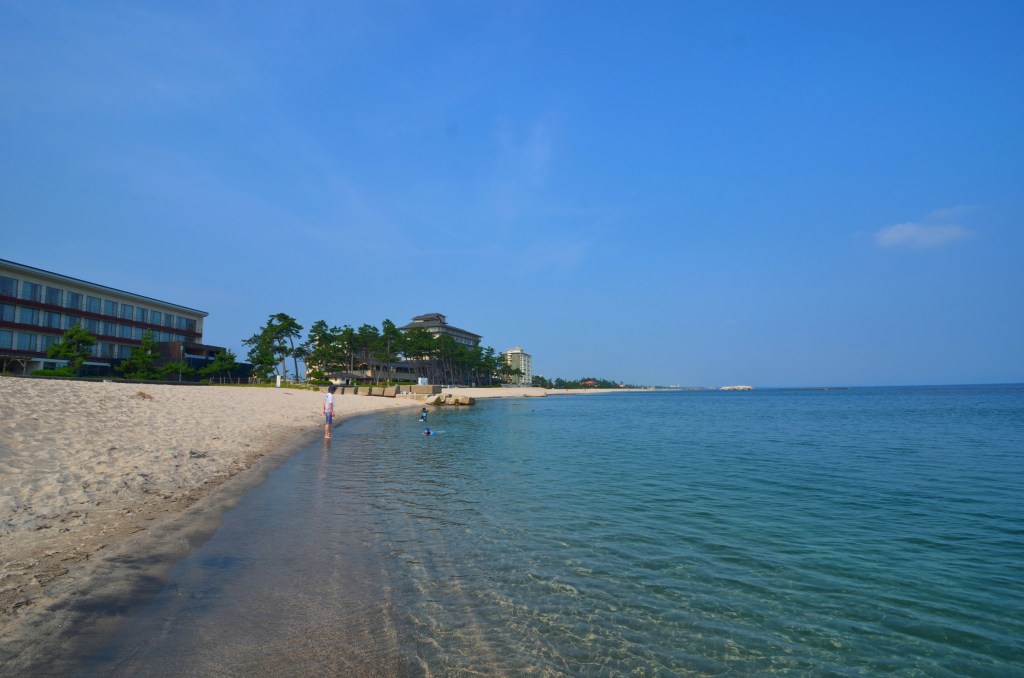
The hotels along the beach all have baths facing the sea, and several have outdoor pools where you sit in hot water with the wind off the water in your face. The public bathhouse at the centre of the town has a bath on an upper floor with a wide window over the coast, and it is open to day visitors. The experience is best at sunset, when the light goes orange over the water and the fishing boats come back. Bring a small towel, and note that the baths are segregated and tattoos may be restricted.
The beach and the promenade
Kaike has a long, gently curving beach of dark sand, with a promenade along the top and a few palms, and it is clean and quiet outside the summer holidays. In summer there are swimming areas and beach huts, and in winter the beach is empty and the waves are big. Walk the promenade at sunset, when the locals come out with dogs and children, and the view across the water to the islands is the best free thing in town.
The fish market and the seafood
Yonago’s fish market is a short taxi ride or a bus from Kaike, and it is the place to see what the Sea of Japan produces: crab in winter, yellowtail, squid, flatfish and the small shrimp. The market has restaurants and stalls, and the sushi and the rice bowls are cheap and fresh. Go in the morning for the auction atmosphere, and eat a seafood bowl for breakfast, which is the local habit.
Mount Daisen
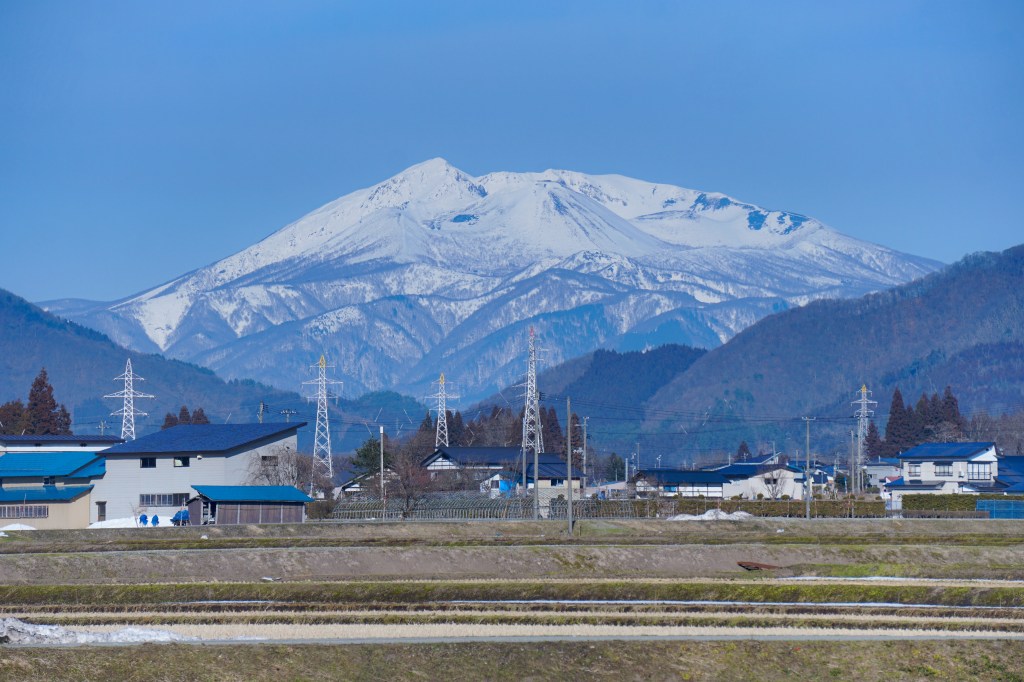
The mountain rises behind Yonago and is visible from the beach on clear days, a broad volcanic mass with a shrine on the slope and trails through beech forest. The climb to the summit takes most of a day, and the lower shrine and the temple lodgings are a shorter trip. In winter the mountain is white and the roads may be closed, and in autumn the beech turns. The view from the coast, with the mountain and the sea in the same frame, is the image of the region.
Sakaiminato and the fish market
Sakaiminato, at the tip of the peninsula, is a working fishing port with a large market and a street of statues of the manga characters of Shigeru Mizuki, who was born there. The market is the real attraction, with crab, fish and a restaurant floor, and the Mizuki Shigeru Road is a cheerful walk with the characters along the shopfronts. It is a half-day trip from Kaike by train, and it pairs well with the onsen in the evening.
The Kaike hot spring history
The town was developed in the early twentieth century as a hot spring resort, and some of the hotels keep the wooden buildings and the atmosphere of that period. The spring was drilled in the 1900s, and the town grew along the beach with a grid of streets and a public bath. Walk the back streets behind the seafront and you can still see the older inns, the shopfronts and the small shrine, which give the place a history beyond the modern hotels.
The sunsets
Kaike faces west across the Sea of Japan, and the sunsets are the town’s main event. The beach and the promenade fill with people in the evening, the hotels time dinner around the light, and the view from the baths is the reason to pay for a sea-facing room. On clear days the sun goes down behind the islands, and the sky turns pink and then deep blue. It is worth planning the day so that you are outside at that hour.
Food and drink
- The seafood is the reason to eat here: crab from November, yellowtail in winter, squid and flatfish through the year, and the small shrimp that the region is known for. The market restaurants and the hotel dinners are the places to try them.
- The hotel kaiseki dinners are built around the local fish and vegetables, with a few courses of sashimi, grilled fish, a hot pot and rice. It is the full experience of a Japanese seaside onsen, and the quality is high for the price.
- Yonago’s fish market serves seafood bowls and sushi in the morning, and the local habit is to eat there before the day starts. The prices are lower than in the city restaurants and the fish is as fresh as it gets.
- Tottori is a sake prefecture, and the local labels are dry and clean. The hotels and the bars in Yonago carry them, and a small bottle with dinner is the right amount.
- For a change from fish, the city has ramen, soba and the usual chains around the station, and the local beef is good. The town of Kaike itself has few restaurants outside the hotels, so eat in Yonago if you want variety.
Getting there and around
- Kaike Onsen is on the JR San’in line, about ten minutes by bus or taxi from Yonago station, and Yonago is served by limited express trains from Okayama, Matsue and Tottori. The nearest airport is Yonago, with flights from Tokyo and a bus to the city.
- The town is small and walkable, and the hotels are along the beach within a few minutes of each other. The station is a short bus ride inland.
- By car, the San’in expressway and the national roads connect Yonago with Tottori, Matsue and the Chugoku mountains, and the town has parking at the hotels and near the beach.
- From Matsue, the train takes about thirty minutes, and from Tottori about an hour. The San’in coast route is slow and scenic, and the towns along it are worth stopping for.
- A rental bicycle is a good way to reach the beach, the market and the surrounding roads, and the town is flat.
Where to stay
- The hotels along the beach are the reason to stay here, and several have sea-facing rooms, outdoor baths and kaiseki dinners. The older inns are cheaper and more atmospheric, and the newer ones are larger and more comfortable.
- The public bathhouse has a small hotel attached, and there are pensions and guesthouses behind the seafront for a cheaper stay.
- Yonago station has business hotels and the usual chains, which suit travellers arriving late or leaving early. The trade-off is the bus ride to the baths.
- The temple lodgings on Mount Daisen are a different experience, with vegetarian meals and a cold mountain morning. They are within an hour by car and make a good second night.
Best time to visit
- Winter, from December to February, is crab season and the best time for the food. The sea is rough, the sunsets are dramatic, and the baths are at their most welcome.
- Spring brings mild weather and cherry blossom in the parks of Yonago, and the beach is quiet. The mountain is still cold, and the lower trails open in April.
- Summer is the beach season, with swimming, beach huts and festivals. The town is at its busiest in August, and the hotels are more expensive.
- Autumn, from October to November, is the best all-round season: clear air, calm sea, good fish and the beech colour on Mount Daisen.
- The rainy season runs from early June to mid-July. The town is quiet and the indoor baths and the market are the attractions.
Practical tips
- Book a sea-facing room if you can. The view and the sunset are the point of staying in Kaike rather than in Yonago.
- Go to the fish market early. The best bowls and the freshest fish are gone by midday, and some stalls close on certain weekdays.
- Carry a small towel and a coin for the public bath. The hotels provide towels, but the bathhouse charges a small fee.
- Check the tattoo policy before you book. Some baths restrict tattoos, and the rules differ between the hotels.
- Plan the day around the sunset. The light is the best thing here, and the timing shifts through the year.
- Eat dinner at the hotel if you are staying in Kaike. The town has few independent restaurants in the evening, and the kaiseki is part of the experience.
Suggested day-trip outline
- Morning: train to Yonago, bus to Kaike, leave the bag at the hotel and walk the beach and the promenade.
- Late morning: the public bath or the hotel bath, then a walk through the back streets and the small shrine.
- Lunch: the fish market in Yonago, with a seafood bowl or sushi.
- Afternoon: Sakaiminato and the market, or the lower slopes of Mount Daisen.
- Evening: back to Kaike for the sunset, the outdoor bath and a kaiseki dinner at the hotel.
- Second day: a morning bath, a walk on the empty beach, and the train along the San’in coast towards Matsue or Tottori.
Before you go
Timetables, fares, admission fees, and seasonal access rules can change. Check the official tourism and transport sites linked below for the latest information before you travel.
Explore More of Japan
Published guides that pair with this one:
- Kurayoshi Travel Guide: Tottori’s White-Walled Storehouse Town
- Matsue Castle Travel Guide: A National Treasure Keep under Repair
- Izumo Taisha Travel Guide: The Grand Shrine and the Shimane Coast
- Tottori Sand Dunes Travel Guide: Coastal Walks in Western Honshu
- Mount Daisen Guide: Tottori’s Sacred Mountain
Browse every Chugoku guide on this site for the rest of the region.
Sources
- yonago-navi.jp (checked 2026-11-05)
- city.yonago.lg.jp (checked 2026-11-05)


Leave a Reply