A practical English guide to Iga Ueno in Mie: the ninja museum, the castle, the haiku poet Basho and access from Osaka and Kyoto.
Operational details such as opening hours, admission fees, and train times can change. Prefer official pages and reconfirm before you travel (sources checked on 05 November 2026).
Why visit
- Iga Ueno is a small castle town in western Mie, surrounded by low mountains, and it is famous for two things that make an unlikely pair: the ninja, who were trained and employed in this region, and Matsuo Basho, the haiku poet, who was born here in 1644. The town has made the most of both, and the result is one of the most enjoyable small-town days in the Kansai area.
- The ninja museum is the main attraction. It is built around a real ninja house with hidden doors, secret passages and a revolving wall, and the guides demonstrate the tricks with obvious pleasure. The museum explains the history of the ninja as intelligence agents and bodyguards rather than the superheroes of the films, and the weapon and costume displays are genuinely interesting.
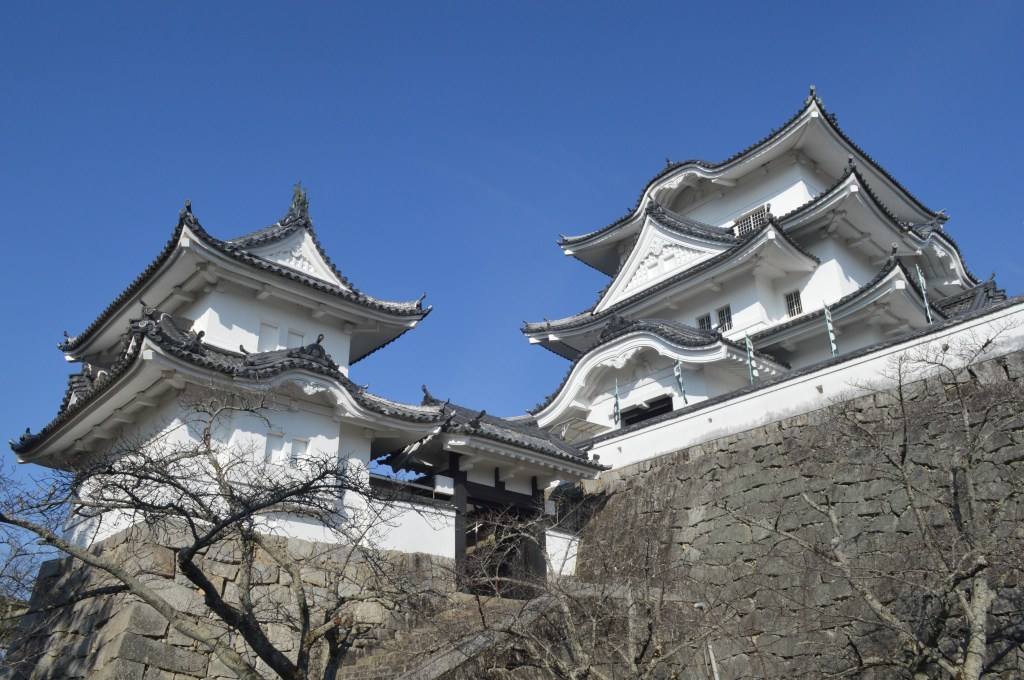
- The castle is a short walk away, a white-walled keep on a high stone base, and it was rebuilt in the 1930s with a scale that is larger than the original. The stone walls below are the real thing, and the park around them is a good place to walk. Basho’s birthplace is nearby, with a small museum and a hall, and the town has a quiet, old-fashioned feel.
- Iga Ueno is within an hour of Osaka, Kyoto and Nagoya by train, and it is a half-day or a full day depending on how much of the ninja and poetry you want. It is a good escape from the cities, and it is at its best in spring and autumn.
Top places and highlights

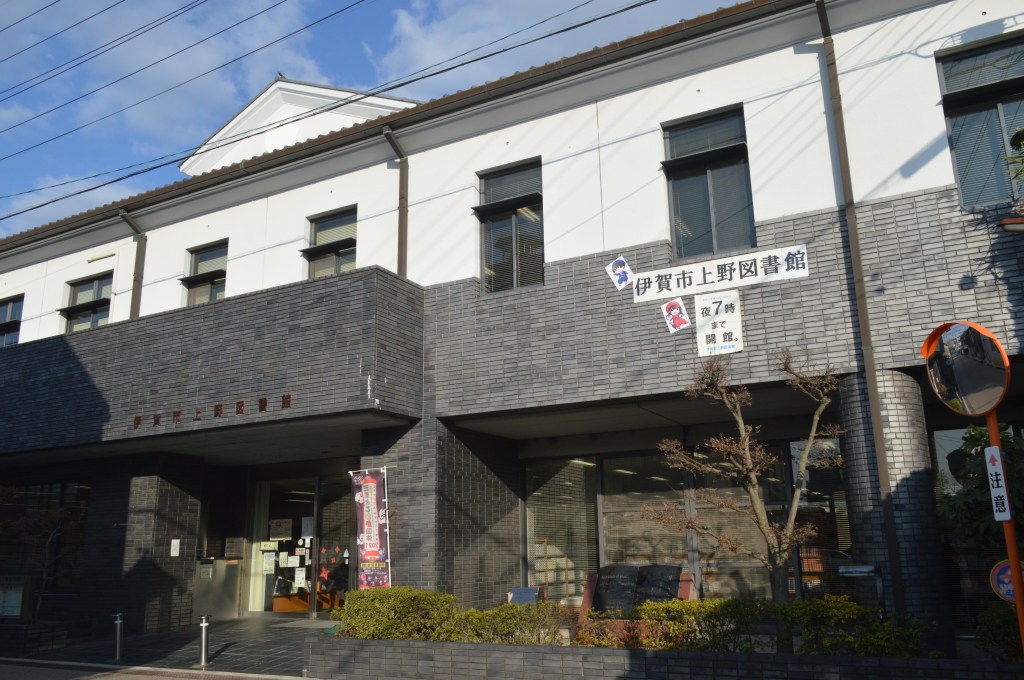
The ninja museum
The museum is centred on a house built with the tricks of the trade: panels that slide, floors that give way, doors that open the wrong way, and a wall that turns to hide a person. The guides, often in costume, demonstrate each one with a running commentary, and the tour is short, funny and informative. The exhibition halls cover the history of the ninja, the tools, the disguises and the intelligence work, and the weapon displays are extensive. It is the reason most people come to Iga Ueno, and it does not disappoint.
Iga Ueno castle
The castle keep is a white, three-storey building on a high stone base, rebuilt in 1935 with a scale that is larger than the original, and it has a museum of local history and armour inside. The stone walls around it are original and among the tallest in Japan, and the park below is a pleasant place to walk. The view from the top takes in the town and the mountains.
Basho’s birthplace
The poet Matsuo Basho was born in Iga Ueno, and the site of his birth is marked by a small hall and a museum with manuscripts, portraits and a garden. It is a quiet place, and it explains the poet’s life and the haiku form without overloading you. The Basho festival in October brings performances and crowds, and the rest of the year it is peaceful.
The old town streets
The streets between the station and the castle keep a number of old houses, temples and shopfronts, and the town has a low, wooden, slightly worn feel that is very different from the polished historic districts elsewhere. Walk the lanes, look at the gates and the walls, and stop at the small shops selling the local sweets and the ninja souvenirs.
The ninja train and the local railway
The Iga railway, a small local line, runs a train decorated with ninja figures and a blue colour scheme, and the ride from the station is short and cheerful. The line connects to the main network at Iga-Kambe, and the train is part of the experience for children. It is a small thing, but it sets the tone of the town.
The food of Mie
Iga is known for its beef, which is marbled and tender and served in the local restaurants, and for the usual Kansai food: udon, soba and the sweets. The town has a few cafes and restaurants around the castle and the station, and the local sake is worth trying. It is not a food destination, but the beef is good.
The surrounding countryside
The hills around Iga Ueno have tea fields, small farms and old temples, and the roads are quiet. The Iga clan’s territory was chosen for its mountains and its distance from the capital, and the landscape still feels remote. A drive or a local train ride through the countryside is a good addition to the town.
Food and drink
- Iga beef is the local speciality, marbled and tender, served in the restaurants around the town as steak, sukiyaki or in a bowl. The quality is high and the prices are lower than in Kobe or Matsusaka.
- The local udon and soba are the everyday lunches, and the shops near the castle serve them cheaply. The Kansai-style broth is lighter than the Tokyo version.
- The town has a few cafes in old houses, serving coffee, cakes and light meals, and they are good places to sit between the castle and the museum.
- The local sweets include the usual rice cakes and bean paste confections, and the shops around the station sell them as souvenirs along with the ninja-themed goods.
- The sake from Mie is dry and clean, and the restaurants and the bars around the station carry the local labels. The tea from the surrounding hills is also good.
Getting there and around
- Iga Ueno is on the Kintetsu line from Osaka and Nagoya, about an hour and a half from Osaka and an hour from Nagoya with a change at Iga-Kambe. The station is a short walk from the castle and the ninja museum.
- From Kyoto, the train takes about an hour and a half with a change, and from Nara about an hour. The town is a feasible day trip from all three cities.
- The sights are within walking distance of the station: the ninja museum is about ten minutes, and the castle and Basho’s birthplace are a further ten.
- By car, the Meihan national road and the expressways connect Iga with Osaka, Nara and Nagoya, and there are car parks at the castle and the museum.
- The local Iga railway connects the surrounding towns, and the ninja train is a short ride from the main station.
Where to stay
- The hotels and guesthouses around Iga Ueno station are simple and cheap, and they are convenient for an early start at the museum.
- The ryokan and inns in the surrounding countryside offer quiet rooms and local meals, and they are a good base for a slower trip with a car.
- Osaka, Kyoto and Nagoya are within an hour and a half, and most visitors come as a day trip. The trade-off is the travel time.
- The temples in the hills have simple lodgings for pilgrims, and they are cheap and atmospheric, though the facilities are basic.
Best time to visit
- Spring, from late March to April, is the best time: the cherry trees at the castle and in the park are in flower, and the weather is mild.
- Summer is hot and humid, with the hills green and the town quiet. The ninja museum is indoor, which helps, and the evenings are pleasant.
- Autumn, from October to November, brings colour to the hills and the Basho festival, and the town is at its most attractive.
- Winter is cold and quiet, with occasional snow on the mountains. The museums are empty, and the castle park is peaceful.
- The rainy season runs from early June to mid-July. The ninja museum and the Basho museum are good wet-weather stops.
Practical tips
- Check the ninja demonstration times. The show is the best part of the museum, and it runs on a schedule.
- Buy a combined ticket if one is available for the museum and the castle. It saves money and queueing.
- Go on a weekday. The museum is popular with school groups, and the demonstrations are crowded in the holidays.
- Wear shoes you can slip off for the ninja house, since the tour involves stepping over and through the building.
- Allow half a day for the museum, the castle and Basho’s birthplace, and a full day if you want the countryside.
- Carry cash for the small shops and the local restaurants. Not every place takes cards.
Suggested day-trip outline
- Morning: train from Osaka or Nagoya, walk to the ninja museum and take the first demonstration of the day.
- Late morning: the castle and the stone walls, with the view from the keep over the town.
- Lunch: Iga beef or udon at a restaurant near the castle.
- Afternoon: Basho’s birthplace and the old town streets, then the shops for the local sweets.
- Late afternoon: a coffee in an old house cafe, and the ninja train for a short ride.
- Evening: the train back to Osaka, Kyoto or Nagoya, or a night in a local inn for a slower trip.
Before you go
Timetables, fares, admission fees, and seasonal access rules can change. Check the official tourism and transport sites linked below for the latest information before you travel.
Explore More of Japan
Published guides that pair with this one:
- Amanohashidate Travel Guide: The Pine Sandbar in Northern Kyoto
- Uji Travel Guide: Matcha, Byodo-in Temple, and a Day Trip from Kyoto
- Horyu-ji Travel Guide: The Oldest Temple in Japan
- Osaka Travel Guide: Food, Neighborhoods and a Three-Day Plan
- Kyoto Travel Guide: Areas, Temples and a Three-Day Plan
- Sakai Travel Guide: Knives, Kofun and the Old Port
Browse every Kansai guide on this site for the rest of the region.
Sources
- city.iga.lg.jp (checked 2026-11-05)
- kankomie.or.jp (checked 2026-11-05)


Leave a Reply