A practical English guide to Lake Inawashiro in Fukushima: the lake, the Bandai plateau, the onsen and access from Koriyama.
Operational details such as opening hours, admission fees, and train times can change. Prefer official pages and reconfirm before you travel (sources checked on 05 November 2026).
Why visit
- Lake Inawashiro is the fourth largest lake in Japan, a wide, shallow sheet of water in the middle of Fukushima, with Mount Bandai rising on its northern shore. The lake is calm and the shore is open and agricultural, with rice fields, reed beds and small beaches, and the views across the water to the mountain are the reason people come.
- Mount Bandai is the other half of the landscape. The volcano erupted in 1888, blowing off its north face and creating the Bandai plateau, with its lakes, marshes and views, and the mountain and the lake are part of the same story. The plateau is one of the most popular scenic areas of Tohoku, and the lake is its calm counterpart.
- The lake has a long history. It is mentioned in the old chronicles, and the shore has shrines, temples and the ruins of a castle, along with the villas and the onsen of the Meiji and Taisho periods. The area was a summer retreat for the wealthy, and the old hotels and the lakeside houses are part of its character.
- Inawashiro is a good base for the Bandai plateau, the Goshikinuma ponds, the ski resorts and the onsen of the region. It is on the train line between Tokyo and Aizu, and it combines with Aizu-Wakamatsu and the castle towns of the region. It is a landscape of water and mountain, and it is best seen slowly.
Top places and highlights
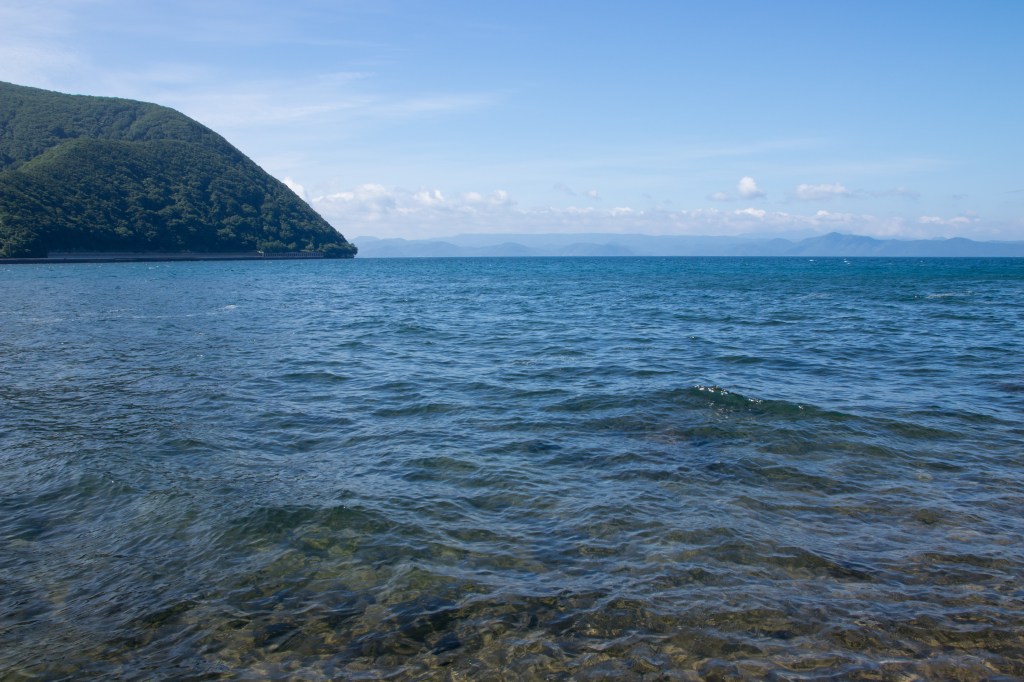
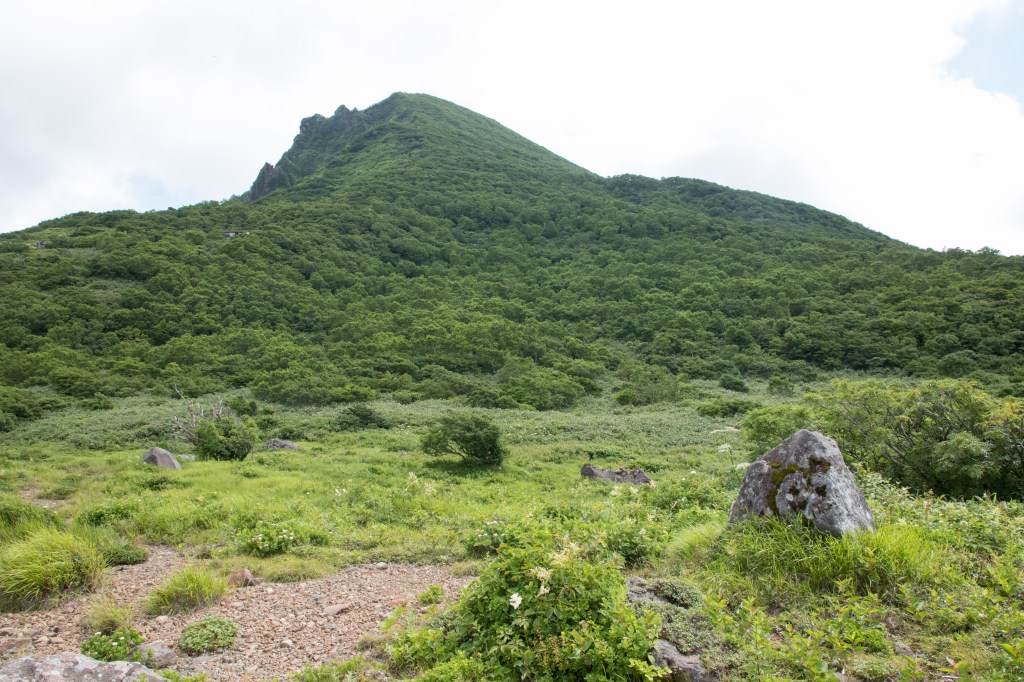
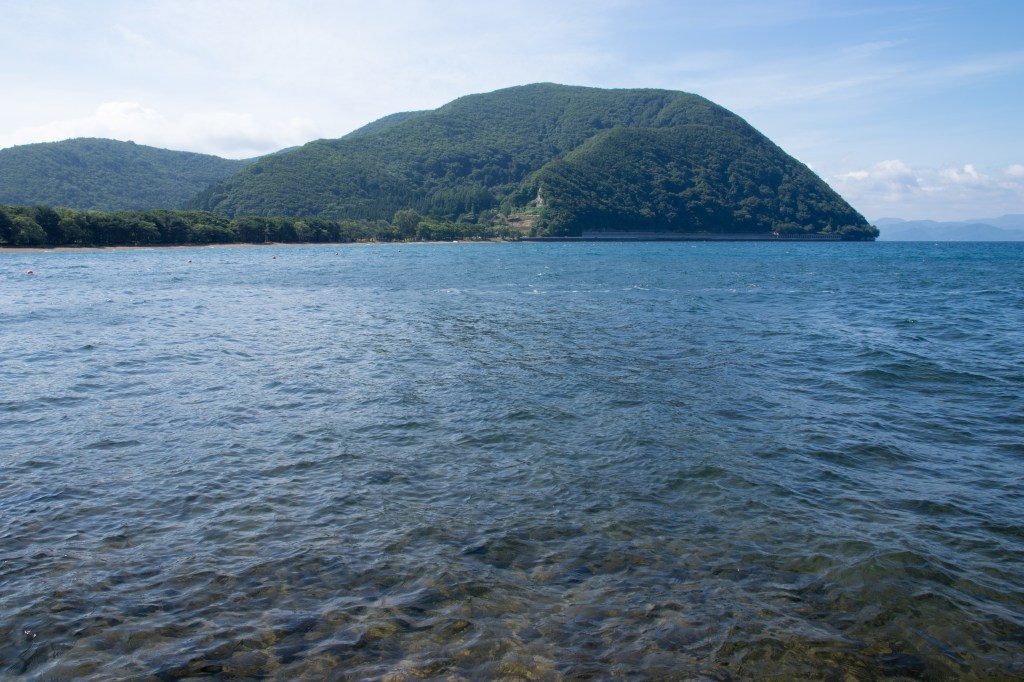
The lake and Mount Bandai
The view across the lake to Mount Bandai is the defining image of the area, and it changes through the day and the season. The water is wide and shallow, the mountain is close, and the reflection is good in the calm mornings. The north shore has the best view, and the roads and the beaches along it are easy to reach. In winter the mountain is white and the lake is grey, and the contrast is sharp.
The Bandai plateau
The 1888 eruption created a plateau of lakes, marshes and bare hills on the north side of the mountain, and it is now a park with walking trails, viewpoints and the Goshikinuma ponds. The landscape is young and raw, with the soil still thin, and the views over the lake and the mountain are open. The plateau is a short drive from the lake, and it deserves a half-day.
The Goshikinuma ponds
The Five Colours ponds are a group of small lakes and marshes on the plateau, with trails between them and water that changes colour with the light and the minerals. The walk is flat and easy, about an hour, and the reflections of the trees and the sky are the attraction. In autumn the colour is spectacular, and the ponds are busy at the peak. It is the most accessible of the plateau sights.
The shore and the old villas
The lake shore has a number of old villas, hotels and temples from the Meiji and Taisho periods, when the area was a summer retreat, and some of them are open to visitors. The architecture is a mix of Japanese and Western, with verandas, gardens and views over the water. Walk or drive the shore and look at the buildings, and the history of the resort is visible.
The onsen
The area has several hot spring villages, including the ones on the Bandai plateau and the shore of the lake, and the water is a simple alkaline spring. The inns have outdoor baths with views of the mountain, and the day-use plans are good value. In winter the snow on the baths and the steam are the attraction, and in summer the cool air is welcome.
The winter sports
The mountains around the lake have several ski resorts, including the ones on the Bandai plateau, and the area is one of the accessible winter sports regions of Tohoku. The snow is reliable, the resorts are small and friendly, and the views from the slopes over the lake are the reward. The season runs from December to March, and the onsen afterwards is part of the routine.
Aizu and the castle towns
The lake is close to Aizu-Wakamatsu, with its castle, its sake breweries and its history, and to the post towns and the temples of the region. The train line connects them, and the combination makes a good two or three day trip. The food of Aizu, the soba, the sake and the local vegetables, is part of the visit.
Food and drink
- The lake has a small fishery, and the smelt and the carp are the local fish, served grilled or in the local dishes. The shore restaurants serve them simply.
- The soba of Aizu is famous, and the shops around the lake and in the towns serve it cold with the local broth.
- The sake of the region is dry and clean, and the breweries of Aizu are within reach, with tastings and tours.
- The local vegetables and the rice of the plain are good, and the roadside stations sell them along with the pickles and the sweets.
- The hotels and the onsen inns serve kaiseki dinners with the local fish and vegetables, and the day-use lunch plans are good value.
Getting there and around
- Lake Inawashiro is on the JR Banetsu west line, about forty minutes from Koriyama and an hour from Aizu-Wakamatsu, and the stations are along the shore.
- From Tokyo, the shinkansen to Koriyama and the local train takes about two and a half hours, which makes the lake a feasible day trip.
- By car, the expressway and the national roads connect the lake with Tokyo, Sendai and Niigata, and the shore road is easy and scenic.
- The lake is large and the sights are spread out, so a car or a bicycle is the best way to see the shore and the plateau.
- The Bandai plateau is a short drive or bus ride from the lake, and the roads up are winding but well maintained.
Where to stay
- The hotels and the onsen inns on the lake shore are the classic stay, with views over the water and the mountain, and the prices are reasonable.
- The inns on the Bandai plateau are higher and quieter, with views of the lakes and the mountain, and they suit a slow stay.
- Aizu-Wakamatsu has the full range of hotels and restaurants, and it is a good base for the region.
- The pensions and the guesthouses around the lake are cheap and friendly, and they suit a family or a longer stay.
Best time to visit
- Spring, from late April to May, is green and fresh, with the snow still on the mountain and the lake calm. The shore is quiet.
- Summer is mild compared with the cities, with the lake for swimming and the plateau for walking. The area is at its busiest in August.
- Autumn, from October to November, is the best season: the colour on the plateau and the mountain, and the clear air over the lake.
- Winter is cold and snowy, with the ski resorts open and the onsen at their best. The lake is grey and the mountain is white.
- The rainy season runs from early June to mid-July. The lake and the museums are the fallback, and the plateau is green.
Practical tips
- Rent a car or a bicycle. The lake is large and the sights are spread out.
- Walk the Goshikinuma trail in the morning. The water is calm and the reflections are best.
- Check the mountain weather. The plateau is exposed and the clouds come in quickly.
- Stay overnight for the sunrise over the lake. The mountain and the water are at their best in the early light.
- Carry cash for the roadside stations and the small restaurants. Not every place takes cards.
- Combine the lake with Aizu-Wakamatsu and the castle towns for a longer trip.
Suggested day-trip outline
- Morning: train to Inawashiro, and the north shore for the view of the mountain.
- Late morning: the Goshikinuma ponds and the Bandai plateau trail.
- Lunch: soba at a local shop, or a set meal at an onsen inn.
- Afternoon: the shore road and the old villas, and a bath at an onsen.
- Late afternoon: the lake for the sunset and the reflection of the mountain.
- Evening: dinner at the inn, and the train to Koriyama or Aizu.
Before you go
Timetables, fares, admission fees, and seasonal access rules can change. Check the official tourism and transport sites linked below for the latest information before you travel.
Explore More of Japan
Published guides that pair with this one:
- Aizu-Wakamatsu Castle Travel Guide: Tsuruga Castle and the Castle Town
- Urabandai and Goshikinuma: Fukushima’s Coloured Lakes
- Lake Towada Travel Guide: Oirase Stream, Autumn Colour and the Calm Side of Aomori
- Kitakata Travel Guide: Fukushima’s Storehouse Town and Ramen
- Hiraizumi Travel Guide: UNESCO Temples and Gardens in Iwate
Browse every Tohoku guide on this site for the rest of the region.
Sources
- town.inawashiro.fukushima.jp (checked 2026-11-05)
- tohokukanko.jp (checked 2026-11-05)


Leave a Reply