Plan a visit to Kitakata in Fukushima, known for its thousands of kura storehouses, its ramen and the Aizu mountains.
Operational details such as opening hours, admission fees, and train times can change. Prefer official pages and reconfirm before you travel (sources checked on 04 November 2026).
Why visit
- Kitakata has more than 4,000 storehouses, the white and black kura that gave the town its name, and they are not a preserved quarter set aside for visitors. They stand along the ordinary streets, behind shops and houses, used as store rooms, sake breweries, miso works and living rooms, and the town’s daily life still runs through them.
- The reason is a fire. The great fire of 1881 showed how quickly a wooden town could disappear, and the kura, with their thick plaster walls and heavy tiled roofs, survived. After that the town rebuilt in kura, and the local brickmakers and plasterers turned a defensive building type into an art. About 100 of the storehouses are brick, a rarity in a kura town.
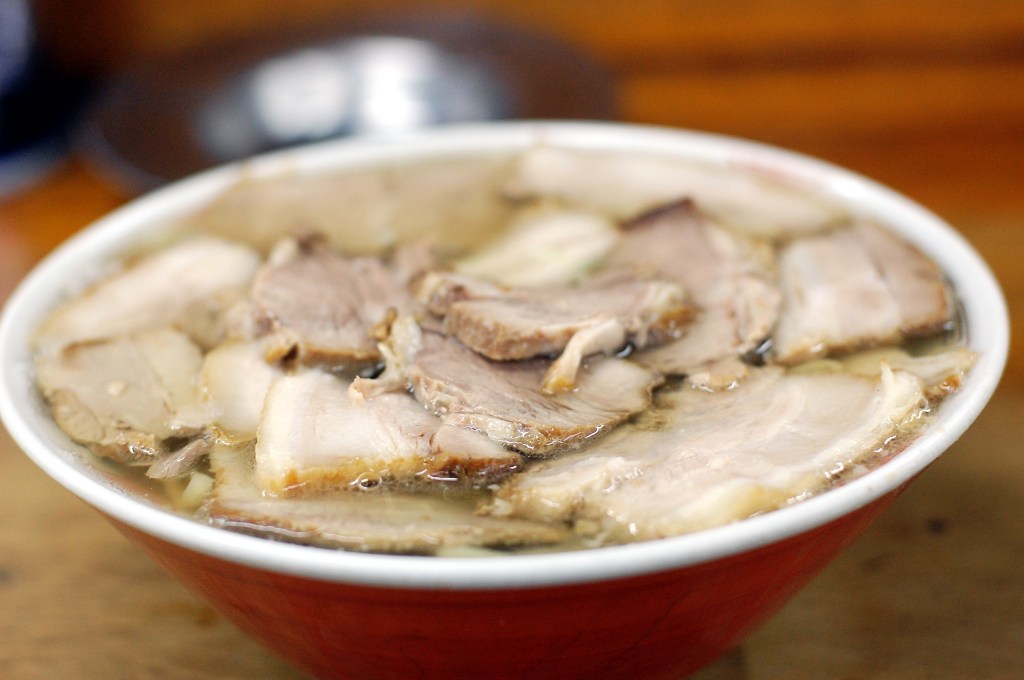
- Kitakata is also one of the three great ramen towns of Japan, along with Sapporo and Hakata, and it takes the title seriously. There are more than 100 shops, the noodles are thick, flat and curly, the broth is usually a soy base with pork and chicken, and many shops open in the morning, because ramen for breakfast is a local habit rather than a tourist stunt.
- The town is one of the Buddhist centres of the old Aizu region, and the temples are not minor. Shingu Kumano Shrine has the Nagatoko, a 44-pillar open worship hall with no walls, and a ginkgo said to be more than 800 years old. Ganjo-ji holds a group of Amida images known as the Aizu Great Buddha, and the whole town has the density of an old religious centre.
- The countryside around it is a separate reason to come. Oguni-numa is a high marsh with one of the largest day-lily colonies in Japan, the Iide range rises behind the town, and the onsen villages of Ashinuma and Nichu sit in the hills to the north. The city is a base for mountains, flowers and hot springs as well as for kura and noodles.
- And the scale is human. Kitakata station is a 15-minute train ride from Aizu-Wakamatsu, the kura streets are a flat 4-kilometre walk or cycle from the platform, and the town can be seen in a day without a car. It combines naturally with Aizu-Wakamatsu and the Bandai plateau.
Top places and highlights
The kura streets of the town centre
The densest concentration of storehouses is along the Retro Yokocho shopping street and the lanes around it, a loop of about 4 kilometres and 20 minutes by bicycle from Kitakata station. The kura here are working buildings and shops rather than exhibits: merchant houses, breweries, storehouses with thick black plaster and white mortar joints, and the odd brick kura among them. Cycling is the practical way to cover the loop, and rental cycles are available in town.
Wakaki Shoten and its brick kura
Wakaki Shoten has been a miso and soy sauce maker since 1755, and its brick storehouse contains a reception room built entirely of striped persimmon wood, from the pillars to the ceiling and the fittings. A brick kura with a wooden interior of that quality is rare, and it is one of the stops on the town’s kura route. It is a working shop, so opening hours and access to the interior should be checked locally.
Kitakata Ramen Museum and Ramen Shrine
The museum occupies a converted Edo-period shop storehouse and explains the history of the town’s ramen, the noodles, the broth and the shops. It also has a small shrine, the Ramen Shrine, with a knotting ritual for good connections, which is the kind of thing the town does without irony. It is a short stop on the kura loop and a good introduction before lunch.
Kura no Sato
Kura no Sato is an open-air collection of relocated storehouses and farmhouses on a 4,500-square-metre site, with a shop storehouse, a miso brewery, grain storehouses, a guest-room kura and the thatched houses of village headmen. It is the place to learn how a kura is built before walking the town, and it has free guided tours if you ask, with a request three days ahead for groups. Admission is 400 yen for adults and 200 for school pupils, open from 9:00 to 17:00 with last entry at 16:30, closed from 29 December to 3 January, with 117 car spaces.
Shingu Kumano Shrine and the Nagatoko
The shrine was founded in 1055, and its worship hall, the Nagatoko, is a national Important Cultural Property: 44 thick round pillars in five rows, no walls and no doors, a building in the style of a Heian aristocratic hall left open to the air. The great ginkgo in the grounds is said to be more than 800 years old and turns the precinct gold in mid November. Admission is 300 yen for adults, 200 for high school students and free for junior high and younger, open from 8:30 to 17:00, with the treasure hall limited to weekends and holidays from December to March.
Oguni-numa
Oguni-numa is a high marsh at about 1,000 metres on the border with Kitashiobara, formed in the caldera of Mount Nekoma, and its day-lily colony is the densest in Japan by area. The flowers usually peak from late June to early July, though 2026 ran early in mid June, and the marsh has about 300 species of alpine plants and a boardwalk. Access in flower season is controlled, and in 2026 the Kanazawa Pass shuttle from the Kitakata side was suspended after a landslide, so check the current arrangements before setting out.
Ganjo-ji and the Aizu Great Buddha
Ganjo-ji, founded in 1227, holds a group of Amida images designated as national Important Cultural Properties, with the main image about 2.64 metres tall, which is why the set is called the Aizu Great Buddha. The temple is one of the anchors of Kitakata’s reputation as a Buddhist town, and it is a quiet stop rather than a crowded one. The temple is a quiet working parish, and the visit fits naturally with the kura streets and the town’s other temples.
Ashinuma and Nichu Onsen
North of the town, the Ashinuma and Nichu springs are the old cure resorts of the Aizu interior. Ashinuma is about 65.5 degrees and high in salt, known as a bath for child-bearing, with a small streetscape, a temple and a huge cedar; Nichu is iron-rich and brown, and slightly cooler. Both have inns and public bathing, and they are the place to stay if you want the hot spring rather than the town hotel.
Food and drink
- Kitakata ramen is the reason many people come, and the local style is specific: thick, flat, curly noodles, a soy-based broth with pork and chicken, and a generosity with the toppings. The town has more than 100 shops, and the local association publishes a map. Many shops open early and close when the stock runs out, so lunch is safer than dinner.
- Morning ramen is a real habit here, not a gimmick. Several shops open at 7 or 8 in the morning and serve commuters and travellers before work, and trying it is the most local thing a visitor can do. The classic order is a simple soy ramen with sliced pork and a boiled egg.
- The town is a brewing town as well as a noodle town. Miso, soy sauce and sake have been made here for centuries, and the water from the Iide range is the reason. The shops on the kura streets sell the local miso, the soy sauce and the sake, and a bottle from a Kitakata brewery is a better souvenir than a ramen keyring.
- Outside the town, the food changes with the district. Yamato is soba country, with cold soba and a new-soba festival in autumn, and the onsen villages serve set meals built on mountain vegetables, river fish and local rice. The Aizu region’s pickles and dried fish are the things to buy at the station.
Getting there and around
- Kitakata station is on the JR Banetsu West line, about 15 minutes from Aizu-Wakamatsu and roughly 85 minutes from Koriyama, where the Tohoku Shinkansen stops. From Tokyo it is about 85 minutes to Koriyama plus 85 minutes on the local line, and the ride through the Aizu basin is part of the trip.
- By car, the Banetsu Expressway and the Aizu-Jukan North road bring you to the Kitakata interchange, and the town centre is a short drive from it. Aizu-Wakamatsu is about 30 minutes, and the Bandai plateau and Urabandai are about an hour.
- The town centre is flat and the kura loop is about 4 kilometres from the station. Rental bicycles are the best way to cover it, and the walk is manageable if you take the streets in one direction and return by a different route.
- Kura no Sato has 117 ordinary car spaces and bus parking, and the town’s sights have small car parks. The shrine at Shingu has parking including buses, but the lane to it is narrow, and the Oguni-numa approaches have seasonal restrictions.
- A car is needed for Oguni-numa, the onsen villages and the Iide trailheads. The town itself is car-free friendly, and the combination of train to Kitakata and rental cycle is the simplest way to see the kura.
Where to stay
- Kitakata has business hotels and small inns near the station, which suit a one-night stop on the Aizu circuit. The town is quiet in the evening, and the hotels are practical rather than atmospheric.
- The Ashinuma and Nichu onsen villages north of the town have traditional inns with their own springs, and staying there is the better choice if the bath matters. Ashinuma’s high-salt water and Nichu’s iron-rich water are completely different experiences.
- Aizu-Wakamatsu, 15 minutes by train, has the widest range of hotels and the castle, and it works as a base for both towns. Urabandai and the Bandai plateau have mountain lodges for the summer and ski season.
Best time to visit
- Spring is the season of the kura streets and the shrine, with the town’s trees in flower and the mountains still holding snow. The ginkgo at Shingu is green, and the town is quiet before the summer.
- Summer is the season of Oguni-numa, with the day lilies from late June to early July and the marsh at its most colourful. The town is warm but not oppressive, and the onsen villages are a cool escape from the basin heat.
- Autumn is the best season for the town. The ginkgo at Shingu turns gold in mid November, the kura streets are at their best in clear light, and the Yamato soba harvest and the food events fill the weekends. It is the season to book ahead.
- Winter is cold and snowy, with the kura streets quiet and the ramen shops full. The shrine’s treasure hall opens only at weekends and holidays from December to March, and the mountain roads and Oguni-numa are closed or difficult.
Practical tips
- Eat ramen early. The famous shops open in the morning and close when they run out, and the queue at lunch can be long. Morning ramen is the local habit and the easiest way to avoid the crowd.
- Rent a bicycle at the station. The kura loop is 4 kilometres and flat, and cycling lets you see the back streets where the storehouses are actually used. Walking is possible, but the loop is longer than it looks.
- Go to Kura no Sato first if you want to understand what you are seeing. The relocated buildings explain the construction and the history, and the town’s streets make more sense afterwards. Admission is 400 yen and the car park is free.
- Check the shrine’s winter hours. The Nagatoko is open daily from 8:30 to 17:00, but the treasure hall is limited to weekends and holidays from December to March, and the ginkgo is at its best in mid November.
- Check the Oguni-numa access before you go. The flower season brings restrictions, and in 2026 the Kitakata-side shuttle was suspended after a landslide. The marsh is not a place to arrive at without checking the current route.
- Do not skip the town’s Buddhist sites. Ganjo-ji and the other temples are the reason Kitakata calls itself a Buddhist town, and they are quiet and close to the kura streets. The combination is what makes the town more than a ramen stop.
- Stay for the evening or go back to Aizu-Wakamatsu. Kitakata is quiet at night and the restaurants close early, and the 15-minute train to Aizu-Wakamatsu gives you the castle town’s evening as well.
Suggested day-trip outline
- Arrive at Kitakata station in the morning and have ramen for breakfast at one of the early-opening shops. Rent a bicycle and ride the 4-kilometre kura loop, stopping at Wakaki Shoten, the Ramen Museum and the shops along the Retro Yokocho street.
- Ride or drive to Kura no Sato for the relocated storehouses and the explanation of how the town was built, then return to the centre for the temples and the old merchant streets. Have a late lunch or a coffee in one of the converted kura.
- In the afternoon, drive to Shingu Kumano Shrine for the Nagatoko and the ginkgo, then continue to Ganjo-ji if time allows. Return to the station or stay the night in the town.
- On the second day, drive north to Ashinuma for a bath and the onsen streetscape, or head to Oguni-numa in flower season for the marsh and the day lilies. In winter, replace the marsh with a longer soak and the town’s indoor sights.
- If you have a third day, use Kitakata as a base for Aizu-Wakamatsu and the Bandai plateau, or for the Iide trailheads. The town is small, and its value is as the quiet centre of a much larger circuit.
Before you go
Timetables, fares, admission fees, and seasonal access rules can change. Check the official tourism and transport sites linked below for the latest information before you travel.
Explore More of Japan
Published guides that pair with this one:
- Aizu-Wakamatsu Castle Travel Guide: Tsuruga Castle and the Castle Town
- Urabandai and Goshikinuma: Fukushima’s Coloured Lakes
- Ouchi-juku Travel Guide: A Thatched Post Town in Fukushima
- Tono Travel Guide: Folktales, Farmhouses, and the Iwate Countryside
- Aquamarine Fukushima Travel Guide: Highlights, Access, and Planning
- Hachimantai Travel Guide: Iwate’s Volcanic Highlands
- Kaminoyama Onsen Travel Guide: Yamagata’s Castle-Town Hot Spring
- Oga Peninsula and the Namahage Travel Guide: Highlights, Access, and Planning
- Mount Osore Travel Guide: Aomori’s Volcanic Gateway to the Afterlife
Browse every Tohoku guide on this site for the rest of the region.
Sources
- city.kitakata.fukushima.jp (checked 2026-11-04)
- city.kitakata.fukushima.jp (checked 2026-11-04)
- city.kitakata.fukushima.jp (checked 2026-11-04)
- furusatosinkou.co.jp (checked 2026-11-04)
- kuranokai.jp (checked 2026-11-04)
- kitakata-kanko.jp (checked 2026-11-04)
- gurutto-aizu.com (checked 2026-11-04)
- kitakata-citypr.jp (checked 2026-11-04)


Leave a Reply