A practical English guide to Mount Moiwa in Sapporo: the ropeway, the night view, the trails and access from the city.
Operational details such as opening hours, admission fees, and train times can change. Prefer official pages and reconfirm before you travel (sources checked on 05 November 2026).
Why visit
- Mount Moiwa is the low, forested mountain on the southern edge of Sapporo, and it is the city’s best viewpoint. The summit is 531 metres above sea level, close enough to the centre that the whole grid of streets, the towers and the mountains beyond are laid out below, and far enough that the air is clean and the city is quiet. It is the place the people of Sapporo take visitors, and the night view is the reason.
- The view is rated as one of the three great night views of Japan, along with Hakodate and Nagasaki, and the city lights spread across the plain towards the Sea of Japan and the mountains. In winter the snow on the roofs and the streets adds a second layer to the lights, and the air is at its clearest on the cold nights. In summer the same view comes with a long twilight and a warm wind.
- The mountain is reached by a ropeway and a small cable car, and the ride itself is part of the visit, with the forest and the town passing below. The summit has an observation deck, a restaurant, a small planetarium and a bell that couples ring, and the facilities are good without being intrusive. There are also hiking trails up the mountain, and the forest is quiet and green in summer and autumn.
- Moiwa is a half-day, and it combines with the city’s other sights: the seafood market, the beer museum, the Odori park and the Susukino district. It is also a good first evening in Hokkaido, because the view explains the shape of the city and the mountains around it.
Top places and highlights
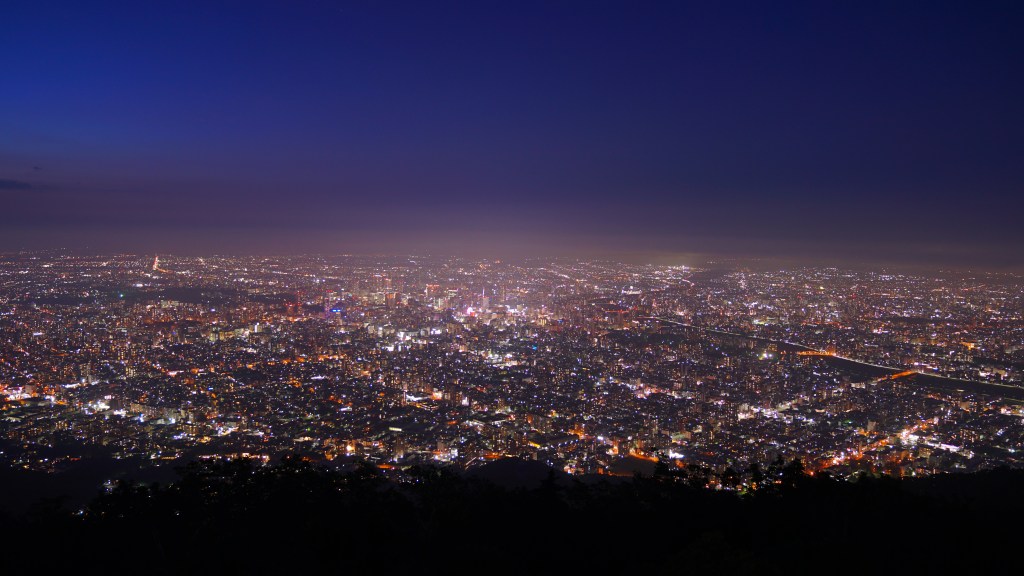
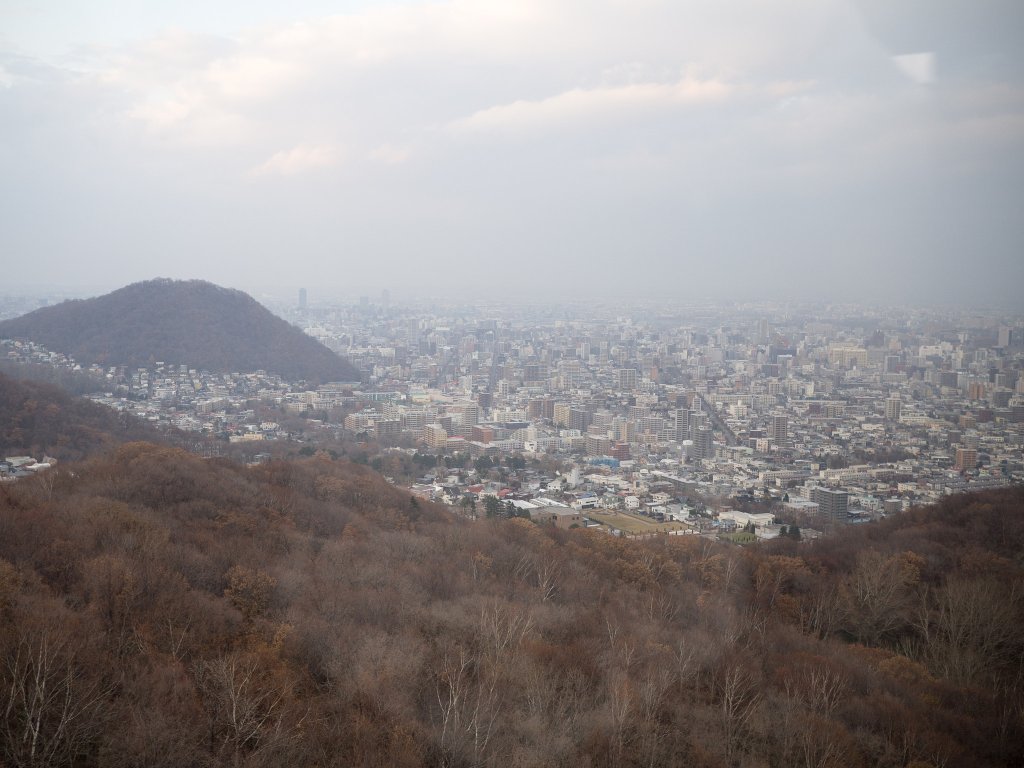
The night view
The city lights spread across the Ishikari plain from the observation deck, with the grid of streets, the rivers, the towers and the mountains in the distance, and the effect is a wide, glittering carpet rather than a single skyline. The deck has a low glass wall and a terrace, and the view is unobstructed in every direction. The best time is about half an hour after sunset, when the sky is still blue and the lights are on, and the crowd is manageable on weekdays.
The ropeway and the cable car
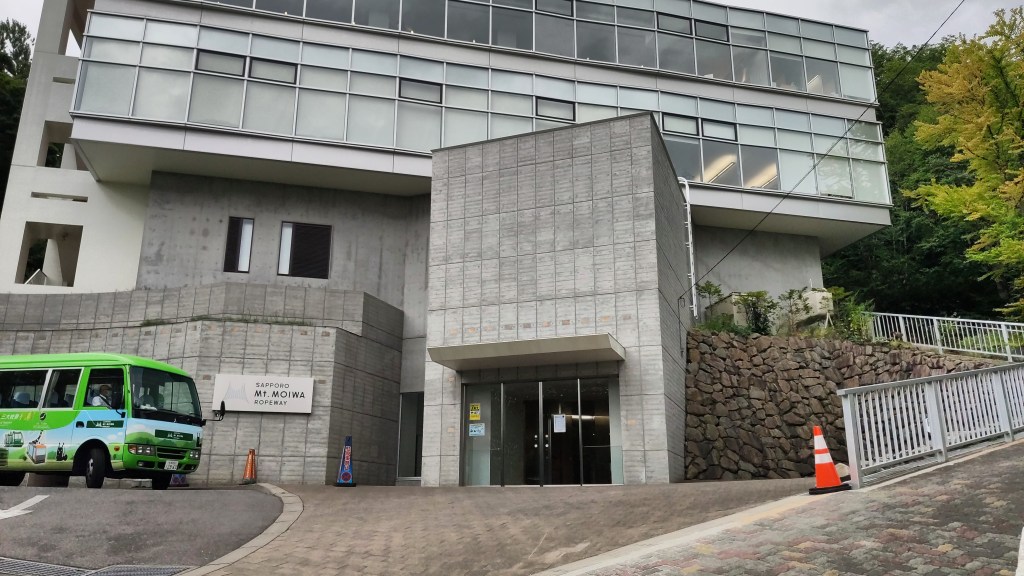
The ropeway climbs from the base station through the forest to a mid-station, and a small cable car continues to the summit, and the two rides give a changing view of the city and the trees. The cars are large and the windows are wide, and the forest below is dense and dark. In autumn the colour is visible from the cable, and in winter the snow on the trees is the attraction. The whole ride takes about fifteen minutes.
The summit observatory
The summit has an observation deck, an indoor lounge with windows, a restaurant and a small planetarium, and the facilities are designed to keep visitors comfortable while they watch the view. The deck is open in the season, and the lounge is warm in winter. There is a bell for couples and a small shrine, and the atmosphere is relaxed rather than commercial. Allow an hour at the top.
The day view and the mountains
In daylight the view shows the shape of Sapporo: the grid of streets, the green of Odori park, the river, the port and the mountains of the Shakotan and the Daisetsuzan ranges. On clear days the Sea of Japan is visible in the distance, and the scale of the plain is the surprise. The afternoon light is good for photographs, and the sunset is the transition to the night view.
The forest trails
The mountain has a network of walking trails through the forest, from the base to the summit, and they are quiet and green in summer and golden in autumn. The main trail takes about an hour and a half, and the paths are well marked and steep in places. The forest is mixed, with oak, birch and conifer, and the birds and the squirrels are common. It is a good alternative to the ropeway.
The winter snow
In winter the mountain is covered in snow, and the ropeway and the summit become a cold, clear viewpoint over a white city. The trees are heavy with snow, the air is sharp, and the lights of the city come on early in the afternoon. The summit is colder than the centre by several degrees, and the wind is strong, so warm clothes and boots are essential. It is the best season for the clarity of the view.
The city below
The view from Moiwa makes sense of Sapporo: the grid of streets laid out in the nineteenth century, the green spine of Odori park, the river and the mountains that ring the plain. It is a good introduction to the city before you walk it, and it explains why the beer museum, the market and the old government buildings are where they are. Go up early in your stay, and the rest of the city is easier to read.
Food and drink
- The summit restaurant serves simple meals, soups and drinks with the view, and the prices are higher than in the city but not unreasonable.
- Sapporo is the place for a proper meal: the soup curry, the ramen, the seafood of the market and the grilled lamb of the beer gardens, and the city is twenty minutes away.
- The base station has a cafe and a shop, and the hot drinks are welcome after the cold at the summit.
- The Susukino district has the widest choice for dinner, with the izakaya, the ramen shops and the seafood restaurants.
- In winter the city’s miso ramen and the hot soup curry are the right food after a cold evening on the mountain.
Getting there and around
- The ropeway base station is in the south of Sapporo, about twenty minutes by tram and bus from the centre, and the route is straightforward.
- The tram to Ropeway-iriguchi and the bus to the base station is the public transport route, and the whole trip from the station takes about forty minutes.
- By car, the mountain is close to the city and the national roads, with a car park at the base station. The drive takes about twenty minutes from the centre.
- The ropeway and the cable car run through the day and into the evening, and the last descent is after the night view.
- From New Chitose airport, the train and the tram take about an hour and a half, and a taxi from the centre takes about twenty minutes.
Where to stay
- The hotels in the centre of Sapporo are the practical base, with the full range of prices and easy access to the tram for the mountain.
- The hotels in the Susukino district are close to the restaurants and the nightlife, and they are a short tram ride from the ropeway.
- The hotels in the south of the city are quieter and closer to the mountain, and they suit a short stay.
- The onsen inns outside the city, towards Jozankei, offer outdoor baths and quiet rooms, and they are within an hour by car.
Best time to visit
- Summer, from June to August, has long evenings and a warm wind, and the night view comes late. The trails are green and the mountain is at its busiest.
- Autumn, from September to October, is the best season for the day view, with clear air and colour in the forest, and the city lights are sharp.
- Winter, from December to February, is the best season for the night view, with the snow, the clear air and the lights coming on early.
- Spring arrives late, with the snow melting in April and the forest greening in May. The mountain is quiet and the air is clear.
- The rainy season is not pronounced in Hokkaido, but the summer can be cloudy. Check the weather and the ropeway status before going up.
Practical tips
- Go about thirty minutes before sunset and stay for the lights. That is the best light of the day.
- Check the weather and the wind. The ropeway stops in strong wind, and cloud can hide the view.
- Dress warmer than you think. The summit is several degrees colder than the city.
- Take the ropeway up and walk down, or the reverse, if you want the forest as well as the view.
- Buy the ticket before the sunset crowd. The queue builds in the half hour before dark.
- Combine the mountain with the seafood market and the beer museum for a full day in the city.
Suggested day-trip outline
- Afternoon: tram and bus to the ropeway base, and the ride up to the summit.
- Late afternoon: the day view over the city and the mountains, and the forest trails if there is time.
- Sunset: the transition from daylight to the lights, with the camera ready.
- Evening: the observation deck and the summit restaurant, then the ride down.
- Night: dinner in Susukino, with the ramen or the soup curry.
- Alternative: a morning walk up the trail and the ropeway down, then lunch in the city.
Before you go
Timetables, fares, admission fees, and seasonal access rules can change. Check the official tourism and transport sites linked below for the latest information before you travel.
Explore More of Japan
Published guides that pair with this one:
- Sapporo Travel Guide: Food, Parks, and a Hokkaido Base
- Otaru Travel Guide: Canal Warehouses, Seafood, and a Day Trip from Sapporo
- Hakodate Travel Guide: Night Views, Morning Market, and Southern Hokkaido
- Jozankei Onsen Travel Guide: Sapporo’s Hot Spring Valley
- Sapporo Beer Museum Travel Guide: Highlights, Access, and Planning
Browse every Hokkaido guide on this site for the rest of the region.
Sources
- sapporo-dc.co.jp (checked 2026-11-05)
- city.sapporo.jp (checked 2026-11-05)


Leave a Reply