A practical English guide to the Omiya Bonsai Village in Saitama: the nurseries, the museum, the craft and access from Tokyo.
Operational details such as opening hours, admission fees, and train times can change. Prefer official pages and reconfirm before you travel (sources checked on 05 November 2026).
Why visit
- The Omiya Bonsai Village is a small district in Saitama, north of Tokyo, where a group of bonsai growers moved after the great earthquake of 1923, and it has been the centre of Japanese bonsai ever since. The village is a quiet grid of houses, nurseries, gardens and workshops, and it is the place to see the craft at its source.
- The village has around a dozen nurseries, some of them run by families in their third or fourth generation, and they display and sell trees of extraordinary age and quality. The Omiya Bonsai Art Museum is the public face of the district, with a collection, a garden and explanations of the techniques, and it is the best introduction for a visitor who does not know the craft.
- Bonsai is not a hobby of miniature trees but a discipline of cultivation and display, and the village shows the whole process: the pots, the tools, the wires, the moss and the years of work. The trees are displayed in the tokonoma, the alcove, and the museum explains the rules of display, the seasons and the species. It is a quiet, precise world, and it rewards attention.
- The village is about an hour from central Tokyo, and it combines with the Omiya park, the railway museum and the shrine, and with the city of Saitama. It is a half-day for a visitor who wants something beyond the standard route, and it is a full day for anyone interested in gardens and craft.
Top places and highlights
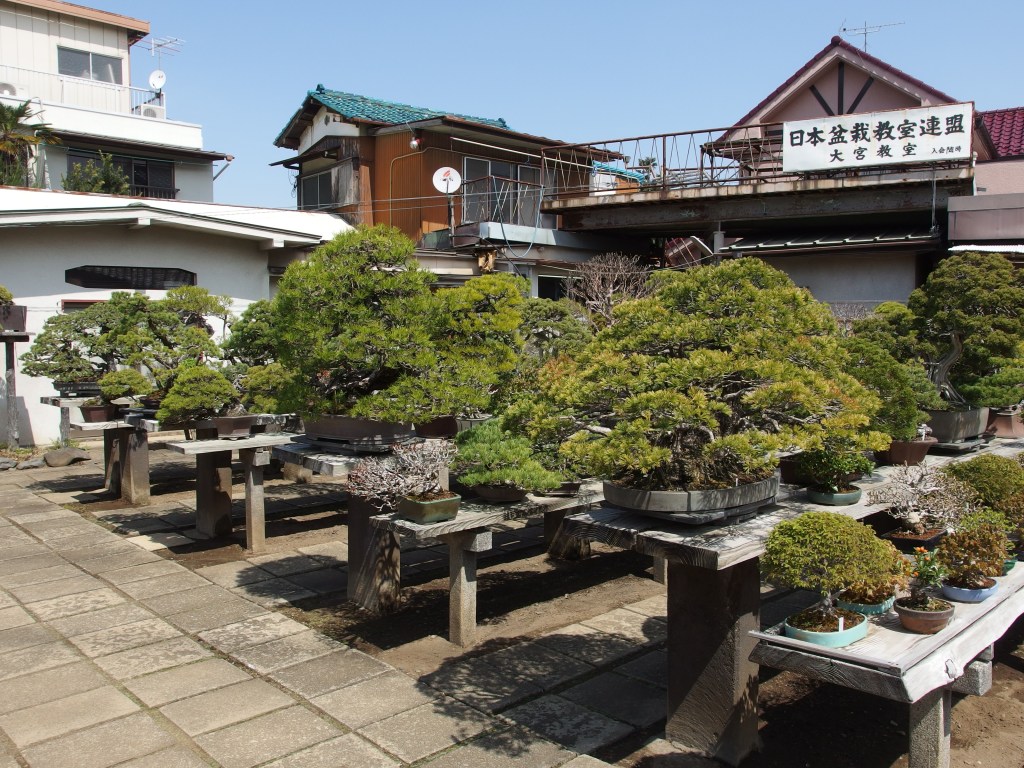
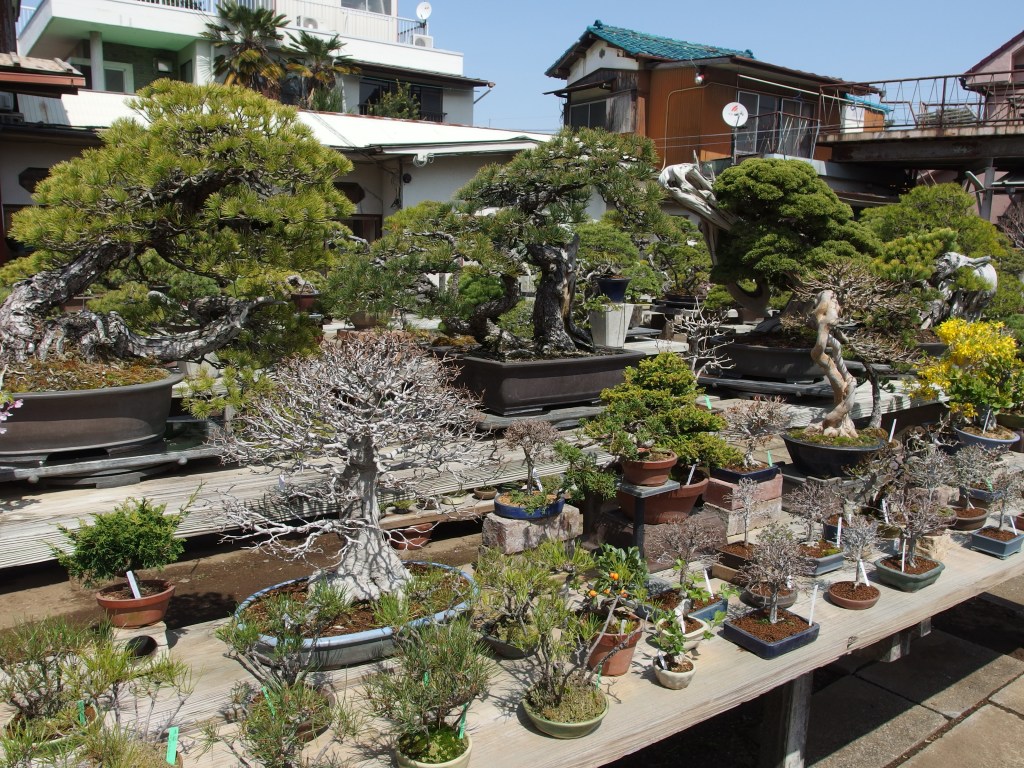
The Omiya Bonsai Art Museum
The museum is the best place to start, with a collection of masterpieces, a garden of display trees and rooms that explain the history, the species and the techniques. The displays change with the season, and the labels are in English as well as Japanese. The garden is a quiet place to sit, and the shop sells pots, tools and books. Allow an hour, and more if you are interested.
The nurseries
The village has a dozen or so nurseries, most of them family businesses, and they display trees in their gardens and greenhouses and sell them to visitors. Some are open every day, some by appointment, and the owners are usually happy to talk. The trees range from small, affordable plants to specimens of great age and price. Walk the lanes and look into the gardens.
The bonsai techniques
The museum and the nurseries show the techniques: the wiring that shapes the branches, the pruning that builds the silhouette, the repotting that controls the roots and the moss that covers the soil. The trees are not grown in small pots from the start; they are collected or grown on and then reduced over years. Understanding the process changes the way you see the trees.
The display and the seasons
The trees are displayed in the alcove, with a scroll, a small ornament and a stand, and the arrangement changes with the season. In spring the blossom and the new green, in summer the cool foliage, in autumn the colour and the fruit, in winter the bare branches and the pine. The museum explains the rules, and the nurseries show them in practice.
The village lanes
The village is a quiet residential district, with low houses, walls, gardens and small signs, and the walk between the nurseries is part of the visit. The lanes are narrow and the pace is slow, and the cats and the potted plants are everywhere. It is a good place to wander without a plan, and the contrast with the city is the point.
The nearby sights
The village is close to the Omiya park, with its shrine and its cherry trees, the Railway Museum with its collection of trains, and the Saitama city centre. The combination makes a full day, and the train connections are quick. The park is a good place for a picnic, and the museum is a hit with children.
The bonsai as a living art
The trees in the village are not antiques but living plants that need water, light and attention every day, and some of them are older than the people who care for them. The craft is passed down within families, and the village is one of the few places where the whole tradition is visible in one small area. It is a lesson in patience as much as in horticulture.
Food and drink
- The village has a few small cafes and restaurants, serving light meals, coffee and sweets, and the choice is limited.
- The Omiya station area has the full range of restaurants, from the department stores to the ramen shops and the izakaya.
- The local specialty is the Omiya noodles and the usual Saitama dishes, and the shops around the station serve them cheaply.
- The museum has a small cafe with a garden view, and it is a good place for a break in the middle of the visit.
- The supermarkets and the convenience stores near the station are useful for a picnic in the Omiya park.
Getting there and around
- The Omiya Bonsai Village is about twenty minutes by bus from Omiya station, and the stop is at the edge of the district.
- Omiya is a major station on the JR lines and the shinkansen, about thirty minutes from Tokyo station and an hour from the airport.
- By car, the village is close to the expressway and the national roads, with parking at the museum and the station.
- The village is walkable, with the museum and the nurseries within ten minutes of each other, and the lanes are flat.
- From Narita airport, the train to Omiya takes about an hour and a half, and the bus is slower but direct.
Where to stay
- The hotels around Omiya station are the practical base, with the full range of prices and easy access to the village and Tokyo.
- The hotels in the centre of Saitama are quieter and cheaper, and they are a short train ride away.
- Tokyo is half an hour away and has the full range of accommodation, and most visitors come as a day trip.
- The guesthouses and the business hotels in the district are simple and clean, and they suit a short stay.
Best time to visit
- Spring, from March to April, is the best season for the blossom and the new green, and the museum displays the seasonal trees.
- Summer is hot and humid, with the village quiet and the nurseries shaded. The mornings are the best time to walk.
- Autumn, from October to November, brings the colour and the fruit, and the displays are at their most rich.
- Winter is cold and clear, with the bare branches and the pines on display, and the village is at its quietest.
- The rainy season runs from early June to mid-July. The museum and the nurseries are the indoor options.
Practical tips
- Start at the museum. It explains what you are looking at in the nurseries.
- Check the opening days. The museum and the nurseries have different schedules, and some close on weekdays.
- Ask before you photograph. The nurseries are private businesses, and some owners prefer not to be photographed.
- Do not touch the trees. The branches are wired and fragile, and the moss is part of the display.
- Allow half a day for the village and the museum, and a full day if you add the park and the railway museum.
- Carry cash. Some nurseries do not take cards, and the small purchases are easier in cash.
Suggested day-trip outline
- Morning: train to Omiya, bus to the village and the bonsai museum.
- Late morning: the nurseries and the lanes, with a stop at the gardens that are open.
- Lunch: a cafe in the village or a restaurant near the station.
- Afternoon: the Omiya park and the shrine, or the railway museum.
- Late afternoon: back to the station and the shops, or a second visit to a nursery.
- Evening: dinner in Omiya, and the train back to Tokyo.
Before you go
Timetables, fares, admission fees, and seasonal access rules can change. Check the official tourism and transport sites linked below for the latest information before you travel.
Explore More of Japan
Published guides that pair with this one:
- Railway Museum Omiya Travel Guide: Highlights, Access, and Planning
- Kawagoe Travel Guide: Warehouse Streets Near Tokyo
- Chichibu Travel Guide: A Mountain Town and a Night Festival
- Tokyo Travel Guide: Neighborhoods, Transport and a First-Timer’s Plan
- Ueno Park Travel Guide: Museums, Ponds and the Old City
Browse every Kanto guide on this site for the rest of the region.
Sources
- city.saitama.jp (checked 2026-11-05)
- gotokyo.org (checked 2026-11-05)


Leave a Reply