A practical English guide to Shiogama in Miyagi: the fish market, Shiogama Shrine on its hill, the sake breweries and the ferry to Matsushima.
Operational details such as opening hours, admission fees, and train times can change. Prefer official pages and reconfirm before you travel (sources checked on 05 November 2026).
Why visit
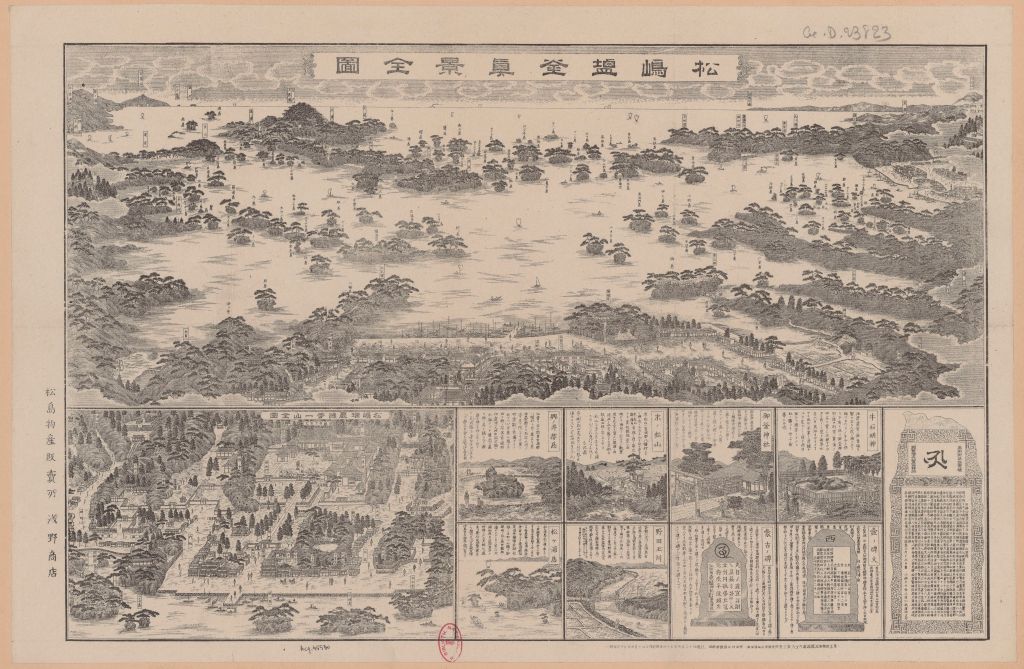
- Shiogama is a fishing port on the Miyagi coast, half an hour from Sendai, and it has been one of the most important harbours in northern Japan since the eighth century, when the provincial capital and its great shrine were established inland at Taga. The name means salt kettle, and the town made salt, landed fish and carried pilgrims across the bay to Matsushima for a very long time.
- Today the reason to come is food and a hilltop shrine. The fish market by the port is one of the largest landing and auction sites in the country, with tuna, bonito, salmon and a great deal of shellfish, and the restaurants around it serve sushi and seafood bowls at prices that make Tokyo look silly. The market is a working place, not a theme, and the early morning is when it is most itself.
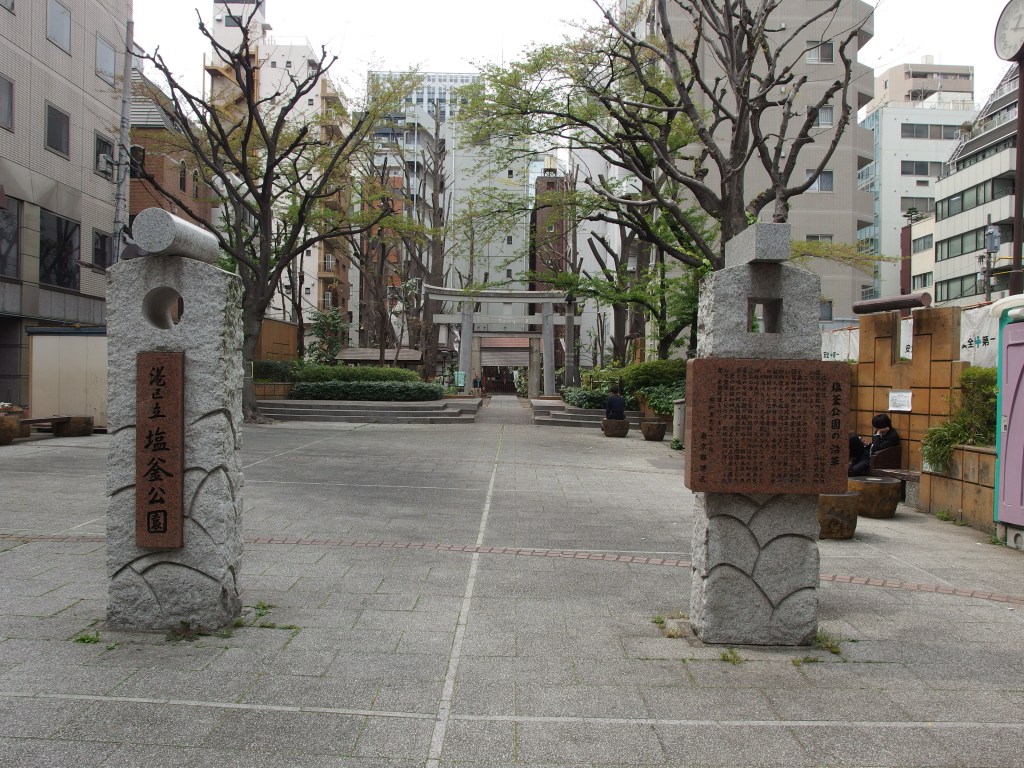
- Above the town, Shiogama Shrine sits at the top of a long flight of stone steps under tall cedar trees, with a main hall that is a designated important cultural property and a view out over the port and the bay towards Matsushima. It is one of the old shrines of the region, connected to the founding of the province, and it is quiet in a way that the more famous coastal sights are not.
- Shiogama is also a sake town, with breweries that use the local water and rice, and it is the departure point for the ferry across the bay to Matsushima. That combination, a fish market breakfast, a shrine climb, a brewery and a boat, makes one of the best half-days in Tohoku, and almost nobody outside Japan plans for it.
Top places and highlights
The fish market
The market is the reason many Japanese visitors come: a working wholesale site where the catch is landed, sorted and auctioned, with rows of stalls and cold rooms rather than a polished tourist hall. You will see tuna being cut, boxes of shrimp and squid, and the blue-and-white uniforms of the buyers. Some areas are open to the public and others are not, and the observation routes change, so follow the signs and stay out of the working aisles. Go early, since the auction and the busiest trading are over by mid-morning.
Sushi and seafood bowls
The restaurants around the market serve what the market lands, and the quality is disproportionate to the price. A seafood bowl, kaisendon, is the easy order: rice under a fan of tuna, salmon, prawn, squid and whatever is best that day, with miso soup on the side. The sushi counters are small, often family-run, and lunch is the meal to aim for. Ask what is local rather than ordering the imported salmon, and try the seasonal fish, which in this part of the coast means bonito in autumn and tuna through the winter.
Shiogama Shrine
The shrine stands on a wooded hill at the end of a long stone staircase, and the climb is part of the visit: mossy steps, stone lanterns, cedars and, near the top, a gate and a main hall with elaborate carving and a roof of weathered copper. The shrine is dedicated to the guardian of the province and has a history that reaches back to the eighth century, and the present buildings are a later rebuilding in the same style. From the terrace the view runs over the roofs of the town to the port and the islands of Matsushima bay, which is one of the best free views in the region.
The sake breweries
Shiogama has a small cluster of breweries that have been making sake for generations, using the soft water of the area and rice from the plains behind the town. Some of them open tasting rooms and shops in the old storehouses, with cedar balls hanging over the door to show a new brew, and a few offer short tours. The style here tends to be dry and clean, which suits the seafood. It is a good way to spend an hour after lunch, and the bottles are easier to carry than a box of fish.
The ferry to Matsushima
Boats leave from the port for Matsushima across the bay, and the crossing is the classic way to arrive at the pine islands from the water rather than the station. The trip is short, and the boats pass close to some of the wooded islets, with gulls following for food. It is a pleasant, slightly touristy crossing, but the view of the islands from the sea is worth it, and it turns two destinations into one loop. Check the timetable, since departures are less frequent outside the main season.
The old streets and the port
The town between the station and the shrine keeps a grid of old streets with wooden shopfronts, stone storehouses and a few temples, and it is quiet enough to walk in half an hour. The port area has the fish market, the ferry terminal and the Marine Gate building, and the waterfront looks across to the islands. It is not a preserved district, and that is part of the appeal: people live and work here, the shutters go up in the morning, and the smell of the sea and diesel is honest.
The view from the hill
Beyond the shrine, paths lead along the ridge through the trees, with occasional openings that look down on the town, the harbour and the bay. On a clear day you can see the islands of Matsushima scattered across the water and the mountains behind Sendai. It is a good place to sit at the end of the afternoon, when the light softens and the town below starts to turn on its lights. Take the upper path rather than going straight back down the steps.
Food and drink
- The seafood bowl is the thing to order, and the market restaurants do it best: rice, a fan of raw fish, a bowl of miso soup and pickles. Ask for the local catch rather than assuming salmon and tuna are the point.
- Sushi here is cheaper and often better than in the cities, because the fish has not travelled. Sit at the counter, order piece by piece, and let the chef tell you what is good that day.
- Shiogama is known for its salt, made by boiling seawater, and the local shops sell it in small bags along with salt-flavoured sweets and crackers. It is a light, useful souvenir.
- Oysters and scallops from the Miyagi coast are on menus from autumn to spring, grilled or raw, and the quality is high. Miyagi produces a large share of Japan’s oysters and the difference is noticeable.
- The town has a handful of cafes and noodle shops around the station for a quick meal, and the sake breweries sell tasting sets. For a full dinner, Sendai is twenty minutes away by train and has far more choice.
Getting there and around
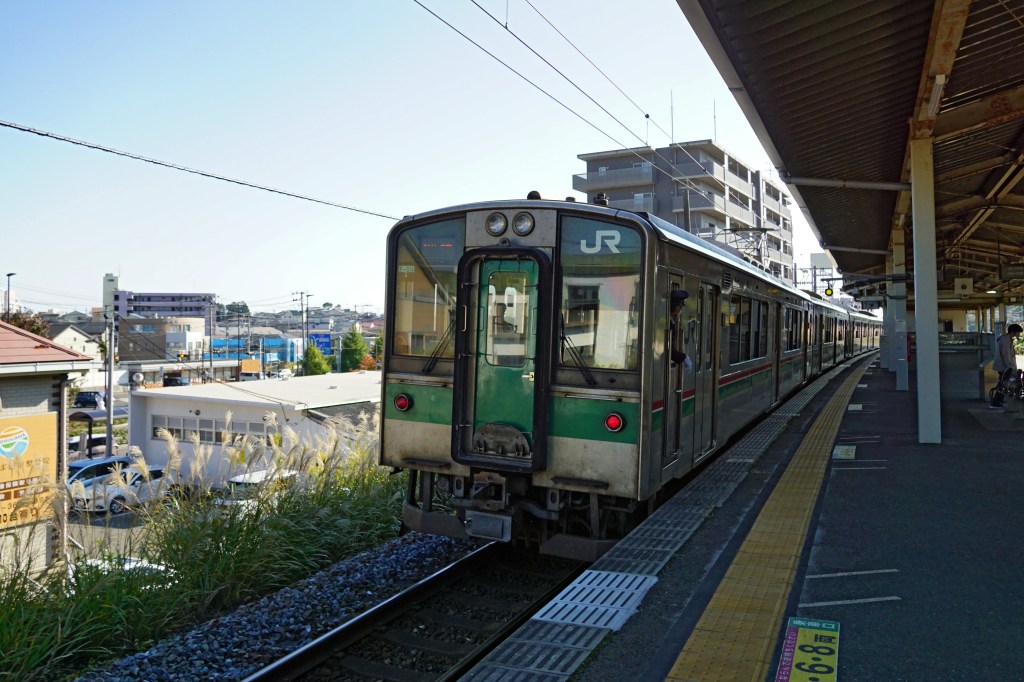
- Shiogama is on the JR Senseki line, about twenty minutes from Sendai station, with trains running along the coast. The station is a short walk from the shrine steps and about fifteen minutes from the fish market and the port.
- From Tokyo, take the Tohoku shinkansen to Sendai and change to the Senseki line. The whole trip is about two hours and a half, which makes Shiogama an easy day out from the city.
- Buses run from the station to the shrine and the port, but the town is small and flat enough to walk. The climb to the shrine is the only real effort of the day.
- For Matsushima, the ferry from Shiogama port is the scenic option, and the JR Senseki line also runs directly to Matsushima-Kaigan station in about ten minutes.
- Driving is easy, with car parks near the port and below the shrine, but the market area is congested in the early morning. Use the train if you are coming for the auction.
Where to stay
- Shiogama has a small number of business hotels and inns, mostly near the station and the port. They are plain and cheap, and they put you within walking distance of the market for an early start.
- Sendai is the practical base, with the full range of hotels, restaurants and transport. The train to Shiogama takes twenty minutes, and the first trains run early enough for the market.
- Matsushima has ryokan and hotels with views over the bay, and it is a good place to stay for a slower trip combining the shrine, the ferry and the islands.
- The hot spring inns further up the coast towards Ishinomaki are quiet and traditional, but a car is needed and the train connections are thin.
Best time to visit
- Autumn, from October to November, is the best time: clear air, good light on the bay and the season for bonito and oysters. The shrine steps are at their best under the turning trees.
- Spring brings cherry blossom in April, and the shrine grounds and the town parks are the local spots for it. The weather is mild and the ferries start running more often.
- Summer is hot and humid, with the town’s port festival in July, when the streets fill with crowds and the harbour is busy. It is also typhoon season, so watch the forecasts.
- Winter is cold and quiet, with clear days and excellent visibility across the bay. The oyster season is at its peak, and the sushi counters are at their best, but some boats run less often.
- The rainy season runs from early June to mid-July. It is not a bad time for the market and the shrine, but the bay views are often hazy.
Practical tips
- Go for the market in the morning. By noon the best of the trading is over and the restaurants may be closing.
- Check the public viewing arrangements at the market before you travel, since access is restricted and changes with the day’s operations.
- Wear shoes for the shrine steps: the stone is worn and slippery after rain, and the climb takes fifteen minutes at an easy pace.
- Carry cash for the market restaurants and the small shops. Many do not take cards.
- Do not buy fish to carry unless you have a cooler and a plan. The market is for eating there, and the souvenirs that travel well are salt, sake and crackers.
- Combine Shiogama with Matsushima by ferry rather than doubling back by train. It makes a full and varied day with only one change of scene.
Suggested day-trip outline
- Early morning: train from Sendai, walk to the fish market, watch the trading from the permitted areas and have a seafood bowl for breakfast.
- Mid-morning: walk through the old streets to the shrine, climb the steps and see the main hall and the view over the bay.
- Lunch: sushi at a counter near the market, or a second bowl if the first was breakfast.
- Afternoon: a sake brewery tasting, then the ferry across the bay to Matsushima, with a walk along the pine islands.
- Evening: train back to Sendai for dinner, or stay in Matsushima and eat at a ryokan.
- Rainy version: the market, the shrine and a brewery, with the ferry dropped and the extra hour spent in a cafe in the old streets.
Before you go
Timetables, fares, admission fees, and seasonal access rules can change. Check the official tourism and transport sites linked below for the latest information before you travel.
Explore More of Japan
Published guides that pair with this one:
- Ginzan Onsen Travel Guide: Historic Hot-Spring Town in Yamagata
- Oirase Gorge Travel Guide: Stream Walks toward Lake Towada
- Lake Towada Travel Guide: Oirase Stream, Autumn Colour and the Calm Side of Aomori
- Matsushima Travel Guide: Pine Islands and a Day from Sendai
- Sendai Travel Guide: Gyutan, Jozenji-dori and the Gateway to Tohoku
- Hirosaki Travel Guide: Castle Park, Cherry Blossoms, and the Old Town
Browse every Tohoku guide on this site for the rest of the region.
Sources
- city.shiogama.miyagi.jp (checked 2026-11-05)
- miyagi-kankou.or.jp (checked 2026-11-05)
- pref.miyagi.jp (checked 2026-11-05)


Leave a Reply