A practical English guide to Suizenji Jojuen in Kumamoto: the miniature Tokaido, the tea house, the seasons and access from the station.
Operational details such as opening hours, admission fees, and train times can change. Prefer official pages and reconfirm before you travel (sources checked on 05 November 2026).
Why visit
- Suizenji Jojuen is a garden in the east of Kumamoto city, laid out in the seventeenth century by the Hosokawa clan as the garden of their villa, and it is one of the finest in Kyushu. It is a stroll garden built around a large pond, with islands, bridges, a hill and a tea house, and it is designed to be walked rather than viewed from a single point.
- The garden’s conceit is that it represents the Tokaido, the road from Kyoto to Edo, in miniature: the pond is the sea, the islands are the landmarks, the hill is Mount Fuji, and the springs that feed the pond come from the volcanic aquifer under the city. Once you know this, the layout makes sense, and the walk becomes a journey rather than a circuit.
- The garden is quiet and shaded, with old pines, moss, stone lanterns and a tea house over the water, and it is at its best in the morning or in the late afternoon. It is a short tram ride from the centre of Kumamoto, and it combines with the castle and the city’s museums.
- Kumamoto is a good base for the surrounding region, with Mount Aso, the Amakusa islands and the hot springs within reach, and the garden is the calm counterpoint to the city’s history.
Top places and highlights
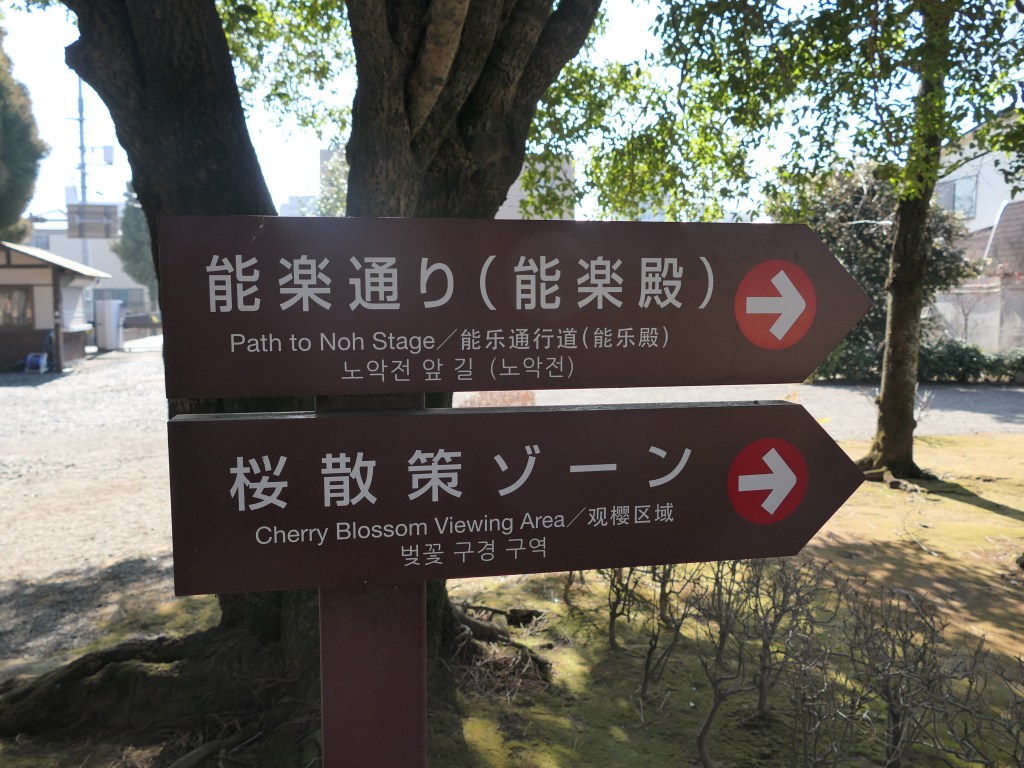
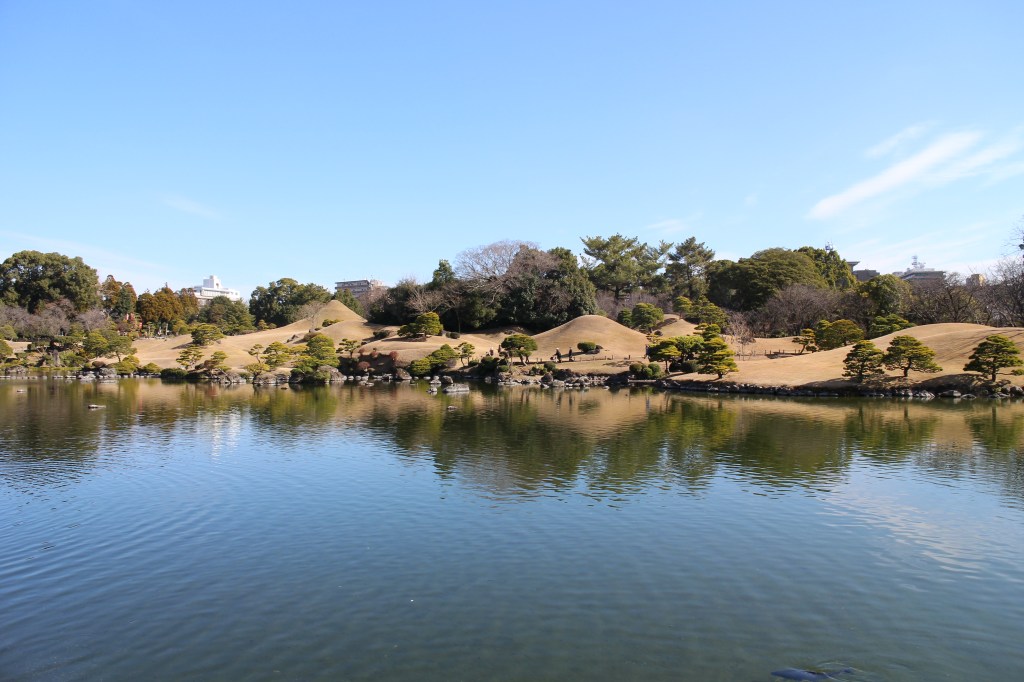
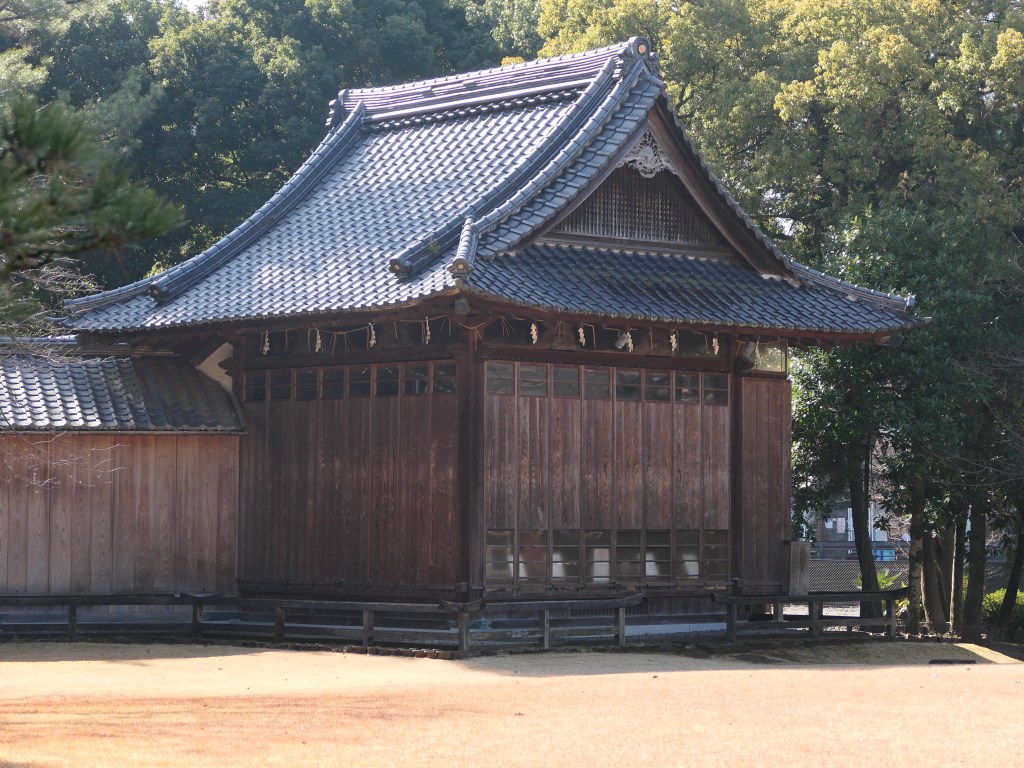
The pond and the miniature Tokaido
The pond is the centre of the garden, with islands, a bridge and a shoreline of stones and pines, and the design represents the Tokaido in miniature, with the hill as Mount Fuji and the islands as the stations and the landmarks of the road. Walk the circuit and look at the shapes: the garden is a map as well as a landscape. The water comes from the springs under the city, and it is clear and cold.
The tea house
The tea house sits over the water at the edge of the pond, with tatami rooms and a veranda, and it serves matcha and the local sweets. It is the traditional way to enjoy the garden, and the view from the veranda across the pond to the hill is the best in the garden. The tea is whisked to order, and the queue is usually short.
The hill and the view
The artificial hill at the back of the garden represents Mount Fuji, and the path to the top gives a view over the pond, the tea house and the city beyond. The climb is short and steep, and the view is the reward. It is the best place to understand the design of the garden and the relationship between the water and the land.
The pines and the moss
The garden is planted with old pines, clipped shrubs and moss, and the paths wind between them, with stone lanterns, bridges and small shrines along the way. The planting is dense and the shade is deep, and the atmosphere is quiet and slightly melancholy. It is the kind of garden that rewards slow walking and looking at the details.
The Hosokawa history
The garden was built by the Hosokawa clan, the daimyo of Kumamoto, and the family’s villa and their collection are part of the city’s history. The Hosokawa museum and the castle are nearby, and they explain the context. The clan was also famous for its tea ceremony and its patronage of the arts, which is visible in the garden’s design.
Kumamoto castle
The castle is a short tram ride away, and it is one of the great castles of Japan, with massive stone walls, a rebuilt keep and a museum. The castle was damaged in the 2016 earthquake and the restoration is ongoing, and the site is a symbol of the city’s recovery. The combination of the castle and the garden makes a full day.
The food of Kumamoto
Kumamoto is famous for its basashi, the raw horse meat, its tonkotsu ramen and its mustard lotus root, and the restaurants around the station and the castle serve them. The food is robust and inexpensive, and the local sake is good. The arcades around the station have the usual chains and the family shops, and the market sells the produce and the sweets. The city is a good place to eat after a day in the garden, and the portions are generous.
Food and drink
- Basashi, the raw horse meat, is the local speciality, served with ginger and soy, and the restaurants around the city serve it as a starter or a sashimi plate.
- Kumamoto ramen is a tonkotsu broth with a strong garlic flavour, and the shops around the station serve it cheaply.
- Karashi renkon is the lotus root stuffed with mustard and fried, and it is the local side dish. It is sharp and unusual, and worth trying.
- The garden’s tea house serves matcha and the local sweets, and it is the right pause in the middle of the walk.
- The city has a wide range of restaurants, from the local specialities to the usual chains, and the arcades around the station are good for a quick meal.
Getting there and around
- Suizenji is in the east of Kumamoto city, about fifteen minutes by tram from the centre, and the tram stop is a short walk from the garden entrance.
- From Kumamoto station, the tram and the bus take about twenty minutes, and the route is straightforward.
- By car, the expressway and the national roads connect the garden with the city and the surrounding region, and there is a car park near the entrance.
- The garden is a short walk from the Suizenji park and the Hosokawa museum, and the castle is a short tram ride away.
- From Fukuoka, the shinkansen takes about forty minutes, and from Kagoshima about an hour. Kumamoto is a natural stop on the Kyushu route.
Where to stay
- The hotels around Kumamoto station and the centre are the practical base, with the full range of prices and easy access to the tram and the restaurants.
- The hotels near Suizenji are quieter and closer to the garden, and they suit a slow stay.
- The hot spring inns in the surrounding area, towards Aso and the mountains, offer outdoor baths and local meals, and they are within an hour or two by car.
- The city is compact and most visitors stay in the centre, within walking distance of the castle, the garden and the food.
Best time to visit
- Spring, from late March to April, is the best time: the cherry trees and the new green, and the garden at its most beautiful.
- Summer is hot and humid, with the garden shaded and the tea house cool. The evenings are long and the city is lively.
- Autumn, from October to November, brings colour to the trees and clear air, and the garden is at its best in the low light.
- Winter is cold and quiet, with the pines and the moss and the pond at its clearest. The garden is empty and peaceful.
- The rainy season runs from early June to mid-July. The tea house and the covered paths make it manageable.
Practical tips
- Go early or late. The garden is at its best in the low light, and the crowds are smaller.
- Take the tea in the tea house over the water. It is the traditional way to enjoy the garden.
- Read about the miniature Tokaido before you go. It turns a pleasant walk into a puzzle.
- Wear shoes you can slip off for the tea house, and dress modestly.
- Combine the garden with the castle and the Hosokawa museum. They are close and they explain each other.
- Carry cash for the tea house and the small shops. Not every place takes cards.
Suggested day-trip outline
- Morning: tram to Suizenji, walk the garden circuit and the hill before the crowds.
- Late morning: tea at the tea house over the pond.
- Lunch: basashi and Kumamoto ramen in the city.
- Afternoon: Kumamoto castle and the Hosokawa museum, or the Suizenji park.
- Late afternoon: back to the garden for the low light, or the arcades for shopping.
- Evening: dinner in the city, and the train to Fukuoka or Kagoshima.
Before you go
Timetables, fares, admission fees, and seasonal access rules can change. Check the official tourism and transport sites linked below for the latest information before you travel.
Explore More of Japan
Published guides that pair with this one:
- Kumamoto Castle Travel Guide: Kato’s Walls and a Rebuilt Keep
- Aso Travel Guide: Volcanic Caldera and Highlands in Kumamoto
- Unzen Onsen Guide: Hot Springs on an Active Volcano
- Yanagawa Travel Guide: Canals, Boat Rides and Eel
- Dazaifu Travel Guide: Tenmangu Shrine and Kyushu’s Old Capital
Browse every Kyushu guide on this site for the rest of the region.
Sources
- suizenji.or.jp (checked 2026-11-05)
- city.kumamoto.jp (checked 2026-11-05)


Leave a Reply