A practical English guide to Itoshima in Fukuoka: the coastal road, the seaside shrines, the oyster huts and access from Hakata.
Operational details such as opening hours, admission fees, and train times can change. Prefer official pages and reconfirm before you travel (sources checked on 05 November 2026).
Why visit
- Itoshima is a peninsula west of Fukuoka city, and it is where the people of Fukuoka go when they want the sea. The coast road runs along the water with mountains behind, the beaches are wide and shallow, and the seafood is landed in the small ports and served in the huts along the shore.
- The most photographed spot is Sakurai Futamigaura, a pair of rocks in the sea joined by a rope and backed by a white torii gate, with the sun setting behind them in summer. It is a shrine site, not just a viewpoint, and the ritual of the rope and the gate gives it a weight that the photographs do not show. It is busy at sunset and almost empty at dawn.
- Beyond the coast, Itoshima has a working countryside of rice fields, strawberry farms, small mountains and old shrines, and it is a good place to eat: the oysters in winter, the seafood in general, and the cafes that have opened in converted houses along the coast road. It is a day trip from Hakata, and it is best with a car or a bicycle.
- The peninsula is also the western end of the Fukuoka plain, with the expressway and the train line along the coast, and the old road through the mountains to Karatsu. It is a place of small pleasures rather than big sights, and that is exactly its appeal.
Top places and highlights
Sakurai Futamigaura
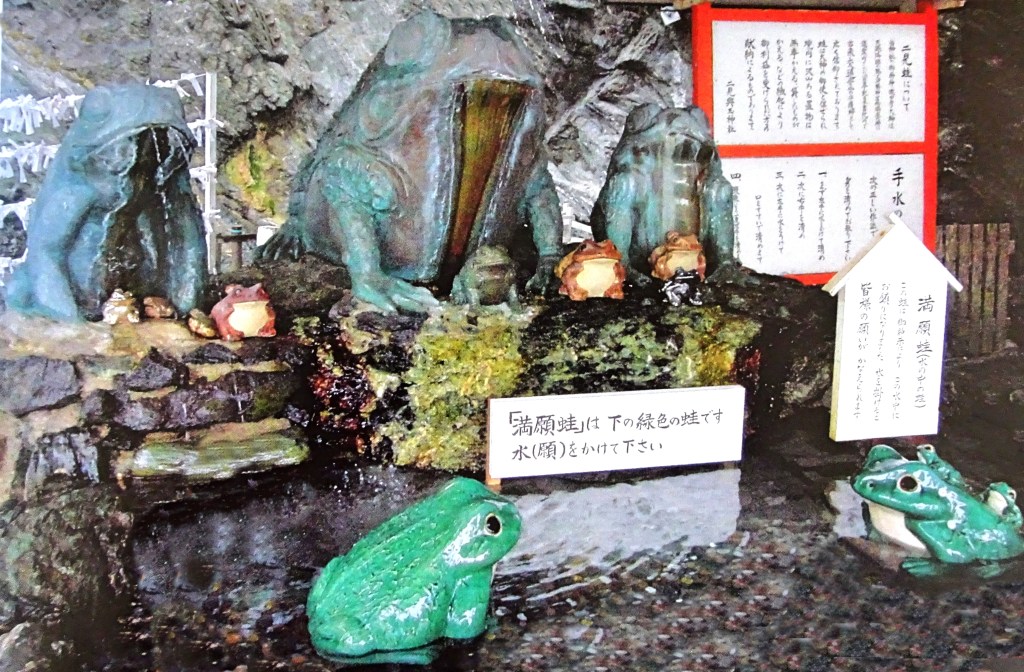
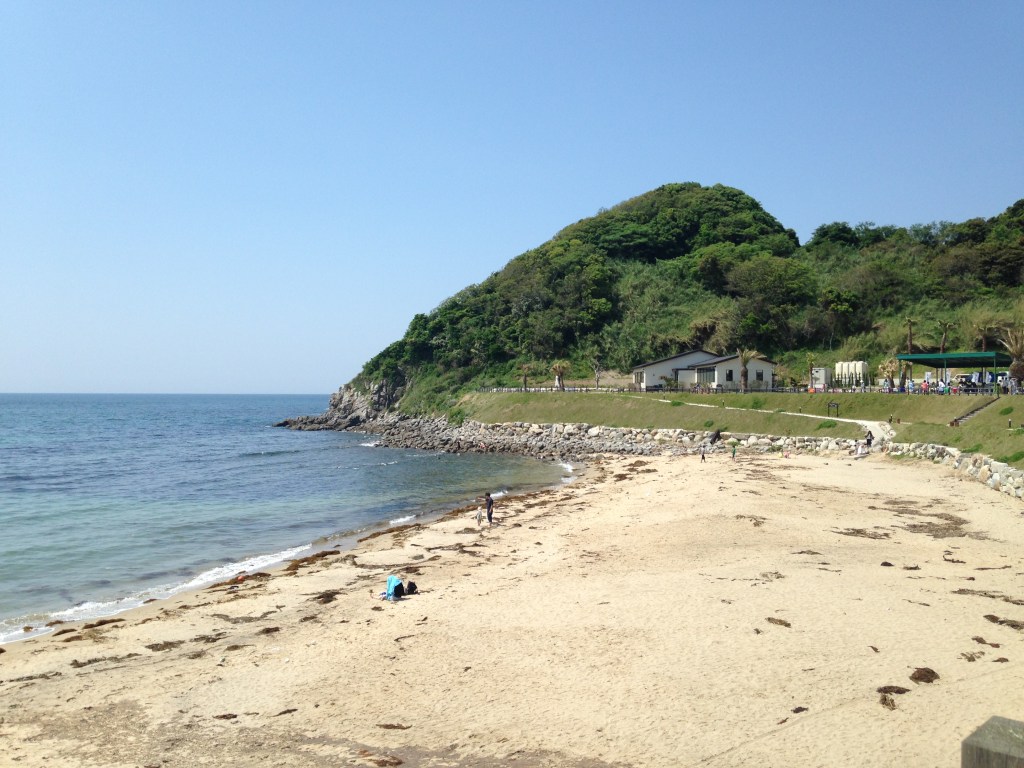
The two rocks stand in the sea just off the beach, joined by a heavy rope of rice straw that is replaced several times a year, with a white torii on the shore behind them. The site is a shrine, and the rocks are the object of worship rather than a scenic prop. At sunset in spring and summer the sun goes down between the rocks, which is when the crowds come. Go at dawn for the quiet, and look at the shrine buildings and the small markers around the site.
The coast road
The road from Maebaru to the tip of the peninsula runs along the sea with beaches, small ports, cafes and fishing huts, and it is one of the best short drives in Kyushu. The beaches at Keya and Nogita are wide and shallow, with views to the islands, and the cafes have terraces facing the water. Stop at the roadside stands for the local produce and the seafood, and take the detours down to the small coves.
The oyster huts
In winter, from about November to March, the oyster huts along the coast open with tables and grills, and you eat oysters and shellfish cooked over charcoal with a view of the sea. It is a local institution, cheap and informal, and the oysters are as fresh as they get. The huts are family operations, and the atmosphere is lively at lunchtime. Bring cash and expect a queue at weekends.
Shiraito Falls
The falls are a short walk from the coast road, a curtain of water about twenty metres high falling over a rock face into a pool, with a shrine and a path along the stream. It is a small site and the walk is easy, and in summer the spray is welcome. The surrounding forest is cool and quiet, and there are a few cafes near the car park.
The shrines and the old road
Itoshima has a number of old shrines along the coast and in the hills, including Takasu and Sakurai, with stone steps, old trees and views over the water. The old road across the mountains to Karatsu passes through the peninsula, and the villages along it have temples, stone bridges and tea fields. A car or a bicycle is needed to reach them, and they are the quiet counterpoint to the coast.
The food and the cafes
Itoshima has become a destination for its cafes and restaurants, many of them in renovated farmhouses and former shops along the coast road, serving coffee, bread, Italian food and the local seafood. The quality is high and the atmosphere is relaxed. The local specialities are the oysters, the seafood, the strawberries in spring and the sake from the small breweries.
The sunsets
The peninsula faces west, and the sunsets over the sea and the islands are the local spectacle. Sakurai is the famous spot, but any beach on the west coast will do, and the cafes time their terraces around the light. In summer the sun sets late and the evening is long, and in winter it goes down early behind the islands. Plan the day so that you are on the coast at that hour.
Food and drink
- Oysters are the winter speciality, grilled over charcoal at the huts along the coast, with shellfish, rice and miso soup. The season runs from about November to March.
- The seafood from the local ports is the other reason to eat here: squid, sea bream, flatfish and the small fish that go into the sashimi and the rice bowls. The restaurants along the coast and in Maebaru serve it simply.
- Itoshima strawberries are famous in Fukuoka, and the farms sell them in spring, along with the picking experiences. They are sweet and expensive, and worth it.
- The cafes along the coast road are a destination in themselves, with coffee, bread, cakes and set lunches in converted houses. The quality is high and the terraces face the water.
- The local sake and the small breweries are worth trying, and the restaurants in Maebaru serve the regional fish and vegetables. The city of Fukuoka is thirty minutes away for a wider choice.
Getting there and around
- Itoshima is west of Fukuoka city, reached by the JR Chikuhi line from Hakata to Maebaru and the coast, or by bus from the city. The train takes about forty minutes to Maebaru, and the coast is a bus or a taxi from there.
- A car is the best way to see the peninsula. The coast road, the beaches, the falls and the shrines are spread out, and the buses are infrequent. Rent a car in Fukuoka or at the airport.
- A bicycle is a good option for the coast road between Maebaru and Sakurai, and there are rental shops near the station. The road is hilly in places but the distances are short.
- From Fukuoka airport, the drive takes about forty minutes, and the train and bus take about an hour and a half. The peninsula is a feasible day trip from the city.
- The old road to Karatsu crosses the mountains at the western end, and the drive is scenic and slow. It is a good route for a loop back to Fukuoka.
Where to stay
- The guesthouses and small hotels along the coast are the best base, with sea views and easy access to the beaches and the cafes. The choice is limited and the good ones book out in summer.
- Fukuoka city has the full range of hotels and is within an hour, which suits a day trip. The trade-off is the drive back in the evening.
- The pensions and minshuku in the hills are quiet and cheap, with home-cooked meals and views over the fields. A car is needed.
- The hotels around Karatsu, at the western end, are a good base for the old road and the pottery towns, and they connect to Itoshima by the mountain road.
Best time to visit
- Winter, from November to March, is oyster season and the best time for the food. The sea is grey and rough, the sunsets are early, and the huts are full at lunchtime.
- Spring brings the strawberries, the first warm days and the cherry blossom in the shrines and parks. The coast is quiet and the light is clear.
- Summer is the beach season, with swimming, cafes and long evenings. The peninsula is at its busiest in August, and the sunset at Sakurai draws crowds.
- Autumn, from October to November, is the best all-round season: mild weather, clear air, good fish and quiet beaches. The rice fields turn gold before the harvest.
- The rainy season runs from early June to mid-July. The coast is green and empty, and the cafes and the falls are good wet-weather stops.
Practical tips
- Rent a car. The peninsula is spread out and the buses are infrequent, and the coast road is the point of the trip.
- Go to Sakurai at dawn or on a weekday. The sunset is beautiful but the car park and the beach are crowded at weekends.
- Eat oysters in winter, at the huts along the coast. Bring cash, and go early for lunch.
- Check the tide and the weather before swimming. The beaches are shallow but the currents can be strong.
- Book the popular cafes ahead or go outside the lunch rush. The good ones have queues at weekends.
- Combine the coast with the mountain road to Karatsu for a full day, and stop at the shrines and the pottery towns on the way.
Suggested day-trip outline
- Morning: train or car from Fukuoka to Maebaru, then the coast road west with a stop at Shiraito Falls.
- Late morning: Sakurai Futamigaura and the shrine, before the crowds.
- Lunch: oysters at a hut in winter, or seafood at a port restaurant in summer.
- Afternoon: the beaches at Keya and Nogita, a cafe with a terrace, and the shrines along the coast.
- Late afternoon: the sunset at Sakurai or another west-facing beach.
- Evening: dinner in Maebaru or back in Fukuoka, or the mountain road to Karatsu for the night.
Before you go
Timetables, fares, admission fees, and seasonal access rules can change. Check the official tourism and transport sites linked below for the latest information before you travel.
Explore More of Japan
Published guides that pair with this one:
- Kokura Castle Travel Guide: A Rebuilt Keep in Kitakyushu
- Fukuoka Travel Guide: Hakata Ramen, Yatai Stalls and a Compact Coastal City
- Karatsu Travel Guide: Pottery, a Castle, and the Saga Coast
- Yanagawa Travel Guide: Canals, Boat Rides and Eel
- Dazaifu Travel Guide: Tenmangu Shrine and Kyushu’s Old Capital
Browse every Kyushu guide on this site for the rest of the region.
Sources
- city.itoshima.lg.jp (checked 2026-11-05)
- crossroadfukuoka.jp (checked 2026-11-05)


Leave a Reply