A practical English guide to Toyama city: the castle park, the glass art museum, the seafood and access from Tokyo and Kanazawa.
Operational details such as opening hours, admission fees, and train times can change. Prefer official pages and reconfirm before you travel (sources checked on 05 November 2026).
Why visit
- Toyama is a city on the Sea of Japan, at the mouth of the Jinzu river, with the Northern Alps rising behind it and one of the deepest bays in Japan in front. It is the gateway to the Tateyama Kurobe route and to the Noto peninsula, but the city itself is worth a day: a castle park, a glass art museum, a lively seafood market and a compact centre that is easy to walk.
- The city was heavily damaged in the war and rebuilt with wide streets and a tram line, and it has a modern, unpretentious feel. The glass art museum is the best in the country, with a collection that ranges from ancient vessels to contemporary work, and the building itself is a reason to visit. The castle park has a reconstructed keep and a moat, and the views from the top take in the mountains and the bay.
- Toyama bay is famous for its seafood, especially the white shrimp, the firefly squid in spring and the yellowtail in winter, and the market near the station serves it at prices that are reasonable for the quality. The city is also a sake town, with breweries in the surrounding towns and a strong local food culture.
- It is an hour from Kanazawa by shinkansen and two hours from Tokyo, which makes it a natural stop on a route along the Japan Sea coast. Most travellers pass through on the way to the mountains, and the city rewards a night.
Top places and highlights
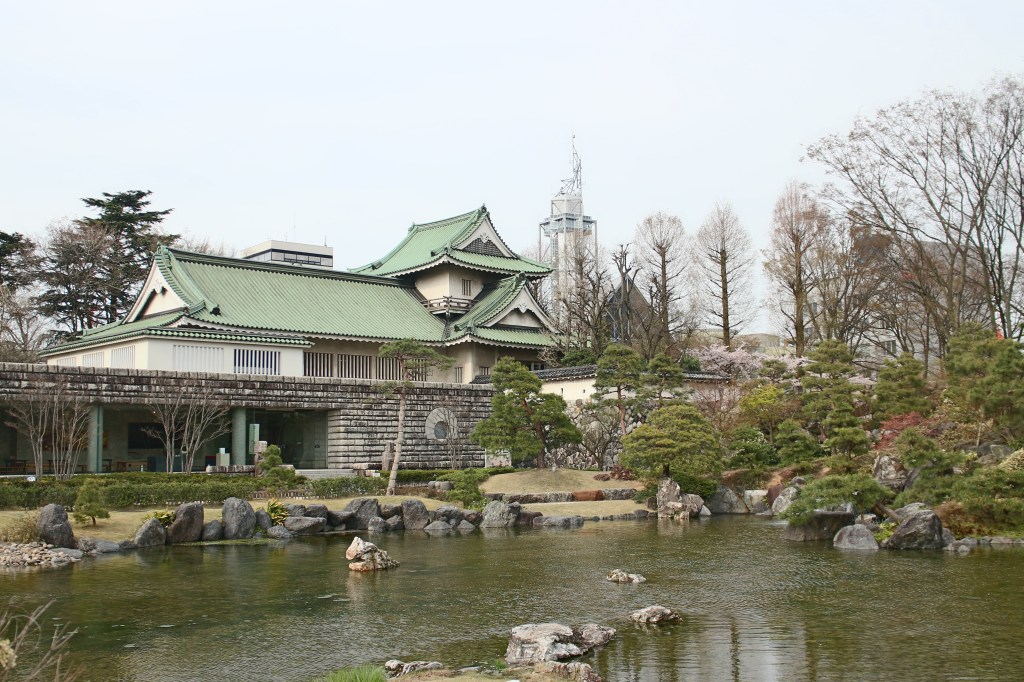
Toyama castle park
The castle sits in a park in the centre of the city, with a reconstructed keep, stone walls and a moat, and the park is the city’s main gathering place. The keep has a museum inside, with displays on the local history and the castle, and the top floor gives a view over the city, the river and the mountains. In spring the cherry trees along the moat are the local spot for hanami, and the park is free to walk.
The glass art museum
The museum has one of the best collections of glass in Japan, from ancient Roman and Islamic vessels to modern and contemporary work, displayed in a series of galleries that are dark, quiet and beautifully lit. The building has a glass ceiling and a staircase that is a piece of art in itself, and there is a shop and a cafe. It is the kind of museum that changes how you look at the material, and it takes two hours at least.
The seafood market
The market near the station is the place to see the catch of Toyama bay: white shrimp, firefly squid in spring, crab in winter, yellowtail and the small fish that go into the local sushi. The stalls sell to the public, and the restaurants inside serve bowls and sushi at prices well below the city’s restaurants. Go in the morning, and eat a seafood bowl for breakfast, which is the local habit.
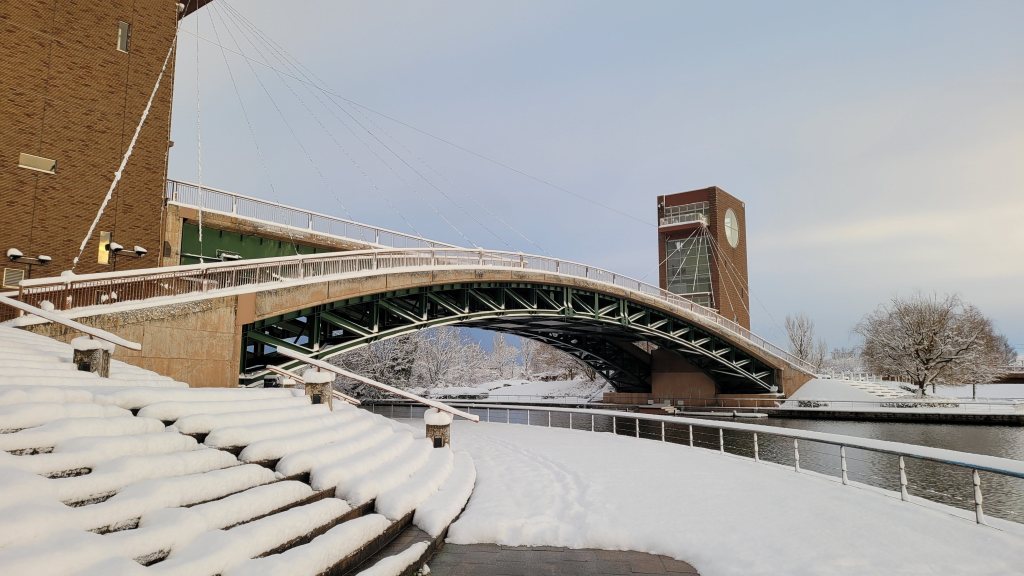
Kansui park and the Tenmonkyo bridge
The park is a wide lawn and canal area near the station, with a ring of cafes, a small marina and a view of the mountains, and it is the city’s best place for a walk or a coffee. The Tenmonkyo bridge is a landmark, and the park hosts events and markets through the year. It is a short walk from the station and free.
The tram and the old streets
Toyama keeps a tram line through the centre, with small vintage cars and a loop around the main sights, and it is a cheap and pleasant way to get around. The streets around the castle and the market have old shops, temples and the traces of the old castle town, and the Iwase area on the coast has a fishing port and a morning market of its own.
The mountains and the Tateyama route
The city is the gateway to the Tateyama Kurobe alpine route, one of the great mountain journeys in Japan, with a cable car, a tunnel and a high plateau of snow and rock. The route is seasonal and takes a full day, and it is the reason many travellers come to Toyama. The lower slopes and the hot springs of Tateyama are accessible for longer, and the views of the Alps from the city are the daily backdrop.
The local sake and the food
Toyama is a sake prefecture, with breweries in the city and the surrounding towns, and the bars around the station carry the local labels. The food is built on the bay and the mountains: fish, rice, mountain vegetables and the local soba. The city is not a gourmet destination in the way that Kanazawa is, but the quality is high and the prices are lower.
Food and drink
- The white shrimp of Toyama bay is the local luxury, served raw as sashimi or in a bowl, and it is sweet and delicate. It is the dish to order if it is on the menu.
- Firefly squid come in spring, served as a whole bowl of tiny glowing squid with a miso dressing, and they are a seasonal speciality of the bay.
- The yellowtail of winter is another local fish, served as sashimi, grilled or in a hot pot, and the winter menus are built around it.
- Toyama’s ramen is a dark soy broth with a strong fish flavour, and the shops around the station serve it cheaply. The local style is called Toyama black.
- The sake from the prefecture is dry and clean, and the bars and the breweries in the surrounding towns pour the local labels. The market also sells the local rice and the mountain vegetables.
Getting there and around
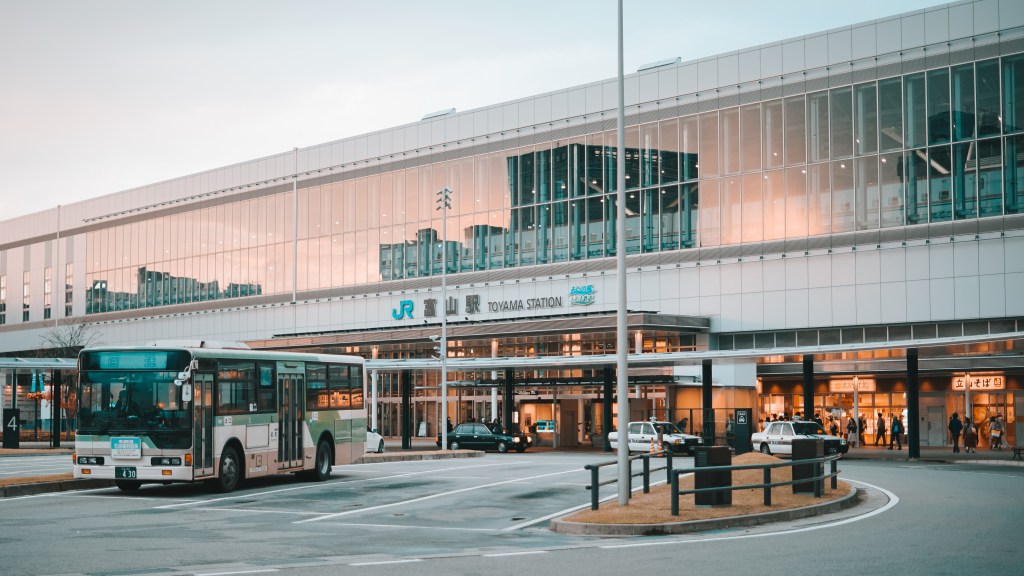
- Toyama is on the Hokuriku shinkansen, about two hours from Tokyo and twenty minutes from Kanazawa, and the station is in the centre of the city. The Hokuriku main line and the local trains connect to the surrounding towns.
- The airport handles domestic flights and a few international routes, with a bus to the station, and the port has ferries to the Noto peninsula and to Hokkaido.
- The city centre is flat and walkable, with a tram line and a good bus network. The castle, the market and the park are within twenty minutes of the station.
- By car, the Hokuriku and Tokai-Hokuriku expressways connect Toyama with Kanazawa, Nagoya and the mountains, and the roads to Tateyama and the Noto peninsula are scenic but seasonal.
- The Tateyama Kurobe route starts at Tateyama station, reached by train from Toyama, and it takes a full day with the cable car and the tunnel bus.
Where to stay
- Hotels around Toyama station are the practical base, with business hotels and a few larger ones within walking distance of the market and the castle.
- The hotels and ryokan in the Tateyama area and at the hot springs on the mountain are a good base for the alpine route, and they offer mountain views and simple meals.
- The Noto peninsula has inns and guesthouses along the coast, within an hour or two by car, and they are a quiet alternative to the city.
- Kanazawa is twenty minutes away by shinkansen and has a wider range of accommodation, but the trade-off is the commute for the market and the mountains.
Best time to visit
- Spring, from April to May, brings the cherry blossom at the castle park, the firefly squid in the market and the opening of the alpine route.
- Summer is warm and humid, with the mountains green and the alpine route at its best. The city is quiet and the evenings are long.
- Autumn, from October to November, is the best all-round season: clear air, good fish, and the colour on the mountains. The alpine route is at its most beautiful before it closes.
- Winter is cold and snowy, with the yellowtail at its best and the mountains white. The city is grey but the food and the sake are at their peak.
- The rainy season runs from early June to mid-July. The museums, the market and the castle are good wet-weather stops.
Practical tips
- Go to the market early. The best bowls and the freshest fish are gone by midday, and some stalls close in the early afternoon.
- Book the alpine route in advance in the peak seasons. The transport is timed and the tickets sell out.
- Use the tram to get around the centre. It is cheap, frequent and more pleasant than the bus.
- Check the closing days of the glass museum and the castle keep. They are the two indoor sights worth planning around.
- Carry cash for the market and the small restaurants. The city is modern but not every shop takes cards.
- Allow a full day for the city and another for the mountains. Toyama is a gateway, and the two are separate trips.
Suggested day-trip outline
- Morning: arrive by shinkansen, walk to the market and eat a seafood bowl for breakfast.
- Late morning: the castle park and the keep, with the view over the city and the mountains.
- Lunch: Toyama black ramen or sushi near the station.
- Afternoon: the glass art museum, then a walk through Kansui park and across the Tenmonkyo bridge.
- Late afternoon: the tram to the old streets and the Iwase area, or a coffee in the park.
- Evening: dinner with the local fish and sake, and the train to Kanazawa or Tokyo, or a night in the city before the alpine route.
Before you go
Timetables, fares, admission fees, and seasonal access rules can change. Check the official tourism and transport sites linked below for the latest information before you travel.
Explore More of Japan
Published guides that pair with this one:
- Gifu Travel Guide: the Castle on the Rock and Cormorant Fishing
- Shirakawa-go Travel Guide: UNESCO Gassho Village, Access, and Day-Trip Tips
- Kanazawa Travel Guide: Kenrokuen and Teahouse Districts
- Takayama Travel Guide: Hida Old Town and Alps Access
- Tateyama Kurobe Alpine Route Travel Guide: Crossing the Japan Alps
- Niigata Travel Guide: Sake, Rice and the Furumachi Quarter
Browse every Chubu guide on this site for the rest of the region.
Sources
- toyamashi-kankoukyoukai.jp (checked 2026-11-05)
- city.toyama.toyama.jp (checked 2026-11-05)


Leave a Reply