A practical English guide to Niigata city: the sake breweries, the rice, the Furumachi dining quarter and access from Tokyo.
Operational details such as opening hours, admission fees, and train times can change. Prefer official pages and reconfirm before you travel (sources checked on 05 November 2026).
Why visit
- Niigata is a port city on the Sea of Japan, the largest on that coast, and it is built on two things: rice and the rivers that carry it. The Shinano and the Agano meet the sea here, the plain behind the city grows some of the most expensive rice in Japan, and the sake made from that rice and the soft snowmelt water is among the best in the country.
- The city is not a classic sightseeing destination, and that is its advantage. There is no single monument to queue for; instead there is a compact centre of arcades, a lively dining quarter in Furumachi, a waterfront with a big museum and a ferry terminal, and a sake culture that is easy to explore because the breweries are close together and the tasting rooms are welcoming.
- Furumachi is the old entertainment district, a grid of narrow streets with restaurants, bars and small izakaya that fill up on weekday evenings with people who work in the city. It is one of the better dining districts in Japan, and the local specialities are the point: noppe, a stew of root vegetables and salmon; tare katsudon, a pork cutlet with a sweet sauce; and the rice itself, which is served everywhere and tastes different here.
- Then there is the water and the coast. The Niigata coast faces west, so the sunsets over the sea are the local spectacle, and the Sado island ferry leaves from the port. In winter the city is grey and wet, with snow on the mountains behind, and the food and the sake are at their best.
Top places and highlights
The sake breweries
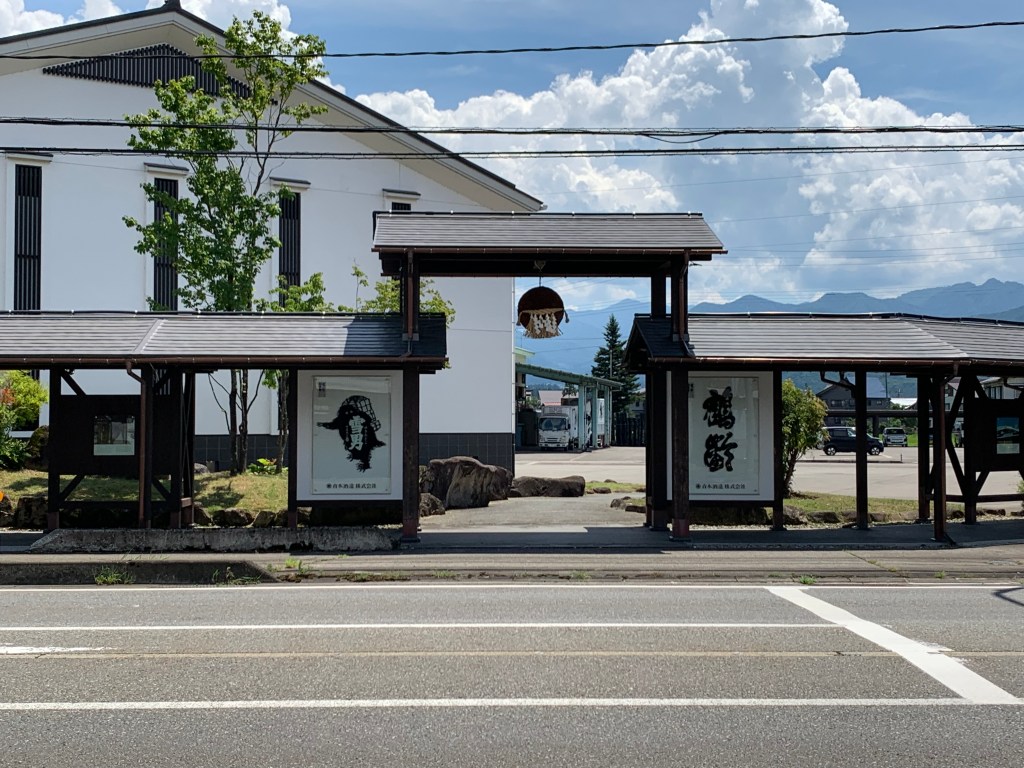
Niigata has more sake breweries than almost any other prefecture, and several of them are in and around the city, with tasting rooms and shops in old storehouses. The style here is dry and clean, the kind the Japanese call tanrei karakuchi, and it is designed to go with fish and rice rather than to be sipped on its own. Visit a brewery for the tour, taste the range from the standard bottle to the daiginjo, and buy a small bottle rather than a large one, since the good stuff does not keep. Some breweries require a reservation, and the harvest season in winter is the best time to see the work.
Furumachi
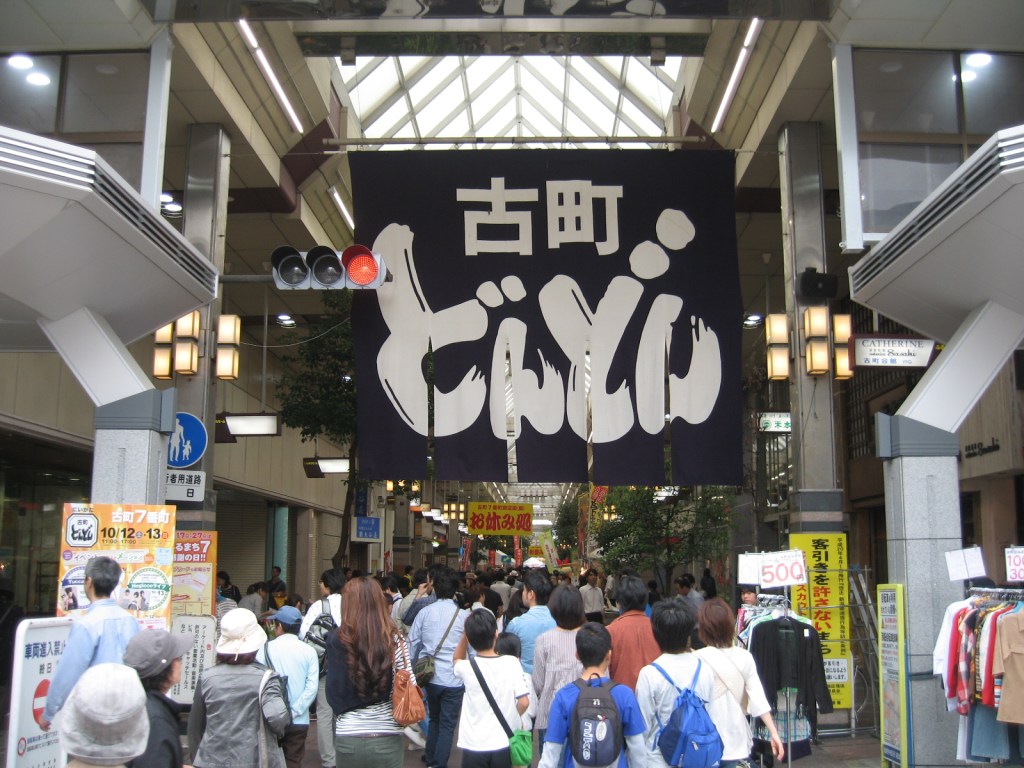
Furumachi is the old pleasure quarter, a grid of narrow streets between the station and the river, and it is where the city eats and drinks. The buildings are a mix of old wooden restaurants and newer bars, and the atmosphere is local rather than touristy: men in suits, groups of friends, and the occasional party spilling onto the street. Walk it after dark, look at the signs and the lanterns, and pick a place with a counter and a short menu. It is the single best introduction to Niigata’s food culture.
The rice and the sake museum
The museum of sake and rice in the city explains the brewing process, the polishing ratios, the role of the water and the history of the industry in the prefecture. There are old tools, barrels, labels and a tasting corner, and the displays make the technical side of sake understandable without being dull. It is a good rainy-day stop and a useful background before you visit a working brewery. Allow an hour.
The waterfront and the ferry port
The port area has been redeveloped with a wide promenade, a market, restaurants and the ferry terminal for Sado island, and it is a good place to walk in the late afternoon. The sunsets over the Sea of Japan are the draw, and the view across the water to the island on a clear day is worth the walk. The market sells fish and local produce, and there are a few cafes with terraces. It is a twenty-minute walk or a short bus ride from the station.
The manga and animation museum
Niigata is the home of several well-known manga artists, and the city museum devoted to comics and animation has original drawings, a reading room and temporary exhibitions. It is small, well designed and genuinely interesting even if you are not a fan, and it explains the industry and the craft rather than just displaying characters. It is a good stop with children, and a good rainy-day alternative to the waterfront.
The food of the Japan Sea
The fish landed here is the reason to eat in the city: yellowtail, sea bream, squid, crab in winter and the small shrimp that the locals call nanban ebi. The restaurants around the port and in Furumachi serve it as sashimi, grilled or in bowls, and the prices are lower than in Tokyo. In winter the crab is the luxury, and the oyster huts and the fish markets are at their busiest.
The surrounding plain
The rice plain behind the city is flat, green and crossed by straight roads and canals, and it is the landscape that produces the rice. In summer the fields are a solid green, in autumn they turn gold before the harvest, and the farm stands sell new rice and vegetables. A drive or a train ride through the plain is a good way to see the working side of the prefecture, and the small towns have temples, storehouses and sake breweries of their own.
Food and drink
- Noppe is the local stew, made with taro, carrots, burdock, konnyaku and salmon or chicken, simmered in a soy broth until thick. It is served in winter and at New Year, and it is the most Niigata dish there is.
- Tare katsudon is the city’s version of the pork cutlet bowl, with a sweet soy sauce rather than the egg and broth of the Tokyo style. The shops around the station serve it, and the sauce is the point.
- The rice is the star. Niigata rice is famous across Japan, and the local restaurants serve it plainly with fish or in rice balls, and the difference is obvious. Buy a small bag at the station to take home.
- Sake from the prefecture is dry and clean, and the tasting rooms and the bars in Furumachi pour the local labels. Ask for a junmai or a honjozo rather than the daiginjo, which is better with food.
- The Japan Sea fish is the other reason to eat here: yellowtail in winter, squid in summer, crab from November, and the small shrimp that are a local delicacy. The market and the port restaurants are the places to try them.
Getting there and around
- Niigata is on the Joetsu shinkansen, about two hours from Tokyo, and the station is in the centre of the city. The airport handles domestic flights and a few international routes, with a bus to the station.
- From the station, the arcades, Furumachi and the waterfront are all within a twenty-minute walk. The city is flat and the streets are wide, and the bus network covers the outer districts.
- The Sado island ferry leaves from the port, a short bus ride from the station, and the crossing takes about two and a half hours on the car ferry or an hour on the jetfoil. It is a good day trip or overnight.
- By car, the Hokuriku and Nihonkai expressways connect the city with Kanazawa, Toyama and the Tohoku region, and the roads across the plain are straight and quiet. A car helps for the breweries outside the centre.
- From Kanazawa, the shinkansen takes about an hour, and from Sendai the expressway and the train take about three hours. The city is a natural stop on a route along the Japan Sea coast.
Where to stay
- Hotels around Niigata station are the practical base, with business hotels and a few larger ones within walking distance of the restaurants and the arcades.
- Furumachi has small hotels and guesthouses within a few minutes of the bars and restaurants, which is convenient if you plan to eat and drink late.
- The hotels near the waterfront and the port have views over the sea and the ferry terminal, and they are quieter than the station area. The sunsets are the reason to pay for a higher floor.
- The hot spring inns in the surrounding mountains, towards Iwamuro and the Gozu area, offer outdoor baths and kaiseki dinners, and they are within an hour by car or train.
Best time to visit
- Winter, from December to February, is the season for crab, sake and the snowy landscape. The city is grey and wet, but the food is at its best and the breweries are working.
- Spring brings cherry blossom in early April, and the parks along the rivers and the castle site are the local spots. The weather is mild and the rice fields are flooded and reflective.
- Summer is hot and humid, with festivals, fireworks and the sea. The coast and the ferry to Sado are at their best, and the evening in Furumachi is long and warm.
- Autumn, from October to November, is the best all-round season: the rice harvest, the new sake, the fish and the clear air. The plain turns gold and the mountains are sharp.
- The rainy season runs from early June to mid-July. The city is quiet and the food is good, and the museums and the breweries are indoor options.
Practical tips
- Book a brewery visit ahead. The good tours fill up, and some of the small breweries only open by appointment.
- Eat in Furumachi rather than at the station. The station has chains, and the old quarter has the real food.
- Try the local sake by the glass rather than buying bottles, since the fresh unpasteurised sake does not travel well.
- Carry cash for the small bars and the market. The city is not set up for foreign cards everywhere.
- Take the ferry to Sado if you have a full day. The crossing is part of the trip, and the island is a different world.
- Check the sunset time and walk to the waterfront in the late afternoon. The west-facing coast is the city’s best free view.
Suggested day-trip outline
- Morning: arrive by shinkansen, walk the arcades and the market, and have a rice and fish breakfast or an early lunch.
- Late morning: the sake museum, then a brewery tour and tasting in the city or a short train ride away.
- Afternoon: the waterfront and the ferry port, with a walk along the promenade and a look at the market.
- Late afternoon: the sunset over the sea, then back to the station area to change for dinner.
- Evening: Furumachi, with noppe, katsudon, sashimi and local sake in two or three small places.
- Second day: the ferry to Sado, or a drive across the rice plain to the small towns and the hot spring inns.
Before you go
Timetables, fares, admission fees, and seasonal access rules can change. Check the official tourism and transport sites linked below for the latest information before you travel.
Explore More of Japan
Published guides that pair with this one:
- Osaka Castle Travel Guide: The Keep, the Park and the Siege That Ended an Era
- Sado Island Travel Guide: Gold Mines, Taiko, and the Sea of Japan
- Kanazawa Travel Guide: Kenrokuen and Teahouse Districts
- Takayama Travel Guide: Hida Old Town and Alps Access
- Gifu Travel Guide: the Castle on the Rock and Cormorant Fishing
Browse every Chubu guide on this site for the rest of the region.
Sources
- city.niigata.lg.jp (checked 2026-11-05)
- niigata-kankou.or.jp (checked 2026-11-05)


Leave a Reply