A practical English guide to Choshi in Chiba: the lighthouse at Inubosaki, the Byobugaura cliffs, the soy sauce breweries and access from Tokyo.
Operational details such as opening hours, admission fees, and train times can change. Prefer official pages and reconfirm before you travel (sources checked on 05 November 2026).
Why visit
- Choshi is a fishing and soy sauce town at the eastern tip of Chiba, where the Tone river meets the Pacific and the land ends in a low, windswept cape. It is an hour and a half from Tokyo by train, and it feels like a different country: working boats, old wooden breweries, a lighthouse on the cliff and a coastline of crumbling sandstone.
- The town has been making soy sauce since the seventeenth century, and several breweries still work in the old quarter, with wooden vats, dark storehouses and shops selling the local brands. Some of them open to visitors, and the smell of fermenting soy in the streets is the most distinctive thing about the place.
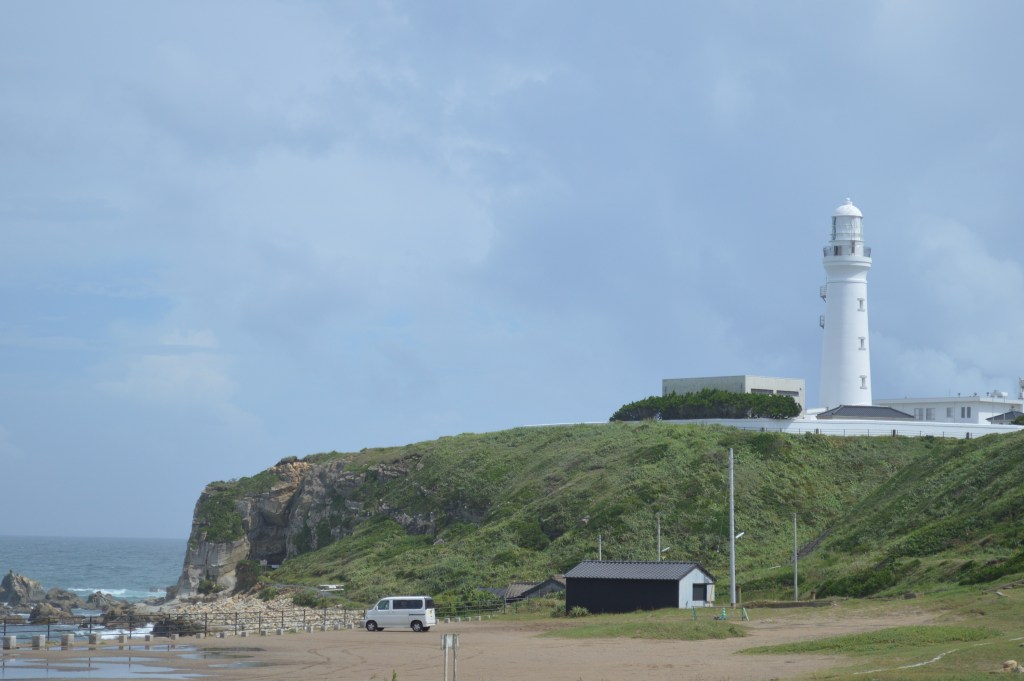
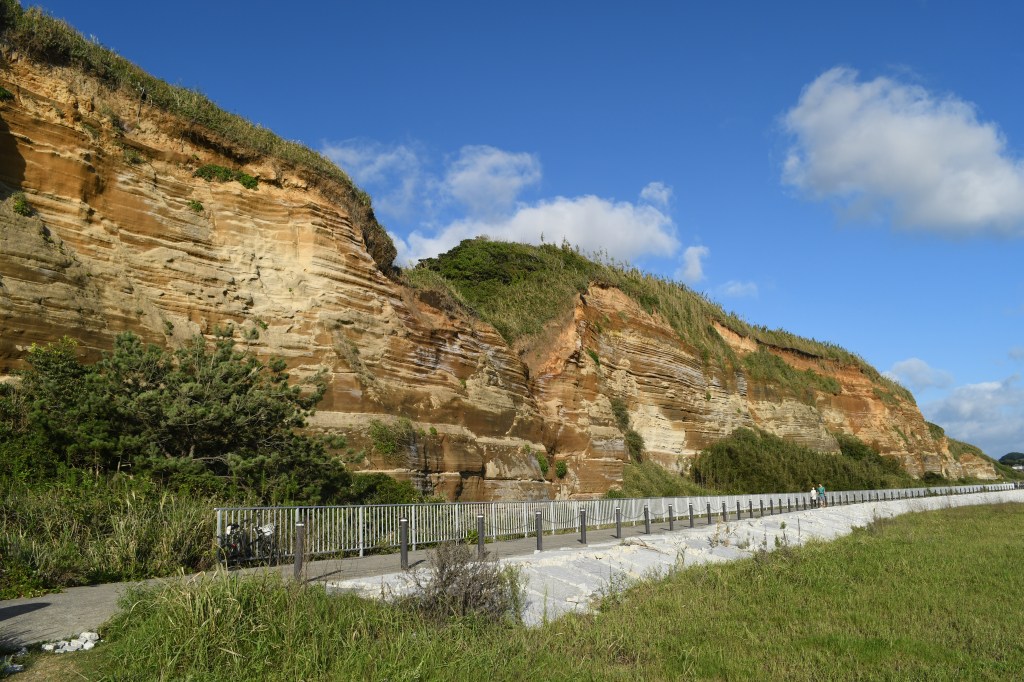
- Inubosaki is the cape at the tip, with a white lighthouse on the cliff and a view over the Pacific that takes in the curve of the coast towards the north. The lighthouse is open to climb, and the rocks below are famous for the sunrise, which brings people out at four in the morning in summer. The Byobugaura cliffs, a long wall of soft sandstone along the coast, are the other natural sight.
- And then there is the food. Choshi is one of the biggest fishing ports in Japan, and the market and the restaurants serve the catch of the day at prices that are hard to believe for somewhere so close to Tokyo. It is a day trip that feels like a discovery, and it is best on a weekday when the town is working.
Top places and highlights
Inubosaki lighthouse
The lighthouse stands on the cliff at the tip of the cape, a white tower with a spiral stair and a gallery at the top, and it is one of the few in Japan that you can climb. The view from the gallery takes in the Pacific, the curve of the coast and the town behind, and on a clear day you can see the Boso peninsula stretching north. The rocks below the cliff are the first place in Japan to see the sunrise for much of the year, and the car park fills before dawn in summer.
The soy sauce breweries
Choshi’s soy sauce is made in the old quarter, in wooden buildings with rows of fermentation vats and the dark, sweet smell of the mash. Several breweries offer tours and tastings, and the shops sell the standard sauce, the tamari and the local variations. The process is slow and seasonal, and the difference between the industrial product and the small-batch sauce is obvious in the taste. Buy a bottle or two, and look at the old shopfronts and the storehouses.
The Byobugaura cliffs
The cliffs run for about ten kilometres along the coast, a wall of soft sandstone and mudstone that drops straight into the sea, with a layer of green grass on top. They are eroding constantly, and the road runs close to the edge in places. The view from the top, and from the beach at low tide, is dramatic, and the name comes from a folding screen, which the cliffs are said to resemble.
Choshi port and the market
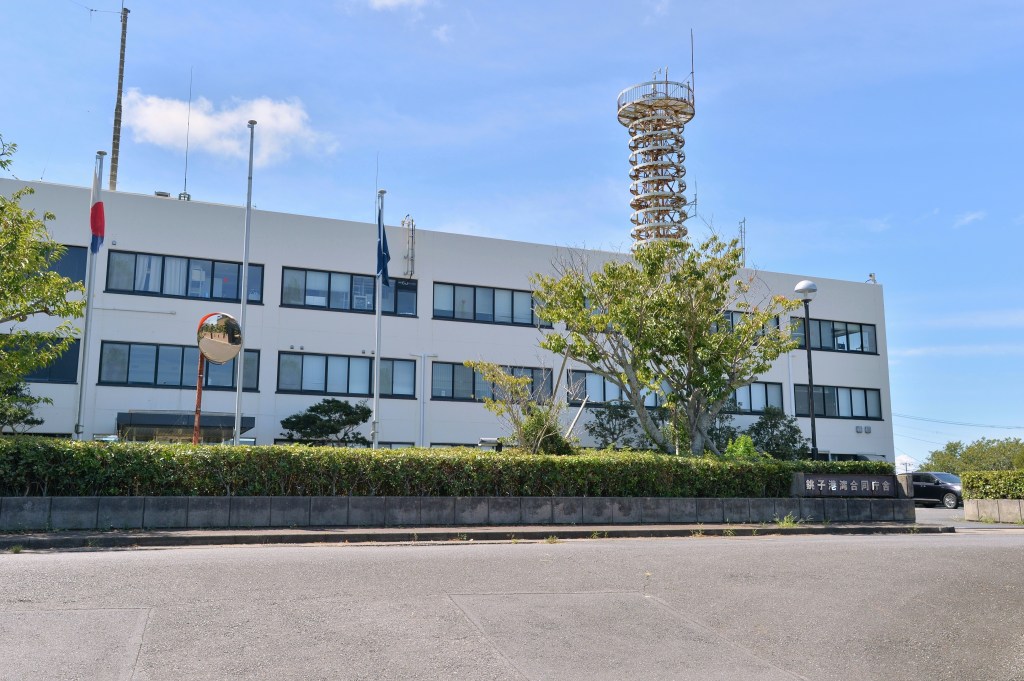
The port is one of the largest fishing bases in Japan, with boats unloading tuna, sardines, mackerel and the catch of the season, and the market and the restaurants around it serve the fish fresh. The tuna auction is early, and the restaurants open for lunch with bowls and sashimi. The port tower gives a view over the harbour, and the boats and the ice houses are part of the scene.
The town’s old streets
The old quarter around the breweries has wooden shopfronts, tiled roofs, narrow lanes and a few temples, and it is quiet and slightly faded in the way of port towns. Walk from the station towards the river and the breweries, look at the warehouses and the stone markers, and stop at the small shops selling the local products. It is not a preserved district, and that is its charm.
The sunrise and the Tokawa area
The eastern tip of the cape is the first place in the region to see the sun, and the small settlement of Tokawa has a harbour and a few guesthouses for people who want to be there at dawn. The beach at Tokawa is quiet, and the walk from the station to the cape passes the fishing harbour and the rocks. It is the quietest part of the town.
The local seafood
The fish is the reason many people make the trip: tuna, sardines, mackerel, shellfish and the small fish used for the local sushi and the bowls. The restaurants near the port serve it simply and cheaply, and the market sells it to take away. In autumn and winter the catch is at its best, and the town is full of people who came for lunch.
Food and drink
- The seafood bowls are the local speciality, with tuna, sardines, mackerel and shellfish over rice, and the restaurants near the port serve them at prices well below Tokyo.
- The soy sauce is the other local product, and the breweries sell it in bottles. Try the tamari and the lightly aged sauces, and buy a small bottle rather than a large one.
- Choshi is also known for its sardines, grilled or served as tempura, and for the local sushi, which uses the catch of the day. The market restaurants are the place to try them.
- The town has a long history of making the soy sauce and the miso, and the shops sell the local versions along with the pickles and the dried fish.
- For a quick lunch, the market has stalls and small restaurants, and the station area has the usual chains. The port is where the real food is.
Getting there and around
- Choshi is at the eastern end of the Sobu line from Tokyo, about an hour and a half to two hours from Tokyo station, with a change at Chiba or direct trains depending on the time. The line runs through the Boso peninsula to the coast.
- The town is walkable from the station, with the breweries and the old quarter within twenty minutes and the port a short bus or taxi ride away.
- The cape and the lighthouse are reached by bus from the station, about twenty minutes, and the buses are infrequent outside the peak season. A car is much easier for the cape and the cliffs.
- By car, the Higashi-Kanto expressway and the national roads connect Choshi with Tokyo and Narita, and the drive takes about two hours. The cape has a car park, and the cliffs have viewpoints along the coast road.
- The Choshi electric railway, a small local line, runs through the town to the Tokawa area, and it is a slow and atmospheric way to reach the eastern tip.
Where to stay
- The hotels and guesthouses around the station and the port are simple and cheap, and they suit an early start for the market or the sunrise.
- The inns at Tokawa and near the cape are small and quiet, and they put you within walking distance of the lighthouse and the sunrise.
- Tokyo and Narita are within two hours, which makes Choshi a day trip for most visitors. The trade-off is missing the dawn and the market.
- The hot spring inns in the surrounding countryside, towards the Kujukuri coast, offer baths and seafood dinners, and they are within an hour by car.
Best time to visit
- Winter and early spring are the best time for the fish and the clear air, and the town is quiet. The sunrise is late enough to see without a very early start.
- Spring brings mild weather and the cherry trees along the river, and the cliffs are green on top. The town is at its most pleasant.
- Summer is hot and humid, with strong sun and the beach season at Tokawa. The sunrise is very early, and the cape is busy at dawn.
- Autumn, from October to November, is the best all-round season: clear skies, good fish, and comfortable walking on the cliffs.
- The rainy season runs from early June to mid-July. The town is quiet and the indoor sights, the breweries and the market, are the options.
Practical tips
- Go early. The market and the port are at their best in the morning, and the sunrise is the reason to stay overnight.
- Reserve a brewery tour ahead. The good ones are small and only run on certain days.
- Take the local railway to Tokawa. It is slow and charming, and it saves the walk to the eastern tip.
- Check the bus times for the cape. The service is infrequent, and missing the last bus means a long walk or a taxi.
- Bring cash for the market and the small restaurants. Not every shop takes cards.
- Wear shoes with grip for the cliffs. The paths are on soft ground and the edges are unguarded in places.
Suggested day-trip outline
- Early morning: train from Tokyo, or a night before for the sunrise, and the lighthouse at Inubosaki at first light.
- Morning: the cliffs at Byobugaura and the coast road, then back to the port for the market.
- Lunch: a seafood bowl at one of the restaurants near the port.
- Afternoon: a soy sauce brewery tour and tasting, then a walk through the old quarter.
- Late afternoon: the local railway to Tokawa, and the harbour and the rocks at the tip.
- Evening: the train back to Tokyo, or a night in a guesthouse near the cape for another sunrise.
Before you go
Timetables, fares, admission fees, and seasonal access rules can change. Check the official tourism and transport sites linked below for the latest information before you travel.
Explore More of Japan
Published guides that pair with this one:
- Ushiku Daibutsu Travel Guide: Ibaraki’s Giant Buddha
- Oarai Coast Travel Guide: Seafood, the Aquarium and Ibaraki’s Pacific Edge
- Tokyo Travel Guide: Neighborhoods, Transport and a First-Timer’s Plan
- Narita Travel Guide: Naritasan Temple, Omotesando and Eel
- Sawara Travel Guide: A Merchant Town on the Water in Chiba
- Kairakuen Travel Guide: Mito Plum Garden and the Kobuntei
Browse every Kanto guide on this site for the rest of the region.
Sources
- choshikanko.com (checked 2026-11-05)
- city.choshi.chiba.jp (checked 2026-11-05)


Leave a Reply