A practical English guide to the udatsu merchant street of Wakimachi in Tokushima: the old houses, the indigo trade and access.
Operational details such as opening hours, admission fees, and train times can change. Prefer official pages and reconfirm before you travel (sources checked on 05 November 2026).
Why visit
- Wakimachi, in the Yoshino river valley of Tokushima, has one of the best-preserved merchant streets in Shikoku: a single long row of Edo-period houses with white plaster walls, dark timber and the distinctive raised fire walls called udatsu. The street was built on the indigo trade, and the wealth of the merchants is still visible in the size of the buildings.
- The udatsu are the detail that makes the street famous. They are thick plaster walls that rise above the roofline between adjoining houses, originally built to stop fire spreading, and later used as a sign of status: only wealthy merchants could afford the elaborate ones. Walking the street and looking up at the rooflines is the main pleasure of the place.
- Wakimachi is small and quiet, with a handful of shops, a museum or two and an old theatre, and it takes an hour or two to see properly. It is not a theme town: people live in the houses, and the shops sell to locals as much as to visitors. That makes it a more convincing place than the heavily restored districts elsewhere.
- It also fits easily into a route through the Yoshino valley, between Tokushima, Iya and the Oboke gorge, and it is close to the udatsu district of Mima and the old town of Ikeda. For travellers interested in the merchant architecture of Shikoku, this is one of the essential stops.
Top places and highlights
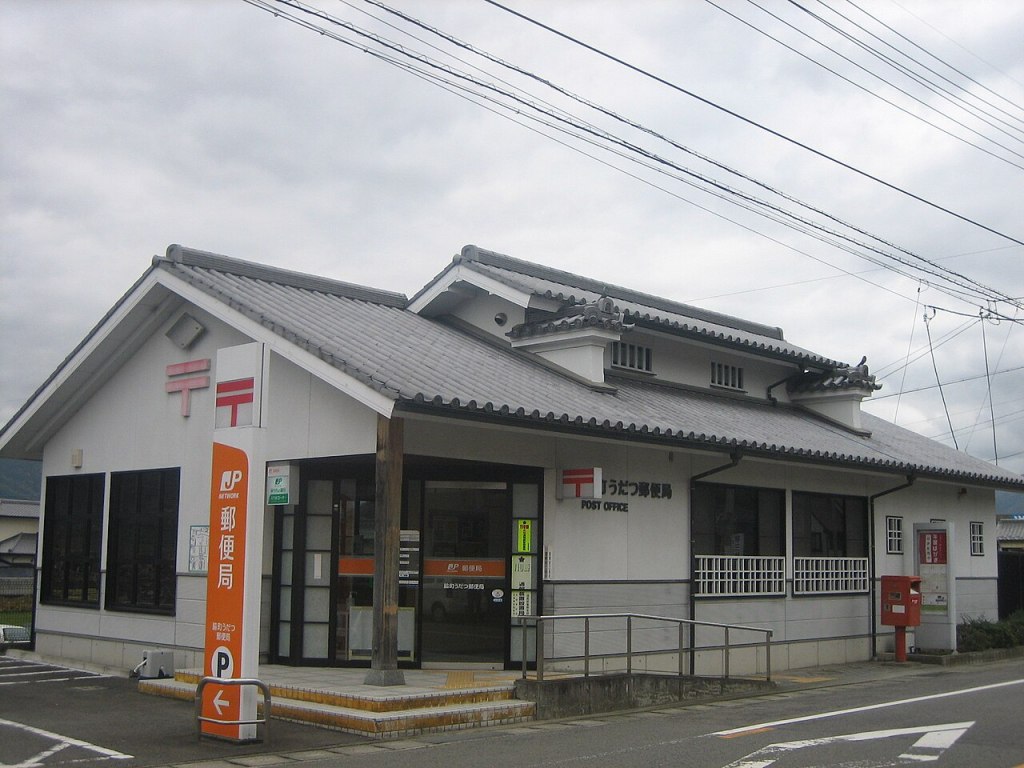
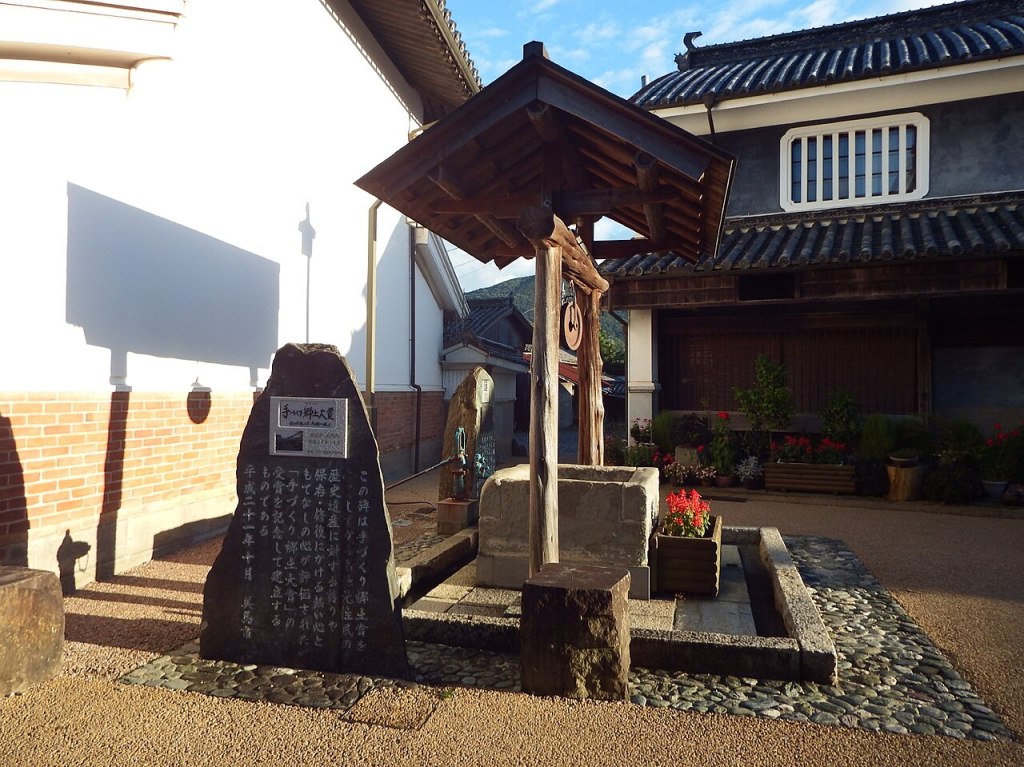
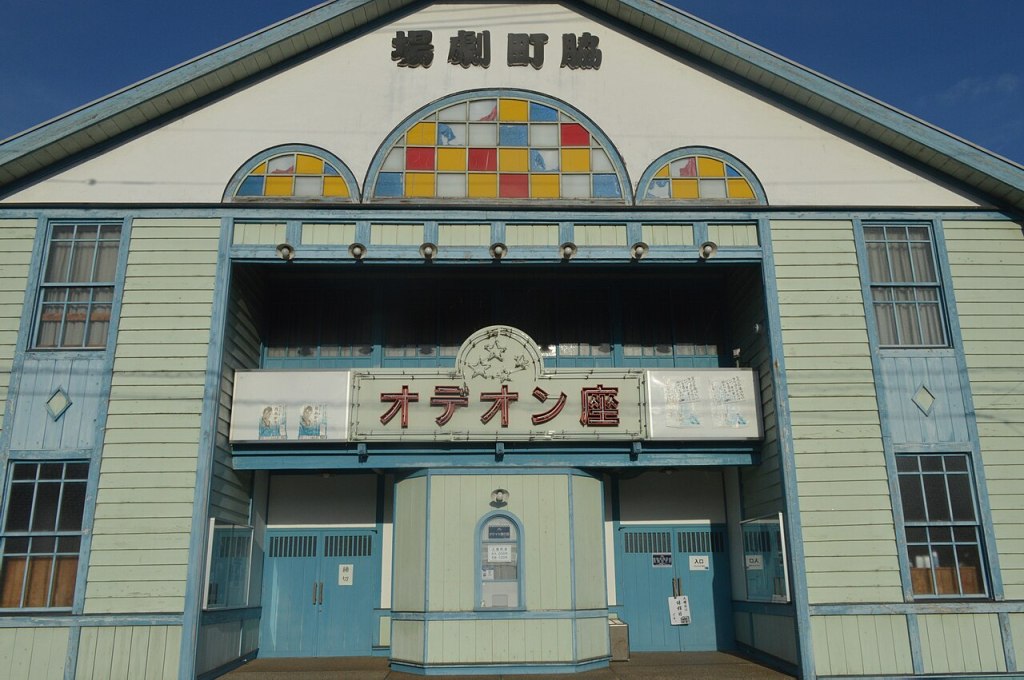
The udatsu street
The street runs for several hundred metres with houses on both sides, and the udatsu rise between them in a rhythm of white plaster and dark tile. Some are simple, others are carved and capped, and the differences show the hierarchy of the merchants who built them. Walk it slowly, look up at the rooflines, and then walk back on the other side: the street reads differently from each direction and in each light.
The merchant houses
Several of the houses are open to visitors, with dark interiors, polished floors, small courtyards and the fittings of a wealthy merchant family. The scale is larger than the farmhouses of the region, and the details, from the lattice windows to the storehouse doors, show how the indigo trade paid for comfort. Some have small gardens at the back, and the deep eaves keep the interior cool in summer.
The old theatre
The Wakimachi theatre, known as the Odeonza, is a wooden playhouse from the early twentieth century that still stands near the street, with a stage, a sloping floor and the atmosphere of a small provincial cinema. It is not always open, but when it is, it is one of the most atmospheric buildings in the valley and a reminder that the town kept its cultural life long after the indigo trade declined.
The indigo history
The Yoshino valley was one of the centres of indigo production in Japan, and the merchants of Wakimachi grew rich on the dye and the cloth. The local museums explain the process, from the cultivation of the plant to the fermented dye and the blue cloth, and the story gives the street its context. Without it, the buildings are handsome; with it, they make sense.
The Yoshino river
The river runs below the town, wide and slow in this stretch, with a bridge and a view across to the hills. It is a good place to walk at the end of the day, when the light comes low over the water. The valley is also known for its rafting further upstream, where the river narrows and the current picks up.
The houses at dusk
In the late afternoon, when the shops close and the light rakes along the street, the plaster walls turn warm and the udatsu cast long shadows. Very few visitors stay the night, so the street empties and the town returns to itself. Walking it at dusk, with the sound of the river below and a lamp or two coming on, is the best hour of the day.
The local food
The valley produces soba, vegetables and the sweetfish of the Yoshino river, and the small restaurants near the street serve them simply. The local sake and the tofu of the region are also worth trying. It is not elaborate cooking, but it is seasonal and cheap, and the shops sell pickles and sweets to take away.
The side lanes
Behind the main street a few narrow lanes run between the houses towards the river, with stone steps, small gardens and views over the roofs. They are not part of the official route and they are not signed, but they are where the town’s everyday life is visible: washing, potted plants, a cat on a wall. Walk them quietly and remember that these are people’s homes, not exhibits.
The view from the bridge
The bridge over the Yoshino river gives a view back to the town, with the roofs and the udatsu above the water and the hills behind. It is a short walk from the street and it puts the merchant quarter in its landscape, between the river and the slopes. Late afternoon is the best time, when the light comes across the valley and the houses turn gold.
Food and drink
- Soba is the local lunch, and the shops near the udatsu street serve it cold with a dipping sauce.
- Sweetfish from the Yoshino river appear in summer, grilled with salt on skewers.
- Local tofu and vegetables are sold in the small shops along the street and served in the restaurants.
- The valley’s sake is worth trying, and the shops sell bottles from the nearby breweries.
- For coffee and a snack, the cafes in the converted houses are the only options, and they close early.
Getting there and around
- Wakimachi is in Mima city, Tokushima, about an hour by car from Tokushima city along the Yoshino river.
- By train, take the JR Tokushima line to Anabuki or Sadamitsu, then a bus or taxi to the udatsu district.
- The expressway runs through the valley with an interchange near Wakimachi, and the drive from Takamatsu takes about an hour.
- The street itself is flat and walkable, with a small car park at one end.
- Buses connect the district with the surrounding towns, but the service is limited and not designed for sightseeing.
Where to stay
- There are a few small inns and guesthouses in the district, some in old buildings, and they are the reason to stay the night.
- Tokushima city and Takamatsu have the widest choice of hotels, both about an hour away.
- The hot spring inns of the Iya valley and Oboke are within reach for a more rural stay.
- For the evening light on the street, stay locally rather than making the return trip.
Best time to visit
- Spring is mild and green, with the valley coming into leaf and the street quiet.
- Summer is hot and humid, and the river is at its best for swimming and rafting upstream.
- Autumn is the best season, with clear air, comfortable walking and good light on the plaster walls.
- Winter is cold and quiet, with few visitors and the houses at their most atmospheric.
Practical tips
- Walk the street in both directions and look up; the udatsu are the point.
- Check which houses are open, since they keep limited days and hours.
- Carry cash for the small shops and the museums.
- Combine the street with the Iya valley or Oboke rather than making a special trip.
- Ask before photographing inside the houses, which are private homes.
- The street is short; allow two hours including a meal rather than a whole day.
Suggested day-trip outline
- Morning: drive or take the train to Wakimachi and walk the udatsu street.
- Late morning: one of the merchant houses and the indigo displays.
- Lunch: soba or a set meal at a local restaurant.
- Afternoon: the old theatre if it is open, then the river bank.
- Late afternoon: the street again in the low light, then the drive on.
- Evening: continue to Iya or Oboke for a hot spring and dinner.
Before you go
Timetables, fares, admission fees, and seasonal access rules can change. Check the official tourism and transport sites linked below for the latest information before you travel.
Explore More of Japan
Published guides that pair with this one:
- Iya Valley Travel Guide: Vine Bridges and Mountain Villages
- Oboke Gorge Travel Guide: The Yoshino River between the Cliffs
- Awa Odori Guide: Tokushima’s August Dance Festival
- Naruto Travel Guide: Whirlpools under the Onaruto Bridge
- Kochi Castle Travel Guide: The Keep and Palace That Both Survive
Browse every Shikoku guide on this site for the rest of the region.
Sources
- city.mima.lg.jp (checked 2026-11-05)
- awanavi.jp (checked 2026-11-05)


Leave a Reply