A practical English guide to the Hiruzen highland in Okayama: the plateau views, the dairy farms, the winery and access by car.
Operational details such as opening hours, admission fees, and train times can change. Prefer official pages and reconfirm before you travel (sources checked on 05 November 2026).
Why visit
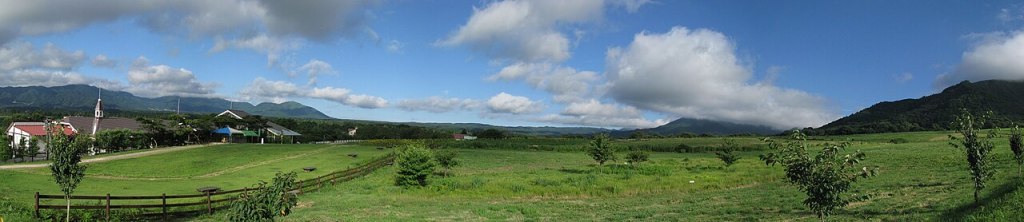
- Hiruzen is a highland plateau in northern Okayama, on the border with Tottori, where the ground opens into wide grassland and dairy farms at about seven hundred metres. It is the kind of landscape that is rare in western Japan: rolling green hills, Japanese white birch, grazing cattle and long views to the mountains of the Chugoku range.
- The area is known for its dairy farming, its cheese and its winery, and for a style of cooking that uses the local buckwheat and vegetables. It is not a single sight but a district of farms, roads and viewpoints, best explored by car or bicycle, with stops for ice cream, cheese and a soak in a hot spring.
- In summer the plateau is cool enough to be a retreat from the heat of the cities, and in winter it is a ski area with snow and a different set of views. Spring and autumn are the best seasons for driving and walking, when the grass is green or the birches are turning, and the light is long and clear.
- Hiruzen is also a working agricultural landscape rather than a theme park. The farms are real, the cheese is made on site, and the roads are used by tractors. That is what makes it worth the detour from the better-known routes between Okayama, Tottori and Matsue.
Top places and highlights
The plateau views
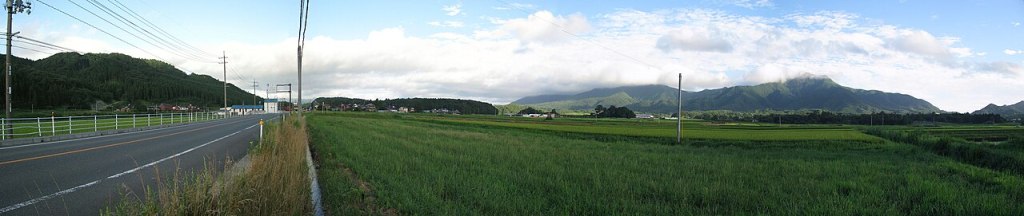
The highland is a broad ridge of grass and scattered trees, with views across to the mountains on both sides and clouds moving quickly over the open ground. The light changes constantly, and the sense of space is the main attraction. There are several viewpoints along the road where you can stop and look, and the best are in the early morning and late afternoon, when the low sun gives the grass texture.
The dairy farms
Hiruzen is one of the dairy centres of western Japan, and the farms here keep Jersey cattle and make cheese, butter and yoghurt that are sold locally. Some farms open their doors to visitors, with cafes, shops and ice cream made from the morning milk. It is a working landscape rather than a petting zoo, and the quality of the dairy is the reason to stop.
The winery
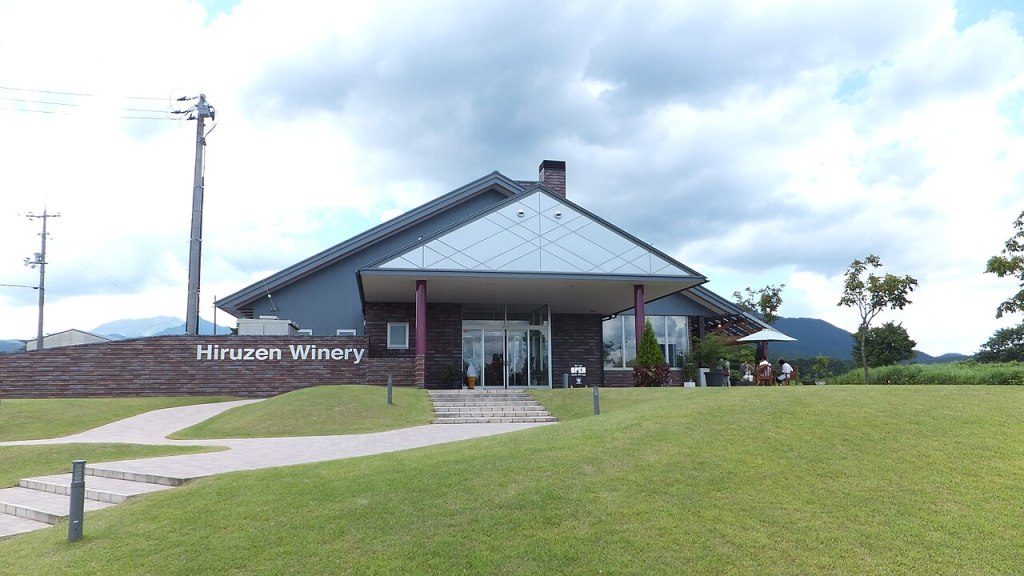
A winery on the plateau makes wine from grapes grown in the area, with a shop and tastings, and it is a good stop on a drive. The climate is cool for Japanese viticulture, which gives the wines a lighter style, and the setting among the hills is part of the appeal. It is small and unpretentious, and a visit takes less than an hour.
The birch woods
Stands of Japanese white birch grow on the higher ground, with pale trunks and light green leaves, and the contrast with the open grass is what gives Hiruzen its northern feeling. Walking paths run through the woods and along the ridge, and in autumn the leaves turn yellow early. It is a good place for a short walk with children, and the ground is gentle.
Cycling the highland
The roads across the plateau are quiet and undulating, and a rented bicycle is a good way to see the district at the right speed. The distances between farms and viewpoints are short, and the hills are manageable for a casual rider. In summer the breeze makes it comfortable, and in autumn the colours make it memorable.
The hot springs
Several small hot spring inns sit around the plateau and in the valleys below, with simple baths and local meals. They are the natural end to a day of driving or walking, and the water is soft and hot. Some are day-use, which suits travellers passing through, and the more traditional inns serve dinner with local beef and vegetables.
The Hiruzen style of soba
The local soba is made with buckwheat grown in the highland and served in a style that includes a thick sauce and grated daikon, along with the stir-fried noodles that the area is known for. The restaurants around the plateau are simple and cheap, and the portions suit walkers. It is one of the better regional noodle traditions in western Japan.
The night sky
Because the plateau is high and there are few lights, the night sky over Hiruzen is exceptionally clear, and on a moonless night the Milky Way is visible from the roadside. Several of the inns and campsites are well placed for it, and the air is cold enough even in summer to need a jacket. Bring a torch and drive slowly on the unlit roads, and give the eyes twenty minutes to adjust.
The cycling roads
The lanes between the farms are narrow and quiet, with gentle climbs and long views, and a rented bicycle lets you cover the district in a morning. The route passes dairy farms, the winery and several viewpoints, and the distances are short enough for a casual rider. Take water, since the shops are few and spread out, and return the bicycle before the afternoon bus.
Food and drink
- Hiruzen soba is made from local buckwheat and served cold with a dipping sauce, often with grated daikon.
- The highland’s dairy produces milk, cheese, butter and ice cream, sold at the farms and the roadside stations.
- Hiruzen yakisoba, a local stir-fried noodle, is a substantial lunch and appears on the menu of most restaurants.
- Jersey beef and local vegetables are served at the hot spring inns, and the quality is high.
- The winery sells its bottles on site, and the shop is a good place to buy a souvenir that travels well.
Getting there and around
- Hiruzen is in northern Okayama, about an hour and a half by car from Okayama city via Tsuyama.
- By train, take the JR Tsuyama line to Tsuyama, then a bus towards Hiruzen; the journey takes about an hour and a half more.
- The Chugoku expressway has an interchange near the plateau, and the approach roads are scenic.
- A car is the practical way to see the district, since the farms and viewpoints are spread over several kilometres.
- Buses run between the plateau and Tsuyama, but the service is limited and not designed for sightseeing.
Where to stay
- Hot spring inns around the plateau and in the valleys below offer meals and baths, and they are the natural base.
- Tsuyama has business hotels and more restaurants, an hour away by car.
- A few farm stays and guesthouses in the district suit travellers who want a quiet night in the countryside.
- For skiing in winter, the lodges around the plateau are convenient but book up in season.
Best time to visit
- Spring is green and mild, with the plateau coming into leaf and the roads quiet.
- Summer is cool on the highland, a relief from the heat of the cities, and the busiest season for camping and cycling.
- Autumn is the best season, with clear air, colour in the birches and good driving weather.
- Winter brings snow and skiing, with some roads closed and the plateau at its quietest.
Practical tips
- Bring a car or be prepared for a long bus journey; the district is spread out.
- Check the opening days of the farms and the winery, which close on some weekdays.
- The plateau is exposed, so carry a layer even in summer.
- Buy dairy products early in the day, since the popular items sell out.
- Fill up with fuel before going up; there are few petrol stations on the plateau.
- In winter, check road conditions and carry snow gear if you are driving.
Suggested day-trip outline
- Morning: drive from Okayama or Tsuyama to the plateau.
- Late morning: the viewpoints and the birch woods, with a short walk.
- Lunch: Hiruzen soba or yakisoba at a local restaurant.
- Afternoon: the dairy farm and the winery, with ice cream and a tasting.
- Late afternoon: a hot spring, or a drive across the ridge in the low light.
- Evening: dinner at the inn, or the drive back to Tsuyama.
Before you go
Timetables, fares, admission fees, and seasonal access rules can change. Check the official tourism and transport sites linked below for the latest information before you travel.
Explore More of Japan
Published guides that pair with this one:
- Tsuyama Travel Guide: Kakuzan Park and the Castle Town
- Kurayoshi Travel Guide: Tottori’s White-Walled Storehouse Town
- Matsue Castle Travel Guide: A National Treasure Keep under Repair
- Kaike Onsen Travel Guide: Yonago Seaside Hot Springs
- Tottori Sand Dunes Travel Guide: Coastal Walks in Western Honshu
Browse every Chugoku guide on this site for the rest of the region.
Sources
- maniwa.or.jp (checked 2026-11-05)
- okayama-kanko.jp (checked 2026-11-05)


Leave a Reply