A practical English guide to Yonezawa in Yamagata: the Uesugi shrine and castle ruins, the museum, Yonezawa beef, the textile workshops and access by shinkansen.
Operational details such as opening hours, admission fees, and train times can change. Prefer official pages and reconfirm before you travel (sources checked on 05 November 2026).
Why visit
- Yonezawa is a small city in the south of Yamagata, on the road and rail line between Fukushima and Yamagata city, and for two and a half centuries it was the castle town of the Uesugi clan. That single fact explains most of what a visitor sees: the shrine on the castle site, the museum built around the clan’s collection, the grid of streets that grew up below the walls.
- The Uesugi are one of the great names of the Sengoku period, and the family’s move to Yonezawa in 1601 after defeat at Sekigahara shaped the town. The domain was large, the castle was never rebuilt as a tower, and the clan’s scholarly and martial reputation gave the city a self-image that it still trades on. The Uesugi Museum and the shrine are the two places where that history is presented.
- Yonezawa is also a food town. Yonezawa beef is one of the three great wagyu names in Japan along with Matsusaka and Kobe, and the local restaurants serve it as sukiyaki, steak and in rice bowls without the ceremony of the big-city specialists. Yonezawa ramen, a dark shoyu noodle soup with a thin, curly noodle, is the everyday counterpart.
- The third strand is craft. The city has a long history of weaving, and Yonezawa silk and the later Yonezawa ori textiles are still made in small workshops. Between the castle site, the museum, the restaurants and the workshops, a full day is easy and two days is comfortable.
Top places and highlights
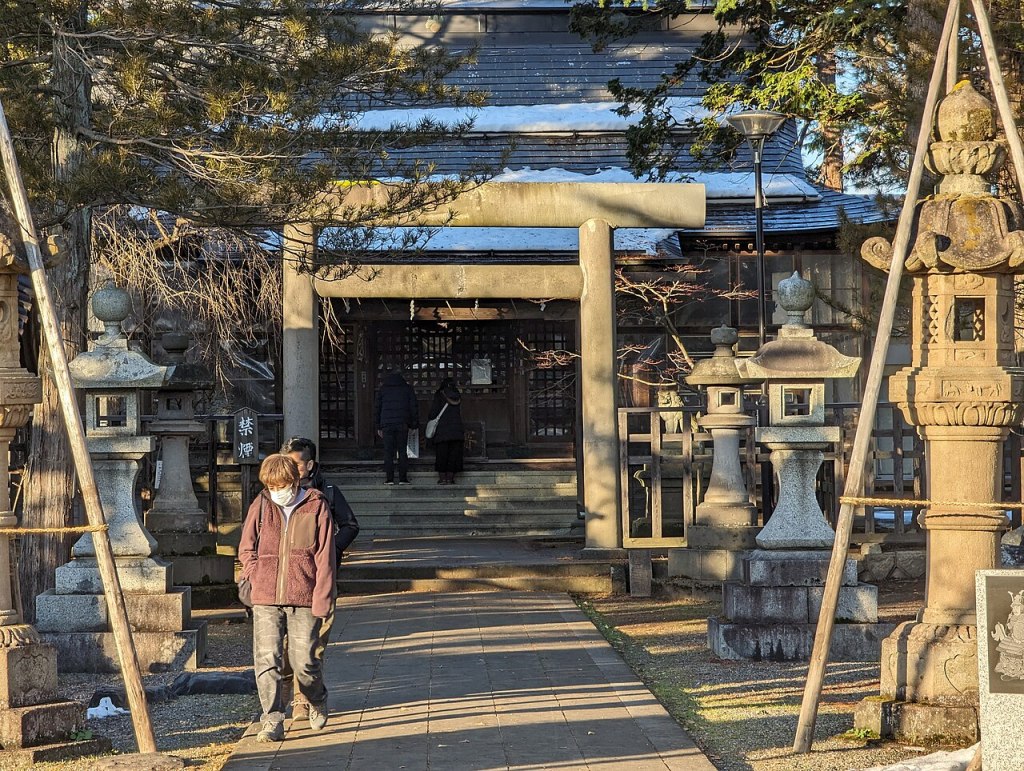
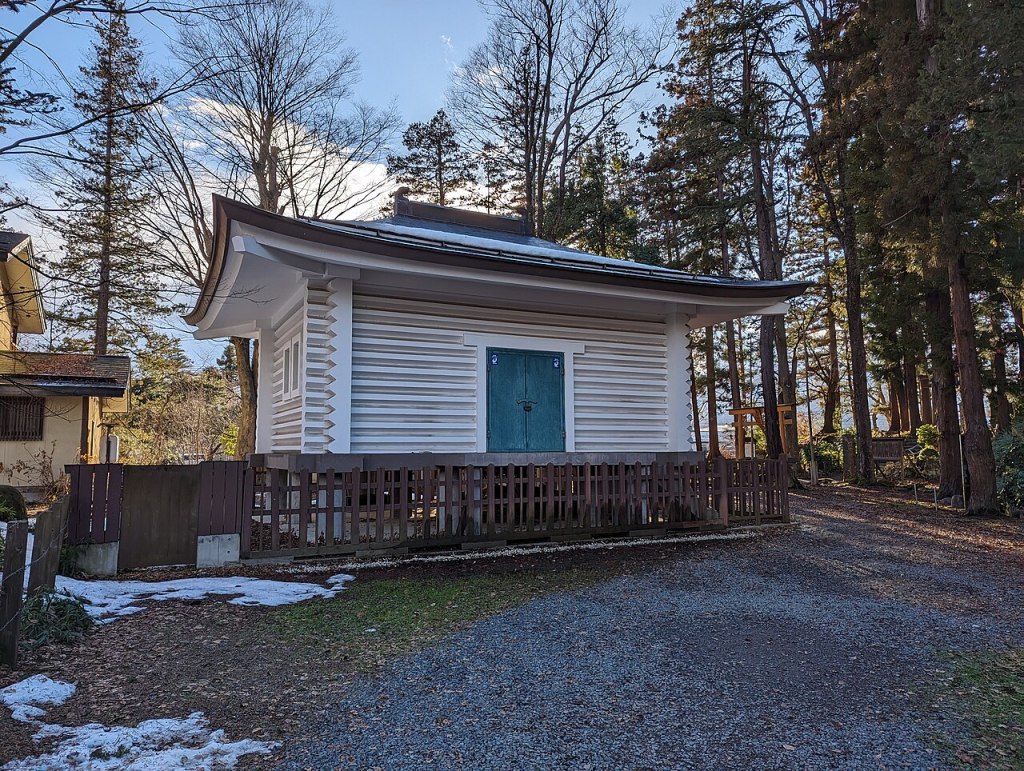
Uesugi Shrine
The shrine stands on the site of Yonezawa Castle, inside what is now Matsugasaki Park, and it enshrines Uesugi Kenshin and the successive heads of the clan. The approach passes through stone walls and moats that are the only substantial remains of the castle, and the shrine buildings themselves are nineteenth-century. It is an active parish shrine as well as a memorial, and the atmosphere on an ordinary weekday is quiet.
The Uesugi Museum
The city museum beside the shrine holds the Uesugi family collection, and its centrepiece is the Uesugi edition of the Kōyō Gunkan, a chronicle of the clan’s campaigns that is one of the fundamental sources for Sengoku warfare. The displays are well explained and the building is calm. For anyone interested in the period this is the reason to come to Yonezawa rather than pass through.
The castle site and Matsugasaki Park
Yonezawa Castle never had a reconstructed keep, and what survives is the outline: moats, earthen banks and stretches of stone wall, with the park laid out over the inner bailey. In spring the park is a blossom spot, and in winter the moats and walls read more clearly than in summer. Walk the perimeter to understand how large the castle was relative to the town.
Yonezawa beef
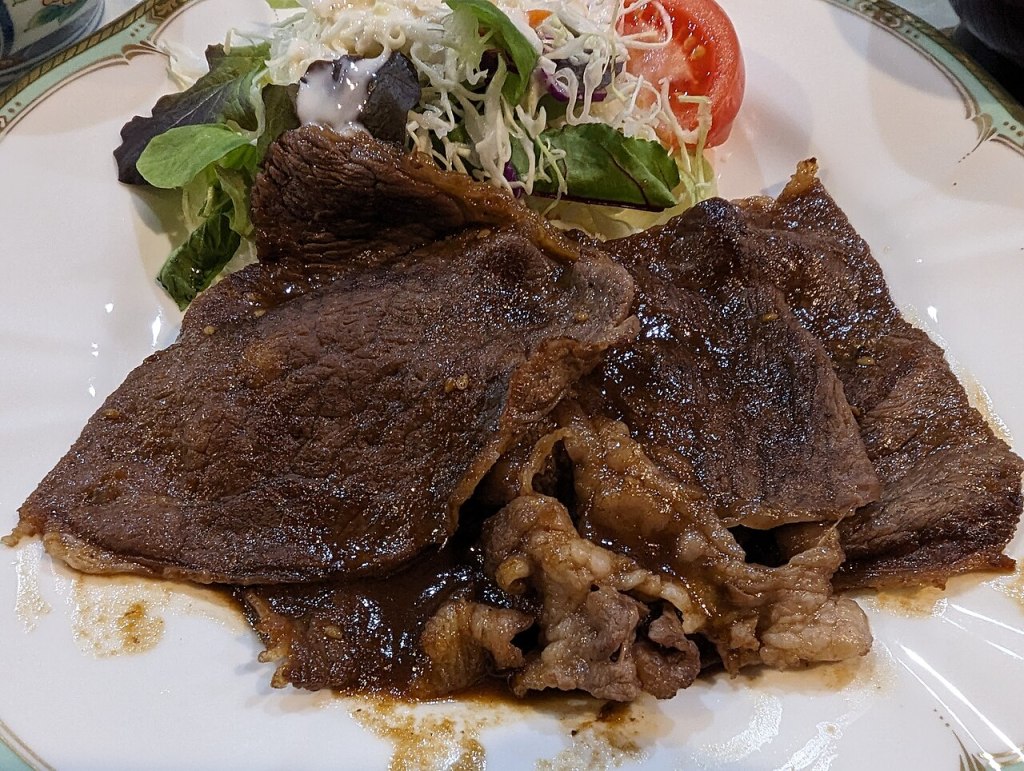
The beef is the city’s best-known export and the local restaurants cook it without fuss. Sukiyaki in a shallow iron pot is the classic preparation, with a sweet-savoury warishita sauce, tofu, leeks and a raw egg to dip. Steak and grilled cuts are also common. Prices vary widely between the specialist restaurants and the ordinary shops, and the difference is often in the cut rather than the cooking.
Yonezawa ramen
The local ramen is a shoyu soup, dark and clear, with a thin curly noodle and a topping of finely shredded leek, sometimes with char siu and menma. It is a working town’s bowl, cheap and quick, and it is served in shops that have changed little. Ask locally for the current favourites rather than relying on old lists, since shops open and close.
The textile workshops
Yonezawa has woven silk since the Edo period and later developed Yonezawa ori, a figured weave used for obi and interior textiles. A few small workshops and showrooms accept visitors, and seeing the looms run explains how much of the local economy was organised around thread before it was organised around beef. Opening days are limited, so confirm before going.
The Uesugi family garden
The former Uesugi family residence near the castle site has a garden that can be visited, and it is a good example of a Meiji-era garden laid out on the scale of a private house rather than a temple. Some of the buildings are used as a restaurant serving Yonezawa beef, which makes it a practical stop as well as a scenic one. Check opening days and whether the restaurant needs a reservation.
Food and drink
- Yonezawa beef is the headline, served as sukiyaki, steak, and in rice bowls at restaurants across the centre.
- Yonezawa ramen is the everyday dish: a dark shoyu soup with a thin, curly noodle.
- Local soba is made with buckwheat from the surrounding hills and is worth ordering in the smaller shops.
- The region produces sake, and the breweries in and around the city sell bottles that rarely travel far.
- In autumn, the markets carry Yonezawa vegetables and the region’s rice, which is some of the best in Tohoku.
Getting there and around
- Yonezawa is on the Yamagata Shinkansen, about two hours from Tokyo and around forty minutes from Fukushima.
- From Yamagata city the train takes about forty minutes, which makes Yonezawa an easy day trip.
- The station is on the east side of the centre, and the castle site and shrine are a twenty-minute walk or a short bus ride away.
- Local buses serve the castle park and the museum, but the service is infrequent, so check the timetable for the return leg.
- A car is useful for the textile workshops and the surrounding countryside, though the centre is walkable.
Where to stay
- Business hotels cluster around Yonezawa Station and the centre, and they are the practical choice.
- A few small inns and guesthouses in the surrounding area offer meals and a quieter night.
- The onsen areas of the Yonezawa basin are within driving distance and make a good alternative base.
- Yamagata city has a larger choice of hotels if you want one base for the whole region.
Best time to visit
- Spring brings blossom to the castle park, usually in the second half of April.
- Summer is warm and humid, with green hills and the local festival season.
- Autumn is the best time for food and colour, from late October into November.
- Winter is snowy and cold, with the castle walls and shrine at their most atmospheric and the beef restaurants at their busiest.
Practical tips
- Check the Uesugi Museum’s closed days before you plan the day; municipal museums often close one day a week.
- Book a beef restaurant at the weekend, since the well-known places fill with visitors from Yamagata and Sendai.
- The castle site and shrine are free to walk; the museum charges admission.
- Carry cash for the smaller ramen shops and workshops.
- If you are coming from Tokyo, the shinkansen makes a day trip possible but leaves little time for the workshops.
- Dress for snow in winter; the walk between the station and the castle site is exposed.
Suggested day-trip outline
- Morning: arrive at Yonezawa Station and walk to the castle site.
- Mid-morning: Uesugi Shrine and the surrounding moats and walls.
- Late morning: the Uesugi Museum.
- Lunch: Yonezawa beef sukiyaki, or ramen if you want the everyday version.
- Afternoon: a textile workshop or the Uesugi garden, depending on opening days.
- Evening: back to Yamagata or on to Fukushima by shinkansen.
Before you go
Timetables, fares, admission fees, and seasonal access rules can change. Check the official tourism and transport sites linked below for the latest information before you travel.
Explore More of Japan
Published guides that pair with this one:
- Sakata Travel Guide: Rice Warehouses, Maiko and the Kitamae Port
- Aizu-Wakamatsu Castle Travel Guide: Tsuruga Castle and the Castle Town
- Dewa Sanzan Travel Guide: Haguro, Gassan, and Yudono
- Ginzan Onsen Travel Guide: Historic Hot-Spring Town in Yamagata
- Hirosaki Travel Guide: Castle Park, Cherry Blossoms, and the Old Town
Browse every Tohoku guide on this site for the rest of the region.
Sources
- city.yonezawa.yamagata.jp (checked 2026-11-05)
- yamagatakanko.com (checked 2026-11-05)


Leave a Reply