A practical English guide to the Miura Peninsula in Kanagawa: Jogashima island, the Umanose sea arch, the Misaki tuna port, Yokosuka and how to get there from Tokyo.
Operational details such as opening hours, admission fees, and train times can change. Prefer official pages and reconfirm before you travel (sources checked on 05 November 2026).
Why visit
- The Miura Peninsula is the piece of land that closes the western side of Tokyo Bay, and it is the closest place to Tokyo where the coast turns properly oceanic. The peninsula runs south from Yokohama through Yokosuka to the city of Miura, and at its tip a bridge crosses to Jogashima, a small island of rock and pine with a lighthouse and no cars worth speaking of.
- The reason to come is the combination: a working fishing port at Misaki that lands more tuna than almost anywhere else in Japan, a coast of low cliffs and rock platforms, and a rail line that runs down the middle from Shinagawa in about an hour and a quarter. It is a day trip that feels further away than it is.
- Miura is also where the modern Japanese navy was built. Yokosuka holds the naval base, the dry docks and the battleship Mikasa, and the town’s identity still runs through ships and steel. That is a different kind of sightseeing from the temples of Kamakura on the other side of the bay, and the two make a good contrast.
- The peninsula is not a resort. There are few hotels, the beaches are modest, and the sights are spread out. What it offers is a working coast, good fish, and a landscape of fields and sea that has survived because the hills made large-scale development difficult.
Top places and highlights
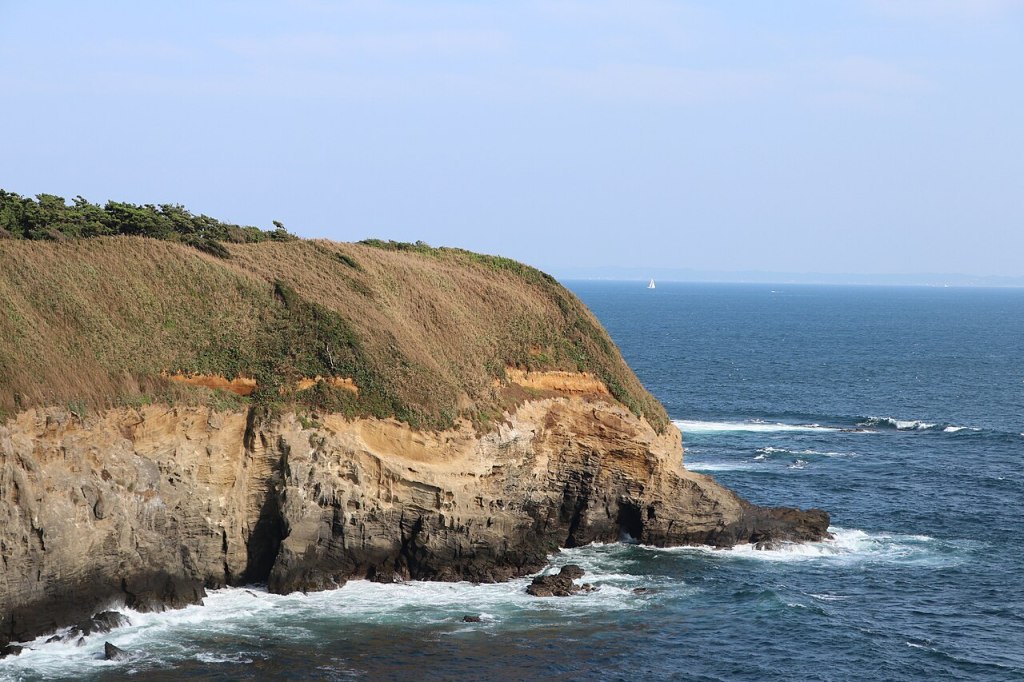
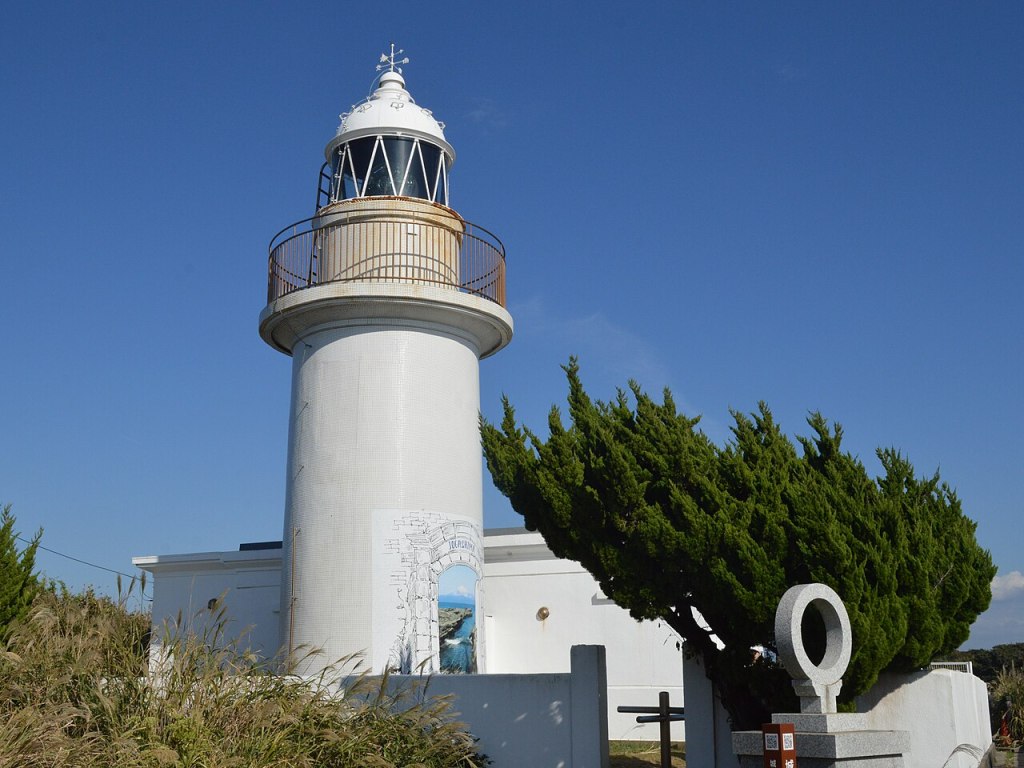
Jogashima
Jogashima is a small island at the tip of the peninsula, reached by a short bridge from the mainland and served by buses from Misakiguchi. The south coast is a platform of tilted rock with deep cracks and tide pools, the north side looks back across the bay towards Yokohama, and the lighthouse stands on the highest point. It is a windy, open place with a few restaurants and a campsite.
The Umanose sea arch
On the south shore of Jogashima, the sea has cut a tunnel through a ridge of rock, leaving a natural arch that you can look through from the path. The rock is soft and the coastline is unstable, so stay on the marked paths and away from the edge. The arch is the most photographed thing on the peninsula for good reason, and it is a five-minute walk from the bus stop.
Misaki fishing port
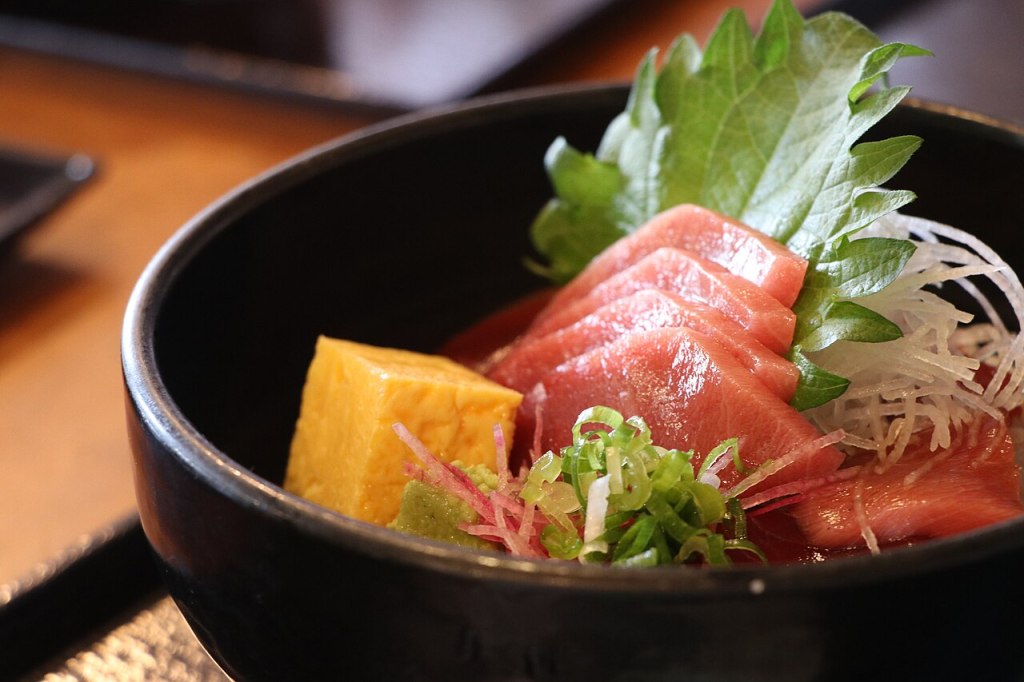
Misaki is a tuna port. Boats go out for long-line and purse-seine fishing, the auctions run in the early morning, and the market area sells to the trade and to visitors. The restaurants around the port serve maguro in every form, including the local misaki don, a bowl of raw tuna over rice. Come early for the auction atmosphere, and expect queues at lunch.
Yokosuka
Yokosuka is a naval town with a long waterfront, a base that has been foreign since the nineteenth century, and a memory of the shipyards that built the Japanese fleet. Mikasa Park holds the preserved battleship Mikasa, and the streets around the base have a curry culture that came from the navy. The town is not pretty, but it is real, and it explains a lot about modern Japan.
The coast road and the fields
The rural west coast of the peninsula, between Misaki and the tip, is a strip of vegetable fields, greenhouses and small harbours. Miura daikon and watermelon are the local crops, and the roadside stands sell them in season. Driving or cycling this stretch in the late afternoon, with the sea on one side and the fields on the other, is the best way to see the peninsula.
The Tokyo Bay ferry
A car ferry crosses the mouth of Tokyo Bay between Kurihama on the Miura side and Kanaya on the Chiba side in about forty minutes. For a traveller it is a shortcut between the two peninsulas and a cheap boat ride, with Fuji visible on clear days. It also gives a sense of how wide the bay mouth really is.
The beaches
The peninsula has small beaches at Miura and around Koajiro, used by locals in summer. They are not the white sand of the southern islands: the water is cool, the sand is grey, and the facilities are basic. In winter they are empty and good for walking, and the rock platforms at low tide are the main attraction for anyone interested in the shoreline.
Food and drink
- Tuna is the local speciality, served as sashimi, sushi, grilled collar and in rice bowls around Misaki port.
- Maguro dishes are cheapest and best at lunch, when the port restaurants serve the catch of the day.
- Miura daikon and watermelon are the local vegetables, sold at roadside stands in season.
- Yokosuka navy curry is a local dish with a story attached, served in restaurants across the town.
- Seafood shacks on Jogashima serve shellfish and grilled fish with a view of the water.
Getting there and around
- The Keikyu line runs from Shinagawa down the peninsula to Misakiguchi in about an hour and fifteen minutes.
- From Misakiguchi, buses run to Jogashima and along the coast; the bus is the only way to the tip without a car.
- Yokosuka is on the same line, a few stops before Misakiguchi, and is easy to combine with the rest of the peninsula.
- By car, the Yokohama-Yokosuka road and the coastal route reach the peninsula from Tokyo in about an hour outside rush hour.
- The Tokyo Bay ferry from Kurihama to Kanaya connects the peninsula with Chiba and takes cars as well as foot passengers.
Where to stay
- There are few hotels on the peninsula and most visitors come as a day trip from Tokyo or Yokohama.
- Yokosuka has business hotels near the station, which is the most practical base if you want two days.
- A handful of small minshuku and guesthouses operate near Misaki and Jogashima, mostly for divers and anglers.
- Yokohama, half an hour away, has the largest choice of accommodation in the area.
Best time to visit
- Spring is mild and the fields are green, with blossom along the coast road.
- Summer is the beach season, hot and humid, and the ports are at their busiest.
- Autumn is clear and dry, the best time for walking Jogashima and the coast path.
- Winter is cold and windy but the sea is at its clearest, and Fuji is visible from the bay mouth on many days.
Practical tips
- The tuna auction is an early-morning event and not a tourist show; ask locally before assuming you can watch.
- Buses to Jogashima are infrequent, so check the return times before you start walking.
- Wear shoes with grip on the rock platforms; the surface is uneven and the waves come further up than they look.
- Restaurants around Misaki port peak at lunch and close early in the afternoon.
- Carry cash for the roadside stands and the smaller seafood shacks.
- Combine the peninsula with Kamakura only if you have a car or a very early start; the two sides of the bay are not close by rail.
Suggested day-trip outline
- Early morning: Misaki port for the auction area and breakfast.
- Mid-morning: bus to Jogashima and the walk to the lighthouse and the sea arch.
- Lunch: a maguro bowl at one of the port restaurants.
- Afternoon: the coast road west, or Yokosuka and the Mikasa.
- Late afternoon: the ferry across the bay mouth, or the train back north.
- Evening: dinner in Yokohama or Tokyo.
Before you go
Timetables, fares, admission fees, and seasonal access rules can change. Check the official tourism and transport sites linked below for the latest information before you travel.
Explore More of Japan
Published guides that pair with this one:
- Choshi Travel Guide: Inubosaki Lighthouse, Cliffs and Soy Sauce
- Oarai Coast Travel Guide: Seafood, the Aquarium and Ibaraki’s Pacific Edge
- Enoshima Travel Guide: Island Shrines and a Coastal Day Trip from Tokyo
- Odawara Castle Travel Guide: A Rebuilt Keep on the Hakone Road
- Yokohama Travel Guide: Harbour, Chinatown, and a Day Trip from Tokyo
Browse every Kanto guide on this site for the rest of the region.
Sources
- city.miura.kanagawa.jp (checked 2026-11-05)
- pref.kanagawa.jp (checked 2026-11-05)


Leave a Reply