A practical English guide to Shingu in Wakayama: Kumano Hayatama Taisha, Kamikura Shrine, the Kumano river boat and access on the Kisei line.
Operational details such as opening hours, admission fees, and train times can change. Prefer official pages and reconfirm before you travel (sources checked on 06 November 2026).
Why visit
- Shingu is a small city at the mouth of the Kumano river, on the southern coast of the Kii peninsula, and it is one of the three centres of the Kumano faith. Kumano Hayatama Taisha, the shrine at the heart of the town, is one of the three great Kumano shrines, with Hongu and Nachi further up the peninsula.
- The town is old and compact. The shrine stands at the confluence of the Kumano and the Otonashi rivers, its grounds are wide and gravel-covered, and the buildings include a group of small shrines brought from other parts of the region. The atmosphere is different from Hongu: less forest, more town, with the river and the boats as the backdrop.
- Above the town, Kamikura Shrine sits on a rock outcrop reached by a steep stair of huge stone steps. It is the original site of the Kumano faith in this area, and the climb is short, hard and worth it for the view down over the roofs and the river. It is the single most memorable thing in Shingu.
- Shingu is also the eastern end of the Kumano river boat route, the old pilgrim route from Hongu, and the western end of the rail line from Nagoya. It is a natural overnight stop on a Kumano itinerary, and it has the most ordinary, working-town feel of the three shrine centres.
Top places and highlights
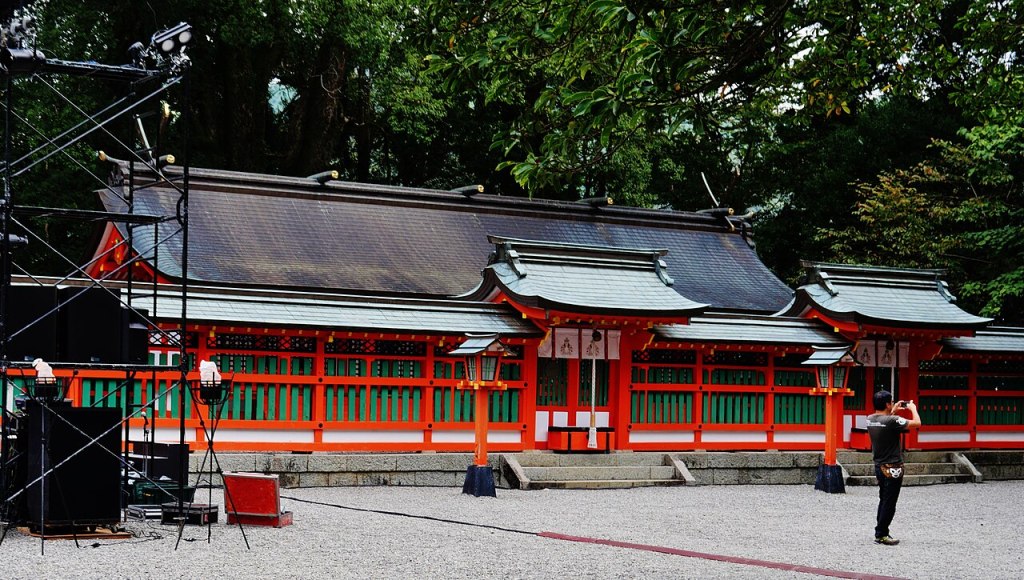
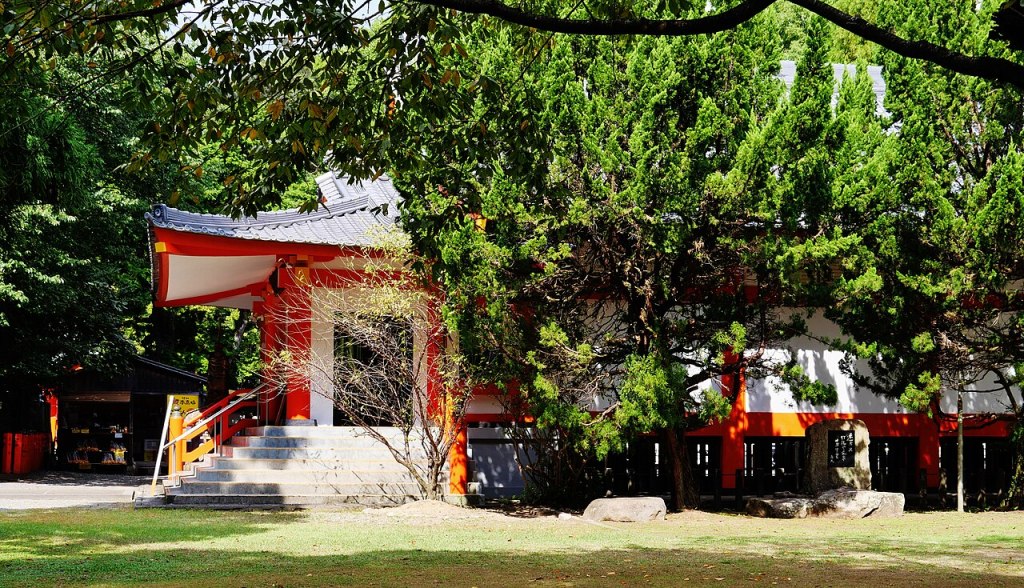
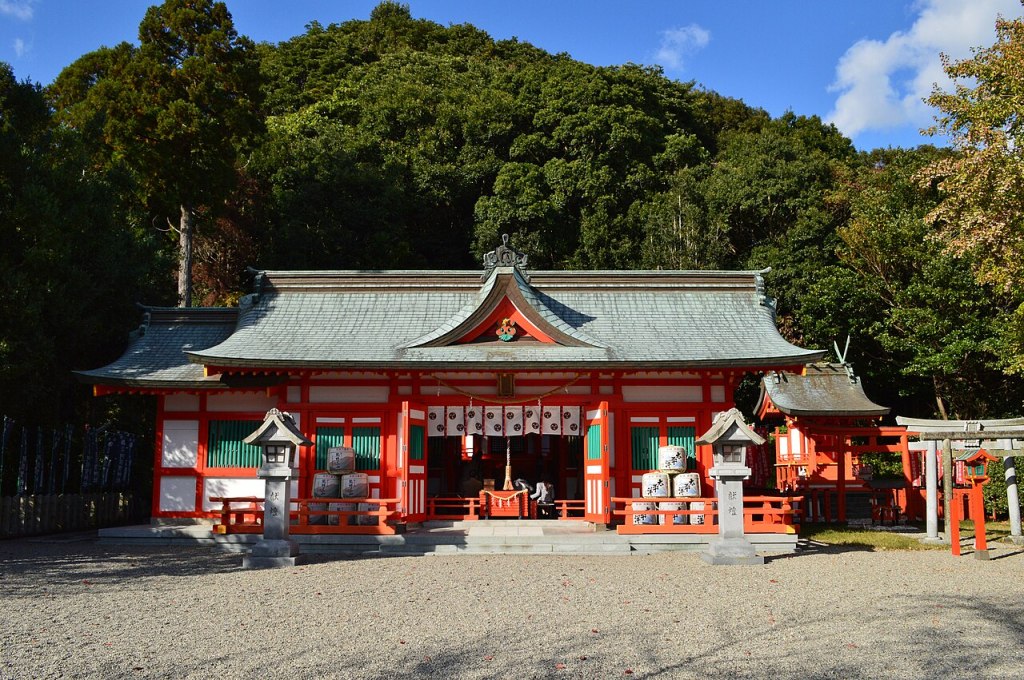
Kumano Hayatama Taisha
The shrine stands at the mouth of the Kumano river, with a broad gravel approach, a line of pine trees and a group of shrine buildings in the Kumano style, painted in vermilion and white. It is one of the three great Kumano shrines, and the grounds hold several smaller shrines moved here from across the region. It is free to enter and active all day.
Kamikura Shrine
The shrine sits on a rock outcrop above the town, reached by a stair of about a hundred large stone steps cut into the rock. It is steep and uneven, and the climb takes a few minutes. The view from the top over the town, the river mouth and the sea is the best in the area, and the shrine itself is small and old.
The Kumano river
The river runs east from Hongu to the sea at Shingu, and the old pilgrim route used boats down it. The river boat trips still run in season, and the ride through the gorge is the classic way to arrive in the town. The banks in Shingu are walkable, with paths along the water and a footbridge to the shrine.
The old town streets
The lanes between the station and the shrine hold wooden houses, small shops and the ordinary life of a provincial city. There is not a preserved district, but the scale is human and the walk is short. Look for the small local shrines at the corners of the streets and the shops selling the local sweets.
The Hayatama shrine museum
The shrine’s small museum holds its treasures, including the objects associated with the shrine’s founding and the history of the Kumano pilgrimage. It is a modest collection, well displayed, and it explains the relationship between the three Kumano shrines. Check the opening days, which are not every day.
The coast at Miwasaki
The coast west of Shingu has small fishing ports, a rough shoreline and the rail line running along the water. The local trains are slow and the views are good, and it is an easy half-day by train from Shingu. It is a working coast rather than a resort, and the seafood is the reason to stop.
The Kisei line
The railway runs along the coast from Nagoya through Shingu to Wakayama, and sections of it follow the water closely. It is one of the great scenic local lines of Japan, with long stretches of sea view and small stations. The journey is slow, and the timings need planning, but it is a better way to arrive than the highway.
Food and drink
- The town is a fishing port, and the local restaurants serve the catch of the Kumano coast.
- Sanma and other blue fish are the local speciality, grilled or in rice bowls.
- Kumano tofu and the local pickles are part of the pilgrimage food tradition.
- The sweets shops near the shrine sell the local rice cakes and the Kumano-style confectionery.
- The town is small and the restaurants close early, so eat before the evening.
Getting there and around
- Shingu Station is on the JR Kisei line, about four hours from Osaka and three from Nagoya by limited express.
- The shrine is a ten-minute walk from the station, and Kamikura Shrine is a further ten minutes up the hill.
- River boats connect Shingu with Hongu in season, and the ride takes about two hours downstream.
- Buses run up the peninsula to Hongu and Nachi, but the service is thin and the journey long.
- A car makes the peninsula manageable, and the coastal road is scenic.
Where to stay
- Small hotels and inns cluster around the station and the shrine, and they are practical rather than luxurious.
- The shrine area has a few traditional inns, and the surrounding onsen have larger ones.
- Hongu and Nachi have their own accommodation, and staying in one centre per night is the usual pattern.
- Book ahead in the pilgrimage seasons of spring and autumn.
Best time to visit
- Spring is mild and green, with the pilgrimage routes at their best.
- Summer is hot and humid, with rain in June and typhoon risk later.
- Autumn is clear and dry, the best season for the river and the hills.
- Winter is mild on the coast, with quiet streets and fewer boats running.
Practical tips
- The stair to Kamikura Shrine is steep; wear shoes you can climb in and avoid it in the rain.
- The shrine museum is not open every day, so check before planning around it.
- The restaurants close early; eat lunch and dinner before you think you need to.
- River boats run in season only, so check the schedule before relying on them.
- The Kisei line is slow and infrequent; plan the connections rather than turning up.
- Carry cash for the small shops and the boat tickets.
Suggested day-trip outline
- Morning: arrive at Shingu Station and walk to Kumano Hayatama Taisha.
- Late morning: the shrine grounds and the museum.
- Midday: the climb to Kamikura Shrine and the view.
- Lunch: seafood near the station or the river.
- Afternoon: the riverbank walk, or the train along the coast.
- Evening: dinner early, then on towards Hongu or Nachi the next day.
Before you go
Timetables, fares, admission fees, and seasonal access rules can change. Check the official tourism and transport sites linked below for the latest information before you travel.
Explore More of Japan
Published guides that pair with this one:
- Ise Jingu Travel Guide: Naiku, Geku and the Pilgrim Streets of Ise
- Nachi Falls and Kumano Nachi Taisha Travel Guide
- Kumano Hongu Taisha Travel Guide: The Grand Shrine in the Mountains
- Koyasan Travel Guide: Temples, Cedars, and a Night on the Mountain
- Osaka Castle Travel Guide: The Keep, the Park and the Siege That Ended an Era
Browse every Kansai guide on this site for the rest of the region.
Sources
- city.shingu.lg.jp (checked 2026-11-06)
- kumanohayatama.jp (checked 2026-11-06)
- wakayama-kanko.or.jp (checked 2026-11-06)


Leave a Reply