A practical English guide to Ishinomaki in Miyagi: the manga museum, the stone-mason district, the Kitakami river mouth and the memory of 2011.
Operational details such as opening hours, admission fees, and train times can change. Prefer official pages and reconfirm before you travel (sources checked on 06 November 2026).
Why visit
- Ishinomaki is a port city at the mouth of the Kitakami river in Miyagi, an hour north of Sendai, and it is the second largest city in the prefecture. It is known for three things that sit oddly together: a major manga museum, a historic stone-mason district, and the memory of the 2011 tsunami, which destroyed much of the coastal part of the city.
- The manga connection comes from Shotaro Ishinomori, the creator of Cyborg 009 and Kamen Rider, who was born here. The Ishinomori Manga Museum stands on the waterfront in a building shaped like a spaceship, with original drawings, a reconstruction of his studio and a collection that covers the history of Japanese manga. It is the best reason to come.
- The stone district is the older story. Ishinomaki was a castle town of the Date clan and then a port, and the district of Kadonowaki and the old streets had workshops that cut the stone for the region’s buildings, including the walls of Sendai castle. A few workshops still operate, and the stone walls and storehouses survive.
- The third strand is the coast. The Kitakami river mouth, the Hiyoriyama hill with its view over the bay, the ferry to Kinkasan and the fishing ports of the Sanriku coast are all within reach. The city also has a memorial and reconstruction sites that explain the 2011 disaster, and visiting them is part of understanding the place.
Top places and highlights
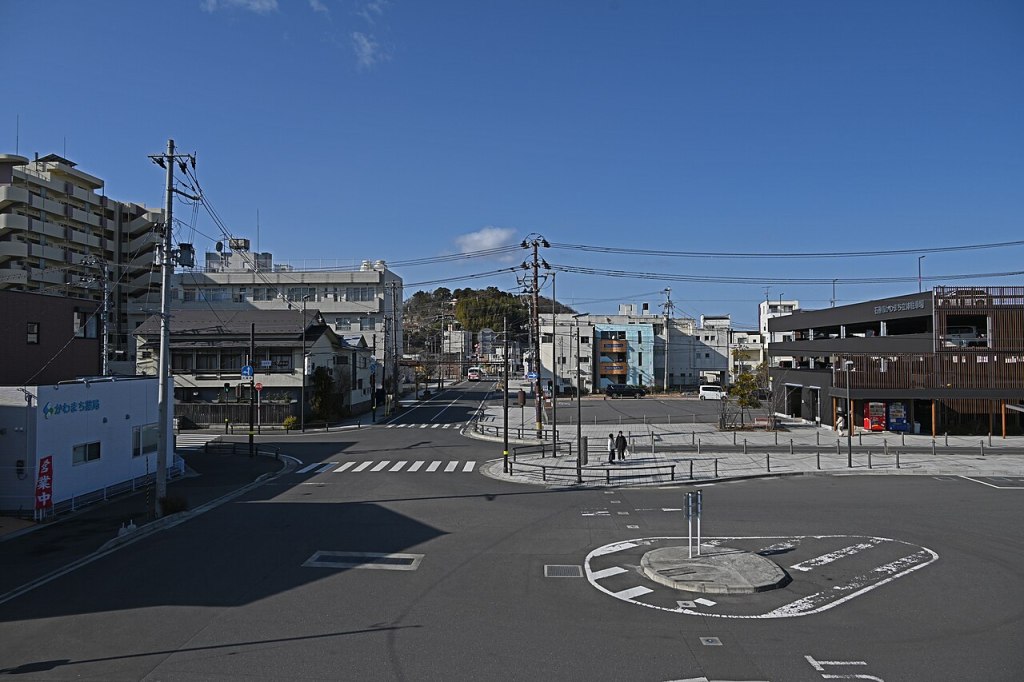
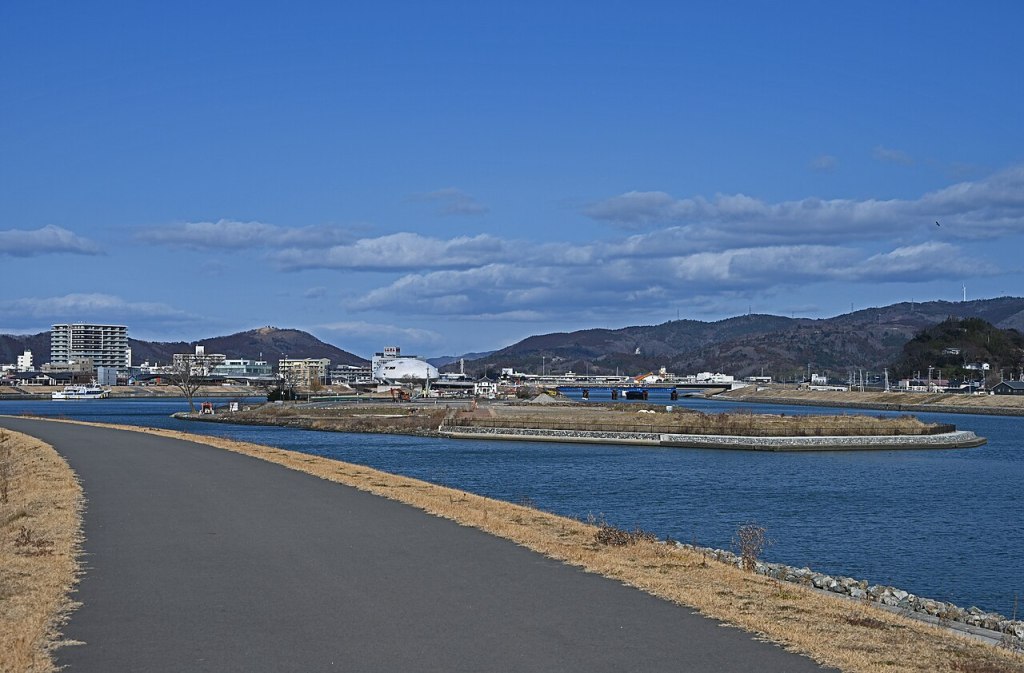
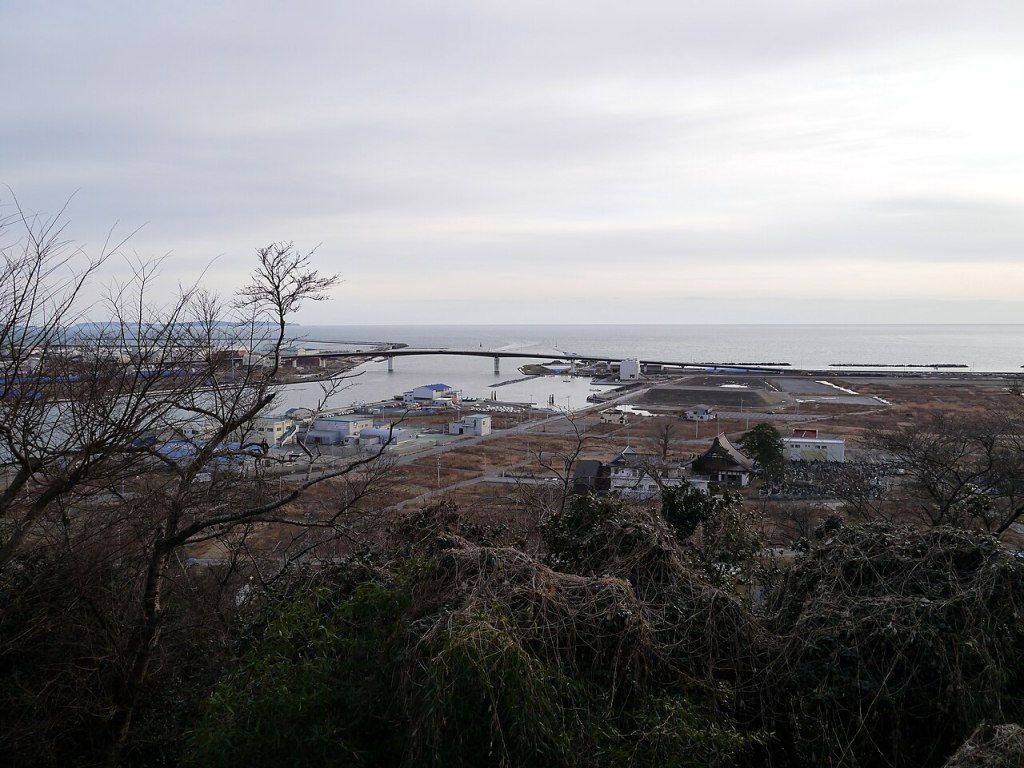
The Ishinomori Manga Museum
The museum stands on the waterfront in a building with a glass facade and a spaceship shape, and it covers the life and work of Shotaro Ishinomori along with the history of manga. There are original drawings, a replica studio and a shop with a huge selection. It is aimed at fans but readable for anyone.
The stone-mason district
The old streets near the river hold workshops and storehouses of the stone trade, with walls and gates made from the local tuff. A few workshops still cut and sell stone, and the district has a quiet, working atmosphere. It is a short walk from the centre.
Hiyoriyama
The hill above the river mouth has a park, a shrine and a view over the city, the river and the bay. It was one of the few high points in the 2011 disaster, and the view today includes the rebuilt embankments. It is the best place to understand the geography of the city.
The Kitakami river mouth
The river is wide here and the mouth opens onto the bay, with the port and the fishing boats on both banks. The riverside walk and the bridges give the best views, and the evening light on the water is the local scene. The ferries to Kinkasan leave from the port.
The 2011 memorial sites
The city has a memorial park, a reconstruction museum and the remains of the disaster in the coastal districts, and they explain what happened and how the city rebuilt. They are sobering rather than dramatic, and they are an important part of any visit. Check the opening days.
Kinkasan
The island at the mouth of the bay has a shrine on a wooded hill, reached by ferry from Ishinomaki and a walk up a long stair. It is a pilgrimage site with a long history and a good view back to the mainland. The ferry is seasonal and weather dependent.
The local food
The city is a fishing port, and the sushi and the seafood bowls are the local speciality, along with the oysters of the Sanriku coast in season. The restaurants around the station and the port serve the catch plainly. The city is also known for its ramen and its sweets.
Food and drink
- Seafood from the Sanriku coast, including oysters in winter, is the local speciality.
- Sushi and the seafood rice bowls at the port restaurants are the obvious lunch.
- The city has a ramen culture, with several shops around the station.
- The local sake is made in the surrounding towns and is served in the izakaya.
- The sweets shops sell the traditional confections of the port town.
Getting there and around
- Ishinomaki is about an hour from Sendai by the JR Senseki line or the Ishinomaki line.
- The Senseki-Tohoku line runs through to Sendai without a change on some services.
- The station is central, and the museum and the river are a short bus or taxi ride away.
- The ferry to Kinkasan leaves from the port, with a limited seasonal service.
- A car is useful for the coast and the memorial sites, which are spread out.
Where to stay
- Business hotels near the station are the practical choice.
- The coastal areas have a few inns and guesthouses.
- Sendai has the largest choice and is an hour away.
- Book ahead around the manga museum events and the summer festivals.
Best time to visit
- Spring is mild, with blossom along the river and the parks.
- Summer is warm, with the bay and the ferries at their busiest.
- Autumn is clear and cool, the best season for the coast and the views.
- Winter is cold, with oysters in season and the city at its quietest.
Practical tips
- The manga museum is closed on some weekdays; check before travelling.
- The memorial sites are spread out; a car or a taxi makes the circuit practical.
- The ferry to Kinkasan is weather dependent and runs only in season.
- The coastal districts are still rebuilding in places; be respectful when photographing.
- The seafood is best at lunch, when the port restaurants are open.
- Combine the visit with Matsushima, which is a short train ride away.
Suggested day-trip outline
- Morning: the manga museum on the waterfront.
- Late morning: Hiyoriyama and the river mouth.
- Lunch: a seafood bowl at the port.
- Afternoon: the stone district and the memorial sites.
- Late afternoon: the riverside walk and the bridges.
- Evening: back to Sendai, or a night in the city.
Before you go
Timetables, fares, admission fees, and seasonal access rules can change. Check the official tourism and transport sites linked below for the latest information before you travel.
Explore More of Japan
Published guides that pair with this one:
- Sendai Travel Guide: Gyutan, Jozenji-dori and the Gateway to Tohoku
- Yamagata City Travel Guide: Bunshokan, Kajo Park and the Fruit Road
- Kesennuma Travel Guide: Sanriku Port, Seafood and the Bay
- Sendai Tanabata Guide: August Streamers and the Arcades
- Hachinohe and Tanesashi Coast Travel Guide: Aomori’s Pacific Edge
Browse every Tohoku guide on this site for the rest of the region.
Sources
- city.ishinomaki.lg.jp (checked 2026-11-06)
- japan.travel (checked 2026-11-06)


Leave a Reply