A practical English guide to Yamagata city: the Bunshokan, Kajo Park and the castle site, the museums, cherries and ramen, and access by Yamagata Shinkansen.
Operational details such as opening hours, admission fees, and train times can change. Prefer official pages and reconfirm before you travel (sources checked on 06 November 2026).
Why visit
- Yamagata is a prefectural capital of about a quarter of a million people, set in a basin ringed by mountains, and it is one of the most pleasant small cities in Tohoku. It is not a headline destination: the sights are quiet, the streets are wide, and the pleasure is in the buildings and the food rather than in a single monument.
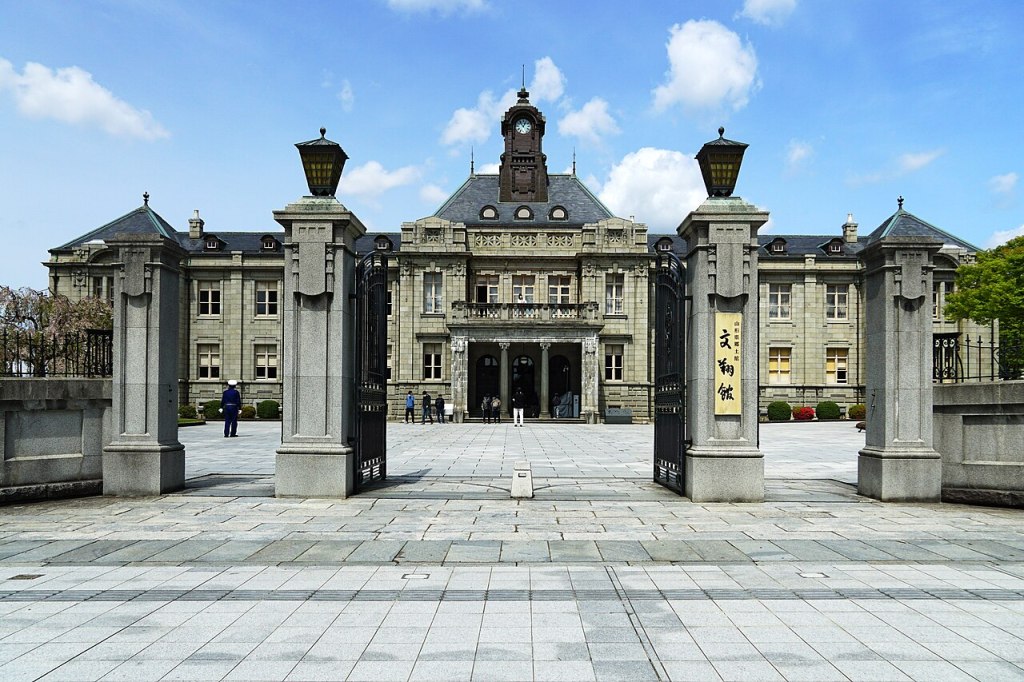
- The Bunshokan is the reason most visitors stop. It is the former prefectural office, built in 1916 in a mixture of Renaissance and Tudor styles, and it is one of the best-preserved Meiji and Taisho public buildings in Japan. The interior is wood-panelled and tiled, the staircase is a set piece, and entry is free.
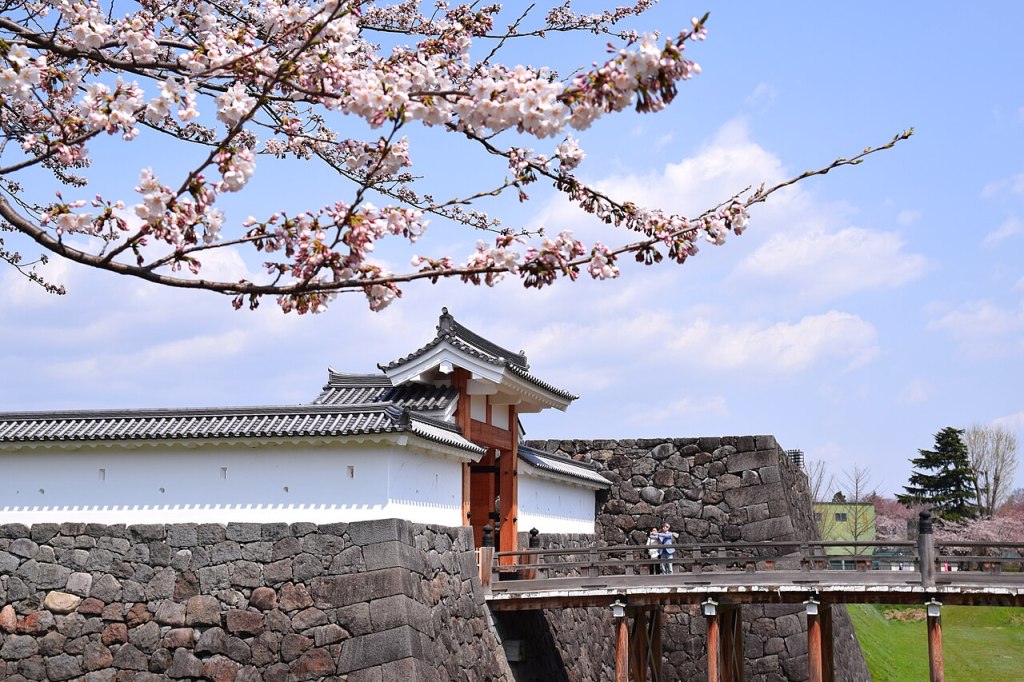
- Kajo Park occupies the site of Yamagata Castle, of which only the moats and earthworks remain. It is the city’s main blossom spot, with hundreds of cherry trees, and the prefectural museum and the art museum sit on its edge. The castle site itself is a grassy outline, best understood with a map.
- Yamagata is also a food city. Cherries are the prefecture’s signature crop, the ramen is a cold soup version in summer, and the local soba and beef are good. The covered arcades of the city centre hold the shops and restaurants, and the whole place is walkable from the station.
Top places and highlights
The Bunshokan
The former Yamagata prefectural office was built in 1916 and is now a museum and civic building. The exterior mixes brick, stone and copper, and the interior is a sequence of wood-panelled rooms, tiled floors and a grand staircase. It is free to enter, and the displays explain the building’s history and the prefecture’s administration.
Kajo Park
The park occupies the castle site, and the moats, banks and a few stone walls are what survive of the castle. It is the city’s blossom ground, with a dense planting of cherry trees that peaks in mid-April, and the rest of the year it is a quiet place for walking. The prefectural museum and the art museum are at the edges.
The Yamagata Prefectural Museum
The museum covers the natural and human history of the prefecture, from the mountains and the Japan Sea coast to the life of the castle town. It is a solid regional museum, well labelled and calm, and it gives context to the rest of the prefecture. Check the closed days, which follow the municipal pattern.
The city centre arcades
The shopping streets around Nanokamachi and the station are covered, which matters in a city with heavy snow. They hold the local restaurants, the sweet shops and the older stores, and walking them is the way to see everyday Yamagata. The evening food streets behind the arcades are small and convivial.
Cherries and the fruit road
Yamagata produces most of Japan’s cherries, and the orchards south of the city along the so-called fruit road sell them in season. In late June and July the stands are open, and picking is possible at some farms. The same area grows peaches, grapes and pears through the summer and autumn.
Yamagata ramen
The local ramen comes in two forms: a hot shoyu bowl and a cold version served in summer, with a chilled soup and firm noodles. The cold version is unusual outside the prefecture and worth ordering if you visit between June and September. The shops are small and cheap, and the local guides keep their own rankings.
The view from Mount Zao
The Zao range is an hour out of the city and has its own article, but on a clear day the mountains are visible from the city’s taller buildings and from the park. In winter the snow monsters on the Zao plateau are the region’s best-known sight, and the bus from Yamagata station is the usual way up.
Food and drink
- Cherries are the prefecture’s signature fruit, in season from late June, along with peaches and La France pears.
- Yamagata ramen comes in a hot shoyu version and a cold summer version with chilled soup.
- Soba is made with local buckwheat, and the shops around the centre serve it cold with a dipping sauce.
- Yonezawa beef is available in the city’s restaurants, though it is the specialty of Yonezawa itself.
- The arcades have old sweet shops selling imoni and fruit sweets, and the local sake is good.
Getting there and around
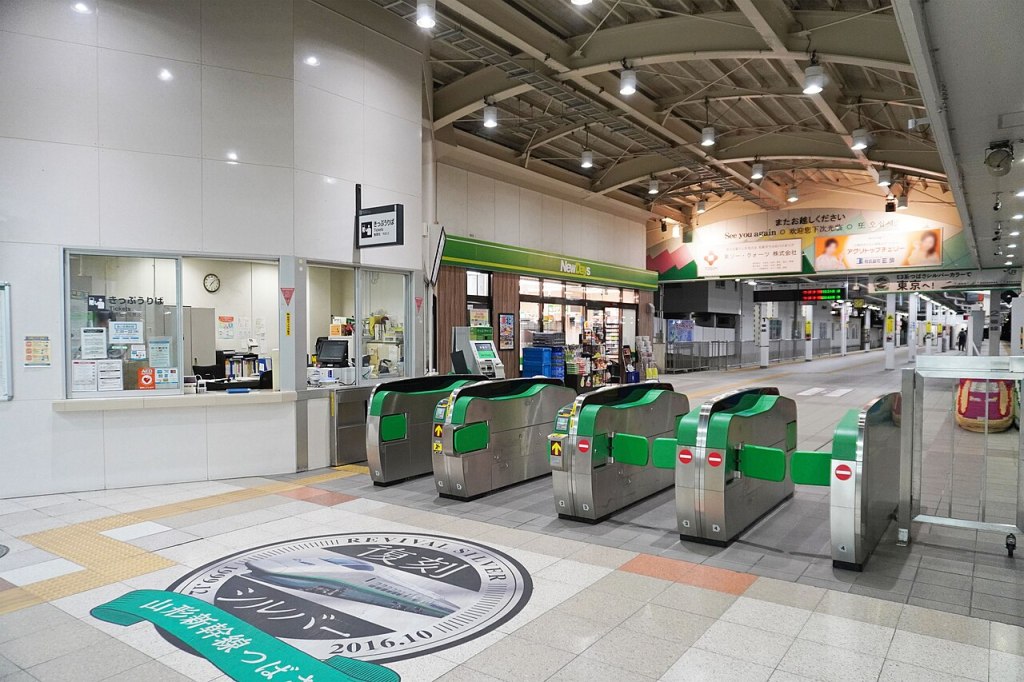
- Yamagata station is on the Yamagata Shinkansen, about two and a half hours from Tokyo and forty minutes from Yonezawa.
- The Bunshokan and Kajo Park are a twenty-minute walk or a short bus ride from the station.
- Local buses run from the station to the park and the museums, and the city centre arcades are walkable.
- Yamagata airport handles domestic flights from Tokyo and Osaka, with buses into the city.
- A car is useful for the fruit orchards and Zao, but the city itself does not need one.
Where to stay
- Business hotels cluster around the station and the arcades, and they are the practical choice.
- A few ryokan and onsen inns sit on the edge of the city and in the Zao direction.
- Zao Onsen, an hour away, has the largest concentration of inns if you want a mountain base.
- Book ahead in cherry blossom season and during the Zao winter season.
Best time to visit
- Mid-April is cherry blossom in Kajo Park, the busiest week of the year.
- Summer is warm and humid, with the cold ramen season and fruit in the orchards.
- Autumn is clear and cool, with colour on the mountains and the grape harvest.
- Winter is snowy and cold, with the arcades at their most useful and Zao at its best.
Practical tips
- The Bunshokan closes on some weekdays, so check before making it the centre of the day.
- Cherry blossom dates move; the park is worth a visit even outside the season.
- The city is spread out, so use a bus for the museums and walk the arcades.
- Carry cash for the smaller ramen shops and the fruit stands.
- If you are going to Zao, allow a full day and check the ropeway status in winter.
- Yamagata is a good overnight stop between Tokyo and the north, and one night is enough for the city.
Suggested day-trip outline
- Morning: arrive at Yamagata Station and walk to the Bunshokan.
- Late morning: the Bunshokan interior and the displays.
- Midday: Kajo Park and the castle site.
- Lunch: Yamagata ramen in the arcades.
- Afternoon: the prefectural museum, or the fruit road south of the city.
- Evening: dinner in the arcades, then the shinkansen onwards.
Before you go
Timetables, fares, admission fees, and seasonal access rules can change. Check the official tourism and transport sites linked below for the latest information before you travel.
Explore More of Japan
Published guides that pair with this one:
- Yonezawa Travel Guide: Uesugi Country, Beef and Castle Ruins
- Sendai Travel Guide: Gyutan, Jozenji-dori and the Gateway to Tohoku
- Sakata Travel Guide: Rice Warehouses, Maiko and the Kitamae Port
- Dewa Sanzan Travel Guide: Haguro, Gassan, and Yudono
- Ginzan Onsen Travel Guide: Historic Hot-Spring Town in Yamagata
Browse every Tohoku guide on this site for the rest of the region.
Sources
- city.yamagata-yamagata.lg.jp (checked 2026-11-06)
- yamagatakanko.com (checked 2026-11-06)


Leave a Reply