A practical English guide to Kesennuma in Miyagi: the port and its seafood, the bay views, the memorial sites and access from Sendai.
Operational details such as opening hours, admission fees, and train times can change. Prefer official pages and reconfirm before you travel (sources checked on 05 November 2026).
Why visit
- Kesennuma is a fishing city on the Sanriku coast of Miyagi, at the head of a deep bay, and it was for generations one of the great fishing ports of Japan, sending boats across the Pacific and bringing back tuna, bonito, saury and the shark that the town still processes. The port is the reason the city exists, and the sea is in everything: the food, the work, the shape of the streets.
- The bay is the most beautiful part of the city. The water is deep and sheltered, the hills come down steeply on both sides, and the Oshima island sits at the mouth, connected by a bridge. The views from the hills and from the waterfront, and the drive along the Karakuwa peninsula opposite, are the reason to linger.
- The city was heavily damaged by the 2011 earthquake and tsunami, and the coast has been rebuilt with higher ground, new roads and a waterfront park, and the memorial sites and the rebuilt market are part of a visit. The city has chosen to explain what happened rather than hide it, and the result is a place that feels honest about its recent past.
- Kesennuma is also a food destination. The tuna, the bonito, the oysters and the shark fin are the local specialities, and the market and the restaurants serve them at prices that are low for the quality. It is a stop on the Sanriku coast route, between Sendai and the northern coast, and it deserves a night rather than an hour.
Top places and highlights
The port and the market
The port is a working landscape of boats, ice houses, warehouses and cranes, and the rebuilt market sells the catch to the public, with restaurants around the edges. The tuna is the local pride, landed in large numbers and auctioned in the early morning, and the bonito and the saury follow through the seasons. Go early for the market, and eat a bowl of the day’s fish for breakfast, which is the local custom.
The bay and the bridge
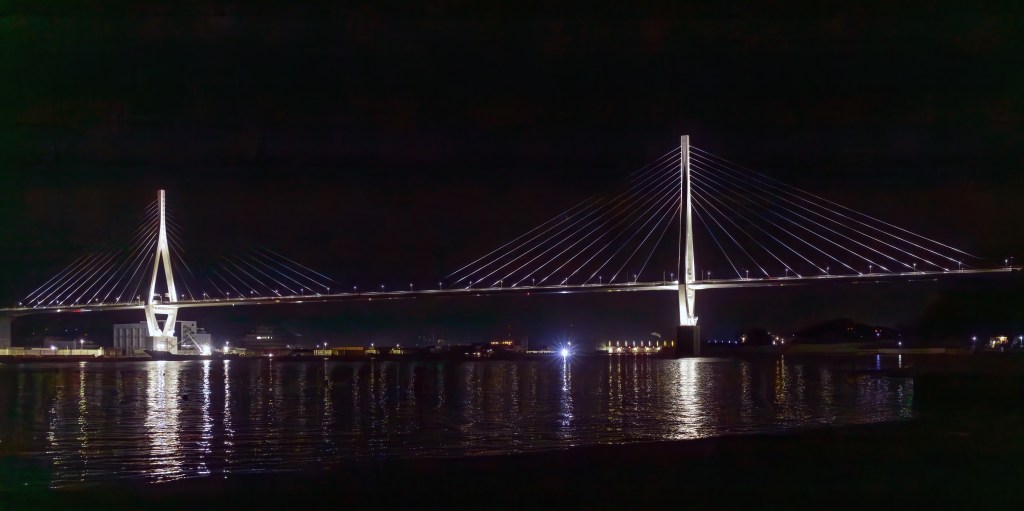
The bay is the city’s defining feature, with the hills dropping to the water on both sides and the Oshima island at the mouth. The new bridge crosses to the island, and the drive or the walk across gives a view back to the city and out to the Pacific. The waterfront park and the promenade are good places to watch the boats and the light, and the evening view from the hills is the local postcard.
Oshima island
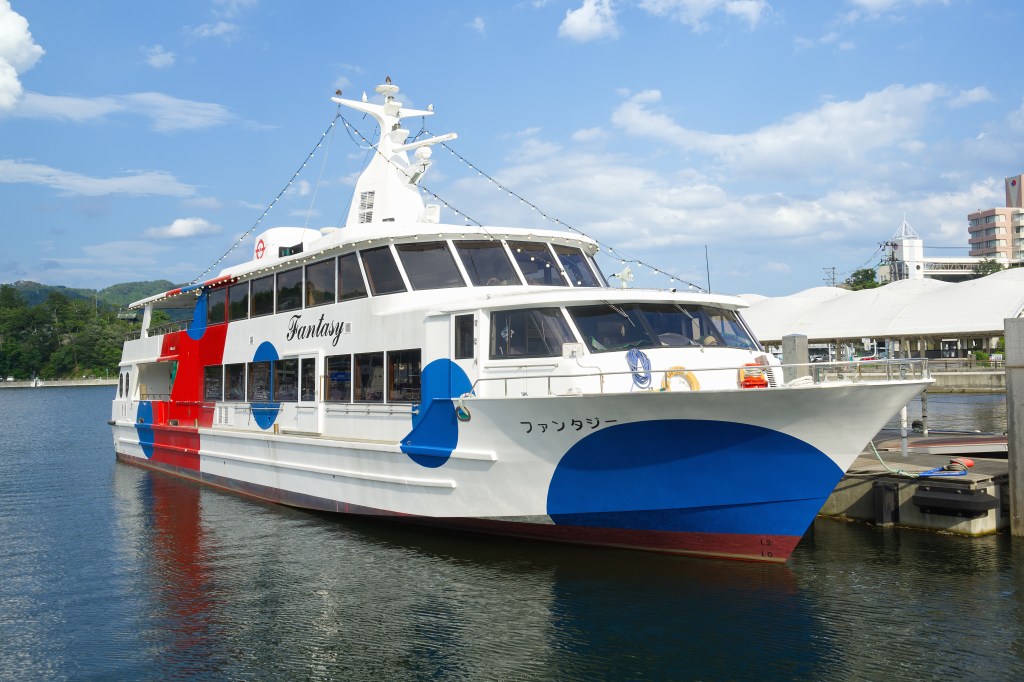
Oshima sits at the mouth of the bay, and it is reached by the bridge or by ferry, with a small village, a beach, a shrine and a network of walking trails. The island has a quieter rhythm than the city, and the views back across the water are the reason to go. The shrine and the old houses are modest, and the coast is the attraction.
The tsunami memorial sites
The city has preserved several sites from the 2011 disaster, including the remains of a building and the raised embankments, and the memorial museum explains the event, the losses and the reconstruction. It is a sobering and important stop, and it is presented with care rather than sensation. Allow an hour, and go before the food and the bay so that the visit has weight.
The Karakuwa peninsula
The peninsula on the south side of the bay has a rugged coast, small fishing villages, a lighthouse and a series of viewpoints over the bay and the Pacific. The drive along the coast road is one of the best in the region, with the sea on one side and the hills on the other, and the peninsula is quiet even in summer. Stop at the viewpoints and the small ports, and look back at Kesennuma across the water.
The seafood and the local food
Kesennuma is one of the best places in Japan to eat tuna and bonito, and the restaurants around the market and the port serve them as sashimi, grilled or in bowls. The oysters in winter and the shark fin dishes are the local specialities, and the prices are lower than in the big cities. It is a working port, and the food is the honest cooking of a fishing town.
The hills and the city views
The city is squeezed between the bay and the hills, and the roads up to the residential districts give views over the water, the bridge and the port. The hill parks and the small shrines on the slopes are quiet, and the sunset over the bay is the best free sight in the city. A car or a bus to the higher districts is worth the effort.
Food and drink
- Tuna is the local pride, served as sashimi, grilled or in a bowl, and the market restaurants sell it at prices well below the cities. The bonito is the other staple, and the season runs through the summer and autumn.
- The oysters of the Sanriku coast are good in winter, and the restaurants around the port serve them raw, grilled or in a hot pot.
- The shark fin is a local delicacy, used in soups and stews, and it is a legacy of the port’s long involvement in the shark fishery. It is expensive and worth trying once in a set meal.
- The market serves breakfast bowls and sushi from the early morning, and the local habit is to eat there before the day starts.
- The city has the usual ramen and soba shops, and the local sake from the Miyagi breweries is dry and clean. The bars around the station carry the regional labels.
Getting there and around
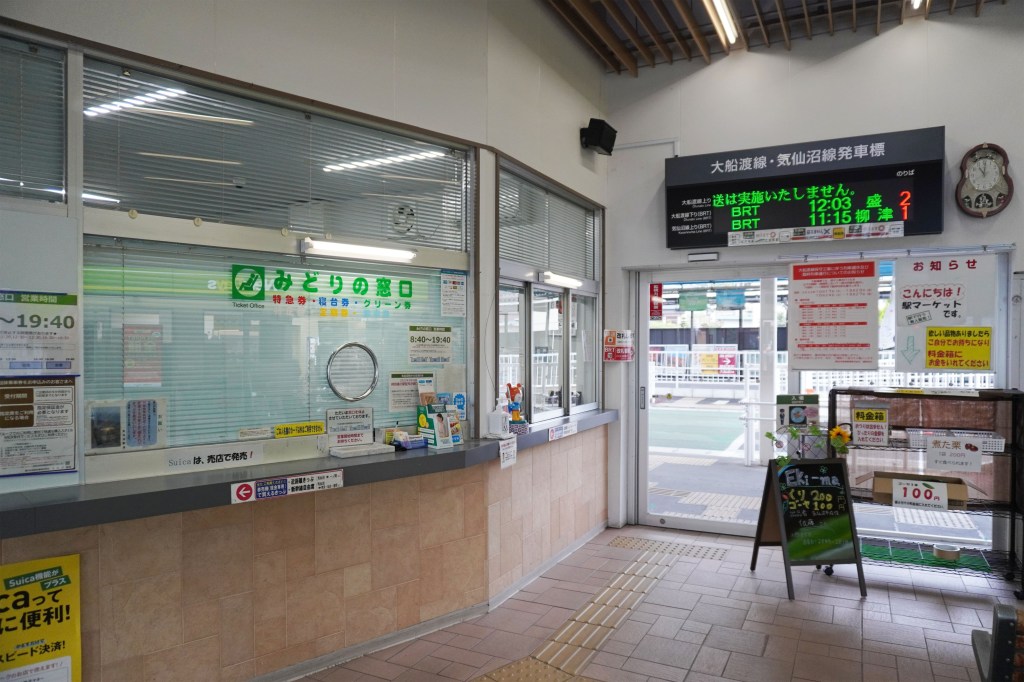
- Kesennuma is on the JR Kesennuma line and the Ofunato line, about two hours from Sendai with a change at Ichinoseki or Maeyachi, and the station is in the centre of the city. The bus from Sendai takes about two hours and a half.
- By car, the Sanriku expressway and the national roads connect Kesennuma with Sendai, Ichinoseki and the northern coast, and the drive along the coast is scenic.
- The city is compact and walkable, with the market and the waterfront within twenty minutes of the station, but the peninsula and Oshima need a car or a bus.
- From Tokyo, the shinkansen to Ichinoseki and the train takes about four hours, which makes the city a stop on a longer Tohoku trip rather than a day trip.
- The ferry to Oshima runs from the port, and the bridge gives a road connection for cars and bicycles.
Where to stay
- Hotels and guesthouses around Kesennuma station are the practical base, with business hotels and a few larger ones within walking distance of the market and the restaurants.
- The rebuilt waterfront has a few hotels with views over the bay, and they are the most comfortable option in the city.
- The inns on the Karakuwa peninsula and around Oshima are small and quiet, with sea views and local meals, and they suit a slower stay.
- Sendai is two hours away and has the full range of accommodation, but the trade-off is missing the early market and the evening light on the bay.
Best time to visit
- Summer and autumn are the best time for the fish, with bonito and tuna at their best, and the bay is calm and blue. The peninsula is green and the coast road is pleasant.
- Winter brings oysters and a grey sea, and the city is quiet. The memorial sites and the market are the main attractions, and the food is at its best.
- Spring is mild and clear, with the cherry trees in the parks and the hills. The town is quiet before the summer season.
- The rainy season runs from early June to mid-July. The market, the museum and the bay views are good wet-weather options.
- Typhoons can affect the coast from August to September. Check the forecast and the transport before travelling in those months.
Practical tips
- Go to the market early. The best fish and the breakfast bowls are gone by midday, and some stalls close on certain days.
- Allow time for the memorial sites. They are the context for everything else in the city, and they deserve more than a glance.
- Drive the Karakuwa peninsula if you have a car. The coast road is one of the best in the region.
- Carry cash for the market and the small restaurants. Not every shop takes cards.
- Book a table for dinner if you want the local tuna and oysters. The good places are small and fill up.
- Check the ferry and bridge access to Oshima. The island is quiet and the facilities are limited.
Suggested day-trip outline
- Morning: arrive by train or car, go straight to the market for breakfast and the auction atmosphere.
- Late morning: the waterfront and the bay, then the tsunami memorial museum and the preserved sites.
- Lunch: a tuna or bonito bowl at one of the market restaurants.
- Afternoon: the drive along the Karakuwa peninsula, with stops at the viewpoints and the small ports.
- Late afternoon: the bridge to Oshima, or the hills above the city for the view over the bay.
- Evening: dinner with the local fish and sake, and a night in a waterfront hotel.
Before you go
Timetables, fares, admission fees, and seasonal access rules can change. Check the official tourism and transport sites linked below for the latest information before you travel.
Explore More of Japan
Published guides that pair with this one:
- Sendai Travel Guide: Gyutan, Jozenji-dori and the Gateway to Tohoku
- Matsushima Travel Guide: Pine Islands and a Day from Sendai
- Sanriku Coast Travel Guide: Jodogahama, Kitayamazaki and the Sanriku Railway
- Kakunodate Travel Guide: Samurai Streets and Weeping Cherries
- Hiraizumi Travel Guide: UNESCO Temples and Gardens in Iwate
Browse every Tohoku guide on this site for the rest of the region.
Sources
- kesennuma-kanko.jp (checked 2026-11-05)
- tohokukanko.jp (checked 2026-11-05)


Leave a Reply