A practical English guide to Bihoro in eastern Hokkaido: the Bihoro pass viewpoint over Lake Kussharo, the Akan caldera, the town’s hot spring and access from Abashiri.
Operational details such as opening hours, admission fees, and train times can change. Prefer official pages and reconfirm before you travel (sources checked on 06 November 2026).
Why visit
- Bihoro is a farming town on the Okhotsk side of eastern Hokkaido, at the foot of the pass that climbs from the coast into the Akan caldera. The town itself is ordinary, but the pass above it is one of the great viewpoints of Hokkaido: a road that climbs through forest and then opens onto a view over Lake Kussharo and the rim of the caldera.
- The pass is the reason people come. From the top, the lake lies below in a bowl of forest, with the island of Nakajima in the middle and the mountains beyond, and on clear days the whole caldera is visible at once. In autumn the slopes are red and yellow, and in winter the road is closed and the view is under snow.
- The second attraction is the caldera itself. Lake Kussharo, Lake Mashu and Lake Akan are all within an hour of the pass, along with the hot springs at Kawayu and the sulphur vents at Iozan. It is one of the densest concentrations of volcanic scenery in Japan, and Bihoro is the gateway on the northern side.
- The town has a hot spring, a small museum about the Ainu and the local history, and the farmland that produces the region’s potatoes, wheat and sugar beet. It is a practical base for the lakes, with cheaper rooms than the resorts around Akan, and the drive from Abashiri takes about an hour.
Top places and highlights
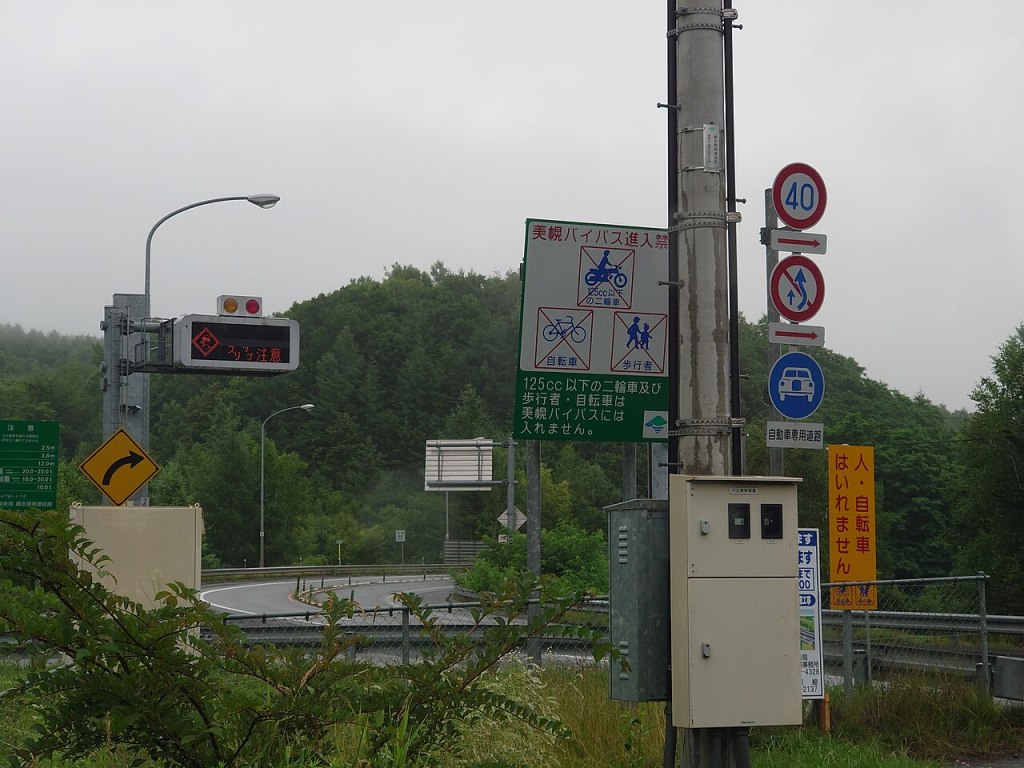
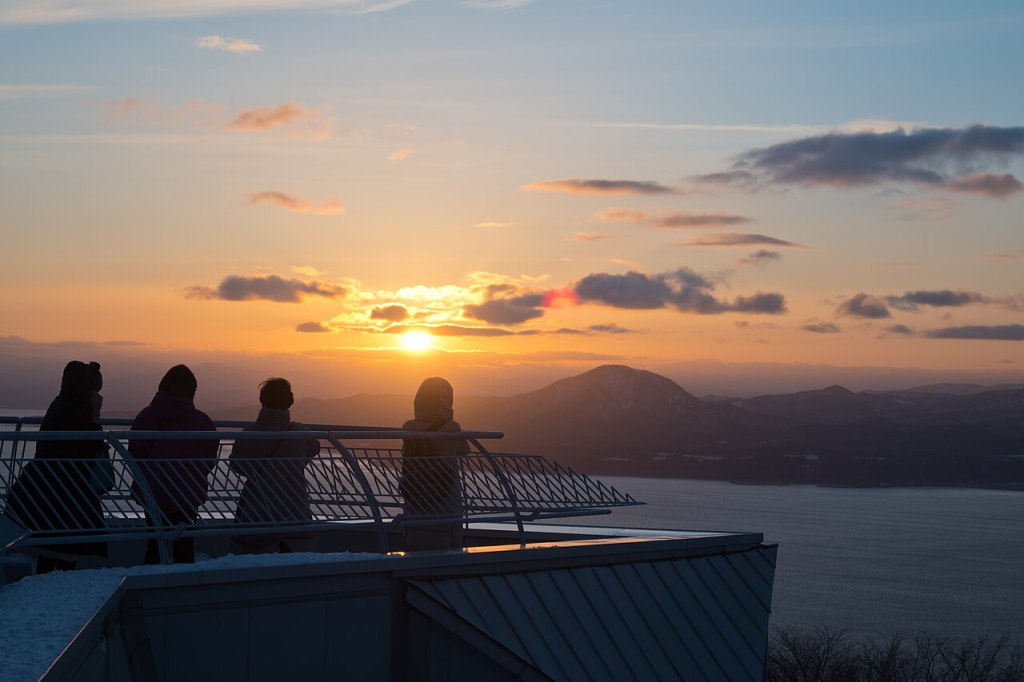
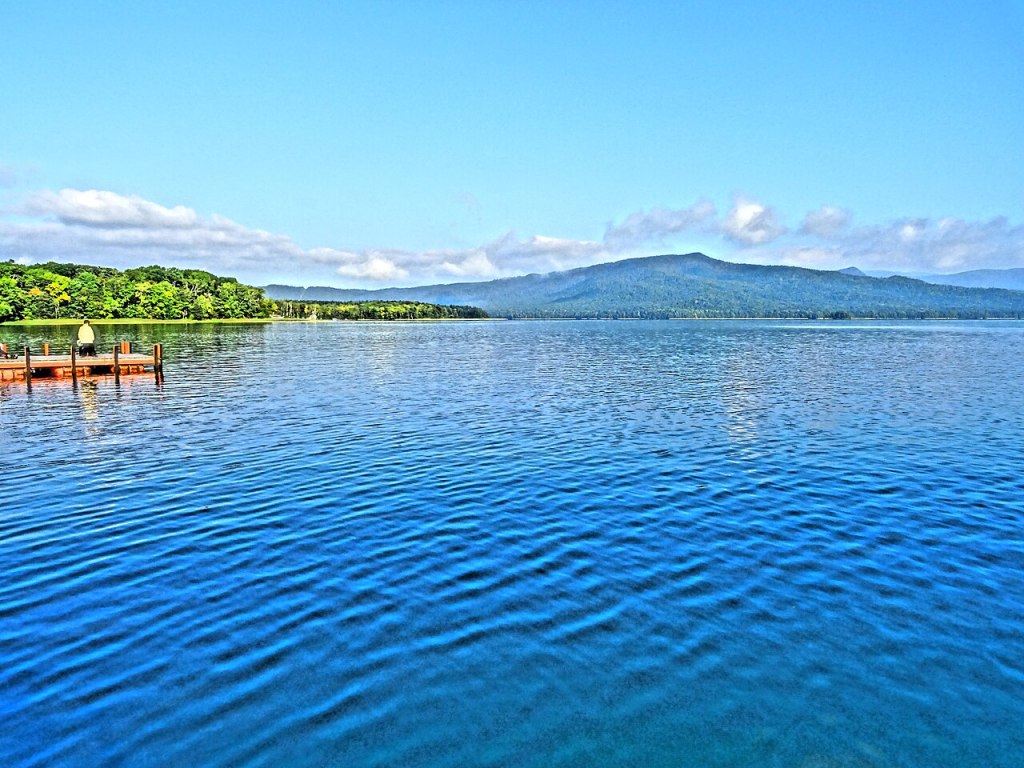
The Bihoro pass
The road climbs from the town through forest to a saddle above Lake Kussharo, with a car park and a view over the whole caldera. It is the classic photograph of the lake, and the light at sunset and early morning is the best. The road closes in winter, usually from November to April.
Lake Kussharo
The lake below the pass is the largest caldera lake in Japan, with a sandy shore, the island of Nakajima and hot springs on the beach at Sunayu. It is warm enough to swim in summer, and the Whooper swans winter on the water. The shore road is a good drive.
The Akan caldera
Lake Akan and its hot spring resort lie on the western side of the caldera, with the marimo algae, the Ainu village and the mountains behind. It is more developed than Kussharo, with large hotels and boat trips. The drive between the two lakes crosses the caldera rim.
Lake Mashu
The other caldera lake is famous for its clarity and its fog, with two observation decks on the rim and a deep blue colour on clear days. It is a short drive from Kawayu, and it is often combined with the pass and Kussharo in one loop. The fog is part of the experience.
The town hot spring
Bihoro has a public bath and a small hot spring facility used by the local people, with simple water and low prices. It is not a resort, but it is a good way to end a day after the lakes. The town also has a few restaurants serving the local produce.
The farmland
The plain around the town is a patchwork of potatoes, wheat, sugar beet and beans, running to the forest edge, and the scale is the Hokkaido landscape at its most open. The roads are straight and empty, and the views back to the caldera rim are the best part of the drive.
The Ainu and local history
The town has a small museum covering the Ainu presence in the region and the modern settlement, along with the tools and the everyday objects of the fishing and farming life. It is modest, but it gives the landscape a human history. Check the opening days.
Food and drink
- Potatoes, wheat and sugar beet from the surrounding fields are the base of the local cooking.
- The lake fish, including the smelt and the trout, are served at the inns around Kussharo and Akan.
- Dairy from the region is good, and the soft ice cream is sold at the roadside stops.
- The restaurants in the town serve ramen, set meals and the local pork.
- The Akan area has larger hotel restaurants and a few Ainu-run places serving the traditional dishes.
Getting there and around
- Bihoro is about an hour by car from Abashiri and forty minutes from Kitami.
- The town is on the JR Sekihoku line, with a station close to the centre.
- The pass is a short drive from the town, and the road continues down to Kussharo and Kawayu.
- Memambetsu airport is about forty minutes away, with flights to Tokyo and Sapporo.
- A car is essential for the pass and the lakes, since the buses are infrequent.
Where to stay
- The town has a few small hotels and inns, cheaper than the Akan resorts.
- The Kawayu and Kussharo areas have hot spring inns with meals.
- The Akan resort has the largest hotels and the boat trips.
- Book ahead in the autumn colour season and in summer.
Best time to visit
- Spring is late, with snow on the caldera rim into May.
- Summer is cool and green, the best season for the lakes and the pass.
- Autumn is the colour season, from late September, and the busiest.
- Winter closes the pass, and the lakes are frozen and quiet.
Practical tips
- The pass road closes in winter; check the conditions before planning around it.
- The viewpoint is exposed and windy; bring a jacket even in summer.
- The lakes are cold even in summer; swimming is for the brave.
- Fuel up in Bihoro or Kawayu, since the stations are far apart.
- The museum keeps limited hours and closes in winter.
- Allow a full day for the pass, Kussharo, Mashu and the Akan area.
Suggested day-trip outline
- Morning: the drive from Abashiri to Bihoro and up the pass.
- Mid-morning: the viewpoint over Lake Kussharo.
- Late morning: the lake shore and Sunayu.
- Lunch: a set meal in Kawayu or the town.
- Afternoon: Lake Mashu and the caldera road.
- Evening: a hot spring at Kawayu, or back to Bihoro.
Before you go
Timetables, fares, admission fees, and seasonal access rules can change. Check the official tourism and transport sites linked below for the latest information before you travel.
Explore More of Japan
Published guides that pair with this one:
- Takinoue Travel Guide: The Moss Phlox Hills of Northern Hokkaido
- Tsurui Travel Guide: Red-Crowned Cranes in Eastern Hokkaido
- Wakkanai Travel Guide: Japan’s Northernmost City and Cape Soya
- Mount Moiwa Travel Guide: Sapporo Night View and the Ropeway
- Onuma Quasi-National Park Travel Guide: Lakes, Islands and Mount Komagatake
Browse every Hokkaido guide on this site for the rest of the region.
Sources
- town.bihoro.hokkaido.jp (checked 2026-11-06)
- visit-hokkaido.jp (checked 2026-11-06)


Leave a Reply