A practical English guide to Ikebukuro in Tokyo: the station’s east and west sides, Sunshine 60, the ramen street, the bookshops and the theatres.
Operational details such as opening hours, admission fees, and train times can change. Prefer official pages and reconfirm before you travel (sources checked on 06 November 2026).
Why visit
- Ikebukuro is one of the busiest stations in the world and the centre of a district that Tokyo people treat as a slightly unfashionable alternative to Shinjuku and Shibuya. That reputation is out of date: the area has two department stores, a huge underground mall, a serious ramen street, some of the best bookshops in the city and a theatre scene of its own.
- The geography is simple and useful. The west side is the department stores, the art museum, the hotels and the offices; the east side is the bars, the cheap restaurants, the game centres and the entertainment district. They meet under the station, in a warren of passages that takes a visit to learn.
- The district is also the centre of anime and manga retail, with the bookshops and the character shops on the east side, and it has a large Chinese and Southeast Asian community, which shows in the restaurants. The food is one of the best reasons to come: ramen, gyoza, Chinese, Korean and the usual Japanese chains, all at city prices.
- The third reason is Sunshine 60, the tower that was the tallest in Asia when it opened, with an observatory, an aquarium, a planetarium and a shopping complex at its base. The view from the top is not as famous as Tokyo Tower or Skytree, but it is cheaper and quieter, and the sunset over the city is good.
Top places and highlights
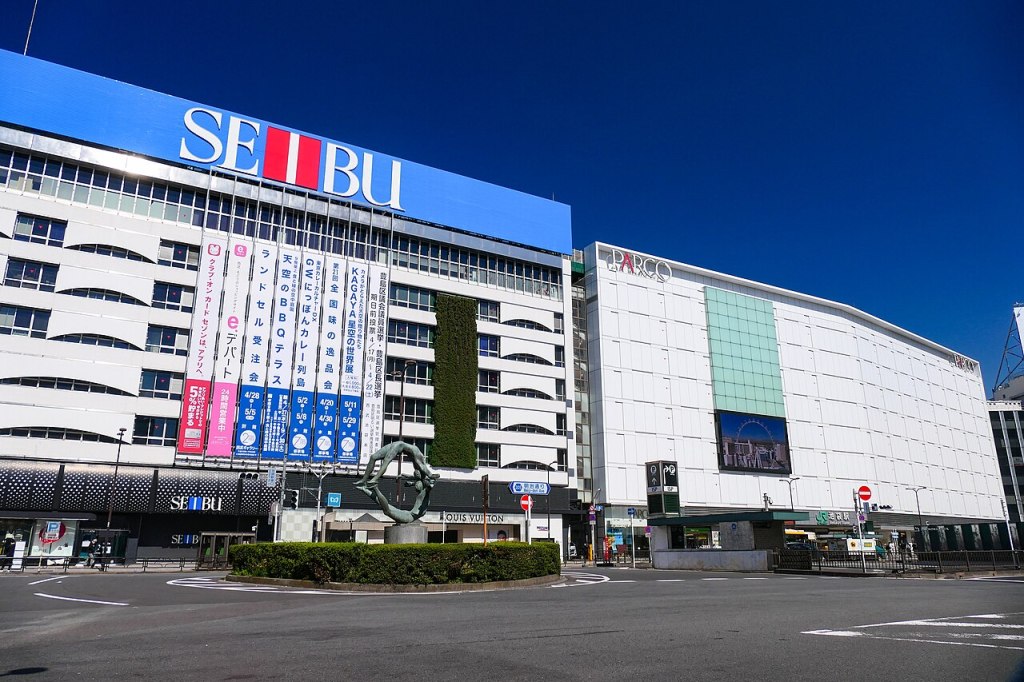
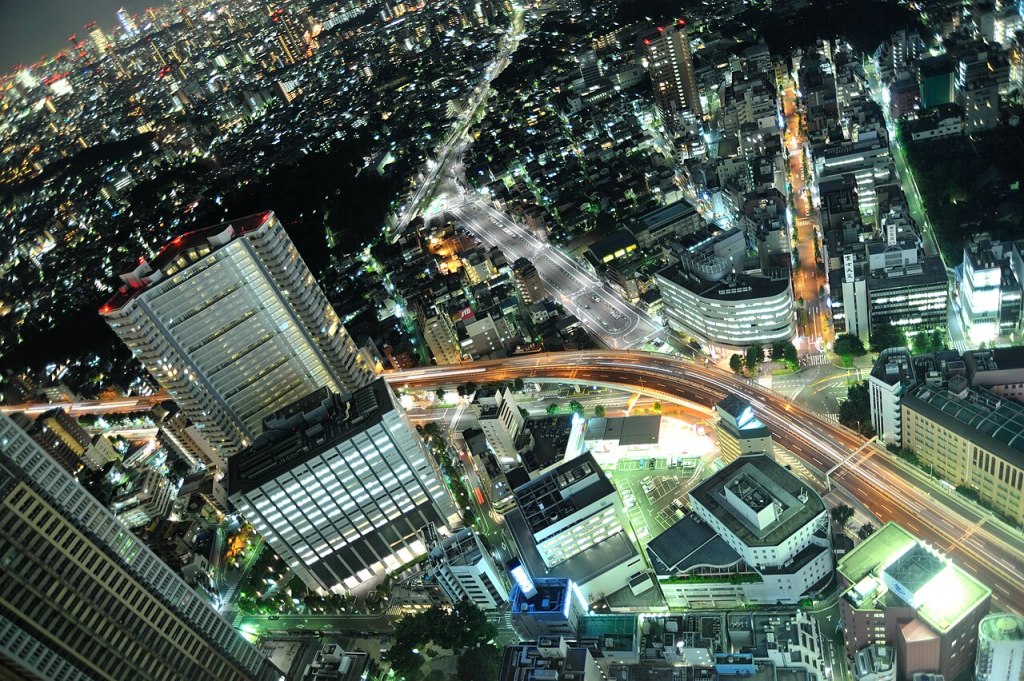
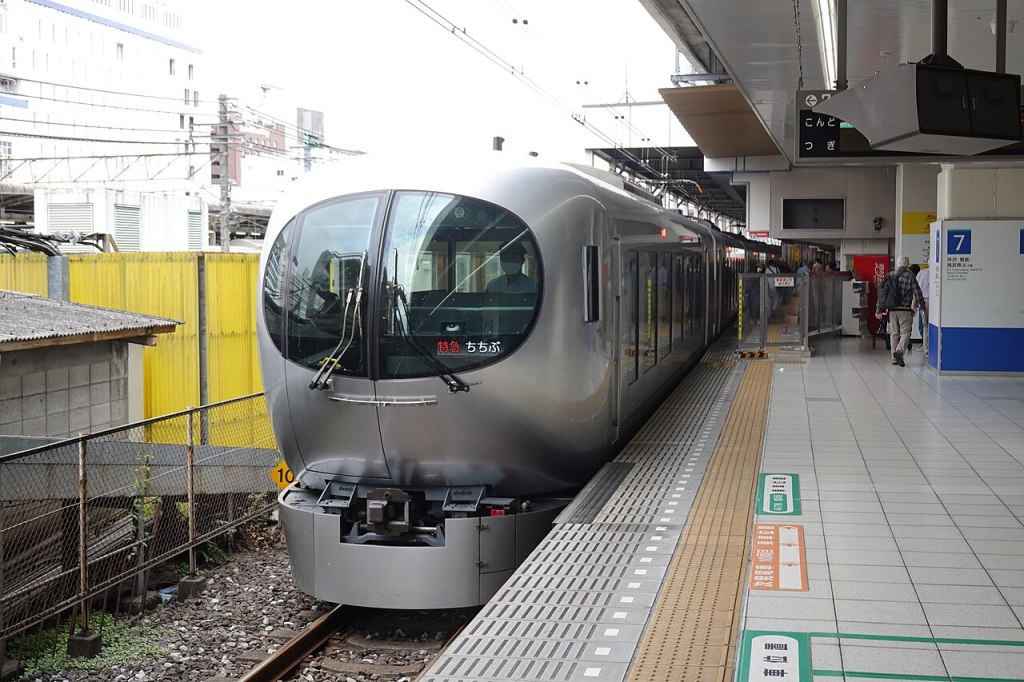
Sunshine 60
The tower has an observatory on its upper floors, with a view over the city to the west and the mountains on a clear day. The base contains an aquarium, a planetarium and a large shopping complex, and the whole place is quieter than the equivalent in Shinjuku. The sunset is the best time to go up.
The east side
The streets east of the station are the entertainment district: bars, cheap restaurants, game centres, karaoke and the character shops. It is scruffier and livelier than the west, and it is where the district eats at night. The lanes behind the main street hold the smallest bars.
The west side and the department stores
The west side has the two big department stores, the art museum, the hotels and the office towers, with a wide plaza in front of the station. The basement food halls are worth a visit even if you buy nothing. It is calmer and more expensive than the east.
The ramen street
The basement of the station building has a row of ramen shops chosen from across the country, and it is busy at lunch and dinner. It is a convenient way to try several regional styles without leaving the city. Queues are normal at the popular shops.
The bookshops
Ikebukuro has some of the largest bookshops in Tokyo, including ones that fill whole floors with manga, art books and magazines. They are a destination in themselves for readers, and the district’s anime and manga retail is concentrated around them. The English sections are small but usable.
The theatres
The district has several theatres, including the large one in the Sunshine complex and the smaller halls around the station, and it is a centre for musicals and straight plays. Tickets are cheaper than in the central districts, and the audience is local. Check the schedules before you go.
The food streets
The lanes north-east of the station have a dense cluster of small restaurants: gyoza, Chinese, Korean, yakitori and curry. The Chinese and Southeast Asian places reflect the community that lives here, and the prices are low. It is the best value eating in central Tokyo.
Food and drink
- The station’s ramen street collects regional styles in one basement row.
- Chinese, Korean and Southeast Asian restaurants reflect the district’s residents.
- The department store basements sell prepared food cheaply at closing time.
- Gyoza and yakitori in the east-side lanes are the standard evening meal.
- The cafes in the bookshops are good for a break, and the chains are everywhere.
Getting there and around
- Ikebukuro is on the JR Yamanote, Saikyo and Shonan-Shinjuku lines, and on the Marunouchi, Yurakucho and Fukutoshin subway lines.
- It is about ten minutes from Shinjuku and fifteen from Tokyo station by train.
- The station has several exits, and the east and west sides are connected by passages and the underground mall.
- Narita and Haneda airports are both reachable by train with one change.
- The district is walkable once you are out of the station, though the exits are confusing.
Where to stay
- Business hotels cluster on the west side and around the station.
- The east side has cheaper guesthouses and capsule hotels.
- The larger hotels are near the metropolitan theatre and the Sunshine complex.
- Book ahead in the summer and around the theatre seasons.
Best time to visit
- Spring is mild, with blossom in the parks and comfortable walking.
- Summer is hot and humid, and the underground passages are the way to move.
- Autumn is clear and cool, the best season for the observatory and the streets.
- Winter is cold and dry, with clear views from Sunshine 60.
Practical tips
- Learn which exit you need before leaving the station; the district is confusing at first.
- The west and east sides have different characters; cross under the station rather than walking around.
- The ramen street is busiest at lunch; go early or late.
- Sunshine 60’s observatory is cheaper at night, and the aquarium needs a separate ticket.
- The east-side lanes are safe but busy; watch for touts near the game centres.
- Cash is still useful at the smaller restaurants.
Suggested day-trip outline
- Morning: the west side and the department store food halls.
- Late morning: the bookshops and the art museum.
- Lunch: the ramen street.
- Afternoon: the east side and the character shops.
- Late afternoon: Sunshine 60 and the observatory at sunset.
- Evening: gyoza and yakitori in the east-side lanes.
Before you go
Timetables, fares, admission fees, and seasonal access rules can change. Check the official tourism and transport sites linked below for the latest information before you travel.
Explore More of Japan
Published guides that pair with this one:
- Tokyo Travel Guide: Neighborhoods, Transport and a First-Timer’s Plan
- Shinjuku Travel Guide: Shinjuku Gyoen, Kabukicho and the Old Lanes
- Shibuya Travel Guide: SHIBUYA SKY, Scramble Crossing & Things to Do in Tokyo
- Yokosuka Travel Guide: The Battleship Mikasa, Sarushima and Navy Curry
- Asakusa and Senso-ji Travel Guide: Temple Gates, Nakamise and the Sumida River
Browse every Kanto guide on this site for the rest of the region.
Sources
- gotokyo.org (checked 2026-11-06)
- japan.travel (checked 2026-11-06)


Leave a Reply