A practical English guide to Yokosuka in Kanagawa: the preserved battleship Mikasa, the island of Sarushima, the Dobuita street and the navy curry, an hour from Tokyo.
Operational details such as opening hours, admission fees, and train times can change. Prefer official pages and reconfirm before you travel (sources checked on 06 November 2026).
Why visit
- Yokosuka is a naval city at the mouth of Tokyo Bay in Kanagawa, an hour from Tokyo by train, and it has a character that no other Japanese city shares. The base has been here since the nineteenth century, the shipyards built the largest battleships of their day, and the streets around the gate have been serving sailors, foreign and Japanese, for generations.
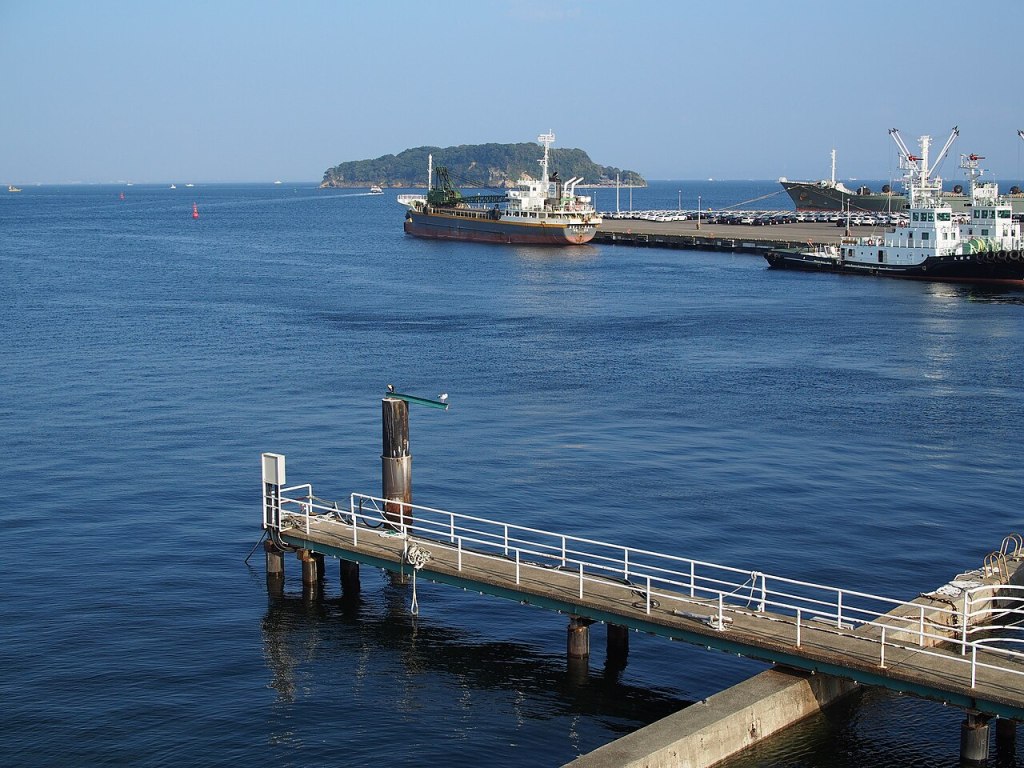
- The single best sight is the Mikasa, the pre-dreadnought battleship preserved in concrete beside the waterfront. It is the flagship of the Russo-Japanese war, a museum with its original fittings and guns, and it is one of very few surviving ships of its era anywhere. The deck view over the bay to Sarushima is part of the visit.
- Sarushima, the uninhabited island in the mouth of the bay, is a short ferry ride from the port. It has a beach, a wooded interior and the brick remains of a Meiji-era fort, and it is a popular summer escape for people from the city. The combination of fortifications, trees and water is odd and pleasant.
- The food is the other attraction: Yokosuka navy curry, a thick, dark curry derived from the naval recipe, and the bars of Dobuita, the street of shops and small bars that grew up beside the base. There is also a substantial ramen culture. The city is not beautiful, but it is specific, and that is more interesting.
Top places and highlights
The battleship Mikasa
The ship is preserved in concrete at Mikasa Park, with its guns, bridge, cabins and a museum of the Russo-Japanese war inside the hull. It was built in Britain and served as Admiral Togo’s flagship at Tsushima, and the restoration is careful. The deck gives a view over the bay to Sarushima, and the park around it is free.
Sarushima
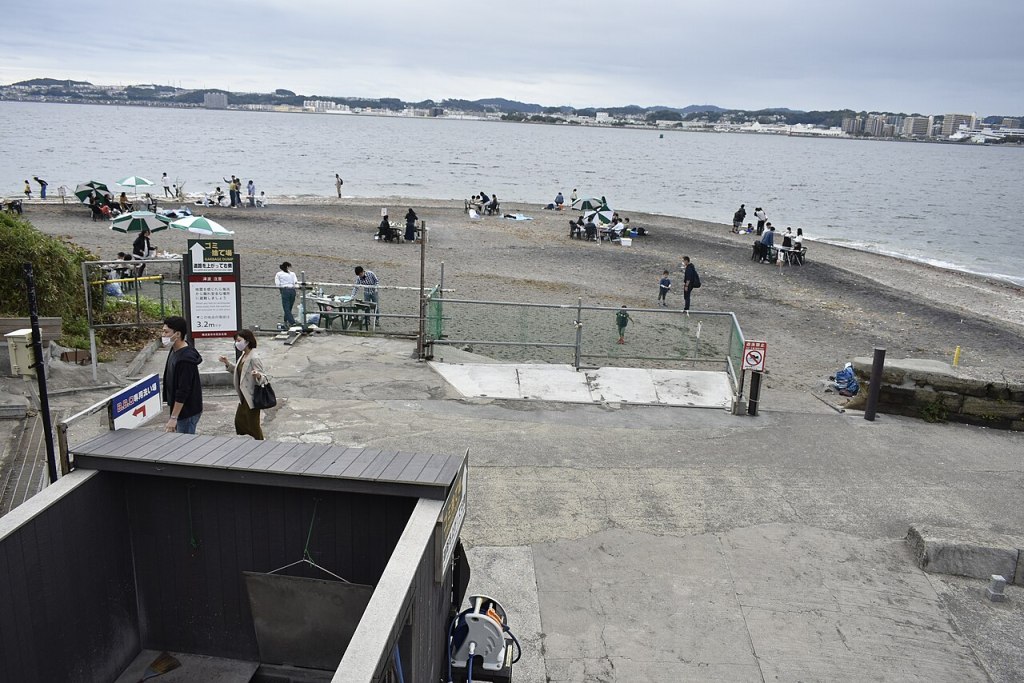
The island is a ten-minute ferry ride from the port, and it is a park with a beach, paths through the trees and the brick ruins of a fort built to defend the bay. Swimming is allowed in summer, and the island has a cafe and showers. It is quiet on weekdays and busy in August.
Dobuita street
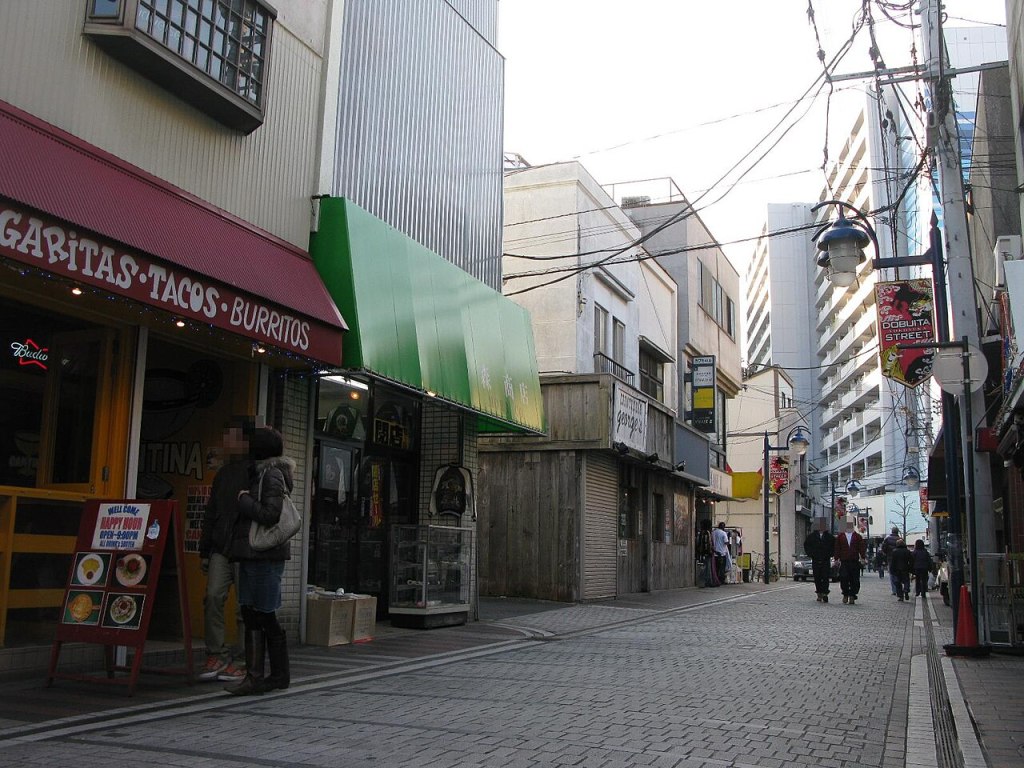
The narrow street just outside the base gate is lined with shops selling American goods, bars, restaurants and a few old-style eateries, and it is the closest thing in Japan to a military town strip. It is scruffy and lively in the evening, and the mix of Japanese and American customers is the point. It is a short walk from Yokosuka Chuo station.
Navy curry
The city’s curry is thick, dark and slightly sweet, based on the recipe the navy used to feed its crews, and many restaurants claim the authentic version. The dish comes with rice, pickles and a glass of milk in the naval manner. It is cheap and filling, and it is the local food experience.
The waterfront park
Mikasa Park runs along the water with lawns, palm trees and a view across the bay, and it is where the city walks in the evening. There is a replica of Admiral Togo’s famous signal flag display, and the ship is lit at night. The park is free and open, and it connects the station area to the port.
The naval heritage
The city has a museum of naval history, the old shipyard sites and the red brick buildings of the Meiji naval base, some of which are still in use. The dry docks and the brick warehouses are the physical trace of the era when Japan built its fleet here. Some sites can be visited on limited tours.
The markets and the back streets
The shopping streets around Yokosuka Chuo have a working, unpolished feel, with fish shops, bakeries and cheap restaurants. The city is a base town, and the back streets are where it eats. The morning market near the port is small but real.
Food and drink
- Yokosuka navy curry is the local dish, thick and dark, served with rice and pickles.
- Ramen shops around the station serve the standard Tokyo-style bowls cheaply.
- The bars of Dobuita serve American-style food alongside Japanese bar snacks.
- Seafood from Tokyo Bay, including sardines and shellfish, appears in the local restaurants.
- Bakeries and coffee shops in the shopping streets are good value for breakfast.
Getting there and around
- Yokosuka is about an hour from Tokyo by the JR Yokosuka line, and the station is central.
- The Keikyu line also reaches the city from Shinagawa via Yokohama.
- Mikasa Park is a fifteen-minute walk from Yokosuka Chuo station, or a short bus ride.
- The Sarushima ferry leaves from the port near the park, and the crossing takes about ten minutes.
- Dobuita street is a five-minute walk from Yokosuka Chuo station.
Where to stay
- Business hotels cluster around the stations and are the practical choice.
- A few larger hotels on the waterfront have views over the bay.
- Yokohama is twenty minutes away and has a much wider choice of accommodation.
- Book ahead in summer, when Sarushima and the beaches are busy.
Best time to visit
- Spring is mild, with blossom in the parks and calm water for the ferry.
- Summer is hot and humid, and Sarushima is at its busiest.
- Autumn is clear and comfortable, the best season for the ship and the waterfront.
- Winter is cold and quiet, with clear views across the bay and no crowds.
Practical tips
- Check the Mikasa’s opening days and the ferry schedule before travelling.
- The ferry to Sarushima is weather dependent and stops in rough conditions.
- Dobuita is livelier after dark; the shops are open in the daytime.
- The naval base itself is not open to visitors, and photography near the gates is restricted.
- Navy curry portions are large, and the lunch sets are the best value.
- Yokosuka combines easily with a day in Kamakura or Yokohama.
Suggested day-trip outline
- Morning: the battleship Mikasa and Mikasa Park.
- Late morning: the ferry to Sarushima and a walk round the island.
- Lunch: navy curry near the station.
- Afternoon: the naval heritage sites and the shopping streets.
- Late afternoon: the waterfront and the view across the bay.
- Evening: Dobuita street for a drink, then the train back to Tokyo.
Before you go
Timetables, fares, admission fees, and seasonal access rules can change. Check the official tourism and transport sites linked below for the latest information before you travel.
Explore More of Japan
Published guides that pair with this one:
- Miura Peninsula Travel Guide: Jogashima, Misaki Tuna and the Coast
- Tokyo Travel Guide: Neighborhoods, Transport and a First-Timer’s Plan
- Enoshima Travel Guide: Island Shrines and a Coastal Day Trip from Tokyo
- Odawara Castle Travel Guide: A Rebuilt Keep on the Hakone Road
- Yokohama Travel Guide: Harbour, Chinatown, and a Day Trip from Tokyo
Browse every Kanto guide on this site for the rest of the region.
Sources
- city.yokosuka.kanagawa.jp (checked 2026-11-06)
- cocoyoko.net (checked 2026-11-06)


Leave a Reply