A practical English guide to Okuhida Onsen in Gifu: the Hirayu and Shin-Hotaka villages, the ropeway to the Northern Alps, the open-air baths and access from Takayama.
Operational details such as opening hours, admission fees, and train times can change. Prefer official pages and reconfirm before you travel (sources checked on 06 November 2026).
Why visit
- Okuhida is the valley of the Okura river in northern Gifu, on the road from Takayama to the Northern Alps, and it holds a string of hot spring villages in a narrow gorge. It is one of the snowiest and most mountainous parts of central Japan, and the combination of steam, snow and cedar is the reason people come.
- The villages are distinct. Hirayu is the transport hub, with the bus terminal, the main road and a cluster of inns and baths. Fukuji and Tochio are quieter, further up the valley. Shin-Hotaka is at the end of the road, at the base of the ropeway that climbs towards the peaks, and it has the largest hotels and the best views.
- The ropeway is the main excursion. It runs in two stages to a station at about 2,100 metres, with a view of the Hotaka range and, on clear days, the whole Northern Alps. In winter the upper station is a base for snowshoeing and the snow-covered scenery; in autumn the slopes are red and yellow.
- The baths are the other reason. The water is simple and hot, the inns have open-air pools beside the river, and several offer day bathing to people passing through. The valley is also the gateway to Kamikochi, which is a short bus ride from Hirayu in season, so it works as a base for walkers as well as for a quiet night.
Top places and highlights
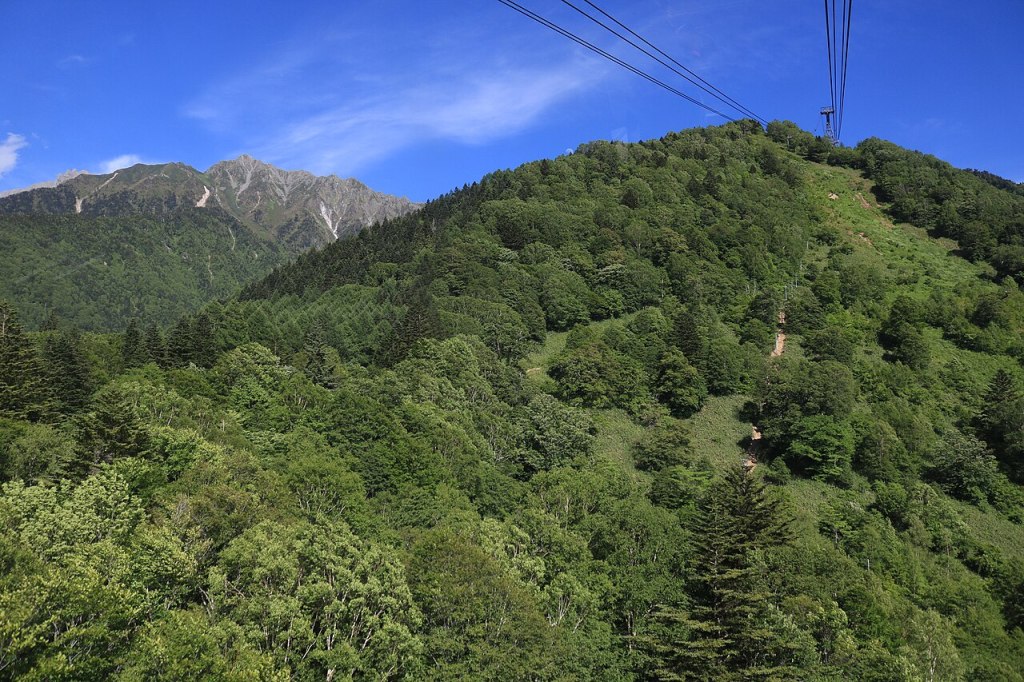
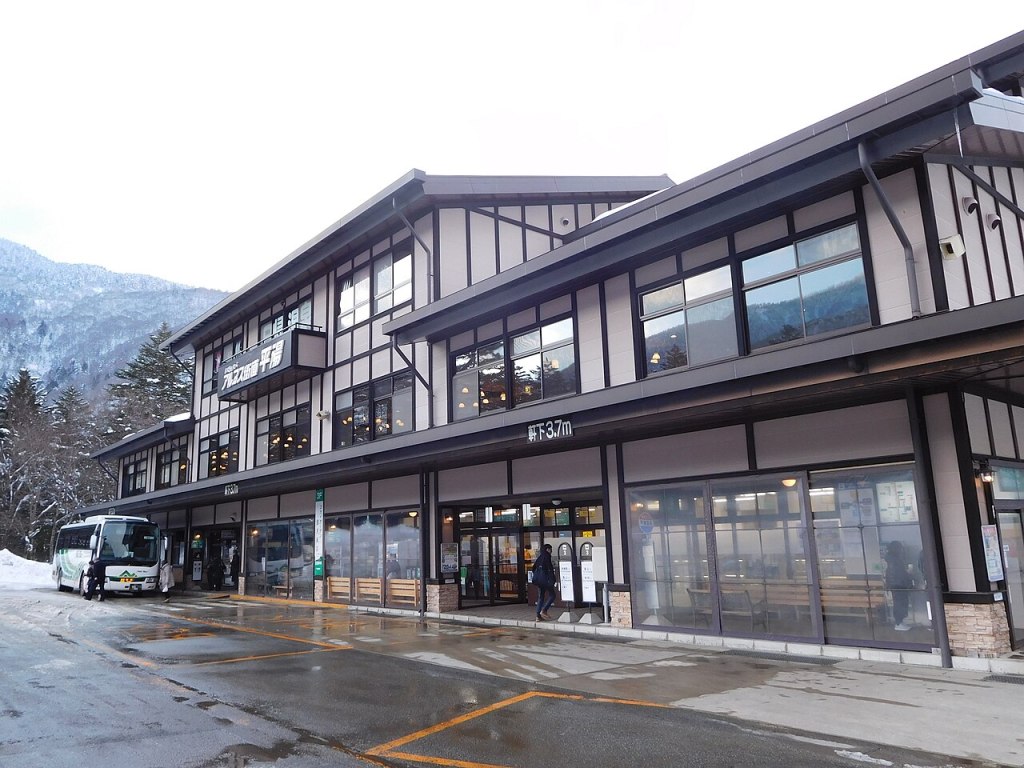
The Shin-Hotaka ropeway
The two-stage ropeway climbs from the end of the valley to a station above the treeline, with a view of the Hotaka peaks and the Northern Alps. The upper station has a deck and a short walking area, and in winter the snow is deep. It runs through the year, subject to weather.
Hirayu Onsen
The largest village in the valley has the bus terminal, the main road, a cluster of inns and several public baths, including one beside the river. It is the most convenient base and the busiest in the daytime. The morning market and the small shops are worth a look.
Shin-Hotaka Onsen
The village at the head of the valley has the big hotels, the ropeway station and the best views of the peaks. It is quieter than Hirayu in the evening, and the open-air baths look straight at the mountains. The road ends here, so it is the last stop for cars and buses.
Fukuji and Tochio
The villages between Hirayu and Shin-Hotaka are smaller and quieter, with a few inns and public baths along the river. They are the places to stay if you want the valley to yourself. The bus stops are close to the baths.
The open-air baths
Several inns and public facilities offer day bathing, with pools beside the river and views up the gorge. The water is hot and slightly sulphurous, and the setting is the attraction. Prices are low and towels are usually available.
The autumn colour
The valley is one of the best places in Gifu for autumn leaves, with the slopes turning from late October, and the ropeway gives a view over the whole bowl. It is also the busiest season, and the road and the car parks fill. Book accommodation well ahead.
The access to Kamikochi
Buses from Hirayu run to Kamikochi in season, and the valley is the natural base for the walkers who use it. The road to Kamikochi is closed to private cars, so the bus is the way in. It makes Okuhida a practical alternative to staying in the busy Kamikochi area.
Food and drink
- Hida beef is served at the inns and the restaurants along the valley.
- Soba and the local mountain vegetables are the standard lunch.
- The river fish, including trout, appears on the inn menus.
- The local sake and the Hida dairy are worth ordering.
- The shops at Hirayu sell pickles, sweets and the valley’s souvenirs.
Getting there and around
- Okuhida is about an hour by bus or car from Takayama, on the road to Kamikochi.
- Buses run from Takayama station to Hirayu and Shin-Hotaka, with a change at Hirayu for some services.
- The road from Matsumoto over the pass is scenic and takes about two hours.
- A car is the most flexible way to visit the villages and the ropeway.
- The ropeway station has a large car park, and the buses stop at the entrance.
Where to stay
- The inns in Hirayu are the most convenient, close to the buses and the baths.
- Shin-Hotaka has the larger hotels and the best mountain views.
- Fukuji and Tochio have small, quiet inns along the river.
- Book well ahead for the autumn colour and the winter season.
Best time to visit
- Spring is late, with snow on the peaks into May.
- Summer is cool and green, the best season for the ropeway and the walks.
- Autumn is the colour season, from late October, and the busiest.
- Winter is deep snow, with the ropeway and the baths at their best.
Practical tips
- Check the ropeway’s operation before travelling; wind and snow can close it.
- The valley is cold at night even in summer; bring a jacket.
- Buy bus tickets at Hirayu for the Kamikochi service in season.
- The road and the car parks fill in autumn; arrive early or use the bus.
- Day bathing is available at several inns, but the hours are limited.
- Cash is needed at the public baths and the small shops.
Suggested day-trip outline
- Morning: the bus from Takayama to Hirayu.
- Late morning: a bath at Hirayu and the village walk.
- Lunch: soba in the valley.
- Afternoon: the bus to Shin-Hotaka and the ropeway.
- Late afternoon: the upper station and the view of the peaks.
- Evening: a night at an inn with an open-air bath.
Before you go
Timetables, fares, admission fees, and seasonal access rules can change. Check the official tourism and transport sites linked below for the latest information before you travel.
Explore More of Japan
Published guides that pair with this one:
- Gero Onsen Guide: One of Japan’s Three Great Hot Springs
- Oigawa Railway Travel Guide: Steam Trains, Tea Fields and the Okuoikojo Dam
- Izu Peninsula Travel Guide: Coast, Hot Springs and the Geopark
- Jigokudani Snow Monkey Park Travel Guide
- Gujo Hachiman Travel Guide: Waterways, a Summer Dance, and a 1933 Castle
Browse every Chubu guide on this site for the rest of the region.
Sources
- okuhida.or.jp (checked 2026-11-06)
- hidatakayama.or.jp (checked 2026-11-06)


Leave a Reply