A practical English guide to the Oigawa Railway in Shizuoka: the steam locomotives, the Abt rack section, the Okuoikojo dam station and the tea fields of the Oi river valley.
Operational details such as opening hours, admission fees, and train times can change. Prefer official pages and reconfirm before you travel (sources checked on 06 November 2026).
Why visit
- The Oigawa Railway runs south from Kanaya, near Shimada in central Shizuoka, up the Oi river valley to Senzu and then by a separate rack railway to Ikawa. It is one of the last places in Japan where steam locomotives haul daily passenger trains, and the ride through the tea fields and the mountains is the attraction.
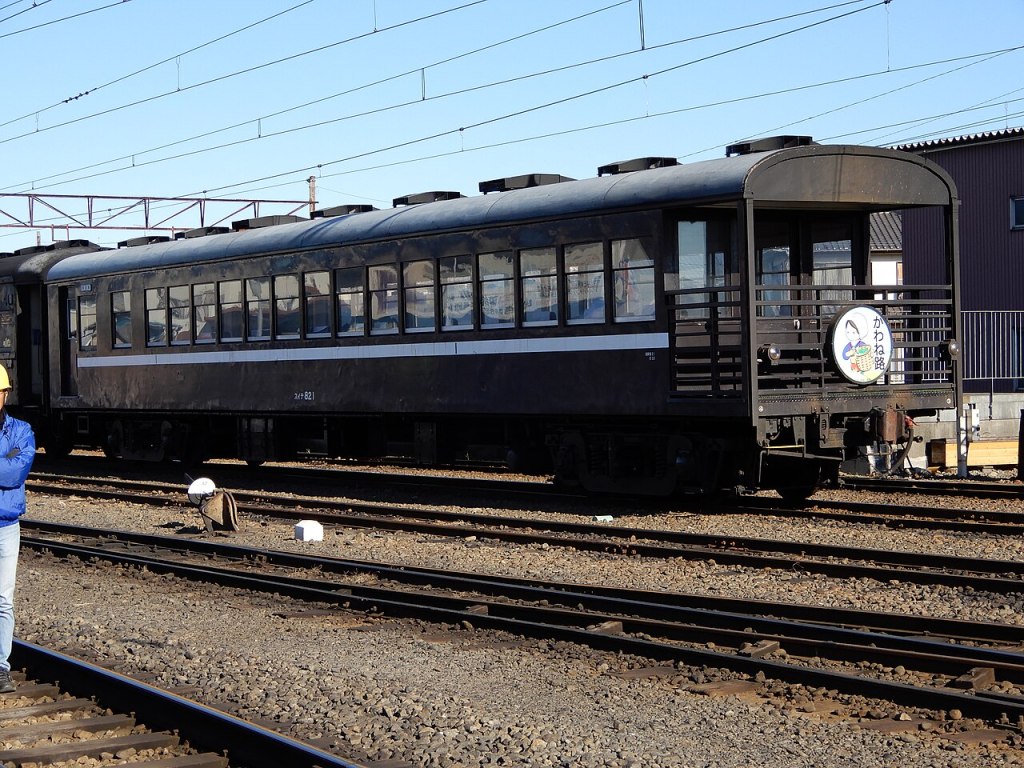
- The line was built to carry materials for dam construction and timber, and it survived as a tourist railway. The steam trains run on the main section, with open-sided carriages in summer and heated ones in winter, and the route follows the river through terraced tea fields, tunnels and small stations. The pace is slow and the windows open.
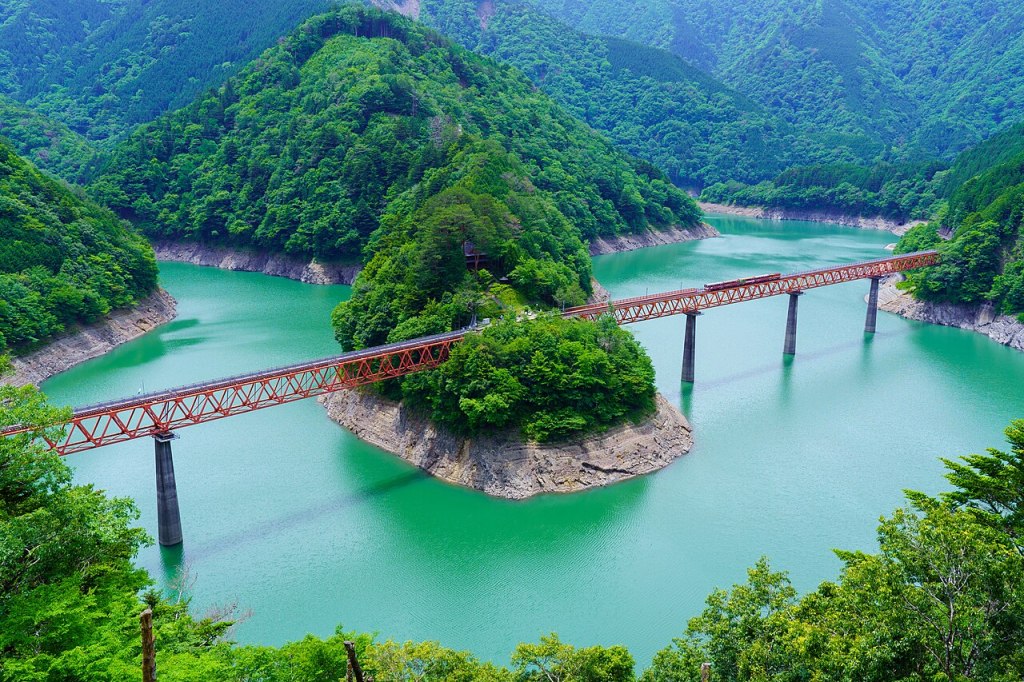
- The second half is the Abt rack section from Senzu to Ikawa, where a toothed rail in the middle of the track engages the train for the steep climb. The summit station, Okuoikojo, sits on a platform above a turquoise reservoir with a dam and mountains behind, and it is one of the most photographed stations in Japan.
- The valley is also tea country. Kawane is one of the great tea districts of Shizuoka, and the slopes above the line are covered in bushes, with the harvest in spring and early summer. The combination of steam, tea and mountain water is the reason to spend a day here rather than passing through on the way to the Izu peninsula.
Top places and highlights
The steam train from Kanaya
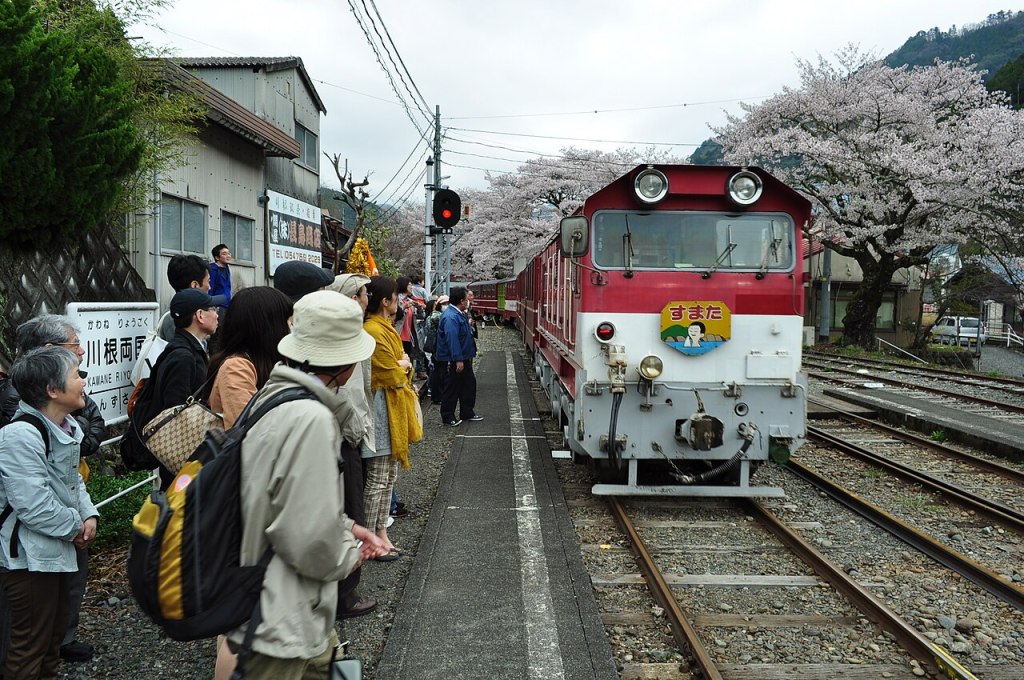
The locomotive leaves Kanaya with a whistle and climbs along the river through the tea fields, and the open carriages let you lean out. The route passes several small stations and a few deep cuttings, and the whole run to Senzu takes about an hour and a half. Seats are unreserved in the ordinary cars and reserved in the first class car.
The Oi river valley
The line follows the river through a steep, wooded valley with tea terraces on the slopes and small settlements at the bends. The water is clear and used for rafting further up. The views from the train are the point, and the best seats are on the river side.
The Abt rack railway
From Senzu the rack section climbs to Ikawa with a toothed rail engaging the train, and the gradient is steep enough to feel. The ride is short and the views open as the line gains height. It is a separate service with its own timetable, so plan the connection.
Okuoikojo station
The station stands on a platform above the Okuoikojo reservoir, with a view over the turquoise water, the dam and the mountains. There is a small cafe and a walk along the dam, and the light in the morning is the best. It is the reason many people make the trip.
The tea fields of Kawane
The slopes around the line are planted with tea bushes in long terraces, and the harvest in spring fills the valley with the smell of fresh leaves. Several farms offer tea and tours, and the local tea is sold at the stations. It is one of the classic tea landscapes of Japan.
The river activities
The upper Oi river is used for rafting and canoeing in spring and summer, and the operators run from the towns along the line. The water is cold and fast, and the gorge scenery is the main attraction. Book ahead in the season.
The small stations and villages
The line passes villages that grew around the railway and the dams, with wooden station buildings, a few shops and views over the water. Getting off at a random station and walking to the river is a good way to spend an afternoon. The service is infrequent, so check the timetable before wandering.
Food and drink
- Green tea from the Kawane district is the local product, sold at the stations and farms.
- The station cafes serve simple set meals and noodles, and the portions are large.
- The local shops sell tea sweets, including ice cream flavoured with matcha.
- Shizuoka’s eel and seafood are available in Shimada and Kanaya, near the line.
- Bento boxes are sold at Kanaya for the journey, and eating on the train is normal.
Getting there and around
- Kanaya station is on the JR Tokaido line, a short ride from Shimada and about thirty minutes from Shizuoka.
- The Oigawa Railway platforms are adjacent to the JR station at Kanaya, and the transfer is easy.
- The steam trains run on selected days; check the operating calendar before booking.
- The Abt section from Senzu to Ikawa is a separate service with a limited number of departures.
- A car is useful for the tea farms and the river, but the railway itself is the transport.
Where to stay
- Shimada and Kanaya have business hotels near the stations and are the practical base.
- The villages along the line have a few guesthouses and minshuku, some in old buildings.
- The onsen at Senzu and Ikawa is simple and close to the railway.
- Book ahead for the steam days, when the trains and the local rooms fill.
Best time to visit
- Spring is the tea harvest and the best season for the green slopes and clear water.
- Summer is hot in the valley, with rafting and open carriages on the trains.
- Autumn is clear and cool, with colour on the mountains and fewer passengers.
- Winter is cold and quiet, with steam visible in the air and the trains almost empty.
Practical tips
- Check the steam operating days and book the reserved car in advance.
- Sit on the river side for the best views, and change sides at the tunnels.
- The Abt train is separate; allow time for the connection at Senzu.
- The stations are unstaffed in places, so buy tickets at Kanaya or on the train.
- Bring cash for the small cafes and the tea farms.
- The ride is slow; treat it as a day out rather than a way to get somewhere.
Suggested day-trip outline
- Morning: the steam train from Kanaya to Senzu.
- Mid-morning: the connection to the Abt train and the climb to Okuoikojo.
- Late morning: the dam, the platform view and the cafe.
- Lunch: a set meal at a station along the line.
- Afternoon: a tea farm visit and the river walk.
- Late afternoon: the return train to Kanaya.
Before you go
Timetables, fares, admission fees, and seasonal access rules can change. Check the official tourism and transport sites linked below for the latest information before you travel.
Explore More of Japan
Published guides that pair with this one:
- Hamamatsu Travel Guide: Castle, Gyoza and the Instrument Makers
- Shizuoka City Travel Guide: Tea, Nihondaira and Miho no Matsubara
- Izu Peninsula Travel Guide: Coast, Hot Springs and the Geopark
- Amaharashi Coast Travel Guide: Toyama Bay and the Tateyama Range
- Azumino Travel Guide: Wasabi Fields, Mountain Water and Cycling
Browse every Chubu guide on this site for the rest of the region.
Sources
- visit-shizuoka.com (checked 2026-11-06)
- city.shimada.shizuoka.jp (checked 2026-11-06)


Leave a Reply