A practical English guide to Hiwasa in Tokushima: Yakuoji temple on the Shikoku pilgrimage, the sea turtle beach at Ohama, the turtle museum and access on the Mugi line.
Operational details such as opening hours, admission fees, and train times can change. Prefer official pages and reconfirm before you travel (sources checked on 05 November 2026).
Why visit
- Hiwasa is a small town on the Pacific coast of Tokushima, in the south of Shikoku, and it has two reasons to be on a traveller’s map. It is temple 23 of the eighty-eight-temple Shikoku pilgrimage, and it has one of the few beaches in Japan where loggerhead turtles come ashore to nest.
- Yakuoji is the pilgrimage temple, a large complex on a hillside above the town with a long flight of steps and a reputation for warding off misfortune. Pilgrims in white coats pass through on foot, and the temple is a working institution rather than a museum. The walk up is the point as much as the buildings.
- Ohama beach, a short walk from the town, is a nesting site for loggerheads between late spring and late summer, and the local museum, Caretta, explains the life cycle and runs evening watching sessions in season. Seeing a turtle is not guaranteed: the beach is protected, the nesting is at night, and the rules are strict.
- Beyond those two, Hiwasa is a quiet coastal town with a small castle site, a station on the Mugi line, and a landscape of hills and sea that rewards a slow day. It is not a place to rush, and it works best as a stop between Tokushima and the southern coast.
Top places and highlights
Yakuoji
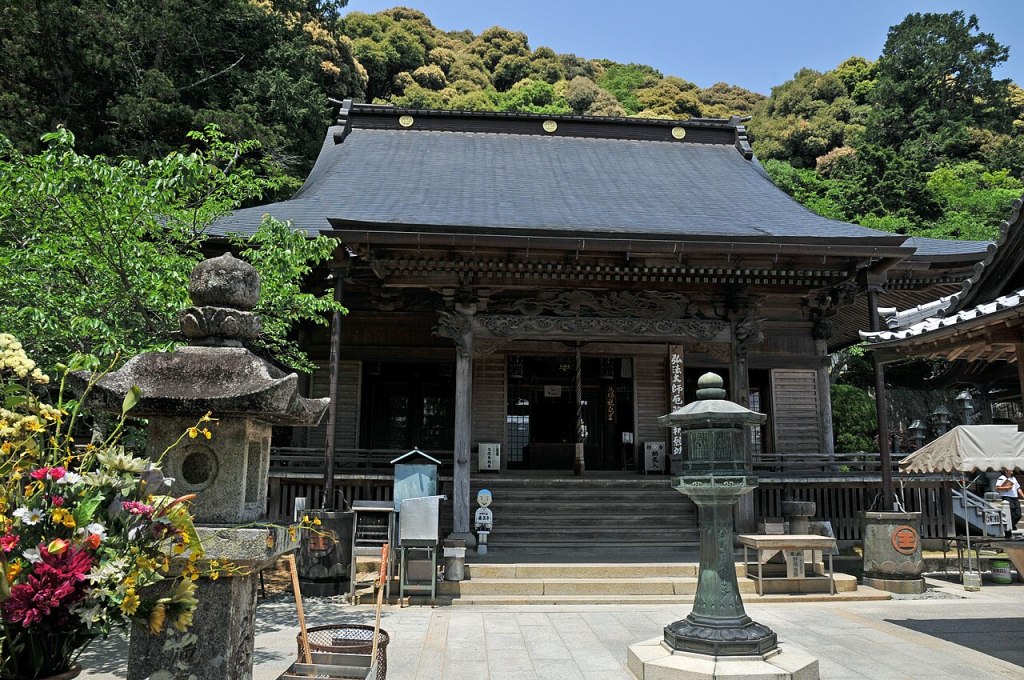
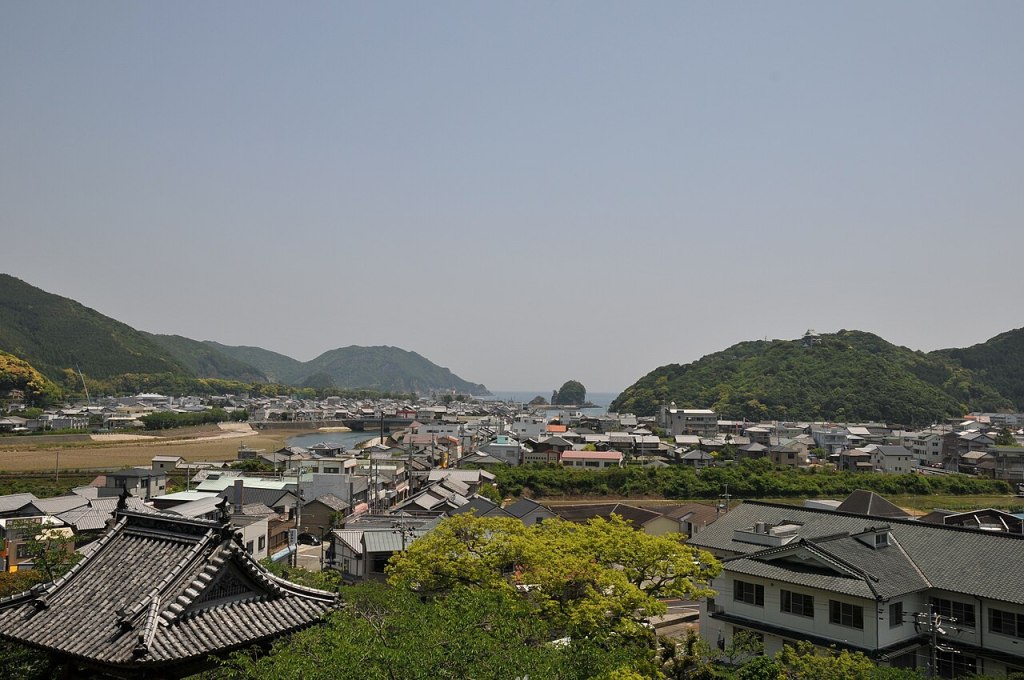
Yakuoji is the twenty-third temple of the Shikoku pilgrimage, and the approach is a long stone stair through trees to a hillside complex of halls and a pagoda. It is associated with protection from misfortune, and the temple is busy with pilgrims and with local visitors who come for the same reason. The grounds are large, and the upper terraces give a view over the town and the sea.
Ohama beach
The beach at Ohama is a nesting site for loggerhead turtles, and it is managed as such: no lights at night, no access to the nesting zone, and volunteers on watch in season. The sand is dark and the water is open Pacific. Out of season it is simply a quiet town beach with a view along the coast.
The Caretta turtle museum
The Chelonian museum near the beach explains the turtle’s life cycle, the local nesting programme and the threats the population faces. In nesting season it runs evening observation sessions, with a permit system and strict rules about light and noise. It is a small museum with a serious purpose, and the staff are the best source of local information.
Hiwasa Castle
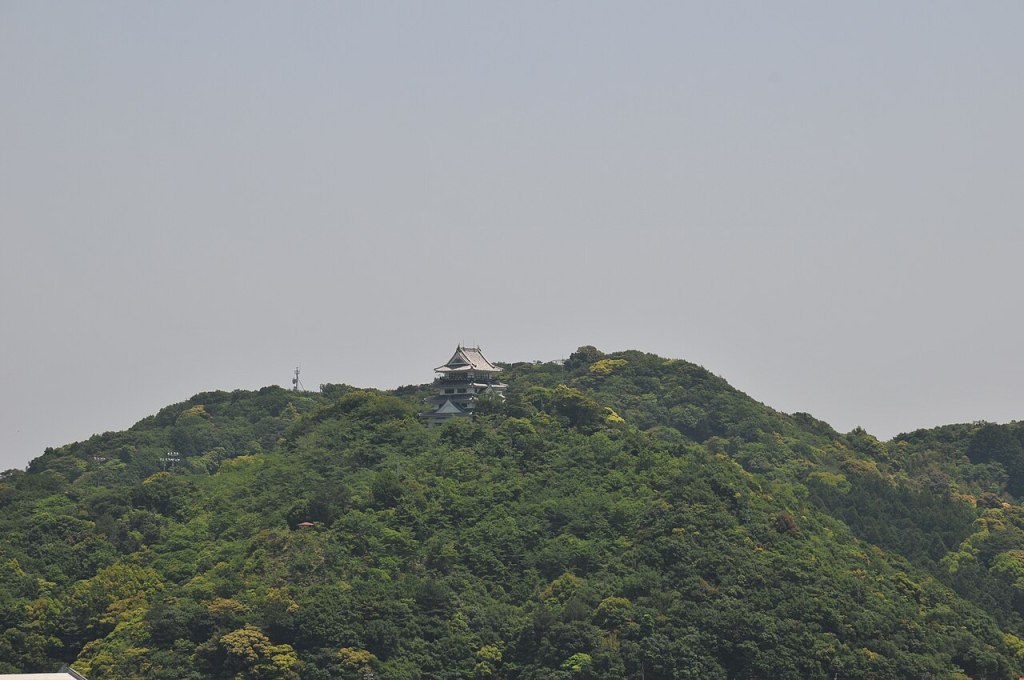
The castle site sits on a small hill above the town, with a reconstructed gate and a modest tower and a view over the coast. It is a minor castle historically, but the walk up is short and the view explains the town’s geography: the river mouth, the beach and the road south. The site is a park, and locals use it for blossom in spring.
The pilgrimage road
The road through Hiwasa is part of the walking route between temples, and pilgrims pass through the town on foot. Walking a short stretch of it, between the station and Yakuoji, gives a sense of the rhythm of the pilgrimage without committing to a long section. The route is marked, and the local shops are used to walkers.
The Mugi line
The railway runs along the coast from Tokushima to the south, and the stretch through Hiwasa is one of the prettier local lines in Shikoku, with the sea visible in places and small stations in between. The trains are slow and infrequent, which is part of the charm and also the main practical constraint.
The coastal road south
South of Hiwasa the coast becomes wilder, with headlands, small fishing ports and the road climbing above the water. It leads towards Cape Muroto and the southern tip of Shikoku. With a car it is a good afternoon drive; without one, the train and bus combination is slow but possible.
Food and drink
- The town is a fishing port, and the local restaurants serve fish, shellfish and the catch of the day.
- Seafood rice bowls and grilled fish are the standard lunch, and the portions are generous.
- Local citrus and vegetables appear in the shops and at the roadside stands.
- There are few restaurants, and several close in the afternoon, so plan lunch before the temple visit.
- Carry cash; the small shops and cafes may not take cards.
Getting there and around
- Hiwasa is on the JR Mugi line from Tokushima, and the journey takes around an hour and a half.
- The station is close to the town centre, and Yakuoji and the beach are both walkable from it.
- From Kochi, the route is by train through the south coast or by car on the coastal road.
- Buses connect the town with the surrounding villages, but the service is limited and mostly for residents.
- A car makes the coastal road and the southern headlands accessible, which is the main reason to drive.
Where to stay
- Accommodation in Hiwasa is limited to small inns and guesthouses, some used by pilgrims.
- The temple lodgings and the nearby onsen areas offer meals and a traditional stay.
- Tokushima city has the largest choice of hotels and is within day-trip distance.
- For turtle season, book early, since the observation nights fill the few local rooms.
Best time to visit
- Spring is mild, with blossom at the castle park and the pilgrimage season under way.
- Summer is the turtle nesting season, hot and humid, with evening observation sessions.
- Autumn is clear and comfortable, the best time for walking the pilgrimage road.
- Winter is mild by Shikoku standards but quiet, with many coastal businesses on short hours.
Practical tips
- Turtle watching is regulated: follow the museum’s rules on light, noise and distance, and never approach a nesting turtle.
- Check the Mugi line timetable before planning the day; the trains are infrequent.
- The temple steps are steep and slippery after rain, so wear proper shoes.
- Bring cash and water; the town has few shops.
- If you want to see turtles, ask the museum about the season’s activity rather than assuming a date.
- The walk from the station to the temple and the beach covers most of the town in a few hours.
Suggested day-trip outline
- Morning: train from Tokushima to Hiwasa.
- Mid-morning: the climb to Yakuoji and the temple grounds.
- Late morning: the castle park and the view over the coast.
- Lunch: seafood at a local restaurant.
- Afternoon: Ohama beach and the Caretta museum.
- Evening: back to Tokushima, or a turtle observation session in season.
Before you go
Timetables, fares, admission fees, and seasonal access rules can change. Check the official tourism and transport sites linked below for the latest information before you travel.
Explore More of Japan
Published guides that pair with this one:
- Wakimachi Udatsu Travel Guide: A Merchant Street in Tokushima
- Mount Tsurugi Travel Guide: Shikoku’s Highest Peak by Ropeway
- Awa Odori Guide: Tokushima’s August Dance Festival
- Cape Ashizuri Guide: Kochi’s Southern Tip
- Shikoku Pilgrimage Guide: Walking the 88 Temple Route
Browse every Shikoku guide on this site for the rest of the region.
Sources
- town.minami.lg.jp (checked 2026-11-05)
- awanavi.jp (checked 2026-11-05)


Leave a Reply