A practical English guide to Iwatsuki in Saitama: the doll workshops, the museum, the festival and access from Tokyo.
Operational details such as opening hours, admission fees, and train times can change. Prefer official pages and reconfirm before you travel (sources checked on 05 November 2026).
Why visit
- Iwatsuki, now a ward of Saitama city, has been making dolls for centuries. The trade took root in the Edo period, when the town supplied the shogun’s court and the great houses of Edo, and the workshops here still produce hina dolls, musha dolls and the small gosho dolls that collectors look for. Walking the old streets you find shops that have been in the same family for generations next to a museum built to explain the craft.
- The area is small and easy to cover on foot. The doll museum, the warehouse-lined lanes and the ruins of Iwatsuki castle sit within a twenty-minute walk of the station, which makes it a practical half-day from central Tokyo and a good alternative to the better-known day trips of Saitama.
- What makes it worth the trip is the combination of craft and place. This is not a reconstructed theme village: the doll shops are working businesses, the museum explains materials and techniques, and the old kura storehouses along the street are the same ones the trade used. In late winter the district holds a doll festival that fills the shops and the museum with displays.
- It also suits travellers who have seen the big sights of Tokyo and want a quieter look at a craft town an hour away. The scale is human, the prices in the shops range from souvenirs to serious pieces, and the castle park gives the walk a green end point.
Top places and highlights
The Iwatsuki doll museum
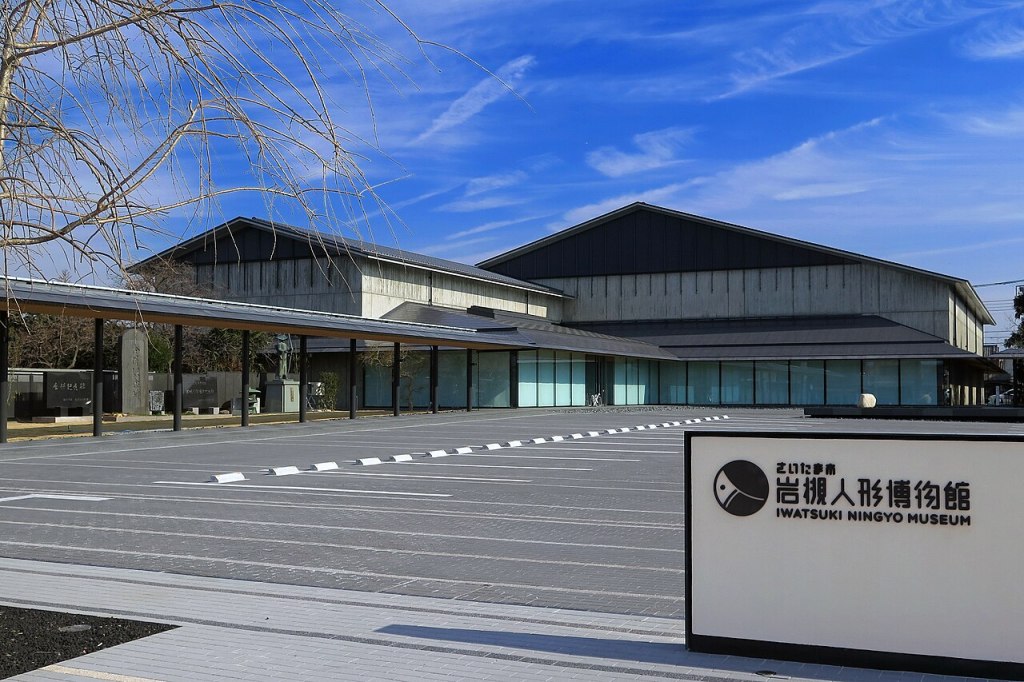
The museum is the best single introduction to the craft, with displays that trace the local tradition from the Edo period to the present and explain how a doll is built, dressed and finished. The collection includes hina dolls, warrior dolls and the small figures that were made for the Tokyo market, and the labels in English are enough to follow the story. It is a modern building with a workshop space, so you can sometimes watch a maker at work. Allow an hour, more if you are interested in the details of costume and face carving.
The doll shops of the old street
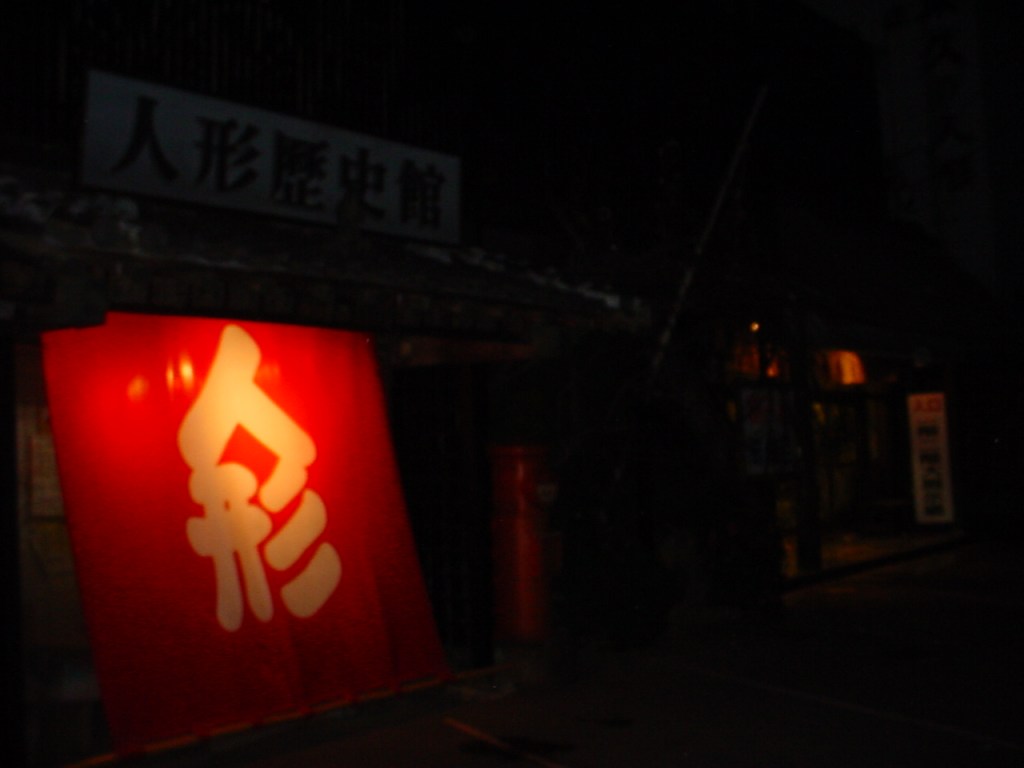
Along the street near the museum, several shops sell dolls and the accessories that go with them: screens, miniature furniture, lacquered stands and the peach branches used for the Hina festival. Some are retail only, others are workshops where dolls are assembled and repaired on the premises, and the people behind the counter are usually happy to explain what you are looking at. Prices range from a small charm to a full set that costs as much as a car, and browsing is welcome.
The kura storehouses
Iwatsuki grew rich on the doll trade and on the traffic of the Nakasendo and the Edo road, and the white-walled storehouses that line parts of the old centre are the visible remains. They are thick-walled, fire-resistant buildings with heavy doors, built to protect stock and valuables, and several have been converted into shops, galleries or cafes. Walking the lane between them gives a sense of the merchant town that the modern suburbs have grown around.
Iwatsuki castle ruins
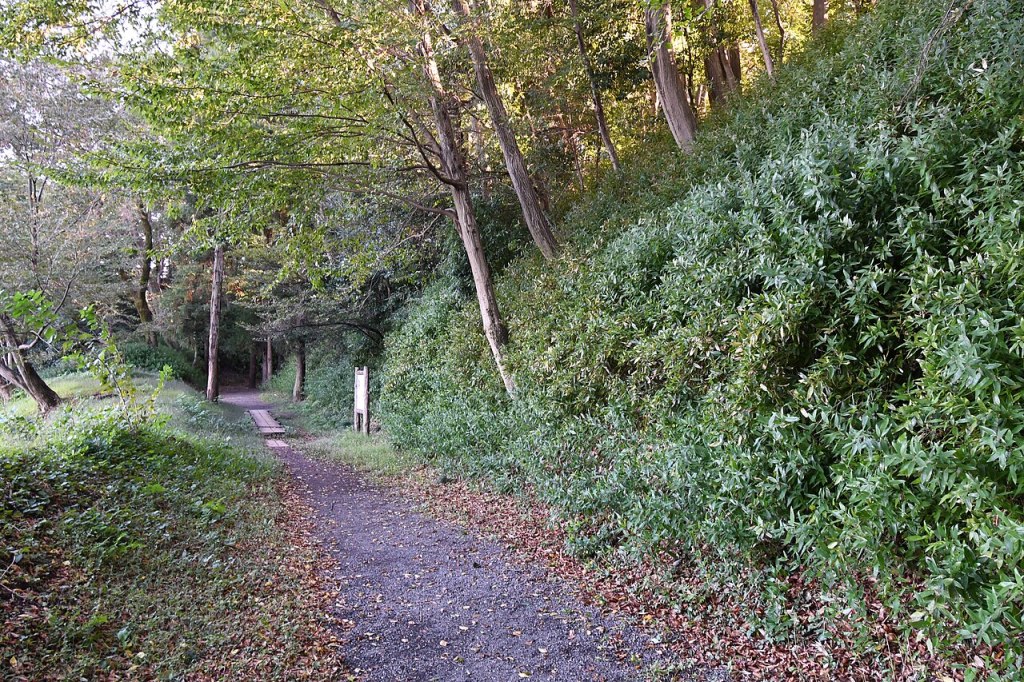
The castle was built in the fifteenth century and later became the seat of a small domain, and today only the moat, earthworks and a few stone walls remain in a quiet park. It is not a reconstructed keep and there is no ticket office, which is part of its charm: you walk the outline of the old defences among trees, with the water of the moat reflecting the sky. In spring the cherries here are a local favourite, and the park is a good place to sit after the museum.
The doll festival season
In the weeks before Hina Matsuri, the shops, the museum and public buildings put out displays, and the district runs a stamp-collecting walk between them. Some houses open rooms that are closed for the rest of the year, and the streets carry banners and paper lanterns. The dates shift with the lunar-inspired calendar of the festival, so check the local programme for the year you travel, but late February into early March is the usual window.
The workshops
A few studios offer short experiences where you paint a face, dress a small figure or make a simple doll under supervision, and they are a good way to understand how much handwork goes into a finished piece. Sessions are usually booked in advance and are conducted in Japanese, but the work is mostly visual and the staff are used to guiding beginners. Ask at the museum for the current list of studios that accept visitors.
The walk from the station
The route from Iwatsuki station to the museum passes a shopping street, a temple or two and the edge of the old merchant quarter, and it takes about fifteen minutes. It is not a sight in itself, but it shows how the craft town sits inside a modern commuter suburb, with doll shops tucked between pharmacies and bakeries. On the way back, the arcade near the station is a convenient place for coffee.
Food and drink
- The streets around the station have cafes, bakeries and noodle shops rather than destination restaurants, and they are cheap and quick.
- Musashino udon, the thick country noodle of Saitama, is served in the older shops of the region and makes a substantial lunch.
- Saitama is a wheat-growing area, and the local sweet potato and the confectionery made from it are the usual souvenir.
- For a fuller meal, Omiya is fifteen minutes away by train and has the range of a major city, from ramen to department-store restaurants.
- The cafes inside and near the museum are convenient for a break between the displays and the castle park.
Getting there and around
- Iwatsuki is on the Tobu Urban Park line, about forty minutes from Asakusa and fifteen minutes from Omiya.
- From central Tokyo, the simplest route is often the Shinkansen or a rapid train to Omiya, then a change to the Tobu line.
- The station is on the eastern side of the ward, and the museum and old streets are a fifteen-minute walk or a short bus ride away.
- By car, the Tohoku expressway and the Iwatsuki interchange put the area within reach, though parking near the museum is limited.
- For the doll festival, the walk between venues is the point, so plan to arrive by train and move on foot.
Where to stay
- Most visitors stay in Tokyo or Omiya and visit Iwatsuki as a half-day, which is the simplest arrangement.
- Omiya has business hotels near the station and a wide choice of restaurants, and it is one train stop away.
- A few small inns and guesthouses in the older parts of Saitama city suit travellers who want a quieter base.
- For a longer craft-focused trip, staying in Kawagoe or Omiya gives access to several traditional districts in one visit.
Best time to visit
- Late February to early March is the doll festival season, when the shops and the museum are at their fullest.
- Spring brings the cherries of the castle park and mild walking weather, and the district is quiet outside the festival.
- Summer is hot and humid in the Kanto plain, and the walk between the station and the museum is best done early.
- Autumn is comfortable and clear, and the old streets look their best in low sunlight, with the castle park turning colour.
Practical tips
- Check the museum’s closing days before travelling; small museums in the region often close one weekday.
- Ask before photographing inside the shops, since the dolls are merchandise and some owners prefer that you do not.
- Bring cash for the smaller shops, which may not take cards.
- If you plan to buy a doll, ask about shipping; the good pieces are fragile and the shops can arrange delivery.
- Combine the visit with Omiya’s bonsai village or the Kawagoe warehouse district for a full day in Saitama.
- The walk from the station is flat and easy, but the castle park has a few steps and uneven ground.
Suggested day-trip outline
- Morning: train to Iwatsuki and the doll museum before the shops open fully.
- Late morning: the doll shops and the kura-lined lane, with a stop to talk to a maker.
- Lunch: a noodle shop or cafe near the station arcade.
- Afternoon: Iwatsuki castle park and the moat, then a workshop session if one is booked.
- Late afternoon: return to Omiya for the bonsai village, or continue to Kawagoe for the evening.
- Evening: dinner in Omiya, and the train back to Tokyo.
Before you go
Timetables, fares, admission fees, and seasonal access rules can change. Check the official tourism and transport sites linked below for the latest information before you travel.
Explore More of Japan
Published guides that pair with this one:
- Ueno Park Travel Guide: Museums, Ponds and the Old City
- Omiya Bonsai Village Travel Guide: Saitama Bonsai Quarter
- Hakone Travel Guide: Onsen, Ropeways, and Mount Fuji Views
- Kamakura Travel Guide: Great Buddha, Temples, and a Tokyo Day Trip
- Ashikaga Flower Park Guide: The Wisteria Tunnels and When to Go
Browse every Kanto guide on this site for the rest of the region.
Sources
- city.saitama.jp (checked 2026-11-05)
- tobutoptours.jp (checked 2026-11-05)


Leave a Reply