A practical English guide to Kamaishi in Iwate: the iron-making heritage, the bay and the coast, and access from Morioka and Sendai.
Operational details such as opening hours, admission fees, and train times can change. Prefer official pages and reconfirm before you travel (sources checked on 07 November 2026).
Why visit
- Kamaishi is a city on a deep bay on the Iwate coast, and it has one of the most interesting industrial histories in Japan. Iron was smelted here from the 1850s, at the Hashino site inland, using Western technology for the first time in the country, and the remains are now part of a World Heritage listing.
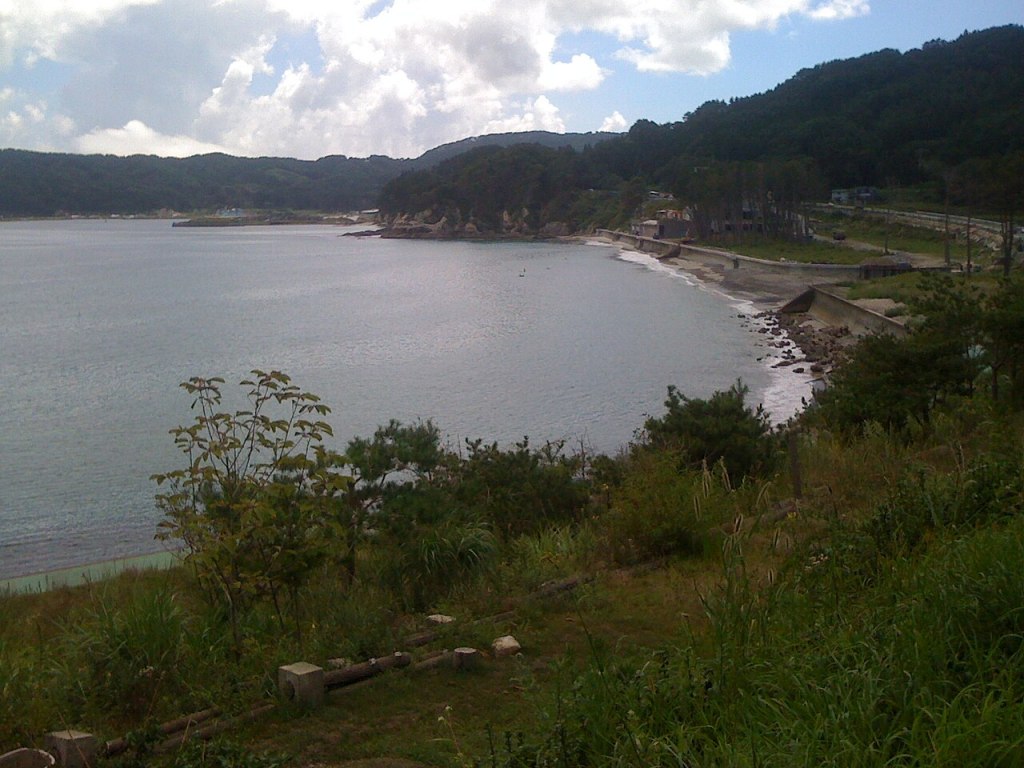
- The bay itself is dramatic: steep hills on both sides, a narrow entrance, and a harbour that has been a port for centuries. The city was hit hard by the 2011 tsunami, and its reconstruction, memorial sites and new sea walls are part of what a visitor sees today.
- Kamaishi is also a working fishing city, with a market and seafood restaurants, and a gateway to the northern Iwate coast. It is not a polished tourist town, which is exactly why it is worth visiting with attention.
Top places and highlights
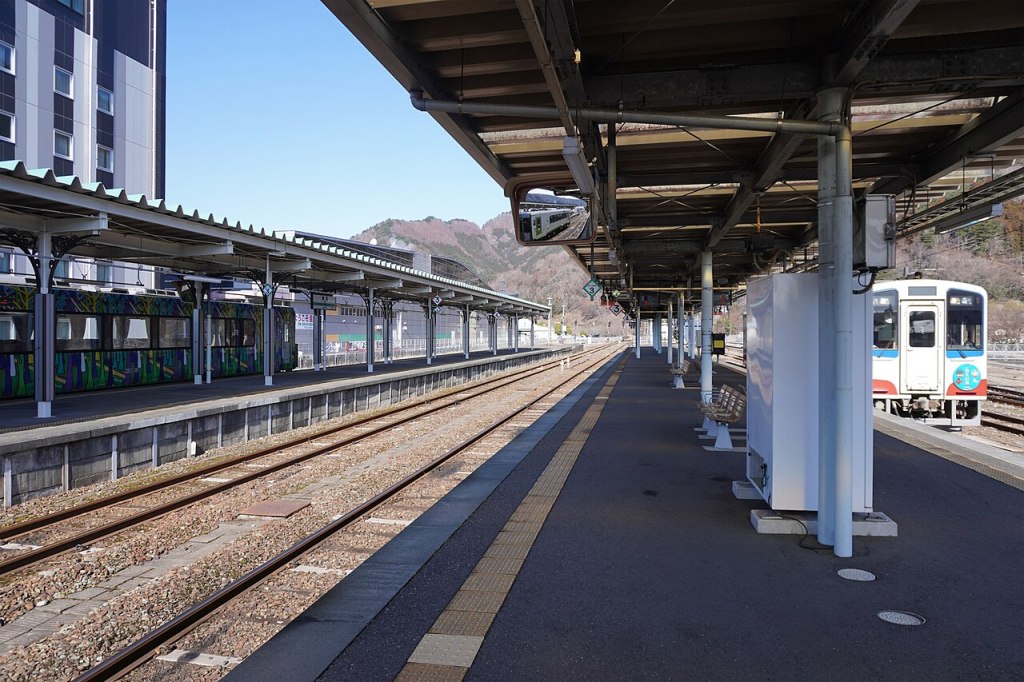
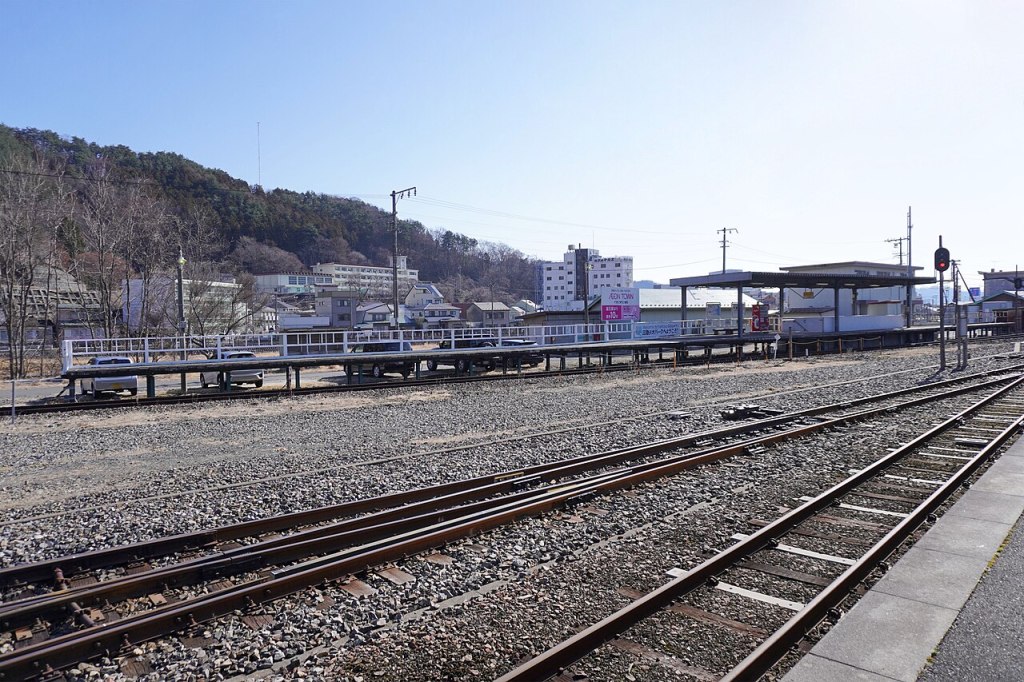
Hashino iron mine
The remains of Japan’s first Western-style ironworks, in the hills inland.
Kamaishi bay
The deep harbour and the hills around it, with views from the heights.
Memorial and recovery sites
Places that record the 2011 tsunami and the city’s reconstruction.
Port and market
A working fishing harbour with seafood shops and restaurants.
Food and drink
- I
- w
- a
- t
- e
- f
- o
- o
- d
- i
- s
- h
- e
- a
- r
- t
- y
- :
- s
- e
- a
- f
- o
- o
- d
- f
- r
- o
- m
- t
- h
- e
- c
- o
- a
- s
- t
- ,
- w
- a
- n
- k
- o
- s
- o
- b
- a
- a
- n
- d
- j
- a
- j
- a
- m
- e
- n
- i
- n
- l
- a
- n
- d
- ,
- a
- n
- d
- l
- o
- c
- a
- l
- s
- a
- k
- e
- .
- K
- a
- m
- a
- i
- s
- h
- i
- ‘
- s
- p
- o
- r
- t
- a
- r
- e
- a
- h
- a
- s
- f
- i
- s
- h
- a
- n
- d
- s
- h
- e
- l
- l
- f
- i
- s
- h
- ,
- a
- n
- d
- t
- h
- e
- c
- i
- t
- y
- h
- a
- s
- a
- g
- o
- o
- d
- r
- a
- n
- g
- e
- o
- f
- e
- v
- e
- r
- y
- d
- a
- y
- r
- e
- s
- t
- a
- u
- r
- a
- n
- t
- s
- .
Getting there and around
- K
- a
- m
- a
- i
- s
- h
- i
- i
- s
- r
- e
- a
- c
- h
- e
- d
- b
- y
- t
- h
- e
- K
- a
- m
- a
- i
- s
- h
- i
- l
- i
- n
- e
- f
- r
- o
- m
- H
- a
- n
- a
- m
- a
- k
- i
- a
- n
- d
- t
- h
- e
- S
- a
- n
- r
- i
- k
- u
- r
- a
- i
- l
- w
- a
- y
- a
- l
- o
- n
- g
- t
- h
- e
- c
- o
- a
- s
- t
- ,
- o
- r
- b
- y
- r
- o
- a
- d
- o
- n
- r
- o
- u
- t
- e
- 4
- 5
- .
- T
- h
- e
- i
- r
- o
- n
- w
- o
- r
- k
- s
- s
- i
- t
- e
- a
- n
- d
- t
- h
- e
- c
- o
- a
- s
- t
- a
- l
- s
- i
- g
- h
- t
- s
- a
- r
- e
- s
- p
- r
- e
- a
- d
- o
- u
- t
- ,
- s
- o
- a
- c
- a
- r
- o
- r
- l
- o
- c
- a
- l
- b
- u
- s
- i
- s
- n
- e
- e
- d
- e
- d
- .
Where to stay
- A
- c
- c
- o
- m
- m
- o
- d
- a
- t
- i
- o
- n
- i
- s
- m
- o
- s
- t
- l
- y
- b
- u
- s
- i
- n
- e
- s
- s
- h
- o
- t
- e
- l
- s
- a
- n
- d
- s
- m
- a
- l
- l
- i
- n
- n
- s
- i
- n
- t
- h
- e
- c
- i
- t
- y
- ,
- w
- i
- t
- h
- s
- o
- m
- e
- c
- o
- a
- s
- t
- a
- l
- o
- p
- t
- i
- o
- n
- s
- .
- I
- t
- w
- o
- r
- k
- s
- a
- s
- a
- o
- n
- e
- –
- n
- i
- g
- h
- t
- s
- t
- o
- p
- o
- n
- a
- S
- a
- n
- r
- i
- k
- u
- c
- o
- a
- s
- t
- j
- o
- u
- r
- n
- e
- y
- .
Best time to visit
- S
- u
- m
- m
- e
- r
- i
- s
- m
- i
- l
- d
- o
- n
- t
- h
- e
- c
- o
- a
- s
- t
- .
- A
- u
- t
- u
- m
- n
- i
- s
- c
- l
- e
- a
- r
- a
- n
- d
- g
- o
- o
- d
- f
- o
- r
- t
- h
- e
- h
- i
- l
- l
- s
- .
- W
- i
- n
- t
- e
- r
- i
- s
- c
- o
- l
- d
- ,
- w
- i
- t
- h
- s
- n
- o
- w
- o
- n
- h
- i
- g
- h
- e
- r
- g
- r
- o
- u
- n
- d
- .
- S
- p
- r
- i
- n
- g
- i
- s
- c
- h
- a
- n
- g
- e
- a
- b
- l
- e
- a
- n
- d
- w
- i
- n
- d
- y
- .
Practical tips
- The Hashino site is in the hills and has limited transport; check access in advance.
- Some coastal areas are still under reconstruction; follow local signs.
- The Sanriku railway is a scenic route with infrequent services.
Suggested day-trip outline
- Morning: train along the coast to Kamaishi.
- Late morning: the port and the bay viewpoint.
- Lunch: seafood near the harbour.
- Afternoon: the Hashino ironworks site.
- Late afternoon: a memorial site or the sea wall.
- Evening: dinner in town.
Before you go
Timetables, fares, admission fees, and seasonal access rules can change. Check the official tourism and transport sites linked below for the latest information before you travel.
Explore More of Japan
Published guides that pair with this one:
- Soma Travel Guide: Horse Festival Country in Fukushima
- Iwaki Travel Guide: The Spa Resort and the Ammonite Coast
- Shizukuishi Travel Guide: Iwate’s Onsen and Ski Valley
- Goshogawara Travel Guide: The Tachineputa Floats of Aomori
- Hanamaki Travel Guide: Miyazawa Kenji, Hot Springs and Wanko Soba
Browse every Tohoku guide on this site for the rest of the region.
Sources
- city.kamaishi.iwate.jp (checked 2026-11-07)
- tohokukanko.jp (checked 2026-11-07)


Leave a Reply