A practical English guide to Iwaki in Fukushima: the Yumoto spa resort, the ammonite museum, the coast and access from Tokyo and Sendai.
Operational details such as opening hours, admission fees, and train times can change. Prefer official pages and reconfirm before you travel (sources checked on 07 November 2026).
Why visit
- Iwaki is the largest city in Fukushima, on the Pacific coast south of the nuclear plant, and it is a place of contrasts. The north is the spa resort of Yumoto, built around a cluster of hot springs and a chain of leisure facilities, and the south is a coast of cliffs, fishing ports and one of the great fossil sites of Japan.
- The spa is the main attraction for families. The Yumoto area has the hot springs, a large pool complex with water slides, and a set of hotels, and the local tradition says the springs were discovered by a wounded bird. It is a Japanese holiday resort rather than a cultural sight.
- The second is the coast and the fossils. The cliffs south of the city hold the ammonite fossils that gave the area its name, and the museum has a collection of the specimens along with the geology of the region. The coast road runs past the cliffs, the ports and the beaches.
- The third is the history and the food. The city has a castle site, a set of temples and the museums of the region, and the port lands the fish of the Kuroshio, with the seafood and the local vegetables on the tables. The city is also a base for the southern coast of Fukushima, which is one of the quieter parts of the prefecture.
Top places and highlights
The Yumoto spa
The hot spring area has the baths, the large pool complex with the slides and a set of hotels, and it is a Japanese family resort. The springs are said to have been discovered by a wounded bird. It is the busiest part of the city in summer.
The ammonite museum
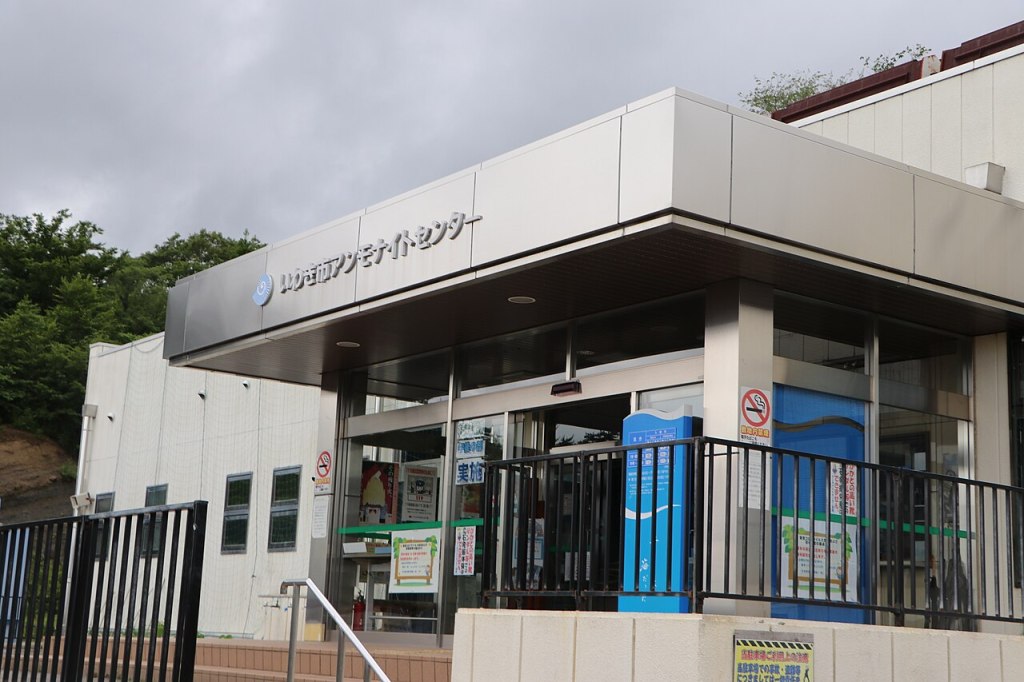
The museum shows the ammonite fossils of the coast, with the specimens, the geology and the story of the site, and it explains why the area is famous. It is small and specific. The collection is the attraction.
The coast cliffs
The cliffs south of the city run along the Pacific, with the rock formations, the small beaches and the fishing ports, and the coastal road is scenic. The walking and the photography are the attraction. The sunrise is the best time.
The castle site
The site of the old castle is on a hill above the city, with the stone walls, a park and a view over the plain and the sea, and it is a short walk from the centre. It is free and open. The blossom in spring is good.
The temples
The city has a set of old temples, including the ones associated with the local history, with the halls and the gardens, and they are quiet and rarely crowded. They are a good break from the coast. The precincts are shaded.
The seafood
The port lands the fish of the Kuroshio, including the bonito, the tuna and the flounder, and the restaurants serve them as sushi, bowls and grills. The prices are low for the quality. The market is the morning sight.
The access from Tokyo
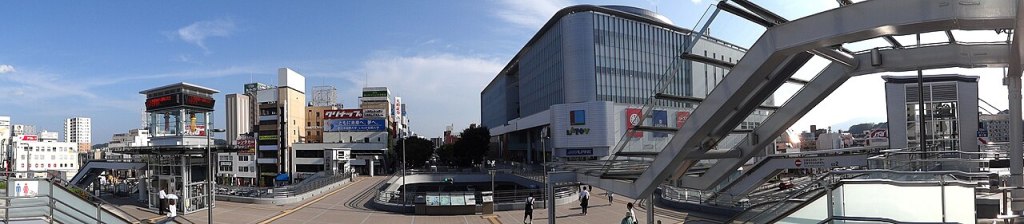
The city is on the JR Joban line, with the trains from Tokyo and Sendai, and it is one of the easiest parts of Fukushima to reach. The station is central. The combination with the coast makes a full day.
Food and drink
- The seafood of the Kuroshio, including the bonito and the flounder, is the local food.
- The sushi and the seafood bowls at the port restaurants are good value.
- The local vegetables and the fruit of the plain are sold at the farm stands.
- The spa area has the restaurants and the sweets of a resort.
- The local sake of Fukushima is dry and clean.
Getting there and around
- Iwaki is on the JR Joban line, about two hours from Tokyo and two from Sendai.
- The station is central, and the coast and the spa are a bus or car ride away.
- A car is the practical way to reach the coast, the cliffs and the spa.
- The expressway connects the city with Tokyo and Sendai.
- The buses run to the spa area and the coast, with a limited service.
Where to stay
- The spa hotels in Yumoto are the main accommodation, with the pools and the baths.
- Business hotels near the station are the practical choice.
- The coast has a few small inns and guesthouses.
- Book ahead in summer, when the spa and the beaches are busiest.
Best time to visit
- Spring is mild, with blossom at the castle site.
- Summer is warm, with the spa and the beaches at their best.
- Autumn is clear and cool, the best season for the coast.
- Winter is cold and quiet, with the spa at its calmest.
Practical tips
- The spa area is a resort; the pools charge by the day.
- The coast road is narrow in places; drive slowly.
- The museum is closed on some weekdays; check before visiting.
- A car is essential for the cliffs and the ports.
- The market is a morning place.
- The area is still recovering in parts; be respectful when photographing.
Suggested day-trip outline
- Morning: the train from Tokyo or Sendai to Iwaki.
- Late morning: the castle site and the temples.
- Lunch: a seafood bowl at the port.
- Afternoon: the ammonite museum and the coast.
- Late afternoon: the spa at Yumoto.
- Evening: dinner at the hotel, or back to the city.
Before you go
Timetables, fares, admission fees, and seasonal access rules can change. Check the official tourism and transport sites linked below for the latest information before you travel.
Explore More of Japan
Published guides that pair with this one:
- Hanamaki Travel Guide: Miyazawa Kenji, Hot Springs and Wanko Soba
- Ishinomaki Travel Guide: Manga, Stone and the Kitakami River Mouth
- Nihonmatsu Travel Guide: Chrysanthemum Dolls and a Hilltop Castle
- Aquamarine Fukushima Travel Guide: Highlights, Access, and Planning
- Lake Tazawa Guide: Akita’s Deep Blue Lake
Browse every Tohoku guide on this site for the rest of the region.
Sources
- city.iwaki.lg.jp (checked 2026-11-07)
- fukushima.travel (checked 2026-11-07)


Leave a Reply