A practical English guide to Hanamaki in Iwate: the Miyazawa Kenji memorial museum, the onsen villages, wanko soba and access by the Tohoku Shinkansen.
Operational details such as opening hours, admission fees, and train times can change. Prefer official pages and reconfirm before you travel (sources checked on 06 November 2026).
Why visit
- Hanamaki is a city in the Kitakami river basin in central Iwate, an hour north of Sendai by shinkansen, and it is known for two things that do not obviously go together: the poet and children’s writer Miyazawa Kenji, and a dense cluster of hot spring villages in the hills around it.
- Kenji was born here in 1896 and died at thirty-seven, leaving a body of poetry, fairy tales and essays that are read by every Japanese schoolchild. The memorial museum in the city covers his life and work and is unusually good for a regional literary museum, with manuscripts, a reconstruction of his study and a garden. The surrounding landscape, the river, the fields and the volcanic slopes, is the landscape of his stories.
- The onsen are the second reason. Hanamaki Onsen is a resort area with large hotels, but the more interesting baths are in the smaller villages further out: Namari, Osawa and the mountain inns along the Toyosawa river, several of which have been run by the same families for centuries and have thatched or wooden buildings.
- The food is straightforward and good: wanko soba, the small bowls of noodles that are refilled until you stop, is the local eating contest, and the city has shops that serve it with ceremony. The region also produces rice, sake and the usual Tohoku vegetables, and the restaurants are cheap.
Top places and highlights
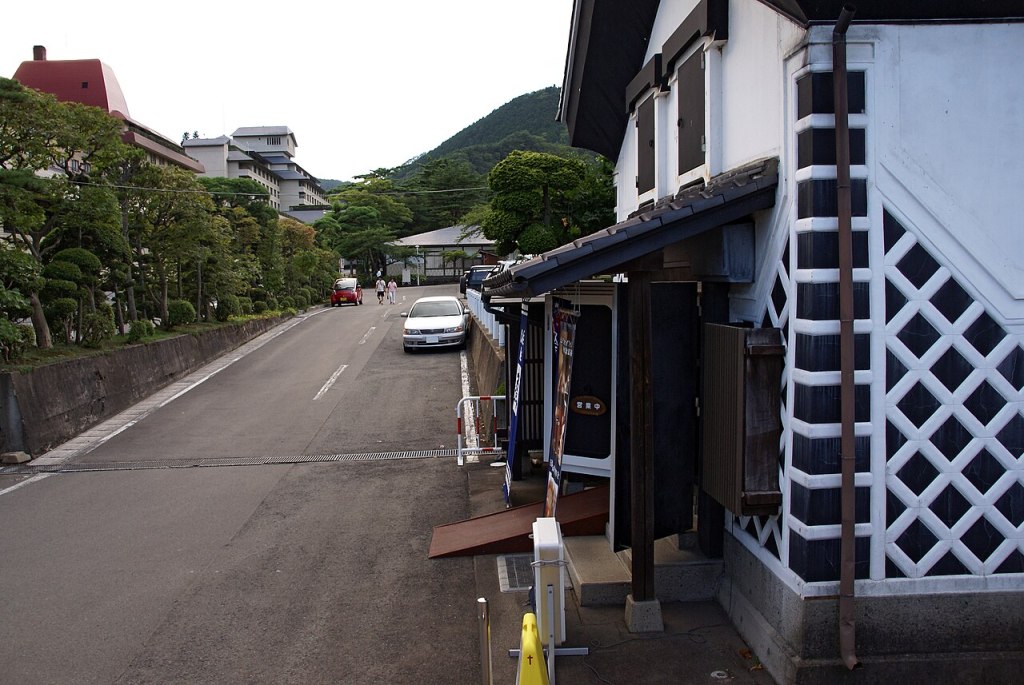
The Miyazawa Kenji Memorial Museum
The museum holds manuscripts, letters, first editions and personal objects, and it explains Kenji’s life as a teacher, agronomist and writer rather than as a sentimental figure. The building and garden are calm and well designed, and the English signage is better than average. It is the main cultural sight in the city and deserves an hour.
Hanamaki Onsen
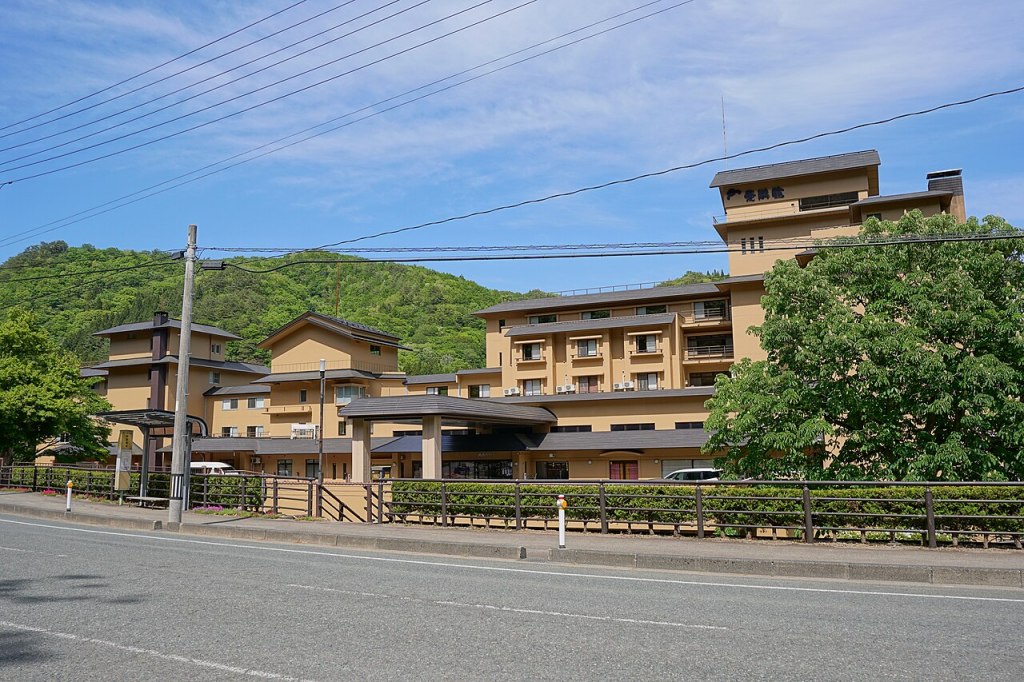
The main onsen area has large hotels, a rose garden and a bathhouse, and it is the convenient base rather than the most atmospheric one. The water is hot and slightly salty, and the hotels offer day bathing. It is a fifteen-minute bus ride from the station.
Namari Onsen
The village up the valley has a handful of inns with wooden buildings and open-air baths beside the river, and it is much quieter than the main resort. Some of the baths are open to day visitors for a fee. The approach road follows the stream through forest, and the snow in winter makes it a proper onsen landscape.
Osawa Onsen
Further up the Toyosawa river, Osawa Onsen is a cluster of old inns around a hot river, with a famous bathhouse built over the water and a footbath along the bank. It is one of the classic Tohoku onsen scenes, and it is best visited on a weekday. Day bathing is available at several inns.
Wanko soba
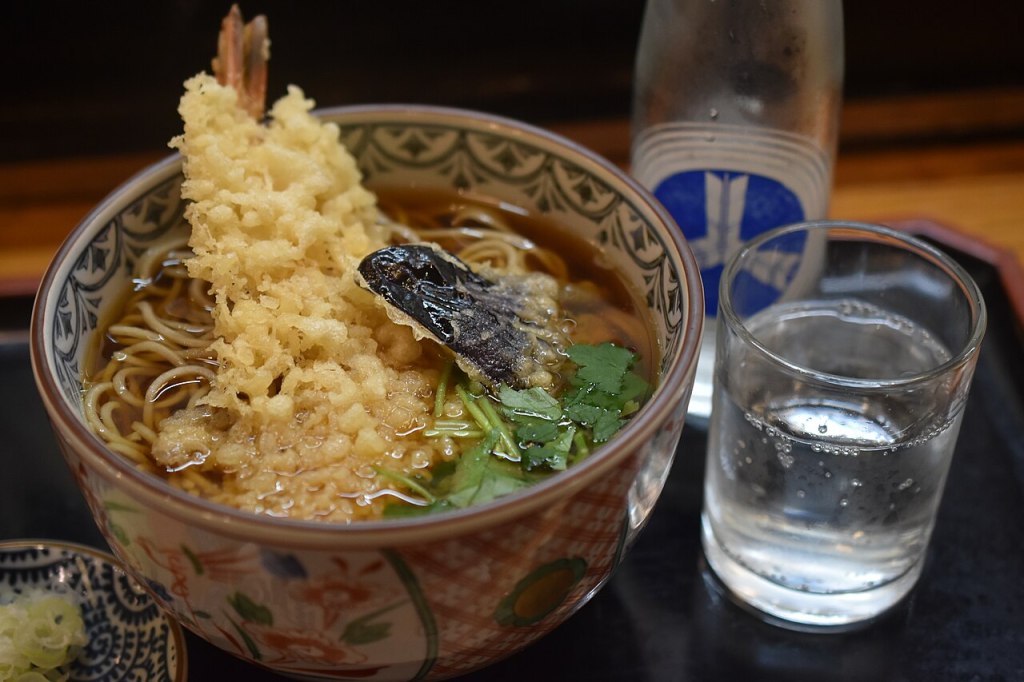
The local style is small bowls of soba refilled as fast as you can eat them, with a server shouting encouragement and keeping count. It is a performance as much as a meal, and the shops in the city centre do it properly. The record is absurd; the point is to enjoy it and stop when you are full.
The Kitakami river and the fields
The city sits on a broad plain with the river to the east and the mountains to the west, and the landscape is the one Kenji wrote about. The roads along the river and through the rice fields are good cycling, and the hills behind the onsen villages give views over the basin. In autumn the rice harvest turns the plain gold.
The Kenji trail
Several sites around the city are connected to the writer, including his birthplace, the school where he taught and monuments along the river. They are spread out and best done by car or bicycle. The local tourist office publishes a map, and the sites are quiet and free.
Food and drink
- Wanko soba is the local speciality: small bowls refilled until you stop.
- The region produces rice and sake, and the local breweries sell bottles that rarely travel.
- Mochi and sweet bean cakes from the old shops are the local snack.
- The onsen hotels serve multi-course meals with local vegetables and river fish.
- The city’s restaurants are inexpensive and mostly Japanese, with few Western options.
Getting there and around
- Hanamaki is on the Tohoku Shinkansen, about an hour and a half from Tokyo and forty minutes from Sendai.
- Hanamaki airport has flights from several Japanese cities and is a short bus ride from the centre.
- The onsen areas are reached by bus from Hanamaki station, with limited evening service.
- A car is the practical way to reach Namari, Osawa and the Kenji sites in one day.
- The station is central, and the museum and the city sights are a short bus or taxi ride away.
Where to stay
- The Hanamaki Onsen hotels are the largest and most convenient, with meals and baths.
- The smaller inns at Namari and Osawa are the atmospheric choice for a quiet night.
- Business hotels near the station are the cheapest option.
- Book ahead on weekends and in autumn, when the onsen villages fill with domestic travellers.
Best time to visit
- Spring is mild, with blossom along the river and the first green on the plain.
- Summer is warm and humid, with festivals and the rice fields at their greenest.
- Autumn is clear and cool, the best season for the onsen and the harvest.
- Winter is snowy, with the onsen at their best and the roads to the villages sometimes restricted.
Practical tips
- The Kenji museum is closed on some weekdays; check before planning around it.
- Day bathing at the onsen villages is cheap, but the inns have limited hours.
- There is no direct bus to Osawa in the evening, so plan the return or stay the night.
- Wanko soba is filling; order the smaller set unless you are hungry.
- Rent a bicycle at the station for the Kenji sites on the plain.
- Bring cash for the small inns and the rural bus fares.
Suggested day-trip outline
- Morning: the Miyazawa Kenji museum and the birthplace area.
- Late morning: the city centre and the old shops.
- Lunch: wanko soba.
- Afternoon: the bus or drive to Namari Onsen for a bath.
- Late afternoon: Osawa Onsen and the river footbath.
- Evening: a night at an onsen inn, or the shinkansen back to Sendai.
Before you go
Timetables, fares, admission fees, and seasonal access rules can change. Check the official tourism and transport sites linked below for the latest information before you travel.
Explore More of Japan
Published guides that pair with this one:
- Tsuruoka Travel Guide: Castle Town, Chido Museum and the Shonai Plain
- Yamagata City Travel Guide: Bunshokan, Kajo Park and the Fruit Road
- Yonezawa Travel Guide: Uesugi Country, Beef and Castle Ruins
- Lake Tazawa Guide: Akita’s Deep Blue Lake
- Geibikei Gorge Travel Guide: A Boat Ride in Iwate
Browse every Tohoku guide on this site for the rest of the region.
Sources
- city.hanamaki.iwate.jp (checked 2026-11-06)
- kanko-hanamaki.ne.jp (checked 2026-11-06)


Leave a Reply