A practical English guide to Nakatosa in Kochi: the Shimanto estuary, the Kure fishing port, the katsuo tataki and access from Kochi and Shimanto.
Operational details such as opening hours, admission fees, and train times can change. Prefer official pages and reconfirm before you travel (sources checked on 07 November 2026).
Why visit
- Nakatosa is a small town on the coast of Kochi, at the mouth of the Shimanto river, and it is made of the old port of Kure and the villages along the estuary. It is a quiet place, with the river on one side and the Pacific on the other, and it is one of the best places in the prefecture to eat the katsuo.
- The estuary is the attraction. The Shimanto, the last clear river in Japan, widens into the sea here, with the sandbanks, the reeds and the fishing boats, and the views from the bridges and the hills are the local scene. The sunsets over the estuary are the reason to stay.
- The second is the port of Kure. The fishing harbour has the boats, the market and the restaurants, and the katsuo, the skipjack tuna, is landed and served as tataki, the seared fillet with salt or ponzu. The town is one of the places where the dish is at its best.
- The third is the position. The town is on the coastal railway and the road between Kochi and Shimanto, with the river, the sea and the mountains around it, and it is a good base for the lower Shimanto and the Ashizuri coast. The food and the pace are the attraction.
Top places and highlights
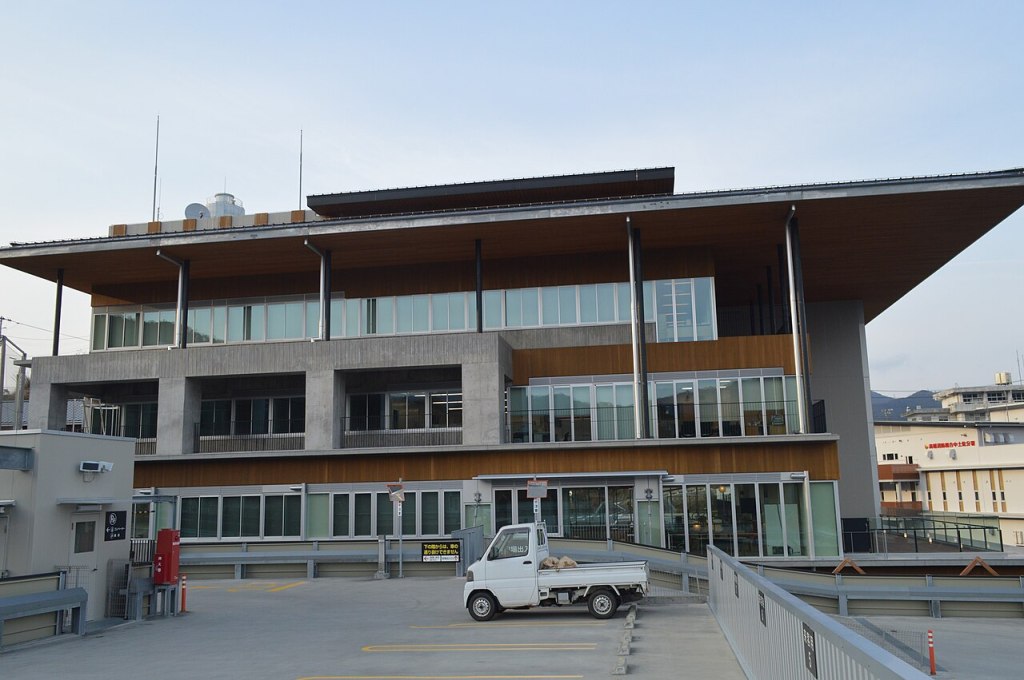
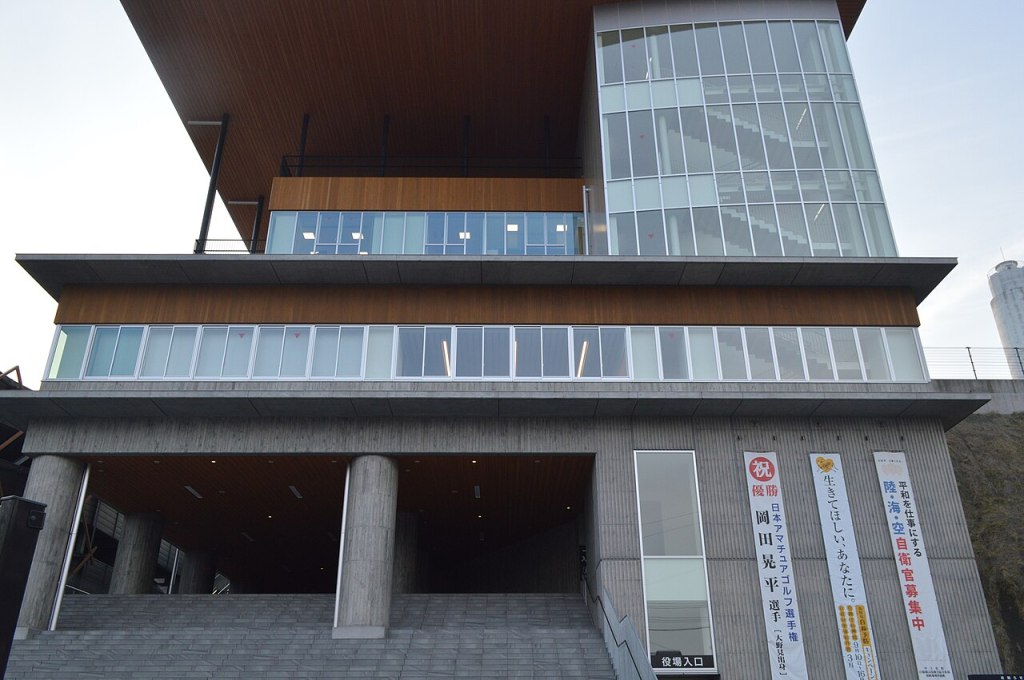
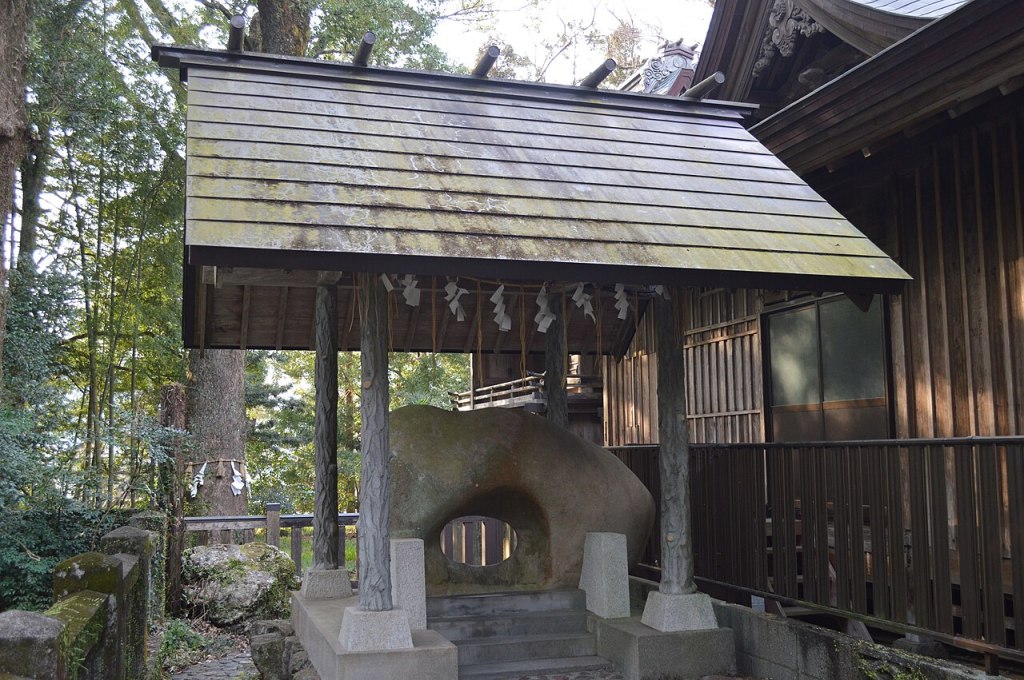
The Shimanto estuary
The river widens into the sea here, with the sandbanks, the reeds and the fishing boats, and the views from the bridges and the hills are the local scene. The sunset is the best time. The estuary is the reason to stop.
The Kure port
The fishing harbour has the boats, the market and the restaurants, and the katsuo is landed and served as tataki. The morning is the time to see the boats. The port is the working heart of the town.
The katsuo tataki
The seared skipjack is the signature dish of Kochi, and the restaurants of the town serve it with salt or ponzu, at prices lower than the city. The fish is landed locally. It is the reason to eat here.
The bridges
The bridges over the estuary are the local landmarks, with the views up and down the river, and the walk or the drive across them is the best way to see the water. The sunset is the best time. They connect the two parts of the town.
The hills
The hills above the town give views over the estuary, the sea and the mountains, and the roads up are quiet and scenic. The walks are short. The autumn colour is fine.
The local food
Apart from the katsuo, the town serves the fish of the coast, the local vegetables and the citrus, along with the sake of Kochi. The food is plain and cheap. The sweets shops sell the traditional confections.
The access to the lower Shimanto
The town is on the road and the railway to Shimanto and the Ashizuri coast, with the river and the sea within reach, and it fits into a loop of western Kochi. The trains are slow and scenic. The combination makes a full day.
Food and drink
- Katsuo tataki, the seared skipjack, is the local speciality.
- The fish of the coast and the estuary are served at the port restaurants.
- The local vegetables and the citrus of Kochi are the produce.
- The sake of Kochi is dry and cheap.
- The market sells the fish and the prepared food in the morning.
Getting there and around
- Nakatosa is on the Tosa Kuroshio railway, about an hour from Kochi and forty minutes from Shimanto.
- The station is central, and the port and the estuary are within walking distance.
- A car is the practical way to reach the hills and the lower river.
- The coastal road connects the town with Kochi and the Ashizuri coast.
- The buses are limited, and the timetable sets the day.
Where to stay
- A few small inns and guesthouses operate in the town and the port.
- The Ashizuri area has onsen inns with sea views.
- Kochi has the wider choice and is an hour away.
- Book ahead in summer, when the coast is at its busiest.
Best time to visit
- Spring is mild, with clear water and good conditions for the estuary.
- Summer is hot and humid, with the sea at its warmest.
- Autumn is clear and cool, the best season for the coast and the river.
- Winter is mild, with good fish and the clearest air.
Practical tips
- The restaurants close after lunch; eat on time.
- The market is a morning place.
- The estuary is tidal; check the tide before walking on the sandbanks.
- A car makes the hills and the lower river easier.
- Cash is needed at the small shops and the port restaurants.
- Combine the visit with the lower Shimanto and the Ashizuri coast.
Suggested day-trip outline
- Morning: the train from Kochi to Nakatosa.
- Late morning: the port and the market.
- Lunch: katsuo tataki at a port restaurant.
- Afternoon: the estuary and the bridges.
- Late afternoon: the hills and the view over the sea.
- Evening: the sunset, then back to Kochi or on to Shimanto.
Before you go
Timetables, fares, admission fees, and seasonal access rules can change. Check the official tourism and transport sites linked below for the latest information before you travel.
Explore More of Japan
Published guides that pair with this one:
- Sukumo Travel Guide: The Port at the Western Edge of Shikoku
- Yawatahama Travel Guide: The Fish Market Port of Western Shikoku
- Kochi Sunday Market Travel Guide: 300 Years of Street Food and Produce
- Cape Ashizuri Guide: Kochi’s Southern Tip
- Kochi and Katsurahama Guide: The Pacific Coast and Ryoma
Browse every Shikoku guide on this site for the rest of the region.
Sources
- town.nakatosa.lg.jp (checked 2026-11-07)
- attaka.or.jp (checked 2026-11-07)


Leave a Reply