A practical English guide to Himi in Toyama: the fishing port, the bay and access from Takaoka and Kanazawa.
Operational details such as opening hours, admission fees, and train times can change. Prefer official pages and reconfirm before you travel (sources checked on 08 November 2026).
Why visit
- Himi is a fishing town on Toyama bay, at the base of the Noto peninsula, and it is one of the old port towns of the Hokuriku coast. The bay is deep and the water is cold, and the town has been a landing place for fish for centuries.
- The port and the market are the heart of the place, with boats, sheds and the smell of the sea, and the old streets behind them have merchant houses, temples and a festival that fills the town in spring. The coastline north of the town runs in cliffs and small bays towards the peninsula.
- Himi is close to Takaoka and Kanazawa, which makes it an easy stop, and it is a good place to eat fish and see a working port away from the bigger cities.
Top places and highlights
Fishing port
A working port with boats, sheds and the morning market.
Bay and cliffs
Cold, deep water and a coast that runs north to the Noto peninsula.
Old streets and temples
Merchant houses and temples behind the port.
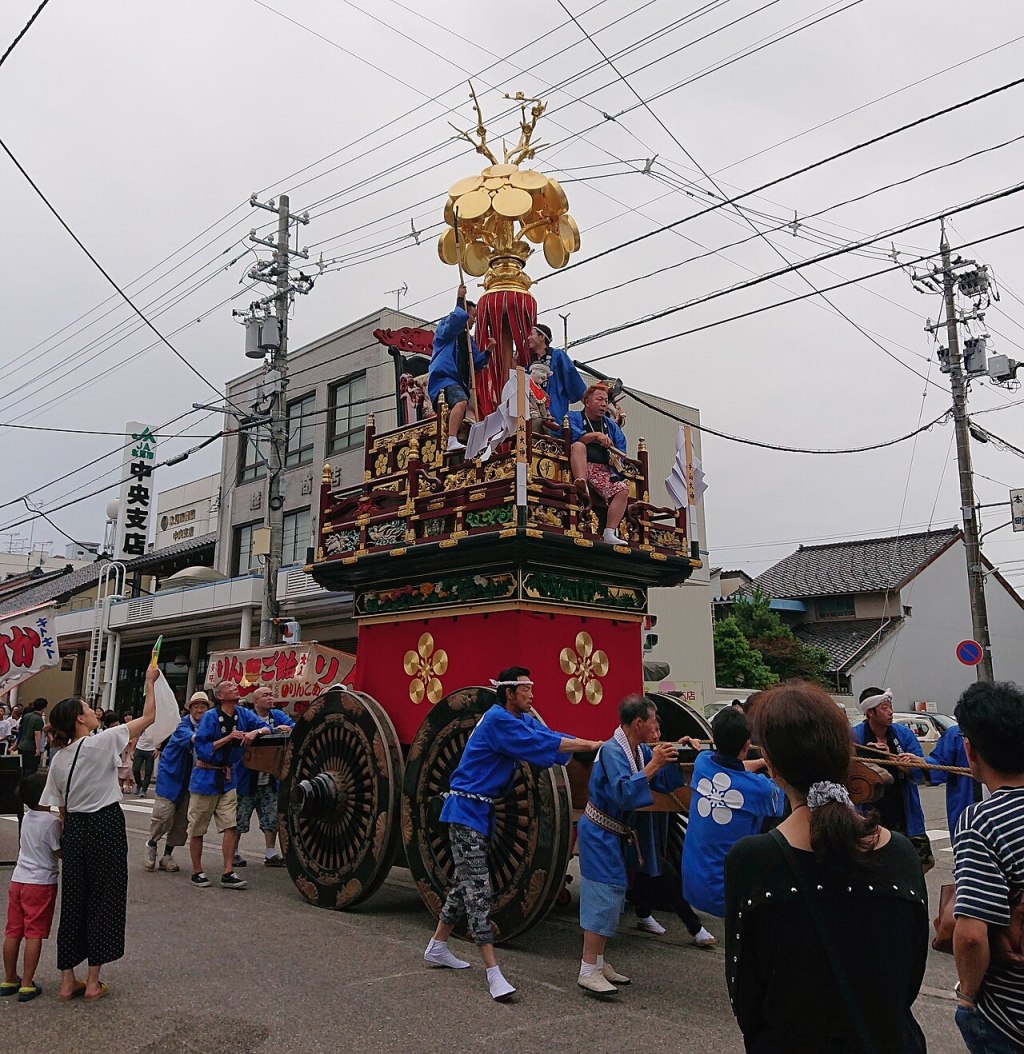
Spring festival
A local festival with floats that fills the town.
Food and drink
- T
- o
- y
- a
- m
- a
- f
- o
- o
- d
- i
- s
- f
- i
- s
- h
- a
- n
- d
- r
- i
- c
- e
- :
- y
- e
- l
- l
- o
- w
- t
- a
- i
- l
- ,
- s
- q
- u
- i
- d
- ,
- s
- h
- r
- i
- m
- p
- ,
- w
- h
- i
- t
- e
- b
- a
- i
- t
- a
- n
- d
- s
- u
- s
- h
- i
- ,
- w
- i
- t
- h
- s
- a
- k
- e
- f
- r
- o
- m
- t
- h
- e
- r
- e
- g
- i
- o
- n
- .
- H
- i
- m
- i
- h
- a
- s
- r
- e
- s
- t
- a
- u
- r
- a
- n
- t
- s
- n
- e
- a
- r
- t
- h
- e
- p
- o
- r
- t
- a
- n
- d
- t
- h
- e
- s
- t
- a
- t
- i
- o
- n
- ,
- a
- n
- d
- t
- h
- e
- m
- a
- r
- k
- e
- t
- s
- e
- l
- l
- s
- f
- i
- s
- h
- a
- n
- d
- d
- r
- i
- e
- d
- p
- r
- o
- d
- u
- c
- t
- s
- .
Getting there and around
- H
- i
- m
- i
- i
- s
- o
- n
- t
- h
- e
- J
- R
- H
- i
- m
- i
- l
- i
- n
- e
- ,
- a
- r
- o
- u
- n
- d
- t
- h
- i
- r
- t
- y
- m
- i
- n
- u
- t
- e
- s
- f
- r
- o
- m
- T
- a
- k
- a
- o
- k
- a
- ,
- a
- n
- d
- i
- s
- r
- e
- a
- c
- h
- e
- d
- b
- y
- r
- o
- a
- d
- o
- n
- r
- o
- u
- t
- e
- 1
- 6
- 0
- a
- n
- d
- t
- h
- e
- N
- o
- e
- t
- s
- u
- e
- x
- p
- r
- e
- s
- s
- w
- a
- y
- .
- T
- h
- e
- p
- o
- r
- t
- a
- n
- d
- t
- h
- e
- c
- e
- n
- t
- r
- e
- a
- r
- e
- w
- a
- l
- k
- a
- b
- l
- e
- f
- r
- o
- m
- H
- i
- m
- i
- s
- t
- a
- t
- i
- o
- n
- .
Where to stay
- A
- c
- c
- o
- m
- m
- o
- d
- a
- t
- i
- o
- n
- i
- s
- m
- o
- s
- t
- l
- y
- s
- m
- a
- l
- l
- i
- n
- n
- s
- a
- n
- d
- b
- u
- s
- i
- n
- e
- s
- s
- h
- o
- t
- e
- l
- s
- ,
- w
- i
- t
- h
- m
- o
- r
- e
- c
- h
- o
- i
- c
- e
- i
- n
- T
- a
- k
- a
- o
- k
- a
- a
- n
- d
- K
- a
- n
- a
- z
- a
- w
- a
- .
- M
- o
- s
- t
- v
- i
- s
- i
- t
- o
- r
- s
- c
- o
- m
- e
- a
- s
- a
- d
- a
- y
- t
- r
- i
- p
- .
Best time to visit
- S
- p
- r
- i
- n
- g
- i
- s
- t
- h
- e
- f
- e
- s
- t
- i
- v
- a
- l
- s
- e
- a
- s
- o
- n
- .
- S
- u
- m
- m
- e
- r
- i
- s
- w
- a
- r
- m
- a
- n
- d
- h
- u
- m
- i
- d
- .
- A
- u
- t
- u
- m
- n
- i
- s
- t
- h
- e
- s
- e
- a
- s
- o
- n
- f
- o
- r
- f
- i
- s
- h
- .
- W
- i
- n
- t
- e
- r
- i
- s
- c
- o
- l
- d
- ,
- w
- i
- t
- h
- s
- n
- o
- w
- a
- n
- d
- r
- o
- u
- g
- h
- s
- e
- a
- s
- .
Practical tips
- The market is a working place; follow the rules for visitors.
- Some shops close early and on irregular days.
- Winter seas can close the coastal roads.
Suggested day-trip outline
- Morning: train from Takaoka.
- Late morning: the port and the market.
- Lunch: sushi or a seafood set meal.
- Afternoon: the old streets and the temples.
- Late afternoon: the coast north of the town.
- Evening: dinner in town, or back to Takaoka.
Before you go
Timetables, fares, admission fees, and seasonal access rules can change. Check the official tourism and transport sites linked below for the latest information before you travel.
Explore More of Japan
Published guides that pair with this one:
- Itoigawa Travel Guide: Jade, Cliffs and the Japan Sea
- Amaharashi Coast Travel Guide: Toyama Bay and the Tateyama Range
- Nanto Travel Guide: Gassho Villages in Toyama
- Numazu Travel Guide: Shizuoka’s Fishing Port and Fuji Views
- Nagaoka Travel Guide: The Fireworks and the Gardens of Niigata
Browse every Chubu guide on this site for the rest of the region.
Sources
- city.himi.toyama.jp (checked 2026-11-08)
- pref.toyama.jp (checked 2026-11-08)


Leave a Reply