A practical English guide to Yokote in Akita: the snow festival, the farm country and access from Akita and Morioka.
Operational details such as opening hours, admission fees, and train times can change. Prefer official pages and reconfirm before you travel (sources checked on 08 November 2026).
Why visit
- Yokote is a city in southern Akita, on the edge of the Dewa hills, and it is one of the deep-snow towns of Tohoku. In February it is known for the Kamakura festival, when children sit in snow houses lit by candles and serve sweet sake and rice cakes.
- Outside the festival, Yokote is a farming and market town, with rice fields, orchards and a practical centre of shops and stations. The surrounding hills have temples, hot springs and the old roads towards Morioka and Akita.
- Yokote is on the Ou main line and the Tohoku shinkansen corridor, which makes it an easy stop in winter for the festival and in other seasons for the quiet farm country.
Top places and highlights
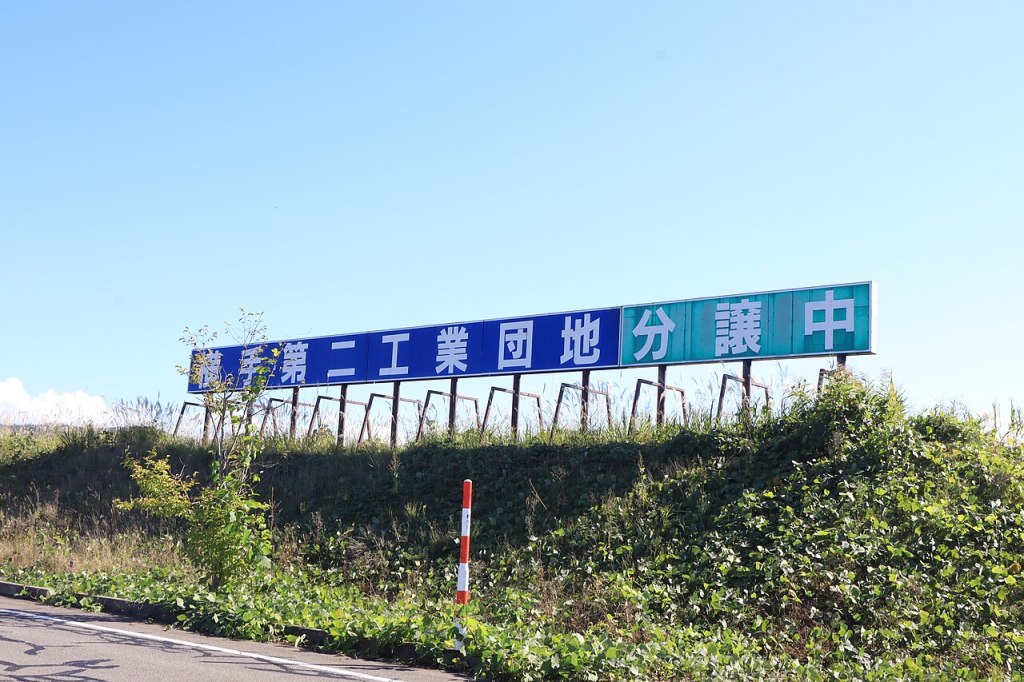
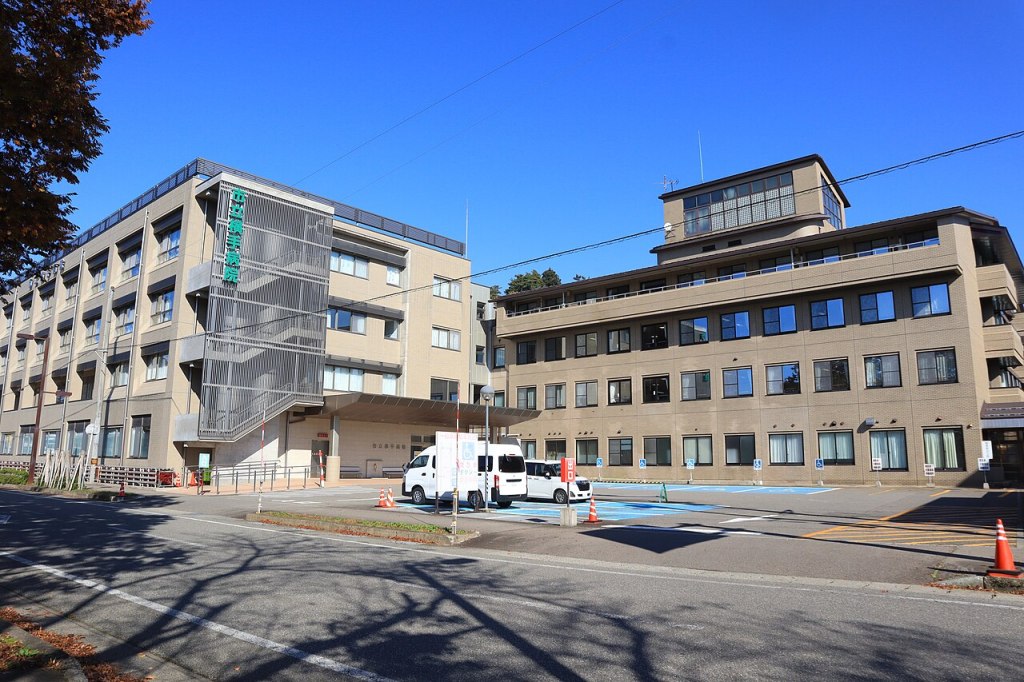
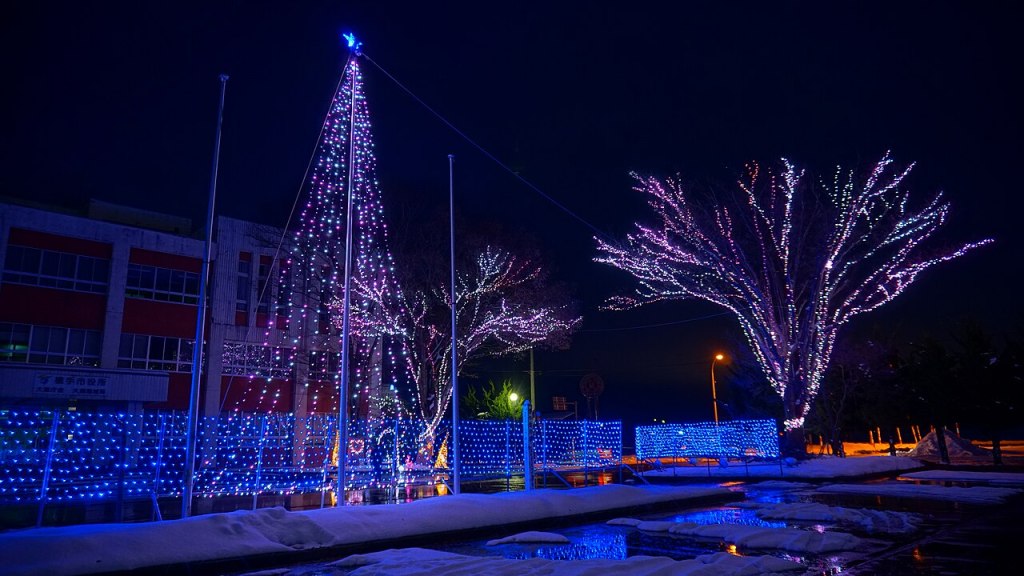
Kamakura festival
Snow houses lit by candles in February, with sweet sake and rice cakes.
Farm country
Rice fields and orchards across the Yokote basin.
Winter landscape
Deep snow, quiet streets and white hills.
Hot springs
Onsen in the surrounding towns.
Food and drink
- A
- k
- i
- t
- a
- f
- o
- o
- d
- i
- s
- r
- i
- c
- e
- ,
- s
- a
- k
- e
- ,
- k
- i
- r
- i
- t
- a
- n
- p
- o
- a
- n
- d
- r
- i
- v
- e
- r
- f
- i
- s
- h
- .
- Y
- o
- k
- o
- t
- e
- h
- a
- s
- r
- e
- s
- t
- a
- u
- r
- a
- n
- t
- s
- n
- e
- a
- r
- t
- h
- e
- s
- t
- a
- t
- i
- o
- n
- ,
- a
- n
- d
- t
- h
- e
- f
- e
- s
- t
- i
- v
- a
- l
- s
- t
- a
- l
- l
- s
- s
- e
- l
- l
- s
- w
- e
- e
- t
- s
- a
- k
- e
- a
- n
- d
- s
- n
- a
- c
- k
- s
- .
Getting there and around
- Y
- o
- k
- o
- t
- e
- i
- s
- o
- n
- t
- h
- e
- J
- R
- O
- u
- m
- a
- i
- n
- l
- i
- n
- e
- ,
- a
- r
- o
- u
- n
- d
- a
- n
- h
- o
- u
- r
- f
- r
- o
- m
- A
- k
- i
- t
- a
- a
- n
- d
- a
- n
- h
- o
- u
- r
- f
- r
- o
- m
- M
- o
- r
- i
- o
- k
- a
- v
- i
- a
- t
- h
- e
- s
- h
- i
- n
- k
- a
- n
- s
- e
- n
- c
- o
- n
- n
- e
- c
- t
- i
- o
- n
- a
- t
- n
- e
- a
- r
- b
- y
- s
- t
- a
- t
- i
- o
- n
- s
- ,
- a
- n
- d
- i
- s
- r
- e
- a
- c
- h
- e
- d
- b
- y
- r
- o
- a
- d
- o
- n
- r
- o
- u
- t
- e
- 1
- 3
- a
- n
- d
- t
- h
- e
- A
- k
- i
- t
- a
- e
- x
- p
- r
- e
- s
- s
- w
- a
- y
- .
- T
- h
- e
- c
- e
- n
- t
- r
- e
- i
- s
- w
- a
- l
- k
- a
- b
- l
- e
- f
- r
- o
- m
- Y
- o
- k
- o
- t
- e
- s
- t
- a
- t
- i
- o
- n
- .
Where to stay
- A
- c
- c
- o
- m
- m
- o
- d
- a
- t
- i
- o
- n
- i
- s
- m
- o
- s
- t
- l
- y
- b
- u
- s
- i
- n
- e
- s
- s
- h
- o
- t
- e
- l
- s
- a
- n
- d
- s
- m
- a
- l
- l
- i
- n
- n
- s
- ,
- w
- i
- t
- h
- m
- o
- r
- e
- c
- h
- o
- i
- c
- e
- i
- n
- A
- k
- i
- t
- a
- c
- i
- t
- y
- .
- B
- o
- o
- k
- a
- h
- e
- a
- d
- f
- o
- r
- t
- h
- e
- F
- e
- b
- r
- u
- a
- r
- y
- f
- e
- s
- t
- i
- v
- a
- l
- .
Best time to visit
- F
- e
- b
- r
- u
- a
- r
- y
- i
- s
- t
- h
- e
- f
- e
- s
- t
- i
- v
- a
- l
- s
- e
- a
- s
- o
- n
- .
- S
- p
- r
- i
- n
- g
- i
- s
- g
- r
- e
- e
- n
- a
- f
- t
- e
- r
- t
- h
- e
- t
- h
- a
- w
- .
- S
- u
- m
- m
- e
- r
- i
- s
- h
- o
- t
- a
- n
- d
- h
- u
- m
- i
- d
- .
- A
- u
- t
- u
- m
- n
- i
- s
- t
- h
- e
- h
- a
- r
- v
- e
- s
- t
- .
- W
- i
- n
- t
- e
- r
- i
- s
- c
- o
- l
- d
- a
- n
- d
- s
- n
- o
- w
- y
- .
Practical tips
- The festival dates change slightly each year; check in advance.
- Winter roads need snow tyres.
- Some onsen are closed to day visitors.
Suggested day-trip outline
- Morning: train to Yokote.
- Late morning: the centre and the snow houses in season.
- Lunch: a local set meal or festival snacks.
- Afternoon: the farms or an onsen.
- Late afternoon: a walk through the town.
- Evening: dinner in town, or back to Akita.
Before you go
Timetables, fares, admission fees, and seasonal access rules can change. Check the official tourism and transport sites linked below for the latest information before you travel.
Explore More of Japan
Published guides that pair with this one:
- Ninohe Travel Guide: A Country Town in Northern Iwate
- Oshu Travel Guide: Rice Plains and Hot Springs in Southern Iwate
- Noshiro Travel Guide: A Port Town in Northern Akita
- Oga Travel Guide: Namahage Country on the Akita Coast
- Osaki Travel Guide: Rice Country in Northern Miyagi
Browse every Tohoku guide on this site for the rest of the region.
Sources
- city.yokote.lg.jp (checked 2026-11-08)
- tohokukanko.jp (checked 2026-11-08)


Leave a Reply