A practical English guide to Ninohe in Iwate: the station, the farm country and access from Morioka and Hachinohe.
Operational details such as opening hours, admission fees, and train times can change. Prefer official pages and reconfirm before you travel (sources checked on 08 November 2026).
Why visit
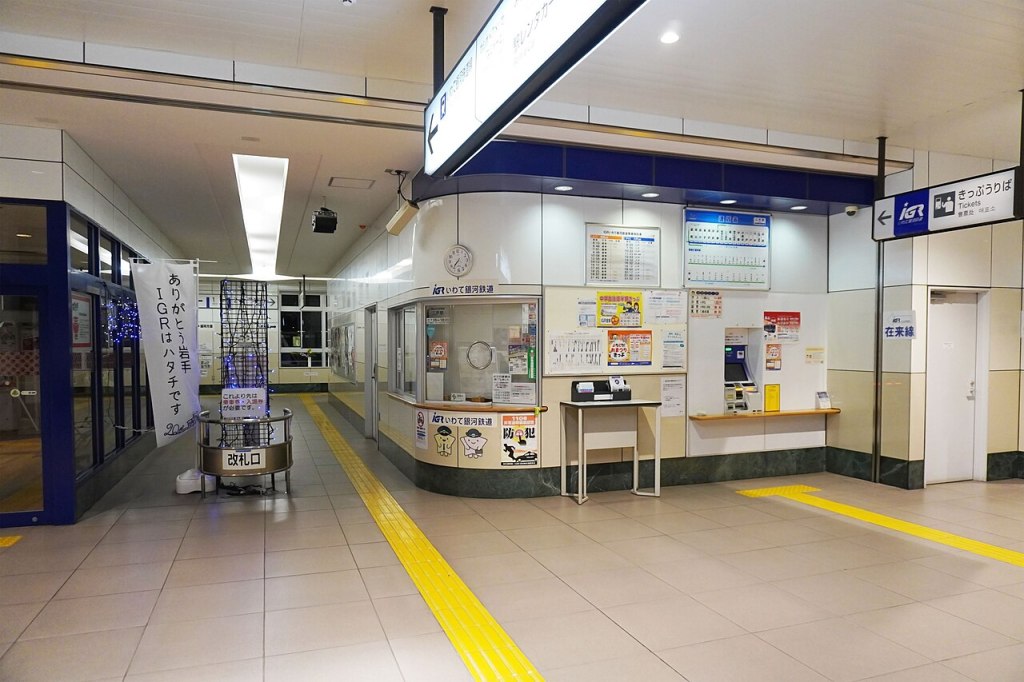
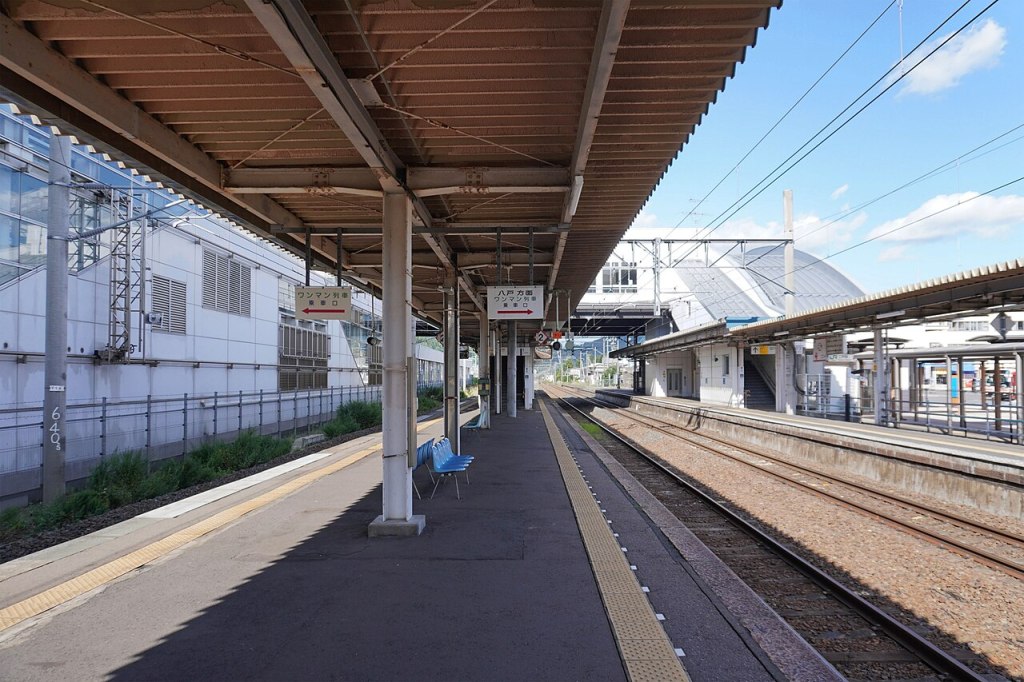
- Ninohe is a country town in northern Iwate, on the plain between the mountains of the interior and the coast of Aomori. It is farming country, with fields, small woods and long roads, and it is a stop on the line that runs north from Morioka.
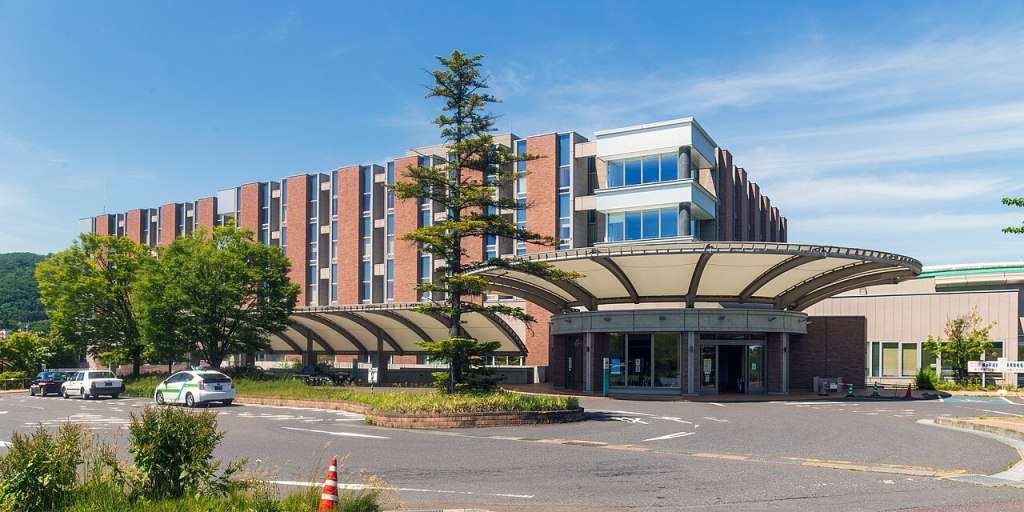
- The town is quiet and practical, with a station, shops and public buildings, and the surrounding area has hot springs, temples and the old roads that once carried traffic north. It is not a destination in itself, but it is a good place to see the rural north of Tohoku.
- Ninohe is on the JR Tohoku shinkansen and the Iwate Galaxy Railway line, which makes it an easy stop between Morioka and Hachinohe, and a base for the quiet side of the region.
Top places and highlights
Station and centre
A practical centre with a station, shops and public buildings.
Farm country
Fields and small woods across the plain of northern Iwate.
Hot springs
Onsen in the surrounding hills.
Old roads
Routes north that once carried travellers and goods.
Food and drink
- I
- w
- a
- t
- e
- f
- o
- o
- d
- i
- s
- r
- i
- c
- e
- ,
- s
- o
- b
- a
- ,
- v
- e
- g
- e
- t
- a
- b
- l
- e
- s
- a
- n
- d
- m
- e
- a
- t
- ,
- w
- i
- t
- h
- s
- a
- k
- e
- a
- n
- d
- l
- o
- c
- a
- l
- s
- w
- e
- e
- t
- s
- .
- N
- i
- n
- o
- h
- e
- h
- a
- s
- r
- e
- s
- t
- a
- u
- r
- a
- n
- t
- s
- n
- e
- a
- r
- t
- h
- e
- s
- t
- a
- t
- i
- o
- n
- ,
- a
- n
- d
- t
- h
- e
- f
- a
- r
- m
- s
- s
- e
- l
- l
- p
- r
- o
- d
- u
- c
- e
- d
- i
- r
- e
- c
- t
- l
- y
- .
Getting there and around
- N
- i
- n
- o
- h
- e
- i
- s
- o
- n
- t
- h
- e
- T
- o
- h
- o
- k
- u
- s
- h
- i
- n
- k
- a
- n
- s
- e
- n
- a
- n
- d
- t
- h
- e
- I
- w
- a
- t
- e
- G
- a
- l
- a
- x
- y
- R
- a
- i
- l
- w
- a
- y
- l
- i
- n
- e
- ,
- a
- r
- o
- u
- n
- d
- a
- n
- h
- o
- u
- r
- f
- r
- o
- m
- M
- o
- r
- i
- o
- k
- a
- a
- n
- d
- f
- o
- r
- t
- y
- m
- i
- n
- u
- t
- e
- s
- f
- r
- o
- m
- H
- a
- c
- h
- i
- n
- o
- h
- e
- ,
- a
- n
- d
- i
- s
- r
- e
- a
- c
- h
- e
- d
- b
- y
- r
- o
- a
- d
- o
- n
- r
- o
- u
- t
- e
- 4
- a
- n
- d
- t
- h
- e
- T
- o
- h
- o
- k
- u
- e
- x
- p
- r
- e
- s
- s
- w
- a
- y
- .
- T
- h
- e
- c
- e
- n
- t
- r
- e
- i
- s
- w
- a
- l
- k
- a
- b
- l
- e
- f
- r
- o
- m
- N
- i
- n
- o
- h
- e
- s
- t
- a
- t
- i
- o
- n
- .
Where to stay
- A
- c
- c
- o
- m
- m
- o
- d
- a
- t
- i
- o
- n
- i
- s
- m
- o
- s
- t
- l
- y
- b
- u
- s
- i
- n
- e
- s
- s
- h
- o
- t
- e
- l
- s
- a
- n
- d
- s
- m
- a
- l
- l
- i
- n
- n
- s
- ,
- w
- i
- t
- h
- m
- o
- r
- e
- c
- h
- o
- i
- c
- e
- i
- n
- M
- o
- r
- i
- o
- k
- a
- a
- n
- d
- H
- a
- c
- h
- i
- n
- o
- h
- e
- .
- I
- t
- i
- s
- a
- p
- r
- a
- c
- t
- i
- c
- a
- l
- s
- t
- o
- p
- o
- n
- t
- h
- e
- n
- o
- r
- t
- h
- e
- r
- n
- r
- o
- u
- t
- e
- .
Best time to visit
- S
- p
- r
- i
- n
- g
- i
- s
- g
- r
- e
- e
- n
- ,
- w
- i
- t
- h
- p
- l
- a
- n
- t
- i
- n
- g
- i
- n
- t
- h
- e
- f
- i
- e
- l
- d
- s
- .
- S
- u
- m
- m
- e
- r
- i
- s
- w
- a
- r
- m
- a
- n
- d
- h
- u
- m
- i
- d
- .
- A
- u
- t
- u
- m
- n
- i
- s
- t
- h
- e
- h
- a
- r
- v
- e
- s
- t
- ,
- w
- i
- t
- h
- c
- o
- l
- o
- u
- r
- i
- n
- t
- h
- e
- h
- i
- l
- l
- s
- .
- W
- i
- n
- t
- e
- r
- i
- s
- c
- o
- l
- d
- ,
- w
- i
- t
- h
- s
- n
- o
- w
- .
Practical tips
- The town is small; check return train times.
- Some onsen are closed to day visitors.
- Winter snow can delay trains.
Suggested day-trip outline
- Morning: shinkansen to Ninohe.
- Late morning: the centre and the station area.
- Lunch: soba or a local set meal.
- Afternoon: a drive through the farms.
- Late afternoon: an onsen in the hills.
- Evening: dinner in town, or on to Morioka.
Before you go
Timetables, fares, admission fees, and seasonal access rules can change. Check the official tourism and transport sites linked below for the latest information before you travel.
Explore More of Japan
Published guides that pair with this one:
- Oshu Travel Guide: Rice Plains and Hot Springs in Southern Iwate
- Ichinoseki Travel Guide: Shrines and River Country in Southern Iwate
- Osaki Travel Guide: Rice Country in Northern Miyagi
- Kamaishi Travel Guide: Iron, Bay and Iwate’s Coast
- Murakami Travel Guide: Salmon, Castle and Old Niigata
Browse every Tohoku guide on this site for the rest of the region.
Sources
- tohokukanko.jp (checked 2026-11-08)
- pref.iwate.jp (checked 2026-11-08)


Leave a Reply