A practical English guide to Oshu in Iwate: the rice plains, the hot springs and access from Sendai and Morioka.
Operational details such as opening hours, admission fees, and train times can change. Prefer official pages and reconfirm before you travel (sources checked on 08 November 2026).
Why visit
- Oshu is a city in southern Iwate, formed from several old towns and villages on the plain between the Kitakami river and the mountains. It is rice country, with some of the largest fields in Tohoku, and it has a long history as a farming and market area.
- The city is known for its hot springs, including the onsen at Isawa, and for its temples and old roads. The landscape is flat and open, with the mountains of the interior on one side and the river on the other.
- Oshu is on the Tohoku shinkansen and the Tohoku main line, which makes it an easy stop between Sendai and Morioka, and a practical base for the southern part of Iwate.
Top places and highlights
Rice plains
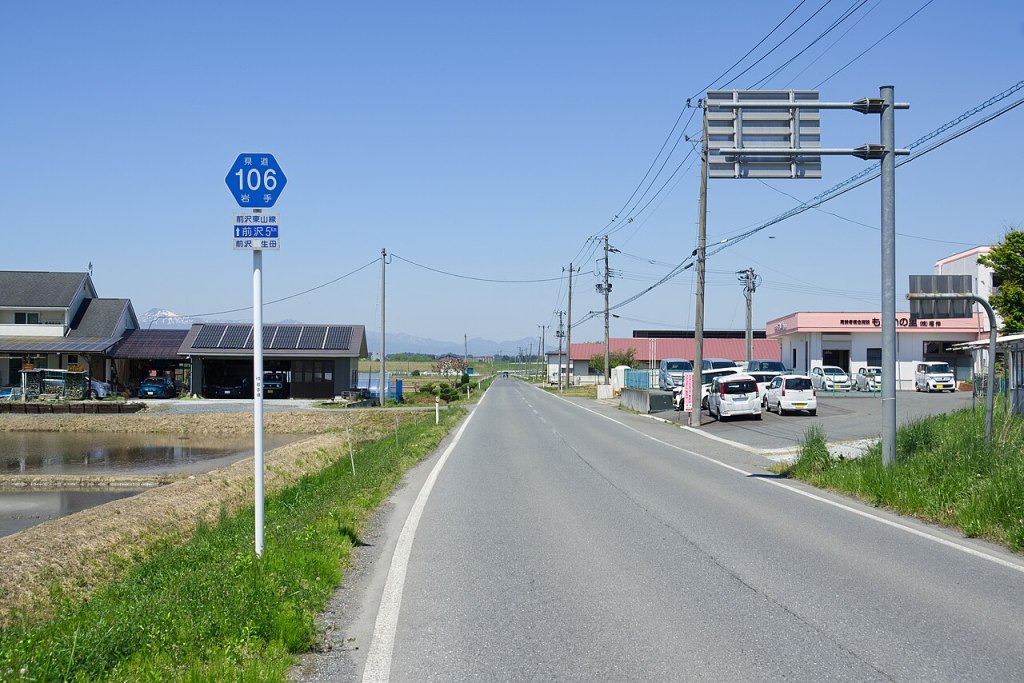
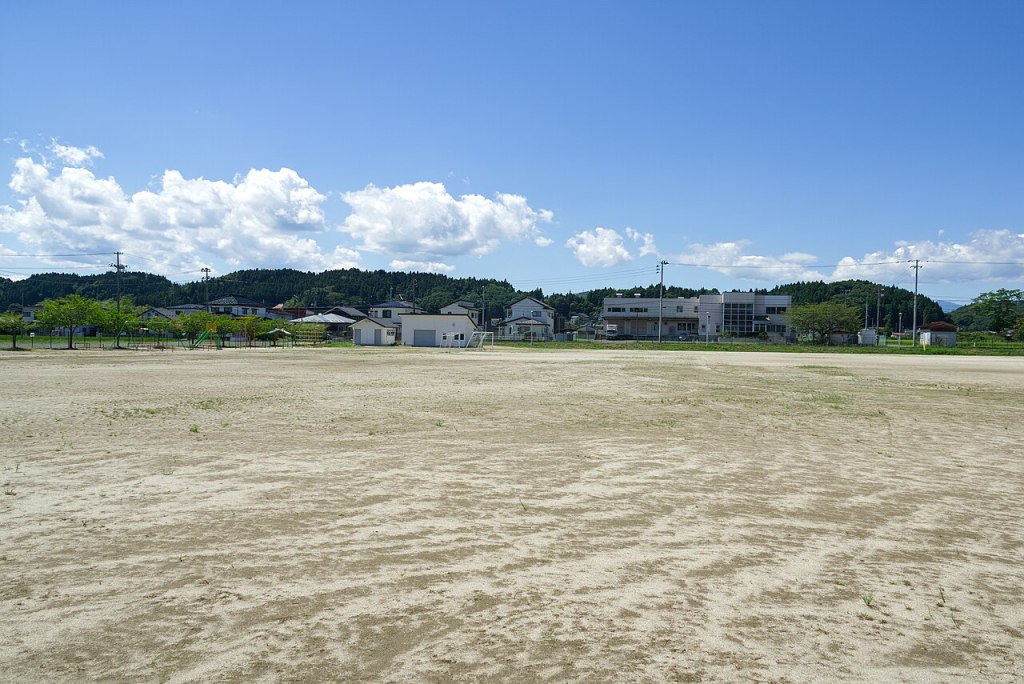
Large fields along the Kitakami river, with open views.
Isawa hot springs
Onsen in the hills, with a long history as a bathing place.
Temples and old roads
Small temples and the old routes through the plain.
River country
The Kitakami river and its bridges, with walks along the banks.
Food and drink
- I
- w
- a
- t
- e
- f
- o
- o
- d
- i
- s
- r
- i
- c
- e
- ,
- s
- o
- b
- a
- ,
- v
- e
- g
- e
- t
- a
- b
- l
- e
- s
- a
- n
- d
- m
- e
- a
- t
- ,
- w
- i
- t
- h
- s
- a
- k
- e
- a
- n
- d
- l
- o
- c
- a
- l
- s
- w
- e
- e
- t
- s
- .
- O
- s
- h
- u
- h
- a
- s
- r
- e
- s
- t
- a
- u
- r
- a
- n
- t
- s
- n
- e
- a
- r
- t
- h
- e
- s
- t
- a
- t
- i
- o
- n
- s
- ,
- a
- n
- d
- t
- h
- e
- f
- a
- r
- m
- s
- s
- e
- l
- l
- r
- i
- c
- e
- a
- n
- d
- p
- r
- o
- d
- u
- c
- e
- d
- i
- r
- e
- c
- t
- l
- y
- .
Getting there and around
- O
- s
- h
- u
- i
- s
- o
- n
- t
- h
- e
- T
- o
- h
- o
- k
- u
- s
- h
- i
- n
- k
- a
- n
- s
- e
- n
- a
- t
- M
- i
- z
- u
- s
- a
- w
- a
- a
- n
- d
- o
- n
- t
- h
- e
- T
- o
- h
- o
- k
- u
- m
- a
- i
- n
- l
- i
- n
- e
- ,
- a
- r
- o
- u
- n
- d
- a
- n
- h
- o
- u
- r
- f
- r
- o
- m
- S
- e
- n
- d
- a
- i
- a
- n
- d
- f
- o
- r
- t
- y
- m
- i
- n
- u
- t
- e
- s
- f
- r
- o
- m
- M
- o
- r
- i
- o
- k
- a
- ,
- a
- n
- d
- i
- s
- r
- e
- a
- c
- h
- e
- d
- b
- y
- r
- o
- a
- d
- o
- n
- r
- o
- u
- t
- e
- 4
- a
- n
- d
- t
- h
- e
- T
- o
- h
- o
- k
- u
- e
- x
- p
- r
- e
- s
- s
- w
- a
- y
- .
- A
- c
- a
- r
- i
- s
- t
- h
- e
- p
- r
- a
- c
- t
- i
- c
- a
- l
- w
- a
- y
- t
- o
- r
- e
- a
- c
- h
- t
- h
- e
- o
- n
- s
- e
- n
- a
- n
- d
- t
- h
- e
- v
- i
- l
- l
- a
- g
- e
- s
- .
Where to stay
- A
- c
- c
- o
- m
- m
- o
- d
- a
- t
- i
- o
- n
- i
- s
- m
- o
- s
- t
- l
- y
- b
- u
- s
- i
- n
- e
- s
- s
- h
- o
- t
- e
- l
- s
- a
- n
- d
- o
- n
- s
- e
- n
- i
- n
- n
- s
- ,
- w
- i
- t
- h
- m
- o
- r
- e
- c
- h
- o
- i
- c
- e
- i
- n
- S
- e
- n
- d
- a
- i
- a
- n
- d
- M
- o
- r
- i
- o
- k
- a
- .
- I
- s
- a
- w
- a
- i
- s
- t
- h
- e
- b
- e
- s
- t
- b
- a
- s
- e
- f
- o
- r
- a
- q
- u
- i
- e
- t
- s
- t
- a
- y
- .
Best time to visit
- S
- p
- r
- i
- n
- g
- i
- s
- g
- r
- e
- e
- n
- ,
- w
- i
- t
- h
- p
- l
- a
- n
- t
- i
- n
- g
- i
- n
- t
- h
- e
- f
- i
- e
- l
- d
- s
- .
- S
- u
- m
- m
- e
- r
- i
- s
- h
- o
- t
- a
- n
- d
- h
- u
- m
- i
- d
- .
- A
- u
- t
- u
- m
- n
- i
- s
- t
- h
- e
- h
- a
- r
- v
- e
- s
- t
- ,
- w
- i
- t
- h
- g
- o
- o
- d
- r
- i
- c
- e
- .
- W
- i
- n
- t
- e
- r
- i
- s
- c
- o
- l
- d
- ,
- w
- i
- t
- h
- s
- n
- o
- w
- o
- n
- t
- h
- e
- h
- i
- l
- l
- s
- .
Practical tips
- The city is spread out; a car or train plus bus works best.
- Some onsen are closed to day visitors; check in advance.
- Mountain roads can close in snow.
Suggested day-trip outline
- Morning: shinkansen to Mizusawa.
- Late morning: the fields and the river.
- Lunch: soba or a local set meal.
- Afternoon: a temple or the old roads.
- Late afternoon: the Isawa hot springs.
- Evening: dinner at the inn, or back to Sendai.
Before you go
Timetables, fares, admission fees, and seasonal access rules can change. Check the official tourism and transport sites linked below for the latest information before you travel.
Explore More of Japan
Published guides that pair with this one:
- Osaki Travel Guide: Rice Country in Northern Miyagi
- Shizukuishi Travel Guide: Iwate’s Onsen and Ski Valley
- Tendo Travel Guide: Shogi Pieces and Hot Springs in Yamagata
- Hanamaki Travel Guide: Miyazawa Kenji, Hot Springs and Wanko Soba
- Iwaki Travel Guide: The Spa Resort and the Ammonite Coast
Browse every Tohoku guide on this site for the rest of the region.
Sources
- city.oshu.iwate.jp (checked 2026-11-08)
- tohokukanko.jp (checked 2026-11-08)


Leave a Reply