Japan has more than twenty World Heritage sites, and several of them are places where the designation changes how you should visit: buses instead of cars, timed entry, or a walk that starts before the crowds. These guides cover the ones written up on this site in detail.
Natural sites
Landscapes listed for their ecology rather than their buildings.
- Yakushima, Kagoshima — ancient cedar forest and the weather that comes with it
- Shiretoko, Hokkaido — a peninsula of cliffs, cruises and wildlife rules
Castles and samurai sites
The feudal half of the list.
- Himeji Castle — the largest surviving original keep
- Kakunodate — samurai streets, and the merchant quarter beside them
Temples, shrines and sacred sites
Where the visit is as much about the approach as the building.
- Hiraizumi, Iwate — Chuson-ji’s golden hall and Motsu-ji’s garden
- Nikko, Tochigi — the Toshogu shrines and the forest around them
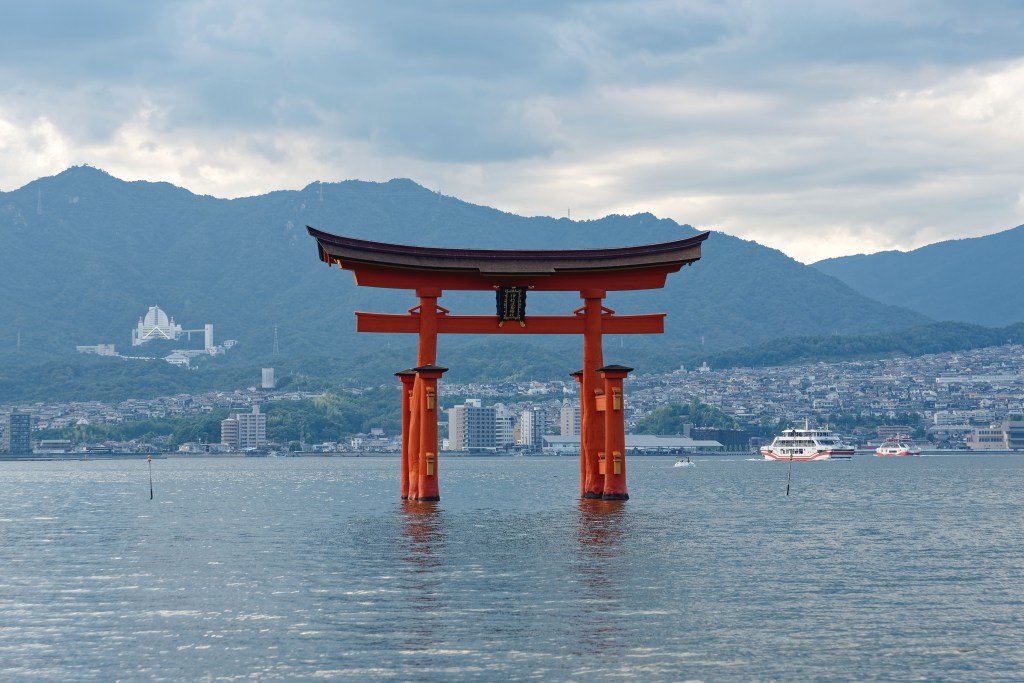
- Itsukushima Shrine, Hiroshima — the shrine and torii in the tidal flat
- Byodo-in, Uji — the Phoenix Hall on the ten-yen coin
- Koyasan, Wakayama — the mountain centre of Shingon Buddhism
Mines and villages
Industrial and vernacular sites, where the landscape is the exhibit.
- Shirakawa-go, Gifu — gassho-zukuri farmhouses in a mountain valley
- Iwami Ginzan, Shimane — a silver mine and the town that ran it
Ryukyu sites
Okinawa’s separate listing, which covers castles and sacred groves together.
- Sefa Utaki, Okinawa — the limestone grove treated as sacred by the Ryukyu court
- Nakijin Castle, Okinawa — the largest gusuku in the northern part of the island
Designation is not a promise of facilities: some of these sites are a bus stop and a path. Check the access section of each guide before you build a day around one.
Other collections on this site
- Japan’s Twelve Original Castles
- Japan’s Onsen Towns
- Day Trips from Tokyo
- Day Trips from Kyoto and Osaka
- First Time in Japan: how to plan a trip
- Japan by Season: spring, summer, autumn, winter
- Japanese Gardens — groups them by garden type, and by season
- Japan’s Old Towns — sorts the preserved streets by what kind of town they were


