Plan a visit to Shiroishi in Miyagi for its reconstructed castle, the samurai district and the local white stone walls.
Operational details such as opening hours, admission fees, and train times can change. Prefer official pages and reconfirm before you travel (sources checked on 04 November 2026).
Why visit
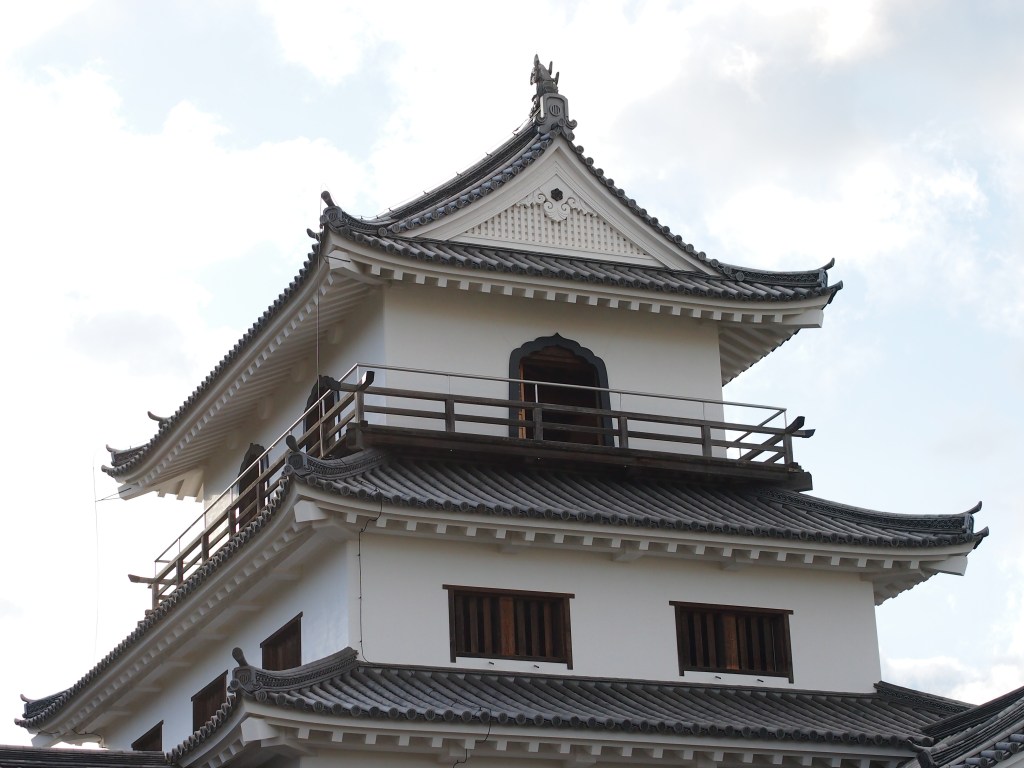
- Shiroishi Castle is one of the most convincing castle reconstructions in Japan because it is not concrete. The keep and the main gate were rebuilt in 1995 in wood, without reinforcing metal, using traditional methods, and the keep is among the largest wooden reconstructions in the country at 16.7 metres above the stone base. For anyone tired of concrete castles with lifts, this is the opposite experience.
- The castle belonged to the Katakura clan for more than 260 years, from 1602 to the Meiji Restoration, and it survived the one-castle-per-domain order of 1615 as an exception within the Sendai domain. The Katakura were the senior retainers of Date Masamune, and the family’s story, including the eldest son’s role at the siege of Osaka and the refuge he gave to Sanada Yukimura’s children, is told in the castle museum.
- The town below is a castle town that still works. The moat and water channels survive, merchant storehouses stand along the old streets, and the temples hold gates moved from the castle. It is not a restored theme town: the castle sits in a public park, the schools and the city hall are next door, and the old fabric is mixed with ordinary life.
- The samurai house of the Koseki family, on the north side along the Sawabata river, is a thatched middle-ranking retainer’s house with a simple plan of kitchen, parlour and store room, and it is a designated cultural property. Seen with the castle, it completes the picture: the lord’s seat above, the retainer’s house below, at the scale of a real domain rather than a museum set.
- Shiroishi is the northern gateway to the Zao range. The city is the Miyagi-side base for Mount Zao, the Okama crater lake, the ski slopes and the Kamasaki and Obara hot springs, which have been treating visitors for centuries. A trip that starts with a castle can end in a mountain crater or a hot spring in the same day.
- The town has its own food and craft. Shiroishi umen is a thin wheat noodle made without oil, a local staple for more than 300 years and famously easy on the stomach, and the city is a centre of traditional kokeshi dolls, with the Yajiro style and a national competition every May. These are not souvenirs invented for tourists: they are the town’s older economy.
Top places and highlights
Shiroishi Castle
The castle was the seat of the Katakura family from 1602, survived the 1615 one-castle order as a Sendai-domain branch castle, and was dismantled in the Meiji period. The keep and the Otemon and Ninomon gates were rebuilt in 1995 in pure wood, and the keep is one of the largest wooden reconstructions in Japan. Admission is 400 yen for adults and 200 for school pupils, with a combined ticket for the castle, the 3D theatre and the samurai house at 800 yen for adults. It is open from 9:00 to 17:00 from April to October and 9:00 to 16:00 from November to March, with last entry 30 minutes before closing, and it closes from 28 to 31 December.
The castle town streets and water channels
The town still has its moat lines and water channels, and the merchant storehouses and old houses stand along the streets between the station and the castle. The walk from Shiroishi station to the castle takes about 15 minutes and passes the ordinary life of the town as well as its old buildings. The castle park, the city hall and the schools sit together, which is a reminder that this is a working town rather than a preserved set.
The Koseki samurai house
The former Koseki house is a thatched middle-ranking samurai residence on the north side of the castle, along the Sawabata river that once formed the outer moat of the third enclosure. The plan is simple, with a kitchen, a parlour and a store room, and the lack of display is the point: it shows how a retainer of the Katakura actually lived. Admission is 200 yen for adults and 100 for school pupils, and the combined castle ticket includes it.
The Katakura family mausoleum
The mausoleum at the foot of Mount Atago holds the graves of the Katakura lords, with ten stone statues and a tomb arranged inside a granite enclosure, a form that is rare in Tohoku for a senior retainer family. It looks over the town and the castle, and it is a quiet walk rather than a major sight. The approach and the setting are the reason to go.
Mount Zao and the Okama crater
Shiroishi is the Miyagi-side gateway to the Zao range, and the Okama crater lake, the ski slopes and the alpine roads are reached from the city. The crater lake changes colour with the weather and the season, and the Zao echo line is one of the classic mountain drives in Tohoku. In winter the same range is a ski destination, and in autumn the slopes are among the first to turn.
Kamasaki Onsen
Kamasaki is a small hot spring village in the mountains above the town, with a history of more than 600 years and a reputation, in the local phrase, for healing wounds, while Obara nearby is known for the eyes. The inns are traditional and small, and the village is the kind of place where the bath is the attraction rather than the facilities. It is the natural overnight stop for a Zao trip.
Shiroishi umen
Umen is a thin wheat noodle made only from flour and salt water, without oil, and it has been made in Shiroishi for more than 300 years. It is served cold with a dipping sauce or hot in broth, and it is light enough to eat after a long walk. The town has workshops and restaurants that serve it, and the dry noodles travel well as a souvenir.
Kokeshi dolls
Shiroishi is one of the homes of traditional kokeshi, with the Yajiro style and a group of workshops that still turn and paint the dolls by hand. The city holds the All Japan Kokeshi Competition in May, and the shops and workshops in the town are open to visitors. It is a craft with a long local history rather than a souvenir industry, and buying direct from a workshop is the point.
Food and drink
- Shiroishi umen is the local dish to eat first: thin wheat noodles made without oil, served cold with a soy-based dipping sauce and spring onions, or hot in a simple broth. It is mild and easy to digest, which is why it has a reputation as food for convalescents, and the town’s umen restaurants are ordinary local places rather than attractions.
- The town’s other food is the cooking of the Miyagi interior: soba, rice, local vegetables, mushrooms and river fish, with Zao beef and pork on the better menus. The restaurants around the station and the castle serve set meals at lunch, and the choice is small in the evening.
- The hot spring villages have their own dining rooms, and staying half board at Kamasaki or Obara is the practical way to eat well in the mountains. The meals are built on mountain vegetables and local produce, and the portions are generous.
- For sweets and gifts, the town sells umen, kokeshi and local sake. The station shops are convenient, but the workshops and the umen makers sell direct, and the difference in quality is worth the short walk.
Getting there and around
- The Tohoku Shinkansen stops at Shiroishi-Zao station, about two hours from Tokyo, and the castle is five minutes by car or taxi from the station. The conventional JR Shiroishi station on the Tohoku main line is a 15-minute walk from the castle, and the town centre is between the two.
- By car, the Tohoku Expressway’s Shiroishi interchange is about 10 minutes from the castle, and Sendai is about 40 minutes. The Zao echo line and the mountain roads start from the western side of the city.
- Parking is at the Shiroishi castle car park with 81 ordinary spaces and 7 large vehicles, at the Migaoka park car park with 46 spaces, and at the samurai house with about 20 spaces. The castle car park is next to the city hall, and the walk from it to the keep is short.
- The town centre is flat and walkable, and the castle, the samurai house and the old streets are within about 20 minutes of each other. A car is needed for Kamasaki Onsen, Obara and the Zao mountain roads.
- Shiroishi-Zao station is the better arrival for the castle by taxi, while the conventional Shiroishi station is better for walking into the town. The two stations are on different lines, and the Shinkansen station is outside the centre.
Where to stay
- Kamasaki Onsen and Obara Onsen are the traditional overnight stays, with small inns and a long history as mountain cure resorts. Kamasaki is the closer and better known, and its inns are the base for Zao and the castle together.
- Shiroishi city has business hotels near the station, which suit a one-night stop between Sendai and Zao. The town is quiet in the evening, and the hotels are practical rather than atmospheric.
- Sendai, 40 minutes away, has the widest range of hotels and the best transport, and Shiroishi works as a day trip from it. For the castle and the umen alone, a day trip is enough; for Zao and the onsen, stay in the mountains.
Best time to visit
- Spring is the castle’s best season, with the cherries in the park and the castle keep against the blossoms. The town’s kokeshi competition is in May, and the weather is mild for walking between the castle and the samurai house.
- Summer is the season for Zao, with the crater lake, the alpine plants and the mountain roads open. The town is warm but not as hot as the Sendai plain, and the onsen villages are cool in the evening.
- Autumn is the best season for the mountains, with the Zao slopes turning from late September and the castle park quiet in October. The umen and the new rice are at their best, and the drive up to the crater is at its clearest.
- Winter is ski season on Zao and quiet in the town, with the castle on its shorter hours and the park under snow. The castle closes only from 28 to 31 December, and the keep in the snow is one of the town’s best photographs.
Practical tips
- Take the combined ticket if you are seeing more than the keep. The castle, the 3D theatre and the samurai house together are 800 yen for adults, which is cheaper than the three separately, and the theatre is a good introduction to the Katakura story.
- Check the winter hours. The castle closes at 16:00 from November to March with last entry at 15:30, so a late afternoon arrival in winter leaves no time. In summer it is open until 17:00.
- Walk from the conventional station rather than taking a taxi. The 15-minute walk from JR Shiroishi station goes through the old town and the water channels, and it is the best introduction to the place. From the Shinkansen station, take a taxi.
- Eat umen at lunch. The town’s umen restaurants are lunch places, and many close in the evening. If you are staying at an onsen, the inn’s dinner will be the evening meal.
- Do not skip the samurai house. It is small and cheap, and it is the counterweight to the castle: the lord’s seat is impressive, but the retainer’s house is where the domain actually lived.
- Use Shiroishi as the Miyagi base for Zao. The city is closer to the crater and the ski slopes than Sendai, and the onsen villages give you the mountain evening. The castle is the rainy-day option.
- Buy umen and kokeshi from the makers. The station shops are fine, but the workshops sell the dolls direct and the umen makers sell the fresh noodles, and the town is small enough to visit both in an afternoon.
Suggested day-trip outline
- Arrive at Shiroishi station and walk into the town, following the water channels to the castle. Start with the castle keep and the museum, and take in the 3D theatre if the timing works.
- Walk north to the Koseki samurai house along the Sawabata river, then return through the old merchant streets for umen at lunch. In the afternoon, visit the Katakura mausoleum at the foot of Mount Atago.
- Drive or take a taxi up to Kamasaki Onsen for a bath and the evening, or continue to the Zao echo line if the road is open. Stay the night in the onsen village.
- On the second day, drive up to the Okama crater and the Zao plateau, walk the trails and return via the mountain roads. In winter, replace the crater with the ski slopes and a longer soak.
- If you have only a day, do the castle, the samurai house and umen, and leave Zao for a separate trip. Shiroishi is small, and the castle town is the part that rewards a slow half-day.
Before you go
Timetables, fares, admission fees, and seasonal access rules can change. Check the official tourism and transport sites linked below for the latest information before you travel.
Explore More of Japan
Published guides that pair with this one:
- Sendai Travel Guide: Gyutan, Jozenji-dori and the Gateway to Tohoku
- Matsushima Travel Guide: Pine Islands and a Day from Sendai
- Zao Onsen Guide: Snow Monsters, Skiing, and the Ropeway
- Kitakata Travel Guide: Fukushima’s Storehouse Town and Ramen
- Sendai Tanabata Guide: August Streamers and the Arcades
- Aizu-Wakamatsu Castle Travel Guide: Tsuruga Castle and the Castle Town
- Hirosaki Travel Guide: Castle Park, Cherry Blossoms, and the Old Town
- Komine Castle Travel Guide: A Reconstructed Turret in Shirakawa
- Hachimantai Travel Guide: Iwate’s Volcanic Highlands
Browse every Tohoku guide on this site for the rest of the region.
Sources
- shiro-f.jp — Visitor information (checked 2026-11-04)
- shiro-f.jp (checked 2026-11-04)
- shiroishi.ne.jp (checked 2026-11-04)
- city.shiroishi.miyagi.jp (checked 2026-11-04)
- shiroishi-navi.jp — About the museum (checked 2026-11-04)


Leave a Reply