A practical English guide to Asahidake in Daisetsuzan: the ropeway fares and timetable, the Sugatami pond circuit, when the leaves turn and bus access from Asahikawa.
Operational details such as opening hours, admission fees, and train times can change. Prefer official pages and reconfirm before you travel (sources checked on 05 November 2026).
Why visit
- Mount Asahidake is the highest mountain in Hokkaido at 2,291 metres, and it stands at the northern end of Daisetsuzan, the largest national park in Japan and the first to be designated, in 1934. A ropeway climbs from the hot spring village at 1,100 metres to a station at 1,600 metres, which puts you in a landscape that climatically corresponds to 2,500 metres in the Japanese Alps, with alpine plants, volcanic steam and snow patches that can last into July.
- The consequence is that Asahidake has the earliest autumn colour in Japan. The leaves start turning in late August, the dwarf rowan and birch on the slopes go red and gold through the first half of September, and the peak is usually in the middle to late part of the month, weeks before the rest of the country. In a good year the first snow arrives in mid-September and you get red leaves against white ground, which is the photograph everyone is chasing.
- The other reason to come is accessibility. The Sugatami pond circuit from the top station is about 1.7 kilometres, takes an hour at an easy pace, and passes fumaroles, three small ponds and five viewpoints without any technical difficulty. You do not need to be a mountaineer to stand in an alpine volcanic landscape here; you need a bus ticket and shoes with a decent sole.
- Below the ropeway is Asahidake onsen, a small resort of inns at 1,100 metres with hot springs of different characters, including one with a strong sulphur content. The combination of a mountain morning and a hot bath in the afternoon is what the area is for, and it is the reason to stay a night rather than doing it as a day trip from Asahikawa.
Top places and highlights
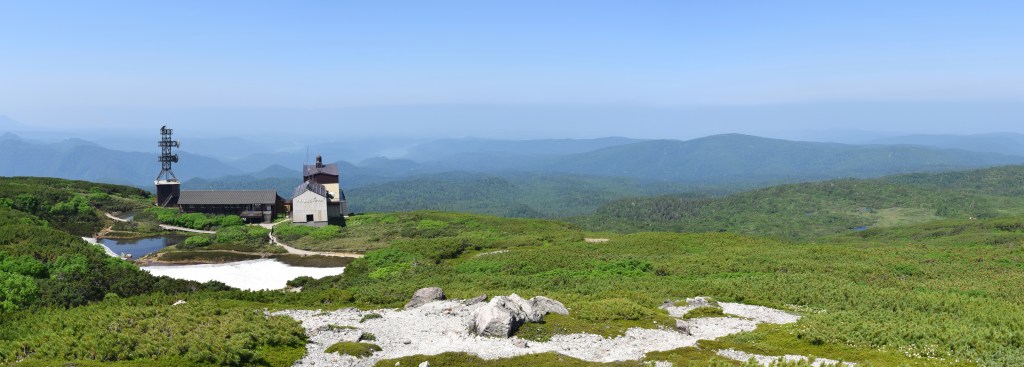
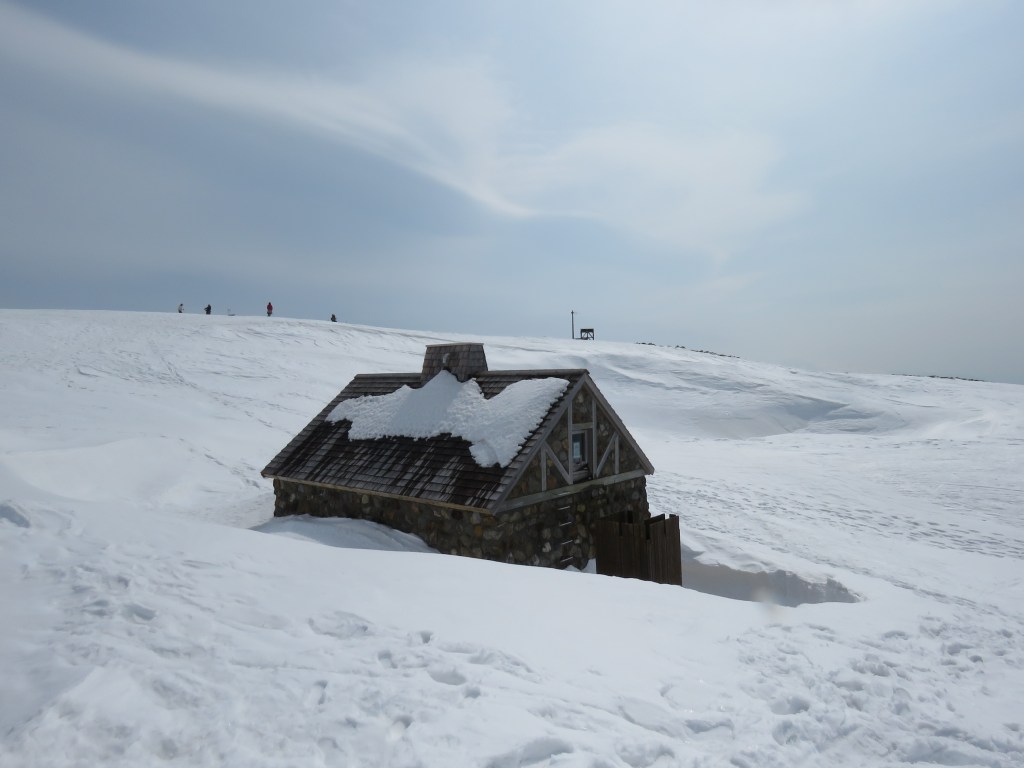
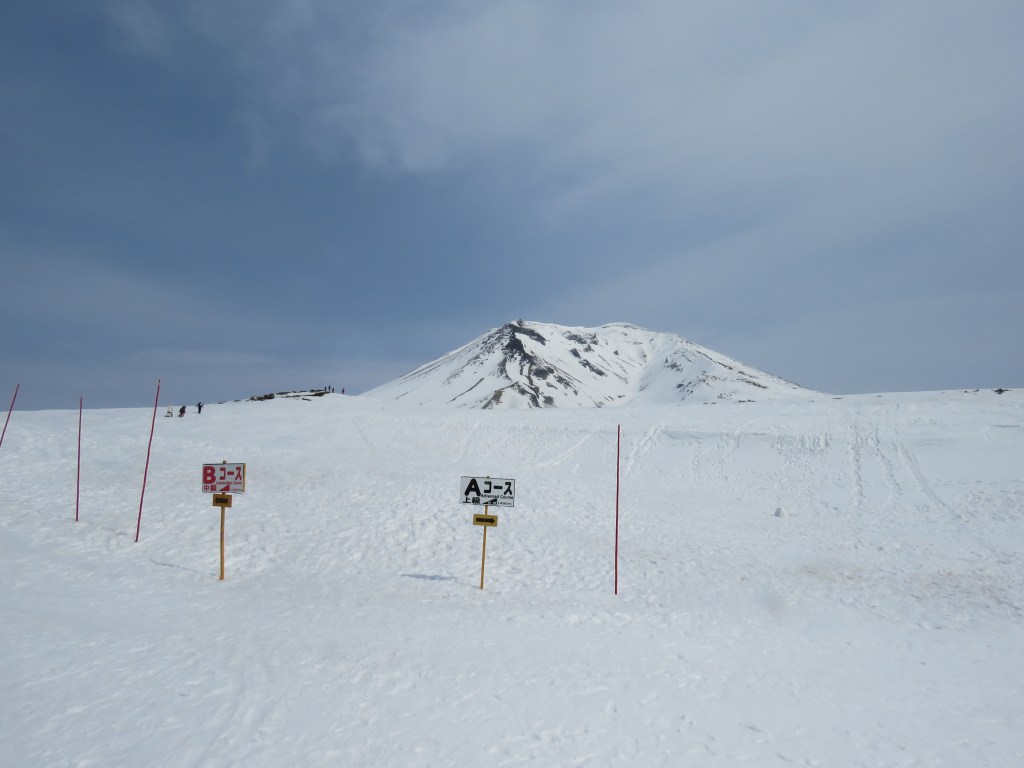
The Asahidake ropeway
The ropeway runs from the base station at Asahidake onsen to Sugatami station at 1,600 metres in about ten minutes, in a large cabin that holds 101 people, with the mountain filling the window the whole way. Fares are 3,500 yen return for adults from June to October and 2,800 yen from November to May, with one-way tickets at 2,200 and 1,700, and children at 1,750 return. It runs at fifteen-minute intervals in the main season and twenty minutes outside it, with the first ascent around 9:00 and the last descent at 16:00 in the shoulder season, and much earlier starts in the July and August peak. There is no reservation system: you queue. The ropeway closes for maintenance for about three weeks in November and December, and it stops in strong wind or lightning, so a timetable built on a fixed departure is a risk. Note that the last descent is enforced: missing it has been treated as a mountain accident.
The Sugatami pond circuit
From Sugatami station a marked path loops about 1.7 kilometres around the ponds, past two fumaroles that smell of sulphur and steam continuously, and past five numbered viewpoints. The first stretch reaches Sugatami pond, which on a still morning reflects the peak, then continues past Suribachi pond, Kagami pond and Mangetsu marsh before returning to the station. The walking is on volcanic gravel and boardwalk, with a few short climbs, and the full circuit takes about an hour. This is where the alpine plants are: yellow rhododendron and creeping pine in June and July, and the red and gold of dwarf rowan and birch in September. Clouds can close in within minutes and the temperature at 1,600 metres is far below the valley, so carry a shell even on a sunny morning. Rental boots are available at the top station if your footwear is inadequate.
The summit route
Beyond the pond circuit, a trail continues to the summit of Asahidake, another hour and a half to two hours up and about an hour down, on loose volcanic scree with snow patches that persist into summer. The summit has a small stone shelter and a view over the whole of Daisetsuzan, and on a clear day the ridge lines run away to Tokachi and beyond. This is a real mountain walk rather than a stroll: the path is steep, marked with paint and posts, and the weather changes fast. The reward is that almost nobody on the ropeway goes past the pond circuit, so the upper mountain is quiet even in the middle of the autumn colour season. Do not attempt it in poor visibility without a map and proper gear.
Asahidake onsen
The hot spring village sits at the foot of the ropeway, a cluster of inns and hotels at 1,100 metres with no shops and no taxi rank, and the water varies from inn to inn. Several places open their baths to day visitors in the afternoon, typically from around noon or 13:00 to 19:00 or 20:00, at prices between 800 and 1,000 yen for adults, and one of the larger hotels also has private baths by reservation. The setting is the point: outdoor baths look into birch forest, the air is cold even in summer, and after a morning at 1,600 metres the heat is welcome. Because the village is small and the bus is infrequent, staying the night is far more relaxing than trying to bathe and catch the last bus back to Asahikawa.
The visitor centre
The Asahidake visitor centre stands about 100 metres from the base station and is the place to check conditions before going up: weather, snow cover, volcanic activity and the state of the trails. The staff know the mountain and will tell you honestly whether the summit route is sensible that day. There are displays on the geology and the plants, and it is free. It is also where you find out about the restrictions that occasionally apply, because Daisetsuzan is an active volcanic area and closures happen. Ten minutes here before buying a ropeway ticket is the cheapest insurance on the mountain.
The drive and the wider park
Asahidake is one end of Daisetsuzan, and the park continues east and south through Sounkyo gorge, Kurodake and Tokachidake, with long-distance trails linking the peaks. Most visitors do not walk those, but the drive from Asahikawa through Higashikawa to the ropeway is itself worth the trip: farmland, then forest, then the road climbing through birch to the onsen, with the mountain ahead. The town of Higashikawa at the base has cafes, a bakery and a rice terrace that is unusual for Hokkaido, and the Asahikawa airport is 50 minutes away, which makes the area easy to combine with Biei and Furano. Note that the car park at the ropeway charges 500 yen in summer and is free in winter, and that it fills in the autumn colour weekends.
Food and drink
- The onsen village has almost no restaurants outside the hotels, so eat at your accommodation or plan a meal in Higashikawa or Asahikawa before coming up.
- Asahikawa ramen is the regional bowl: a soy-based broth with a layer of fat and thin, wavy noodles, and the city has a cluster of well-known shops near the station.
- Hokkaido dairy is everywhere and worth having: milk, soft ice cream and cheese from the farms around Higashikawa and Biei, sold at roadside shops on the drive up.
- Higashikawa has a bakery and a handful of cafes near the town office, which is a good stop for lunch before or after the ropeway.
- The hotels in Asahidake onsen serve set dinners built around local vegetables and Hokkaido fish, and staying half board is by far the easiest option in the village.
- Beer from the Asahikawa area is good and widely available, including from small breweries in the city. It is the reward for a cold morning on the mountain.
Getting there and around
- The main access is the Ideyu-go bus, route 66, from Asahikawa station to Asahidake, which runs four times a day and takes about one hour fifty minutes, at 2,300 yen for adults. It stops at Asahikawa airport on the way, about 50 minutes from the airport, at 1,650 yen.
- From Asahikawa station the bus leaves from stop 9 and passes the airport, Higashikawa town and the onsen before terminating at the ropeway station. Because there are only four services, a missed bus means hours of waiting.
- By car, Asahidake is about 70 minutes from the Asahikawa-Kita interchange and about 50 minutes from Asahikawa airport, following the road through Higashikawa and up the valley.
- From Sapporo, the drive is about three hours via Asahikawa, and the train to Asahikawa takes about an hour and a half from Sapporo station on the limited express.
- There are no taxis based at Asahidake onsen and no rental car office, so arrival and departure need to be planned around the bus or your own vehicle.
- The ropeway base station is the terminus of the bus and the top of the car park, and the visitor centre is a hundred metres away. From there, everything is on foot.
- The road is cleared in winter and access is generally possible unless the weather is severe, but the ropeway closes for maintenance from mid-November to mid-December.
Where to stay
- Asahidake onsen has a small number of hotels and inns at the foot of the ropeway, from large resort hotels with several baths to smaller pensions. Staying here means being at the ropeway for the first cabin.
- Higashikawa, 30 to 40 minutes down the valley, has guesthouses, cafes and a more residential feel, and is cheaper than the onsen.
- Asahikawa has the widest choice of hotels and the best restaurants, but the bus timetable makes a day trip tight and an early start essential.
- Biei and Furano, 40 minutes to an hour and a half away, have farm stays and pensions that combine well with Asahidake if you are touring by car.
Best time to visit
- Late August to late September is the autumn colour season, and it is the busiest time of year: the rowan and birch turn red and gold from the top down, the first snow often falls in mid-September, and the ropeway queue is long at weekends.
- June and July are the alpine flower season, with yellow rhododendron, creeping pine and cotton grass on the Sugatami circuit, and snow patches still on the ground in early summer.
- August is warm in the valley and cool at altitude, with the full flower display at its end and the first hints of colour beginning.
- Winter runs from November to April, when the ropeway runs a reduced schedule and the mountain is under deep snow. The onsen is at its best, the crowds are gone, and the upper mountain is for experienced backcountry skiers only.
- The ropeway closes for maintenance from mid-November to mid-December, which is worth checking before booking a winter trip.
Practical tips
- Take the earliest bus and the first ropeway cabin you can. The mountain clouds over by midday more often than not, and the view is the whole point.
- Check the ropeway’s opening schedule for your dates. It varies by season and closes entirely for maintenance in late autumn.
- Bring a windproof layer and gloves even in September. At 1,600 metres the wind is cold, and people arrive in T-shirts and regret it.
- Wear shoes with a thick sole, not trainers with smooth bottoms. The volcanic gravel on the circuit is loose and the summit path is rougher.
- Do not miss the last descent. The ropeway is explicit that missing it triggers a mountain rescue response, and the last cabin goes in the late afternoon.
- Check the visitor centre before buying a ticket. Volcanic activity and weather can close the upper trails, and the staff will tell you plainly.
- Carry cash for the ropeway, the car park and the onsen day baths. The village has no ATM.
- Book accommodation half board. There is nowhere else to eat in the village in the evening, and the nearest restaurants are 30 minutes down the valley.
Suggested day-trip outline
- Day 1, afternoon: bus from Asahikawa or the airport to Asahidake onsen, check in, and a day bath or the hotel’s own bath before dinner.
- Day 2, morning: visitor centre for conditions, first ropeway up, and the Sugatami pond circuit at an easy pace, with time at the fumaroles and the viewpoints.
- Day 2, late morning: if the weather and your legs allow, continue to the summit, and turn back if the cloud comes in.
- Day 2, afternoon: descend, bath at the onsen, and the bus back to Asahikawa, or a drive on to Biei and Furano.
- Alternative: a day trip from Asahikawa on the 7:15 bus, ropeway up, circuit and summit, and the 15:55 bus back, which is tight but workable in good weather.
Before you go
Timetables, fares, admission fees, and seasonal access rules can change. Check the official tourism and transport sites linked below for the latest information before you travel.
Explore More of Japan
Published guides that pair with this one:
- Asahikawa Travel Guide: Zoo, Ramen, and a Base for Central Hokkaido
- Biei and Furano Travel Guide: Flower Fields, Blue Pond, and Hokkaido Scenery
- Sounkyo Gorge Travel Guide: Waterfalls, Kurodake and Daisetsuzan
- Lake Toya Travel Guide: A Caldera Lake and Volcanic Shore in Hokkaido
- Jozankei Onsen Travel Guide: Sapporo’s Hot Spring Valley
- Rishiri Island Travel Guide: Rishiri Fuji, Kombu and the Far North
- Lake Mashu and Lake Kussharo Guide: Akan-Mashu National Park
- Rebun Island Travel Guide: Japan’s Northern Flower Island
- Akan-Mashu Travel Guide: Lakes, Marimo, and Ainu Culture in Hokkaido
Browse every Hokkaido guide on this site for the rest of the region.
Sources
- asahidake.hokkaido.jp (checked 2026-11-05)
- asahikawa-denkikidou.jp (checked 2026-11-05)
- welcome-higashikawa.jp (checked 2026-11-05)
- weathernews.jp (checked 2026-11-05)


Leave a Reply