A practical English guide to Inujima in Okayama: the Seirensho art museum in a former copper refinery, the art house project, the stone-quarry village and the ferry from Hoden port.
Operational details such as opening hours, admission fees, and train times can change. Prefer official pages and reconfirm before you travel (sources checked on 05 November 2026).
Why visit
- Inujima is a small island in the Seto Inland Sea, off the coast of Okayama, and it has two histories that make it unusual. In the early twentieth century it was a copper refining island, with a smelter that employed hundreds of people. When the refinery closed, the island emptied, and the village that remains is a fraction of its former size.
- The second history began in 2008, when the refinery site was converted into an art museum and the empty houses of the village were turned into exhibition spaces. The result is one of the most interesting art islands in the Seto chain, less polished than Naoshima and more tied to the place’s own industrial past.
- The Seirensho Art Museum is the centrepiece. It reuses the brick chimneys, flues and foundations of the refinery, and the building was designed around the existing fabric, with a dark interior that uses the site’s own materials. The art inside is a single long installation rather than a collection, and the experience is as much architectural as artistic.
- The rest of the island is a walk through a village that has shrunk: stone walls, small gardens, a shop or two, and the quarry where the island’s granite was cut. It is quiet, and the contrast between the industrial ruins and the present silence is what people remember.
Top places and highlights
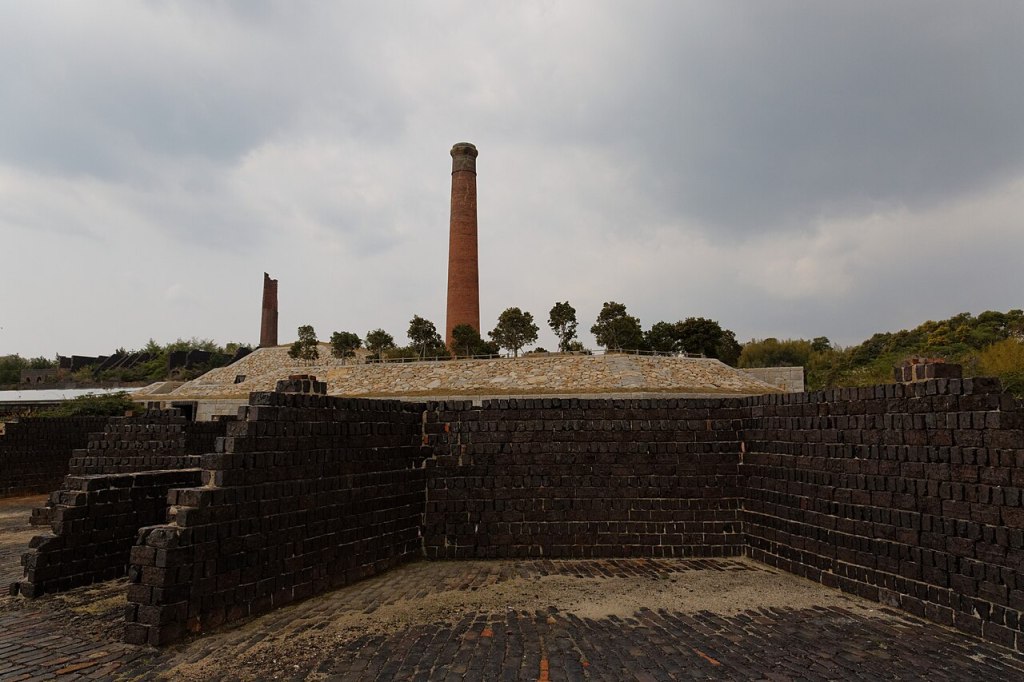
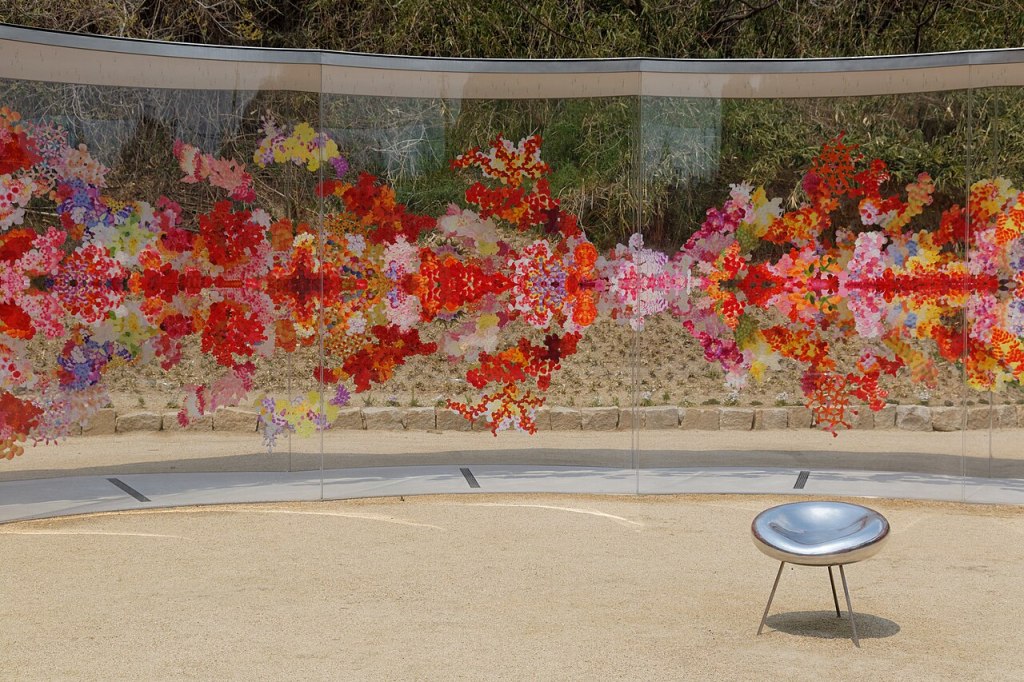
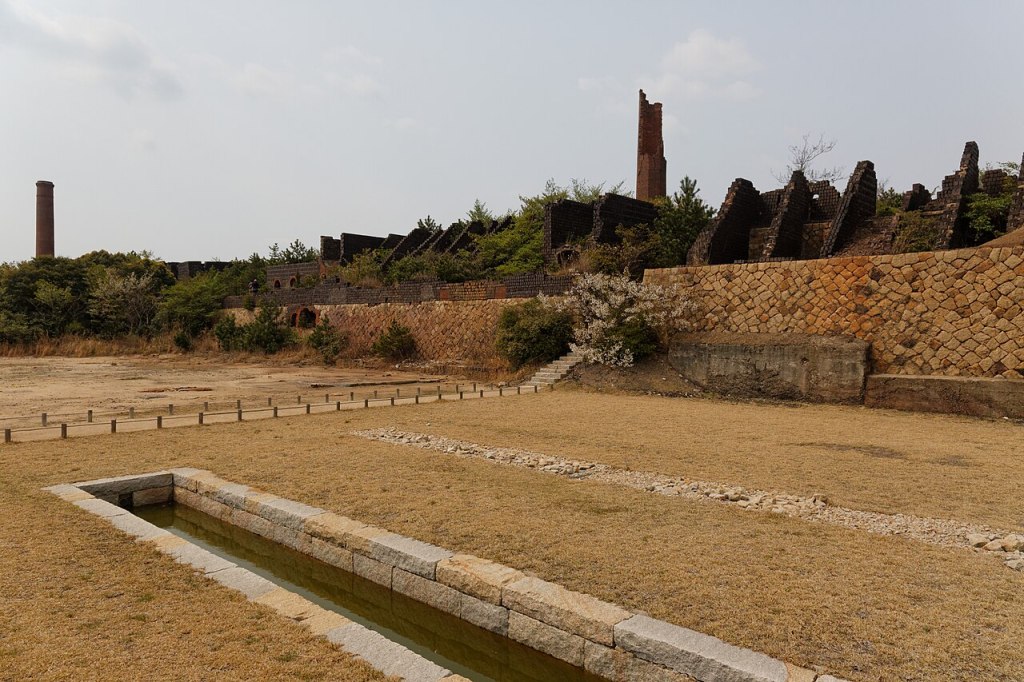
The Seirensho Art Museum
The museum occupies the remains of the copper refinery, using the chimneys, flues and foundations as part of the structure. The design works with the site’s materials and its geometry, and the interior is deliberately dark and warm. The installation inside is by Yukinori Yanagi, and it is experienced as a sequence rather than a gallery.
The art house project
Empty houses in the village have been converted into small exhibition spaces, each with a single work or installation. The scale is domestic, and walking between them is part of the experience. Some are open only on certain days, and the tickets and hours should be confirmed on arrival or in advance.
The refinery ruins
Beyond the museum, the remains of the refinery spread across the hillside: brick walls, foundations, flues and the great chimney that is the island’s landmark. The vegetation has moved in, and the effect is closer to an archaeological site than a park. Walking the perimeter gives a sense of how large the operation was.
The quarry and the stone village
Inujima granite was quarried here and shipped to the mainland, and the quarry cuts are still visible. The village houses use the same stone in their walls, which ties the buildings to the industry. The lanes are narrow and steep in places, and the walk between the port and the museum passes most of them.
The ferry crossing
The ferry from Hoden port on the Okayama mainland takes about ten minutes, and the crossing gives the best view of the island’s shape. In good weather the water is calm and the islands of the Seto chain are visible in layers. It is a short ride, but it sets the tone for the visit.
The quiet
Inujima has a resident population in the dozens, no convenience store and very few cars. Outside the museum, the sound is wind, water and birds. For travellers used to the density of Naoshima, the emptiness is the point, and it is worth planning a slow half-day rather than a rushed circuit.
The sea views
The island is small enough to walk around in a couple of hours, and the paths along the shore look across to the Okayama coast and other islands. The light in the afternoon is good on the western side, and the terraces above the port are a natural place to sit. Bring water, since there are few places to buy it.
Food and drink
- There are very few places to eat on the island, and some operate only at lunchtime.
- The cafe near the museum serves simple lunches and drinks when it is open.
- Bring food and water from Okayama or from the mainland port if you are visiting outside peak hours.
- Seafood from the Seto Inland Sea is the local speciality on the mainland, and Okayama city is the place to eat it.
- Expect cash only at the small shops, and expect them to close early.
Getting there and around
- The usual route is the ferry from Hoden port on the Okayama mainland, which takes about ten minutes.
- Hoden port is reached by bus or car from Okayama city, and the journey takes around an hour.
- Some services link the island with the other art islands in the chain; confirm the current routes and times before planning a multi-island day.
- Ferries are infrequent and the last boat back is early, so check the timetable at the start of the day.
- Bicycles can be hired in some seasons, but the island is small enough to walk.
Where to stay
- Inujima has very little accommodation, and most visitors come as a day trip.
- Naoshima and Teshima have more options and are within reach by ferry in the right season.
- Okayama city is the practical base, with hotels near the station and good connections.
- Staying on the island requires booking well ahead and confirming meals.
Best time to visit
- Spring is mild and the sea is calm, with fresh green on the island.
- Summer is hot and bright, and the ferry crossing is at its most pleasant, but shade is limited.
- Autumn is the best season, with clear light and comfortable walking.
- Winter is quiet and cold, with some facilities on reduced hours and a higher chance of ferry disruption in bad weather.
Practical tips
- Check museum and ferry hours before booking, since both are limited and change by season.
- Bring water and a snack; there is no convenience store on the island.
- Wear shoes for walking on stone lanes and uneven ground.
- The last ferry leaves early in the afternoon, so plan the visit around it.
- Carry cash for tickets and the small shops.
- Do not expect Naoshima’s facilities: this island is much smaller and much quieter.
Suggested day-trip outline
- Morning: bus or car to Hoden port and the ferry to Inujima.
- Late morning: the Seirensho Art Museum.
- Midday: the art house project in the village.
- Lunch: the museum cafe, or a packed lunch by the port.
- Afternoon: the refinery ruins and the quarry walk.
- Late afternoon: the ferry back, then Okayama or Naoshima.
Before you go
Timetables, fares, admission fees, and seasonal access rules can change. Check the official tourism and transport sites linked below for the latest information before you travel.
Explore More of Japan
Published guides that pair with this one:
- Hiruzen Highland Travel Guide: Okayama’s Plateau of Grass and Dairy
- Yamaguchi Travel Guide: Ruriko-ji Pagoda and the Western Capital
- Bitchu-Matsuyama Castle Travel Guide: The Mountain Keep above Takahashi
- Kurashiki Travel Guide: Bikan Canal District
- Okayama Korakuen Travel Guide: A Garden Beside the Castle
Browse every Chugoku guide on this site for the rest of the region.
Sources
- city.okayama.jp (checked 2026-11-05)
- benesse-artsite.jp (checked 2026-11-05)


Leave a Reply