A practical English guide to Yomitan village in Okinawa: the pottery studios, the cape and lighthouse, the beaches and access from Naha.
Operational details such as opening hours, admission fees, and train times can change. Prefer official pages and reconfirm before you travel (sources checked on 05 November 2026).
Why visit
- Yomitan is a village on the west coast of Okinawa’s main island, north of Naha and south of Nago, and it is one of the few places on the island where you can see the old Okinawan way of life alongside the sea. It is known for pottery, for the cliffs and lighthouse at Cape Zanpa, and for a coast that is quieter than the resort strip further north.
- The pottery is the strongest reason to come. Yomitan has a long tradition of making the sturdy, unglazed and ash-glazed ware used for water jars, sake cups and serving dishes, and the kilns and studios are scattered through the village, many of them open to visitors. It is a working craft rather than a demonstration, and you can buy a piece from the maker and see the wood-fired kilns.
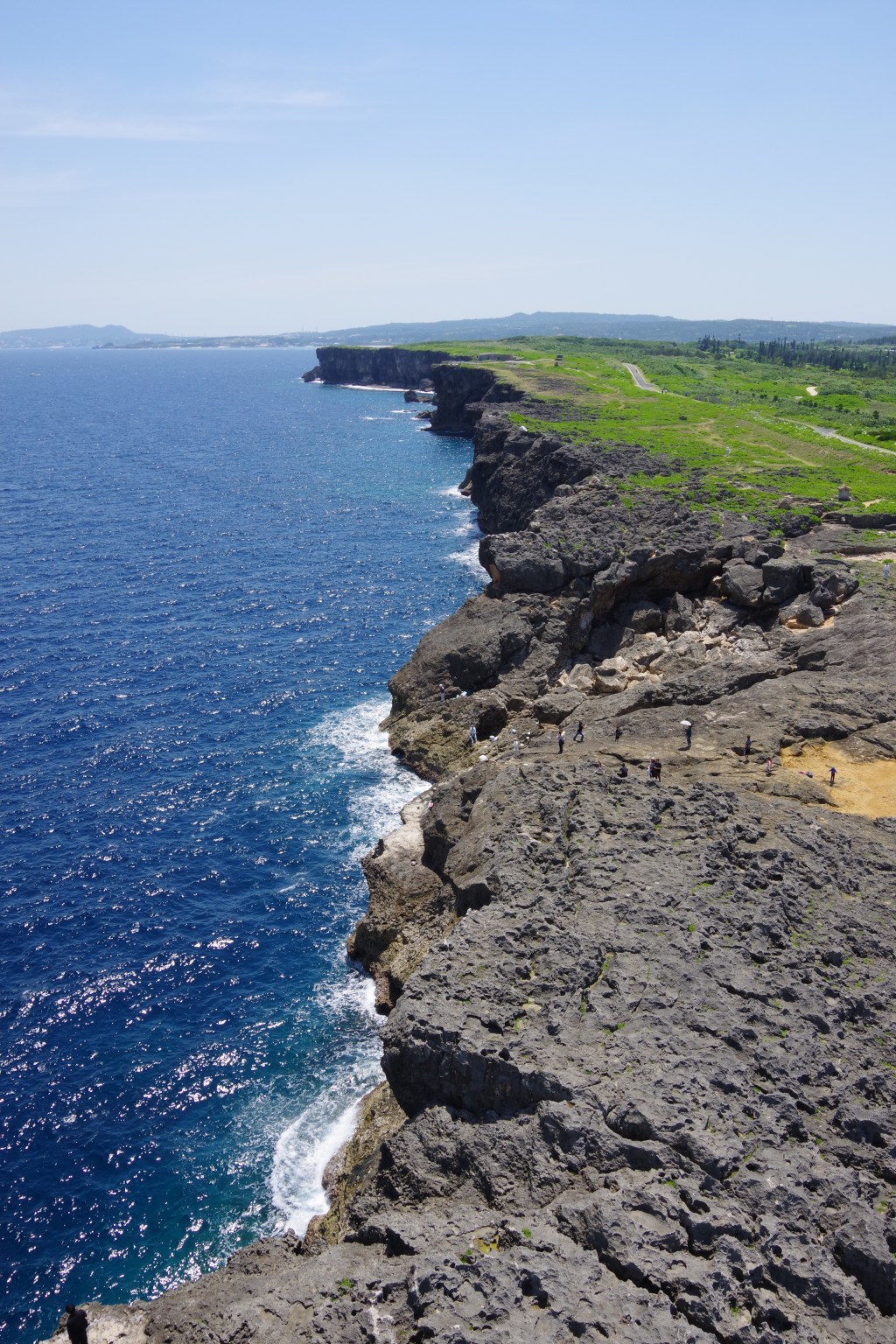
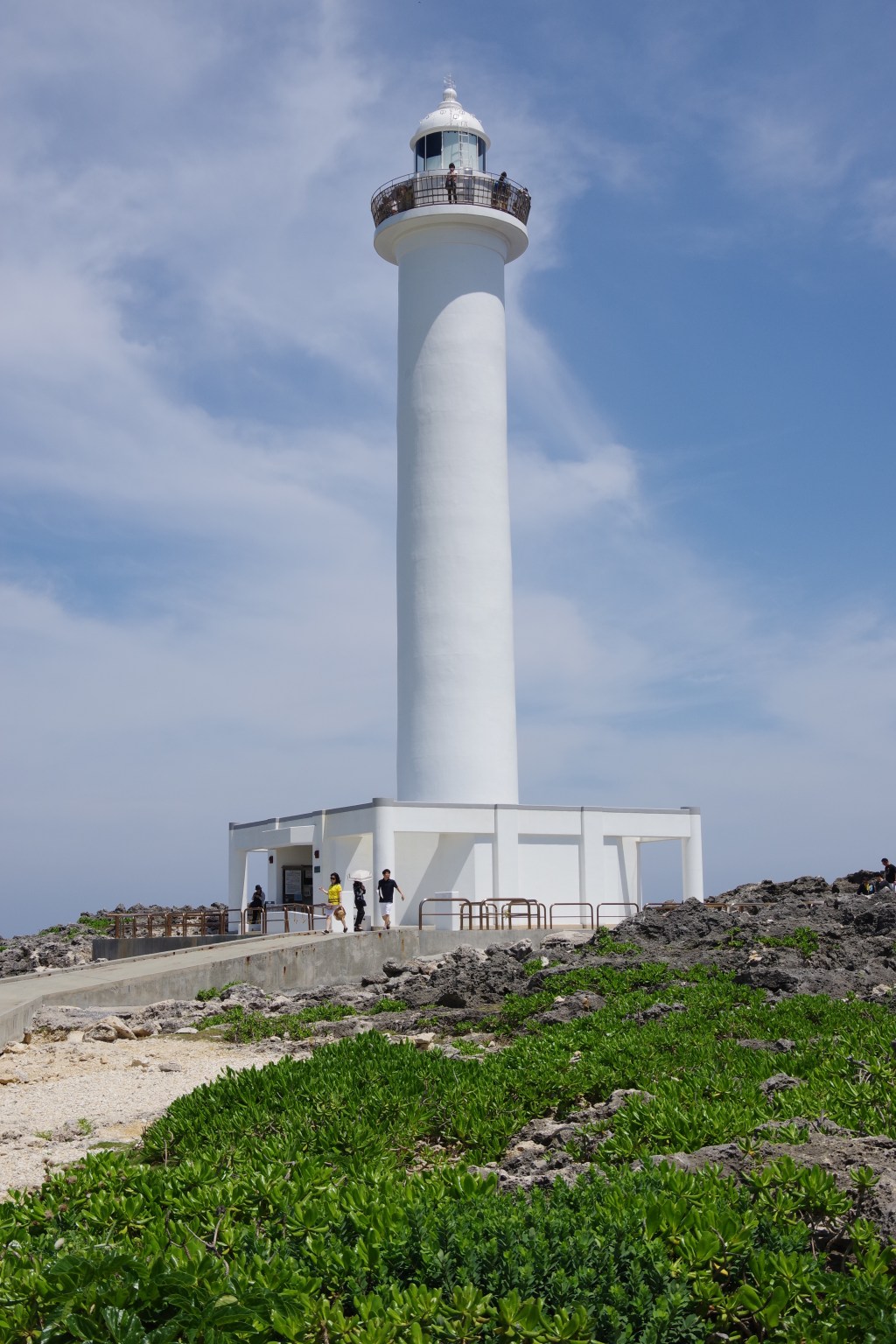
- Cape Zanpa is the dramatic end of the village: a limestone cliff with a lighthouse on top, a long stair down to the rocks, and a view up and down the coast that is one of the best on the island. The lighthouse is open to climb, and the sunset from the cliff is the local event.
- The village also has the ruins of Zakimi Castle, a World Heritage site, a small but beautifully built stone fortress on a hill with views over the coast, and a few old houses and shrines that show the Ryukyuan architecture. It is a place to move slowly, and it is close enough to Naha for a day trip but worth a night.
Top places and highlights
The pottery studios
Yomitan’s potters work in small studios around the village, firing in wood-burning kilns and making the everyday ware of Okinawa: water jars, sake cups, plates, bowls and the distinctive shisa lion figures. Several studios welcome visitors to watch the throwing and the glazing, and a few offer short lessons. The pieces are sold on site, and the prices are reasonable for handmade work. Look for the ash-glazed pieces with the green and brown runs, which are the local signature.
Cape Zanpa
The cape is a limestone headland with a lighthouse on the cliff, a stair down to the rock platform, and a view along the coast that takes in the reefs and the blue water. The lighthouse is open to climb for a small fee, and the top gives a full panorama. The cliff is exposed, the wind is strong, and the rocks below are dramatic. The sunset from the cape is the best on this part of the island, and the car park and the small shops are busy at weekends.
Zakimi Castle ruins
Zakimi is a Ryukyuan castle of the fifteenth century, built of limestone blocks with a curved plan and two enclosures, on a hill with views over Yomitan and the coast. It is a World Heritage site, and the walls and the gate have been restored, with the grass courtyards open to walk. It is small and quiet, and the construction of the stone walls is the interesting part: the blocks are fitted without mortar in a curved line that follows the hill.
The coast and the beaches
The west coast of Yomitan has a series of small beaches and rocky coves, with reefs offshore and clear water in the calm season. They are quieter than the resort beaches in the north, and the sunsets are over the sea. The village has a few beach facilities and cafes, and the coast road is a good drive or cycle. Swimming is best in the summer, and the reefs make snorkelling interesting at low tide.
The old houses and the village lanes
Yomitan keeps a number of old Okinawan houses with the characteristic low walls, deep eaves and walled gardens, and the lanes between them are quiet and shaded. Some of the houses are open as small museums or cafes, and the village has a craft centre and a cultural museum with displays on the local way of life. Walk the lanes away from the main road, and look at the gardens and the shisa on the gates.
The war sites and the peace museum
The area around Yomitan has sites connected to the Battle of Okinawa, including the cave where the commander of the Japanese forces took his life, and the village museum has material on the battle and the aftermath. It is a sobering counterpoint to the beaches and the pottery, and it explains the shape of modern Okinawa. The sites are marked and quiet, and they are worth an hour.
The food of the village
Yomitan has the Okinawan staples: soba with pork and bonito broth, taco rice, champuru, and the purple sweet potato sweets. The village also has cafes in old houses and a few restaurants serving the local fish and vegetables. The pace is slow and the portions are generous, and the local markets sell the produce and the sweets.
Food and drink
- Okinawa soba is the staple, with a pork and bonito broth, thick noodles and a piece of braised pork. The village shops serve it cheaply, and it is the right lunch after a morning of walking.
- Champuru is the Okinawan stir-fry of bitter melon, tofu, egg and pork, and it is on every menu. It is the everyday dish of the island, and it is worth trying at least once.
- The purple sweet potato is the local sweet, used in tarts, ice cream and the small cakes sold at the roadside stands. The village has several shops selling them.
- Taco rice is the Okinawan-American dish of rice, mince, lettuce and cheese, and the village cafes serve it. It is cheap and filling and very local.
- The seafood from the west coast is good, and the restaurants along the coast serve it as sashimi, grilled or in rice bowls. The village markets sell the local produce and the sweets.
Getting there and around
- Yomitan is on the west coast of the main island, about an hour by car from Naha airport, and the route follows the coast road north from the city. The village is between Naha and Nago.
- Buses run from Naha to Yomitan, with changes at the main terminals, and the journey takes about an hour and a half. The buses are infrequent and the sites are spread out, so a car is much easier.
- A rental car is the best way to see the village, the cape and the pottery studios. Parking is available at the cape, the castle and the studios.
- A bicycle is good for the village lanes and the coast road, and the terrain is gently hilly. Rent in Naha or at the larger hotels.
- The cape and the castle are on the same road, and the pottery studios are scattered around the village. Allow a full day with a car.
Where to stay
- The small hotels and guesthouses along the coast are the best base, with sea views and easy access to the cape and the beaches. The choice is limited and the good ones book out in summer.
- Naha has the full range of hotels and is an hour away, which suits a day trip. The trade-off is the drive and the traffic.
- The resorts in the north, around Onna, are larger and more expensive, and they are within reach for a combined trip with the cape and the village.
- The traditional Okinawan houses rented as guesthouses in the village are a good option for a quiet stay, with tatami rooms and walled gardens.
Best time to visit
- Spring, from March to May, is the best season: warm, dry and clear, with the sea calm and the flowers out. The village is quiet and the cape is at its best.
- Summer is hot and humid, with strong sun and the rainy season ending in June. The beaches are at their best, and the sunsets are long.
- Autumn, from October to November, is warm and clear, with the typhoon season tailing off. The sea is calm and the light is good for the cape.
- Winter is mild and windy, with grey days and occasional rain. The village is quiet, the pottery studios are working, and the cape is dramatic in the wind.
- The rainy season runs from mid-May to June in Okinawa, and the typhoon season peaks from August to September. Check the forecast in those months.
Practical tips
- Rent a car. The village is spread out and the buses are infrequent, and the cape and the studios are on different roads.
- Visit the pottery studios on a weekday. Many are small family workshops and close on weekends or by appointment.
- Go to Cape Zanpa for the sunset, but arrive early for the car park. The lighthouse closes before dark.
- Check the opening days of the castle and the museums. Some close on certain weekdays, and the small ones have limited hours.
- Carry cash for the studios and the small restaurants. Not every shop takes cards.
- Bring sun protection and water. The cape and the castle have little shade, and the Okinawan sun is strong even in winter.
Suggested day-trip outline
- Morning: drive north from Naha, stop at the pottery studios and a craft centre, and watch the throwing and the glazing.
- Late morning: Zakimi Castle, with a walk around the walls and the views over the coast.
- Lunch: Okinawa soba or champuru at a village shop.
- Afternoon: the old house lanes and the village museum, then the coast road to the cape.
- Late afternoon: Cape Zanpa, the lighthouse and the cliff path, and the sunset over the sea.
- Evening: dinner in the village or back in Naha, with a stop at a sweets shop for the purple potato tarts.
Before you go
Timetables, fares, admission fees, and seasonal access rules can change. Check the official tourism and transport sites linked below for the latest information before you travel.
Explore More of Japan
Published guides that pair with this one:
- Naha Tug of War Travel Guide: The Worlds Largest Rope
- Churaumi Aquarium Travel Guide: Whale Sharks, Mantas and the Okinawa Coast
- Naha and Kokusai Street Guide: Markets, Food and the Old Capital
- Nakijin Castle Ruins Travel Guide: A World Heritage Gusuku
- Sefa Utaki Travel Guide: The Ryukyu Sacred Grove in Nanjo
Browse every Okinawa guide on this site for the rest of the region.
Sources
- vill.yomitan.okinawa.jp (checked 2026-11-05)
- okinawastory.jp (checked 2026-11-05)


Leave a Reply