A practical English guide to Tsuruga in Fukui: the Kehi shrine, the old port, the railway history and access from Kyoto.
Operational details such as opening hours, admission fees, and train times can change. Prefer official pages and reconfirm before you travel (sources checked on 05 November 2026).
Why visit
- Tsuruga is a port town on the Sea of Japan coast of Fukui, and since the Hokuriku Shinkansen reached it in 2024 it has become the end of the line and the natural gateway to the region. It has a deep harbour, a great shrine on the hill above it, and a history that reaches further than most visitors expect.
- The town’s story is bound up with the sea. Ships of the Kitamaebune trade called here, the port handled the traffic to Hokkaido and to the continent, and in the twentieth century it became a place of arrival for people fleeing war and revolution. The Port of Humanity museum tells that part of the story with care, and it gives Tsuruga a weight that a harbour town of this size does not usually carry.
- There is also a fine shrine and a good walk. Kehi Jingu sits above the town with one of the largest torii in Japan, Kanegasaki-gu stands on a promontory over the bay, and the red brick warehouses at the port have been turned into shops and cafes. The whole circuit fits into a day, and a day here is varied in a way that is hard to find elsewhere on the coast.
- Food is another reason to stop. Tsuruga is a fishing port, and the market on the edge of town serves the catch of the Japan Sea, while Fukui’s sauce katsudon and the winter crab are local specialities. The shinkansen makes it possible to arrive from Tokyo in the morning and eat fish for lunch.
Top places and highlights
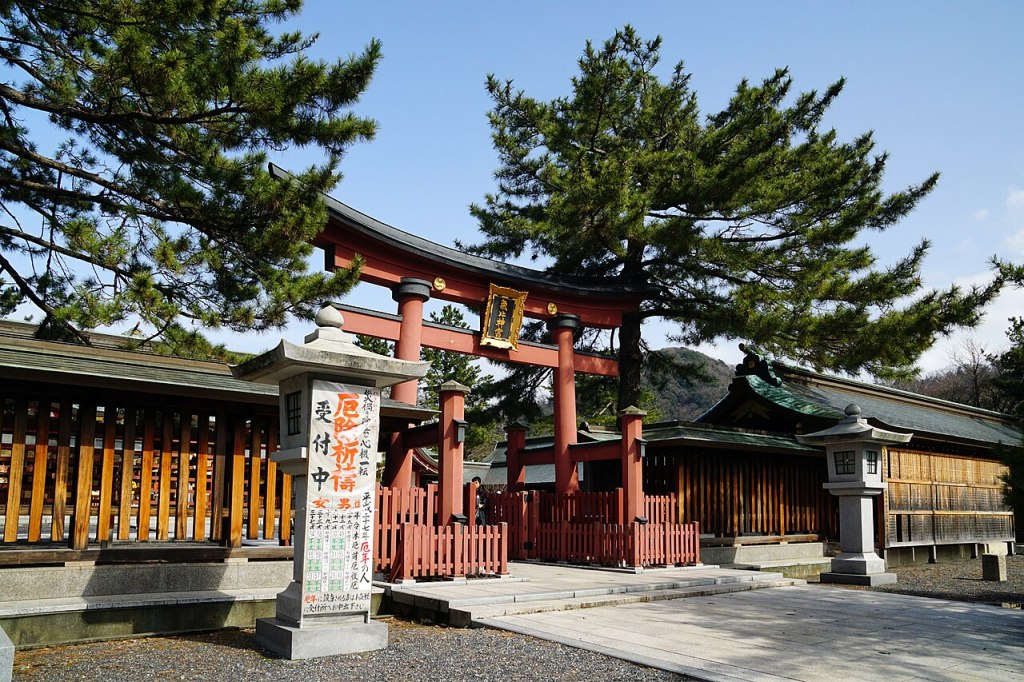
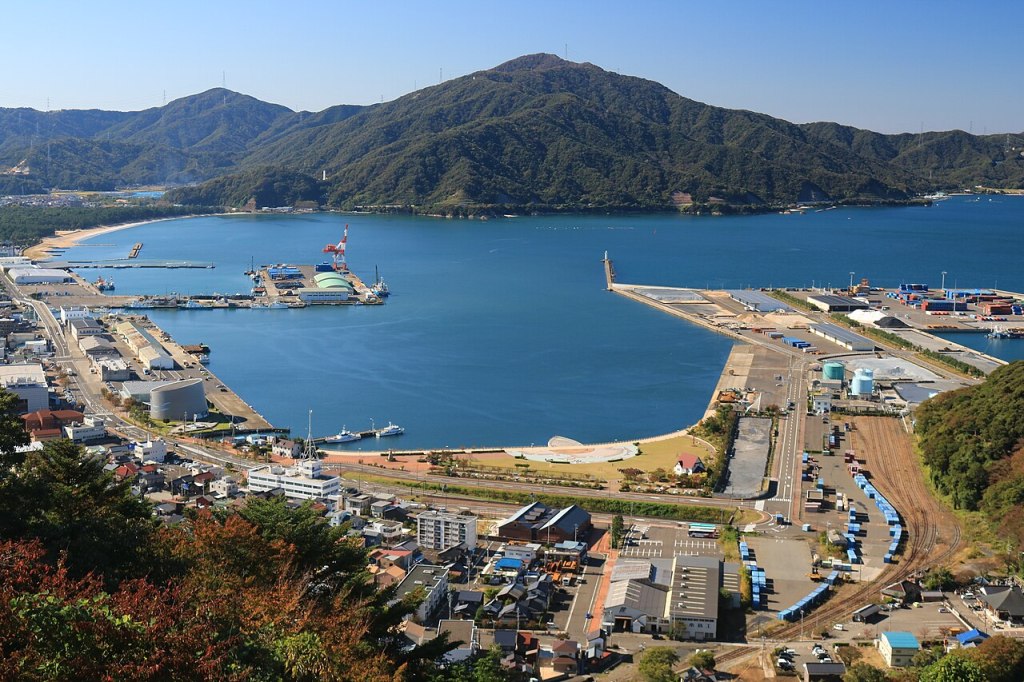
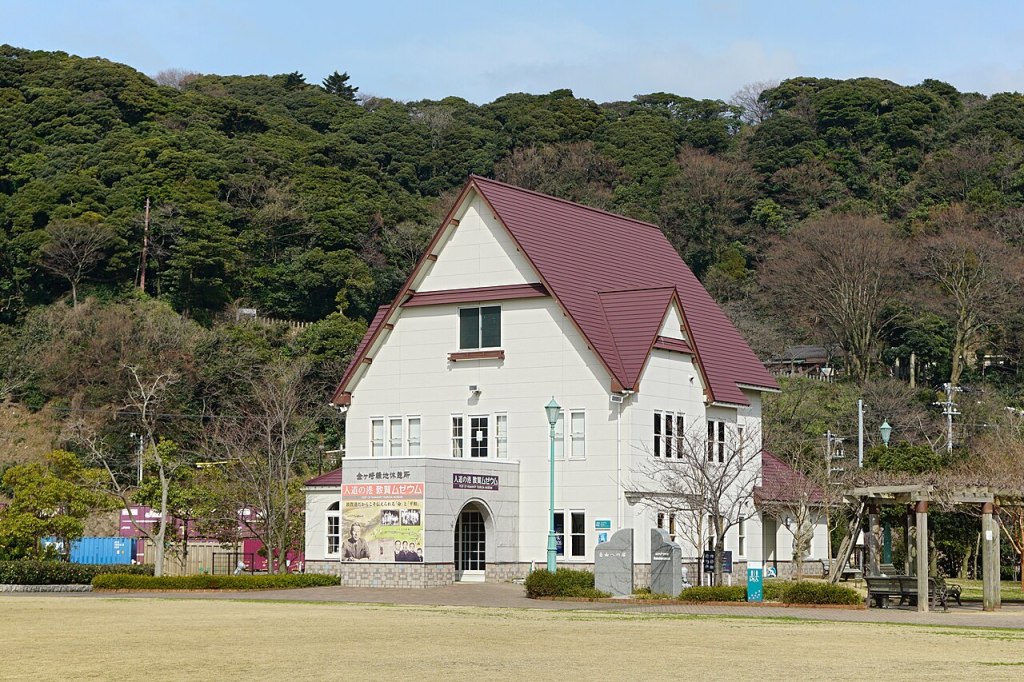
Kehi Jingu and the great torii
Kehi Jingu is one of the old shrines of the Hokuriku, and its huge torii near the shore is the landmark of the town, tall enough to be seen from the train. The shrine itself stands up a slope, with a long approach, stone lanterns and a main hall that has been rebuilt across the centuries. It is a place of active worship rather than a monument, and on festival days the approach fills with people. The walk up from the torii takes a few minutes and the view back over the roofs is worth the climb.
The Port of Humanity museum
This small museum tells the story of the people who arrived at Tsuruga when they had nowhere else to go: Polish orphans rescued across Siberia in 1920, and Jewish refugees who reached Japan with visas issued in Lithuania in 1940 and 1941. The displays use photographs, documents and first-hand accounts, and the tone is restrained and moving. It is the kind of local museum that changes how you see a town, and it explains why Tsuruga thinks of itself as a port of arrival rather than only of trade.
The red brick warehouses
The warehouses at the old port were built at the end of the nineteenth century, when Tsuruga was handling a large share of the trade with the north, and their brick walls and arched windows have survived the redevelopment around them. They now hold shops, restaurants and event space, and the square in front is a good place to sit with a coffee and look at the harbour. It is a small district, but it keeps the working history of the port visible.
Kanegasaki-gu and the bay view
A short walk from the port, a shrine stands on a wooded promontory that juts into the bay, with the water on three sides and a view across to the hills. In spring the cherries along the path are among the best in the city, and the shrine itself is small and quiet. The walk around the point takes half an hour and passes a park and a monument to a medieval prince, and it is the most scenic stretch of the town.
The seafood market
On the edge of the city, a market hall brings together fishmongers, stalls and restaurants selling the catch of the Japan Sea. The crab in winter is the famous item, but the everyday business is mackerel, squid, shellfish and dried fish, and the restaurants cook what is in season. It is busiest at lunch, and it is the practical place to eat if you want to understand what the port does for a living.
The harbour walk
The stretch from the station to the port passes the old warehouse district, the museum and the waterfront, and it is easy to walk in an hour without hurrying. Fishing boats, the ferry terminal and the cranes of the working port are all part of the view, and the sea air is a change from the inland cities of the region. At the end of the day the light over the bay is the reward.
Sauce katsudon and Fukui food
Fukui’s version of the pork cutlet bowl is served with a dark, slightly sweet sauce rather than the egg and broth of the Tokyo style, and it is a substantial lunch for a cold day. The town also has its own seafood dishes, the winter crab of the coast, and the sake of the surrounding breweries. Eating here is regional cooking rather than hotel food, and the prices are modest.
Food and drink
- The market restaurants serve the catch of the Japan Sea, with mackerel, squid and shellfish at lunch and Echizen crab in the winter months.
- Sauce katsudon is the Fukui signature, a pork cutlet on rice with a dark sauce, and several shops near the station serve it.
- Saba, the mackerel that the port is known for, appears grilled, pickled and as sushi in the local restaurants.
- The cafes in the red brick warehouses are convenient for coffee and cake after the museum and the harbour walk.
- For an evening meal, the streets around the station have izakaya serving local fish and sake without much ceremony.
Getting there and around
- The Hokuriku Shinkansen now terminates at Tsuruga, with direct trains from Tokyo taking a little over three hours.
- From Osaka and Kyoto the limited express Thunderbird runs to Tsuruga in about an hour and a half, and the trains connect with the shinkansen at the same station.
- From Kanazawa and Fukui the shinkansen stops at Tsuruga, making the town a natural stop between the Hokuriku coast and Kansai.
- The shrine, the port and the museum are all within a twenty-minute walk of the station, though the seafood market needs a bus or a taxi.
- Local buses connect the station with the port and the outlying districts, and a rental car is useful for the coast and the nearby temples.
Where to stay
- Hotels cluster around Tsuruga station, mostly business hotels, which suits a one-night stop on the shinkansen line.
- The port area has a few small inns and guesthouses, convenient for the museum and the warehouses.
- The hot spring inns of the surrounding countryside and the Wakasa coast are within driving distance for a quieter night.
- For a longer stay, Kanazawa and Fukui city offer more choice, with Tsuruga as an easy day trip by train.
Best time to visit
- Winter is crab season and the port is at its busiest, but the coast is cold and windy and the sea can be rough.
- Spring brings the cherries of Kanegasaki-gu and mild weather, and it is the most comfortable season for walking the harbour.
- Summer is warm and humid, with festivals and fireworks, and the sea breeze makes the port the pleasant part of town.
- Autumn is clear and mild, good for the shrine and the coast, and the seafood is at its best before the winter crab arrives.
Practical tips
- Check the Port of Humanity museum’s opening days before travelling; small museums often close one weekday.
- The shrine is up a slope with steps, so wear shoes that are comfortable for climbing.
- Eat lunch at the market rather than waiting for dinner, since the restaurants there are busiest at midday and close early.
- Winter crab is expensive and seasonal; ask what is local rather than ordering by name.
- The harbour walk is exposed, so carry a windproof layer even in spring.
- If you are continuing to Kanazawa or Kyoto, the connection at Tsuruga is easy but the platforms are far apart, so allow time.
Suggested day-trip outline
- Morning: arrive by shinkansen, walk to Kehi Jingu and climb to the main hall.
- Late morning: the Port of Humanity museum and the red brick warehouses.
- Lunch: the seafood market, or a sauce katsudon near the station.
- Afternoon: Kanegasaki-gu and the walk around the promontory.
- Late afternoon: coffee at the port, then the station for the onward train.
- Evening: continue to Fukui or Kanazawa, or stay the night and eat local fish at an izakaya.
Before you go
Timetables, fares, admission fees, and seasonal access rules can change. Check the official tourism and transport sites linked below for the latest information before you travel.
Explore More of Japan
Published guides that pair with this one:
- Atsuta Jingu Travel Guide: The Sword Shrine of Nagoya
- Kofu Travel Guide: Takeda Shrine, Wine and the Kofu Basin
- Takaoka Travel Guide: Bronze, the Great Buddha and the Old Town
- Toyama Travel Guide: The Castle, the Glass and the Mountains
- Kanazawa Travel Guide: Kenrokuen and Teahouse Districts
Browse every Chubu guide on this site for the rest of the region.
Sources
- tsuruga-kanko.jp (checked 2026-11-05)
- city.tsuruga.lg.jp (checked 2026-11-05)


Leave a Reply