A practical English guide to Takino Suzuran Hillside Park in Sapporo: the flower fields, the family trails, the seasons and access from the city.
Operational details such as opening hours, admission fees, and train times can change. Prefer official pages and reconfirm before you travel (sources checked on 05 November 2026).
Why visit
- Takino Suzuran Hillside Park is a large national government park in the hills south-east of Sapporo, and it is the city’s favourite place to see flowers, walk in the woods and let children run. It opened in 1983 on a slope of the Nopporo hills, and it is laid out in a series of areas: a flower garden, a forest, a stream, a farm and a play zone, all connected by paths and a small train.
- The flower gardens are the reason most people come in summer, with long beds of lavender, salvia and sunflowers on a hillside that faces the city, and the scale is much bigger than the city parks. In autumn the trees turn and the park is quieter, and in winter it becomes a snow park with sledding and cross-country skiing.
- It is a family park rather than a scenic attraction, and that is its strength: the paths are wide and easy, the facilities are good, and there is space. It is also a good place to see how the people of Sapporo spend a weekend, with picnics, tents and children in the streams.
- The park is a bus ride from the subway, and it pairs well with a morning in the city and an afternoon in the hills. Allow at least half a day, and a full day if you have children.
Top places and highlights
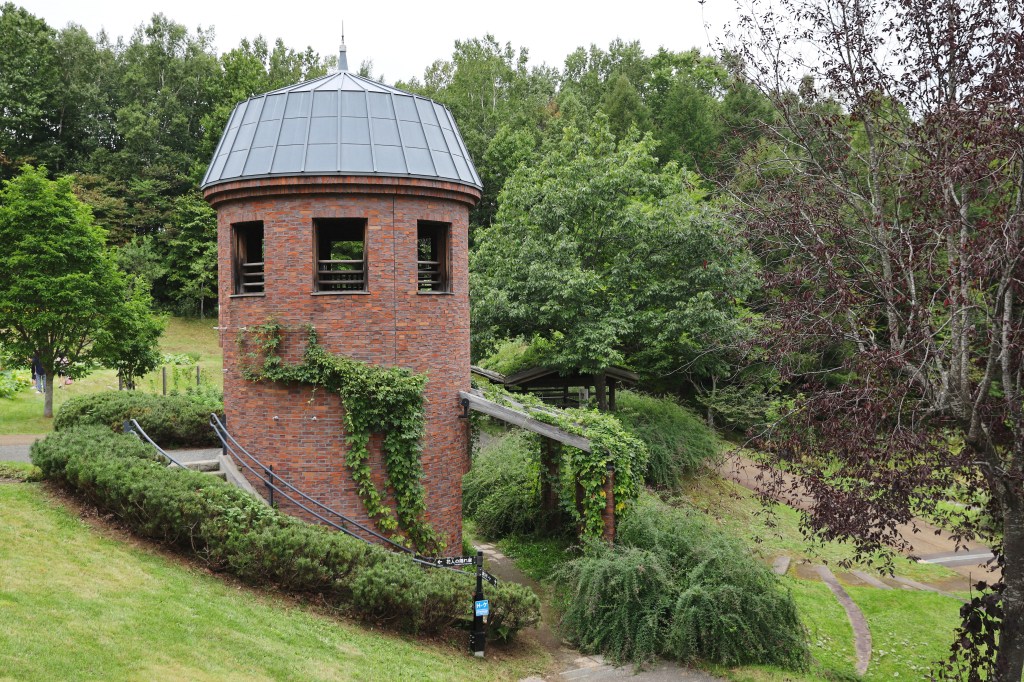
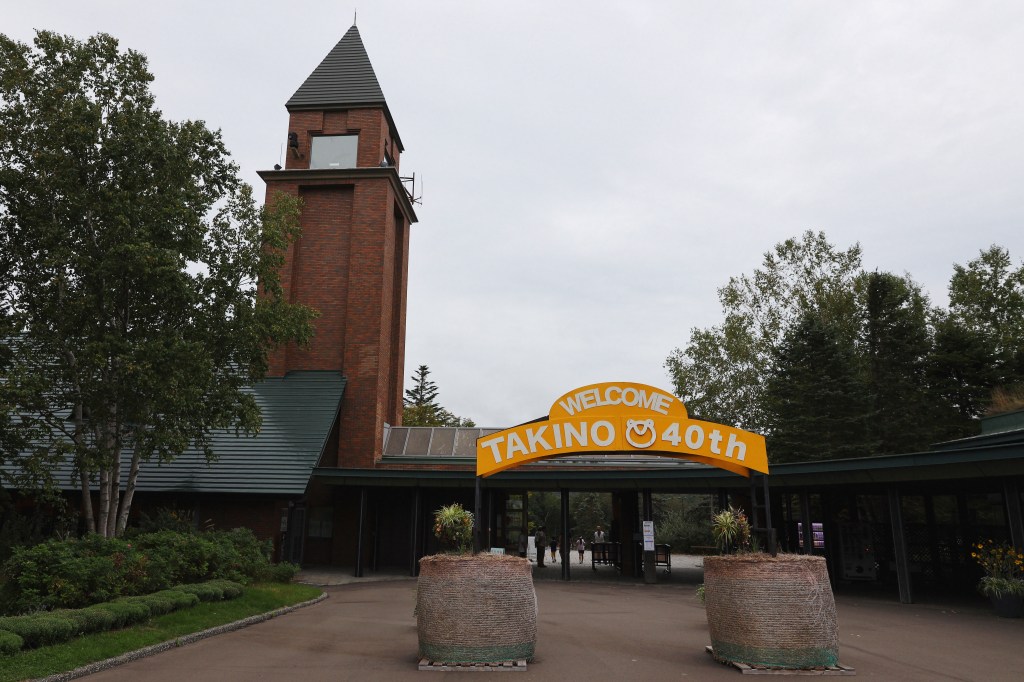
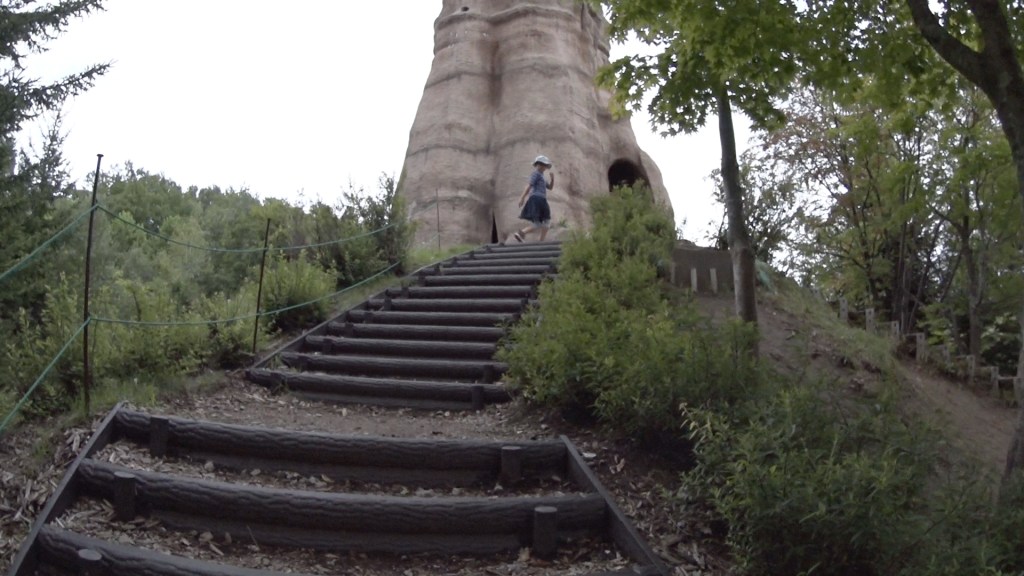
The flower gardens
The central hillside is planted in long bands of flowers, with lavender, salvia, marigolds and sunflowers in sequence through the summer, and the paths run between the beds so that you walk through the colour. The scale is generous: the beds are large, the slope faces the light, and the effect is a broad carpet rather than a border. The best weeks are from late June to August, and the park publishes a flowering calendar. Bring a camera and go early, when the light is soft and the paths are quiet.
The forest and the stream
The wooded part of the park has broad paths through birch and oak, a stream with small pools where children play in summer, and a network of trails that are cool and shaded. It is a contrast to the open flower hills, and it is the part of the park that feels most like the Hokkaido countryside. Walk the loop at an easy pace, and stop at the small bridges and the picnic spots along the water.
The farm and the animals
The park has a small farm area with sheep, goats and a pony, and a garden of vegetables and herbs, and it is aimed at children. The animals are used to visitors, the pens are clean, and the staff run simple activities in the season. It is a short stop, and it works well with young children who need a break from walking.
The play zone and the family facilities
The park has a large play area with climbing structures, a long slide built into the hillside, and open lawns for running, and it is the reason many families come. The facilities are good: toilets, shelters, picnic tables and a small train that runs between the areas. It is not a theme park, and the equipment is simple and robust, which is part of the appeal.
The autumn colour
From late September to October the forest and the hillside turn, with reds and yellows on the birch and the maples, and the park is quieter than in summer. The air is clear, the views over the city are sharp, and the flower beds are replaced by grasses and autumn plants. It is the best season for walking, and the park is at its most peaceful on weekday mornings.
The winter snow park
In winter the park becomes a snow park, with sledding slopes, cross-country ski trails and snowshoe routes, and the facilities stay open through the season. The hills are covered, the trees are bare, and the park is a white landscape rather than a flower garden. Rentals are available on site, and the park is a good introduction to a Hokkaido winter without going into the mountains.
The city and the hills
The park is close enough to Sapporo for a half-day, and the bus ride gives a view of the city and the hills. It pairs well with the Historical Village of Hokkaido and Moerenuma Park, both in the eastern part of the city, and with the beer museum and the seafood market in the centre. It is a good way to see the everyday side of Sapporo.
Food and drink
- The park has a few cafes and kiosks serving light meals, soft ice cream and drinks, and the choice is simple and family-oriented. They are open in the main season and quiet in winter.
- Bring a bento and eat on the lawn. The park is designed for picnics, with tables and shelters, and the supermarkets near the subway stations sell everything you need.
- Sapporo is the place for a proper meal afterwards, with soup curry, ramen and the seafood of the market. The city is thirty minutes away by bus and subway.
- In summer there are food stalls near the main areas on busy days, and in winter the cafes are the only warm option.
- The suburban districts around the park have local bakeries and coffee shops, and they are cheaper than the centre.
Getting there and around
- Takino Suzuran Hillside Park is in the hills south-east of Sapporo, about forty minutes by bus from the subway station at Makomanai or from Sapporo station. The bus stop is at the park entrance.
- By subway, take the Namboku line to Makomanai and change to the bus for Takino. The whole trip from the centre takes about an hour.
- By car, the park is close to the national roads and the expressway, with a large car park. It is the easiest option if you are combining the park with the Historical Village or the airport.
- The park is large and hilly, with paved paths and a small train between the areas. Wear comfortable shoes, and allow for the climbs.
- From New Chitose airport, the drive takes about forty minutes, and the train and subway combination takes about an hour and a half.
Where to stay
- Sapporo is the practical base, with the full range of hotels and restaurants, and the park is under an hour away.
- The hotels around Makomanai and the southern suburbs are cheaper and closer to the bus, and they suit a quiet stay.
- The hot spring inns outside the city, towards Jozankei, are within an hour by car and offer outdoor baths after a day in the park.
- The pensions and guesthouses in the southern hills are quiet and cheap, with views over the city, though a car is needed.
Best time to visit
- Summer, from June to August, is the flower season and the busiest time, with the beds in bloom and the streams running. The park is full of families at weekends.
- Autumn, from September to October, brings colour to the forest and clear air, and the park is quieter. It is the best season for walking.
- Winter, from December to March, turns the park into a snow park with sledding and skiing, and the cold is severe. The facilities are reduced but the activities are good.
- Spring arrives late, with the snow melting through April and the first flowers in May. The park is quiet and the paths are wet.
- The rainy season is less pronounced in Hokkaido, but June can be wet. The forest and the shelters make it manageable.
Practical tips
- Check the flowering information before you go. The peak shifts each year, and the park publishes the current state.
- Bring food and water. The cafes are limited, and the park is large enough to work up an appetite.
- Use the small train if you have children or limited time. The park is hilly and the distances between the areas add up.
- Wear shoes for walking. The paths are paved in the main areas but the forest trails are uneven.
- In winter, check the snow conditions and the rental availability. The activities depend on the weather.
- Go on a weekday if you want the flower beds to yourself. Weekends in summer are busy.
Suggested day-trip outline
- Morning: subway and bus from Sapporo, arrive at the park and walk the flower gardens while the light is soft.
- Late morning: the forest loop and the stream, then the farm and the animals with children.
- Lunch: a bento on the lawn or a light meal at the park cafe.
- Afternoon: the play zone and the long slide, or the autumn colour on the hillside trails.
- Late afternoon: the bus back to the subway, and the city for coffee or the seafood market.
- Evening: dinner in Susukino or around the station, with soup curry or ramen.
Before you go
Timetables, fares, admission fees, and seasonal access rules can change. Check the official tourism and transport sites linked below for the latest information before you travel.
Explore More of Japan
Published guides that pair with this one:
- Sapporo Travel Guide: Food, Parks, and a Hokkaido Base
- Moerenuma Park Travel Guide: Noguchis Sculpted Landscape in Sapporo
- Historical Village of Hokkaido Travel Guide: Kaitaku no Mura
- Noboribetsu Onsen Travel Guide: Hell Valley and Hokkaido Hot Springs
- Sounkyo Gorge Travel Guide: Waterfalls, Kurodake and Daisetsuzan
Browse every Hokkaido guide on this site for the rest of the region.
Sources
- takinopark.com (checked 2026-11-05)
- visit-hokkaido.jp (checked 2026-11-05)


Leave a Reply