A practical English guide to Mashike in Hokkaido: the old herring town, the Kunimare brewery, the seafront and access from Sapporo.
Operational details such as opening hours, admission fees, and train times can change. Prefer official pages and reconfirm before you travel (sources checked on 05 November 2026).
Why visit
- Mashike is a small town on the Sea of Japan coast of Hokkaido, west of Rumoi, and for a few decades in the late nineteenth and early twentieth centuries it was one of the richest places on the island. The herring fishery filled the bay with boats, the merchants built warehouses and houses, and the town spent the money on schools, temples and a brewery. Much of that fabric is still standing.
- The most visible legacy is the old merchant quarter, where large wooden houses with heavy tiled roofs and storehouses line the streets behind the port. Some are private, some are open, and the whole district is small enough to walk in an hour. It is not a restored theme town: the buildings are weathered, the paint is faded, and the sense of a boom that ended is part of what makes it interesting.
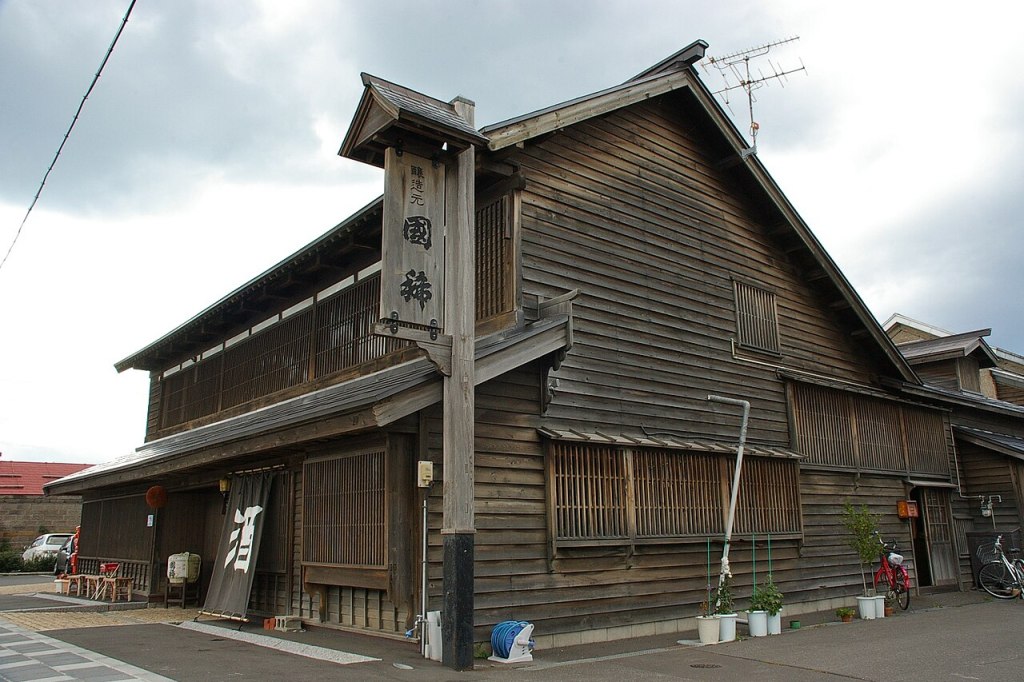
- Mashike is also a sake town. The Kunimare brewery has been making sake here since the nineteenth century, using water from the mountains behind the town, and it is one of the reasons people make the trip. The shop sells the brewery’s range, and the building itself is a good example of the merchant architecture of the period.
- The setting completes the picture: mountains behind, a long beach and a working port in front, and the sea road running north towards Rumoi. It is a quiet place, best visited slowly and with a car, and it makes a good counterpoint to the better-known stops of central Hokkaido.
Top places and highlights
The old merchant quarter
The streets behind the port hold a concentration of large wooden merchant houses and storehouses from the herring years, with deep eaves, heavy roofs and white plaster walls. Some are still family homes, others have been converted into shops or small museums, and the scale of the buildings compared with the size of the town tells the story of the boom. Walk slowly: the details are in the roof tiles, the wooden lattices and the way the storehouses are set back from the road for fire safety.
The Kunimare brewery
Kunimare has been brewing in Mashike since the nineteenth century and is the town’s best-known name, with a shop in a substantial old building near the centre. The sake is made with local water and rice, and the range runs from dry everyday bottles to richer junmai. You can buy directly, and the staff are used to explaining the labels to visitors. Even if you do not drink, the building and the old fittings are worth a look.
The seafront and the port
Mashike faces the Sea of Japan with a long, exposed beach and a working harbour where boats still land fish. The waterfront is not a resort: it is a place of concrete sea walls, nets and sheds, and on a windy day the spray comes over the road. Walking from the port into the town centre takes ten minutes and shows how completely the place is oriented to the sea. Sunsets over the water are the reward for staying the night.
The mountains behind the town
The Mashike mountains rise steeply behind the houses, and the contrast between the flat coastal strip and the dark ridges is what gives the town its shape. In autumn the slopes turn colour early, and in winter the snow comes down to the sea. There are walking routes into the hills for those with time and proper gear, and the drive up the valley gives a view back over the roofs to the water.
The herring history
The town’s museums and displays explain the herring fishery that built Mashike: the boats, the processing, the labourers who came for the season and the merchants who financed it. The fishery collapsed in the mid-twentieth century, and the town has been smaller ever since. Understanding that arc makes the empty streets and grand houses legible, and it is the reason a visit here is more than a pretty walk.
The beach road north
The coast road running north from Mashike towards Rumoi is one of the quieter stretches of the Sea of Japan shore, with the water on one side and wooded hills on the other. There are small fishing hamlets, a few viewpoints and almost no traffic. If you have a car, drive it in the late afternoon, when the light comes across the water and the hills turn blue.
The town’s food
This is a fishing town, and the restaurants serve what comes off the boats: grilled fish, sashimi, crab in season and the preserved fish that the coast is known for. The cooking is plain and generous, and the prices are low. With the sake from the brewery, a meal here is a good introduction to the food of the northern Hokkaido coast.
Food and drink
- The port lands fish, squid and shellfish, and the local restaurants serve them grilled, as sashimi or in rice bowls.
- Herring was the town’s fortune, and preserved and dried fish are still part of the local diet.
- Kunimare sake is the drink to try, and the brewery shop sells bottles that are hard to find elsewhere.
- Crab and salmon appear in season, and the portions are generous in the ordinary shops near the port.
- For coffee and a snack, the small cafes in the centre are the only options, and several close in the late afternoon.
Getting there and around
- Mashike is on the Sea of Japan coast west of Rumoi, about two and a half hours by car from Sapporo through Takikawa and Fukagawa.
- The railway line along this coast closed in 2023, so there is no train service to Mashike; buses connect the town with Rumoi and with the railheads inland.
- From Asahikawa the drive takes around two hours, and the route over the hills is scenic in summer and autumn.
- A car is the practical way to visit, both for the town and for the coast road north and south.
- If you rely on public transport, check the bus timetable carefully, since the service is limited and not designed for sightseeing.
Where to stay
- Mashike has a small number of inns and guesthouses, some in old buildings, and they are the reason to stay the night.
- The nearby hot spring areas and the coast towards Rumoi have larger inns with meals and baths.
- Rumoi, half an hour away, has business hotels and more restaurants, and works as a base if Mashike is full.
- Asahikawa and Sapporo are possible as day trips by car but make a long day, especially outside summer.
Best time to visit
- Summer is mild and green, with the sea at its calmest and the coast road at its best.
- Autumn is clear and cool, with colour on the mountains and good light over the water.
- Winter is severe, with heavy snow and a rough sea, and much of the town closes down; the old houses look their best but travel is difficult.
- Spring arrives late on this coast, and the snow can linger into April.
Practical tips
- Plan around the bus timetable or bring a car; this is not a place to arrive without a plan.
- Check which merchant houses and museums are open, since several keep limited days.
- Carry cash; the small shops and some inns do not take cards.
- The coast is windy in every season, so bring a windproof layer.
- If you buy sake, ask about carrying it home; the bottles are heavy and the shop can advise on packing.
- Combine Mashike with Rumoi and the coast rather than making a return trip for the town alone.
Suggested day-trip outline
- Late morning: arrive by car, park near the port and walk the merchant quarter.
- Midday: the Kunimare brewery shop and the local history displays.
- Lunch: fish at a restaurant near the harbour.
- Afternoon: the seafront and the drive north along the coast towards Rumoi.
- Late afternoon: coffee in the centre, then the sunset over the sea.
- Evening: dinner at the inn, or the drive back to Rumoi and Asahikawa.
Before you go
Timetables, fares, admission fees, and seasonal access rules can change. Check the official tourism and transport sites linked below for the latest information before you travel.
Explore More of Japan
Published guides that pair with this one:
- Otaru Travel Guide: Canal Warehouses, Seafood, and a Day Trip from Sapporo
- Sapporo Travel Guide: Food, Parks, and a Hokkaido Base
- Historical Village of Hokkaido Travel Guide: Kaitaku no Mura
- Asahikawa Travel Guide: Zoo, Ramen, and a Base for Central Hokkaido
- Esashi Travel Guide: The Herring Port of Southern Hokkaido
Browse every Hokkaido guide on this site for the rest of the region.
Sources
- town.mashike.hokkaido.jp (checked 2026-11-05)
- visit-hokkaido.jp (checked 2026-11-05)


Leave a Reply