A practical English guide to Nagahama in Shiga: the glass shops, the old town, the castle site and access from Kyoto.
Operational details such as opening hours, admission fees, and train times can change. Prefer official pages and reconfirm before you travel (sources checked on 05 November 2026).
Why visit
- Nagahama is a small city on the eastern shore of Lake Biwa, in Shiga, about an hour from Kyoto, and it was a castle town and a port on the lake road in the Edo period. It is known now for three things: the Kurokabe glass quarter, the old town of merchant houses, and the lakeside setting.
- The Kurokabe square is a group of old bank and merchant buildings converted into glass shops, galleries and cafes, and it has become the symbol of the city. The glass is the local craft, and the shops sell everything from tableware to art glass, with workshops and demonstrations. The buildings themselves are worth the visit, with the Meiji and Taisho facades and the quiet courtyards.
- The old town has the streets of the merchant houses, the temples and the castle site, and it is quiet and walkable. Nagahama was also the place where the young Hideyoshi held his first castle, and there is a small museum and the castle site to show it. The city has a long history of trade and craft, and it is visible in the buildings.
- The lake is the other attraction: the shore has parks, beaches, a ferry and views across the water to the mountains, and the sunsets are good. Nagahama is a comfortable half-day or a full day from Kyoto, and it combines with the Hikone castle and the eastern shore of the lake.
Top places and highlights
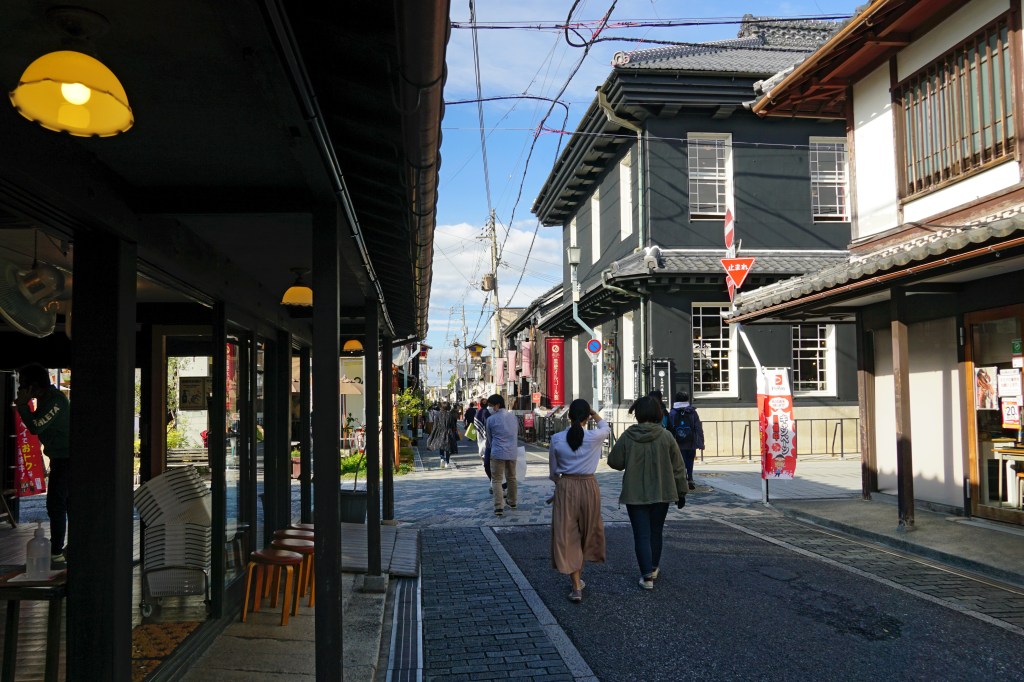
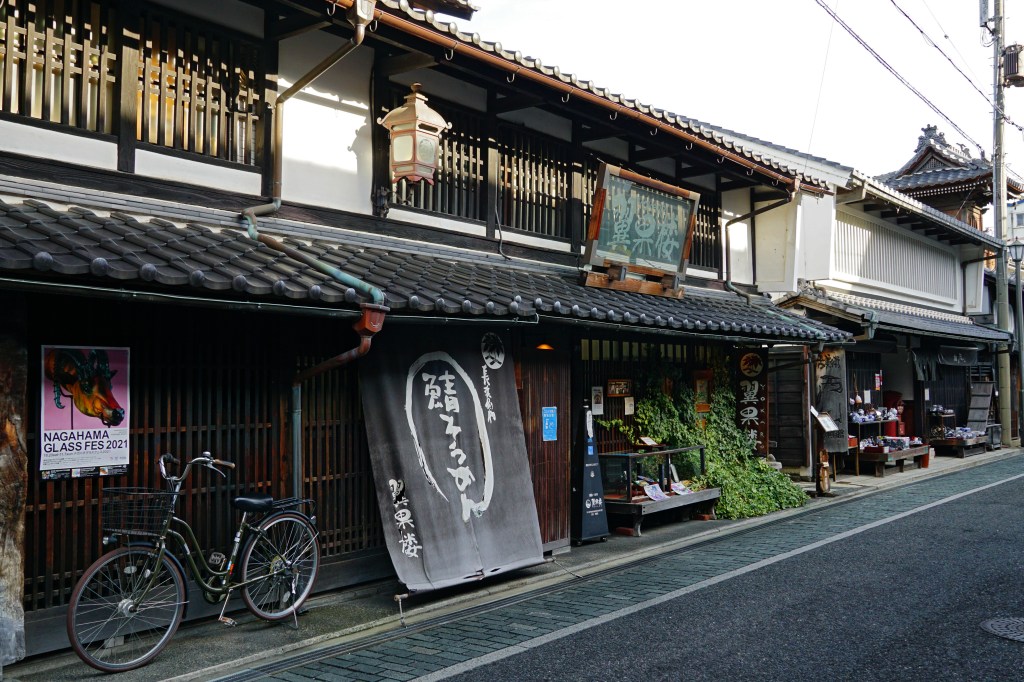
The Kurokabe glass quarter
The quarter is a group of old buildings around the Kurokabe bank, converted into glass shops, galleries and cafes, and it is the centre of the city’s craft. The glass ranges from inexpensive tableware to art pieces, and some of the shops have workshops where you can watch the glassblowers. The buildings are handsome, with the stone facades and the courtyards, and the atmosphere is relaxed.
The old merchant town
The streets around the glass quarter have the old merchant houses of the Edo and Meiji periods, with thick walls, deep eaves and the wooden lattice fronts, and some of them are open as shops, cafes and museums. The scale is small and the streets are quiet, and the walk between the glass quarter and the castle site is the best part of the city.
The castle site and the Hideyoshi history
Nagahama castle was the first castle of Hideyoshi, the future ruler of Japan, and the site is now a park with a reconstructed keep and a museum. The view from the top over the lake and the town is the reason to climb, and the museum explains the history of the city and the castle. It is a short walk from the glass quarter.
The temples and the old streets
The city has a number of temples, including the ones along the old road, and the streets around them have the shops and the houses of the Edo period. The temples are quiet and the gardens are small, and the walk between them is a good way to see the everyday city. Look at the gates, the stone walls and the trees.
The lake and the shore
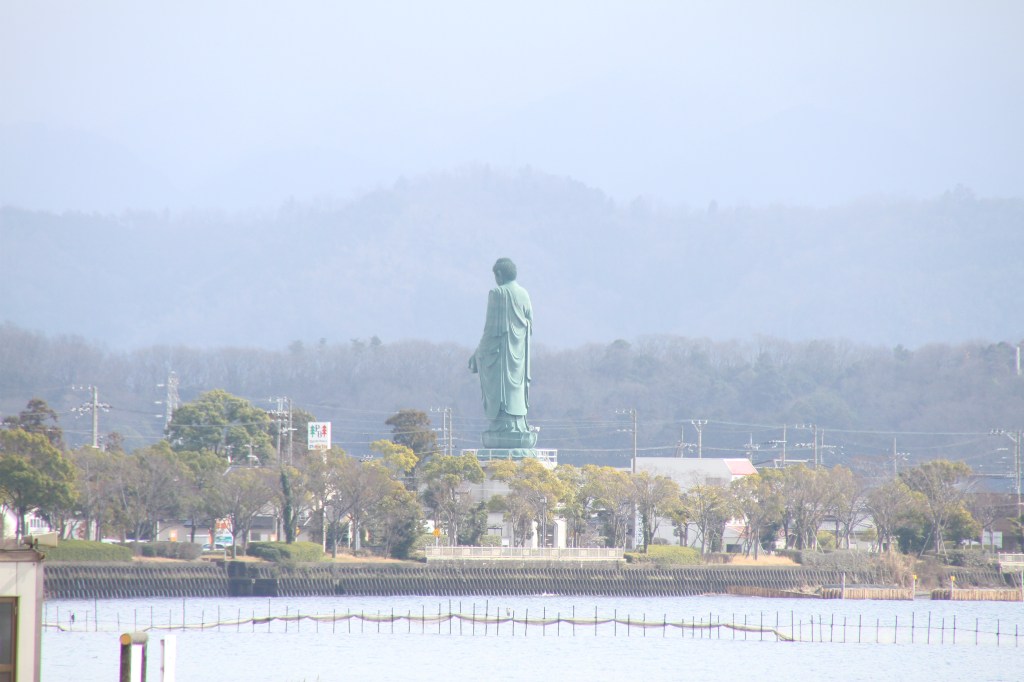
The shore of Lake Biwa has parks, beaches and a promenade, and the views across the water to the mountains are open and calm. The sunsets are the local event, and the lake is good for a walk or a bicycle ride. The ferry and the boats connect the shore with the other side of the lake, and the bird life is rich in winter.
The food of the lake
The lake provides the fish, especially the ayu, the funa and the small smelt, and the town serves them grilled, in sushi or in the local soups. The Omi beef is the other regional speciality, and the restaurants around the station and the old town serve it. The local sake from the Shiga breweries is soft and clean.
The access from Kyoto
Nagahama is about an hour from Kyoto by the JR line, and the station is a short walk from the glass quarter and the old town. The train runs along the lake, and the views are good, especially in the late afternoon. It is an easy day trip, and it combines with Hikone and the eastern shore, or with the northern lake and the mountains, and the connections are frequent.
Food and drink
- The ayu, the sweetfish of Lake Biwa, is the local fish, grilled with salt or served in the local dishes, and the restaurants near the lake serve it in season.
- The funa sushi, the fermented carp sushi, is the traditional food of the region, and it is strong and sour. It is worth trying once.
- The Omi beef is the regional speciality, and the restaurants in the old town and around the station serve it as steak, in bowls or in the local sukiyaki.
- The local sake from the Shiga breweries is soft and clean, and the bars and the shops around the glass quarter carry it.
- The cafes in the glass quarter serve light meals, cakes and coffee, and they are a good break in the middle of the walk.
- The roadside stations and the shops around the station sell the local produce, the pickles and the sweets, and they are a good place for a cheap lunch or a souvenir.
Getting there and around
- Nagahama is about an hour from Kyoto by the JR Biwako line, and the station is in the centre of the city.
- From Osaka, the train takes about an hour and a half, and from Tokyo the shinkansen to Maibara and the local train take about three hours.
- By car, the expressway and the national roads connect Nagahama with Kyoto, Hikone and the northern lake, and the city has parking.
- The glass quarter, the old town and the castle site are within a fifteen-minute walk of the station, and the lake shore is another ten minutes.
- The bicycles can be rented near the station, and the lake shore road is flat and easy.
Where to stay
- The hotels around Nagahama station are the practical base, with the full range of prices and easy access to the sights.
- The ryokan and the guesthouses in the old town are small and atmospheric, and they suit a slow stay.
- The hotels on the lake shore have views over the water, and they are quiet and close to the parks.
- Kyoto and Hikone are within an hour and have the full range of accommodation, and most visitors come as a day trip.
Best time to visit
- Spring, from late March to April, is the best time: the cherry trees in the castle park and along the lake, and the mild weather.
- Summer is hot and humid, with the lake for swimming and the festivals in the old town. The evenings are long.
- Autumn, from October to November, brings colour to the trees and clear air, and the lake is at its most beautiful.
- Winter is cold and quiet, with the birds on the lake and the town at its emptiest. The glass shops and the museums are the indoor options.
- The rainy season runs from early June to mid-July. The glass quarter and the temples are good wet-weather stops.
Practical tips
- Visit on a weekday. The glass quarter is busy at weekends and the streets are narrow.
- Check the opening days of the glass shops and the castle museum. Some close on weekdays.
- Walk from the station to the glass quarter and the old town. The route is flat and signed.
- Try the funa sushi, but share it. The flavour is strong and not to everyone’s taste.
- Carry cash for the small shops. Some of the glass dealers prefer it.
- Combine the town with Hikone castle and the lake shore for a full day.
- Carry a light jacket in the evening. The temperature drops quickly after sunset, especially near the water.
Suggested day-trip outline
- Morning: train from Kyoto, the glass quarter and the Kurokabe square.
- Late morning: the old merchant streets and the temples, and the castle site.
- Lunch: Omi beef or a lake fish set meal in the old town.
- Afternoon: the lake shore and the park, and a bicycle ride along the water.
- Late afternoon: the sunset over the lake, and the shops for the last purchases.
- Evening: dinner in the town, and the train back to Kyoto.
Before you go
Timetables, fares, admission fees, and seasonal access rules can change. Check the official tourism and transport sites linked below for the latest information before you travel.
Explore More of Japan
Published guides that pair with this one:
- Hikone Castle Travel Guide: A National Treasure Keep by Lake Biwa
- Kyoto Travel Guide: Areas, Temples and a Three-Day Plan
- Lake Biwa and Omi-Hachiman Travel Guide: Water, Canals, and Access
- Enryaku-ji Travel Guide: The Tendai Monastery on Mount Hiei
- Kinosaki Onsen Guide: Yukata, Seven Baths, and the Willow Canal
Browse every Kansai guide on this site for the rest of the region.
Sources
- city.nagahama.lg.jp (checked 2026-11-05)
- biwako-visitors.jp (checked 2026-11-05)


Leave a Reply