Plan a visit to Hamada in Shimane for its Sea of Japan coast, the Aquas aquarium and the sunset over the water.
Operational details such as opening hours, admission fees, and train times can change. Prefer official pages and reconfirm before you travel (sources checked on 04 November 2026).
Why visit
- Hamada is a small city on the San’in coast of Shimane, facing the Sea of Japan, and its reputation is built on two things that are easy to underestimate: the sunset and the kagura. The sun goes down over the water here, which is unusual on the Japan Sea side where most towns face north or east, and the city has made the western view its identity. The roadside station at the harbour is called Yuuhi Park, the sunset park, for that reason.
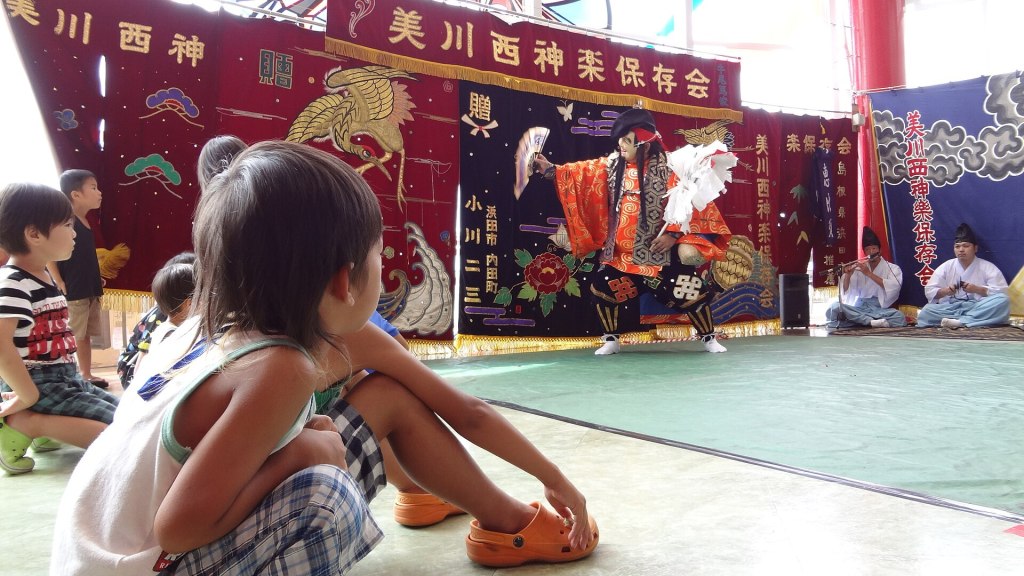
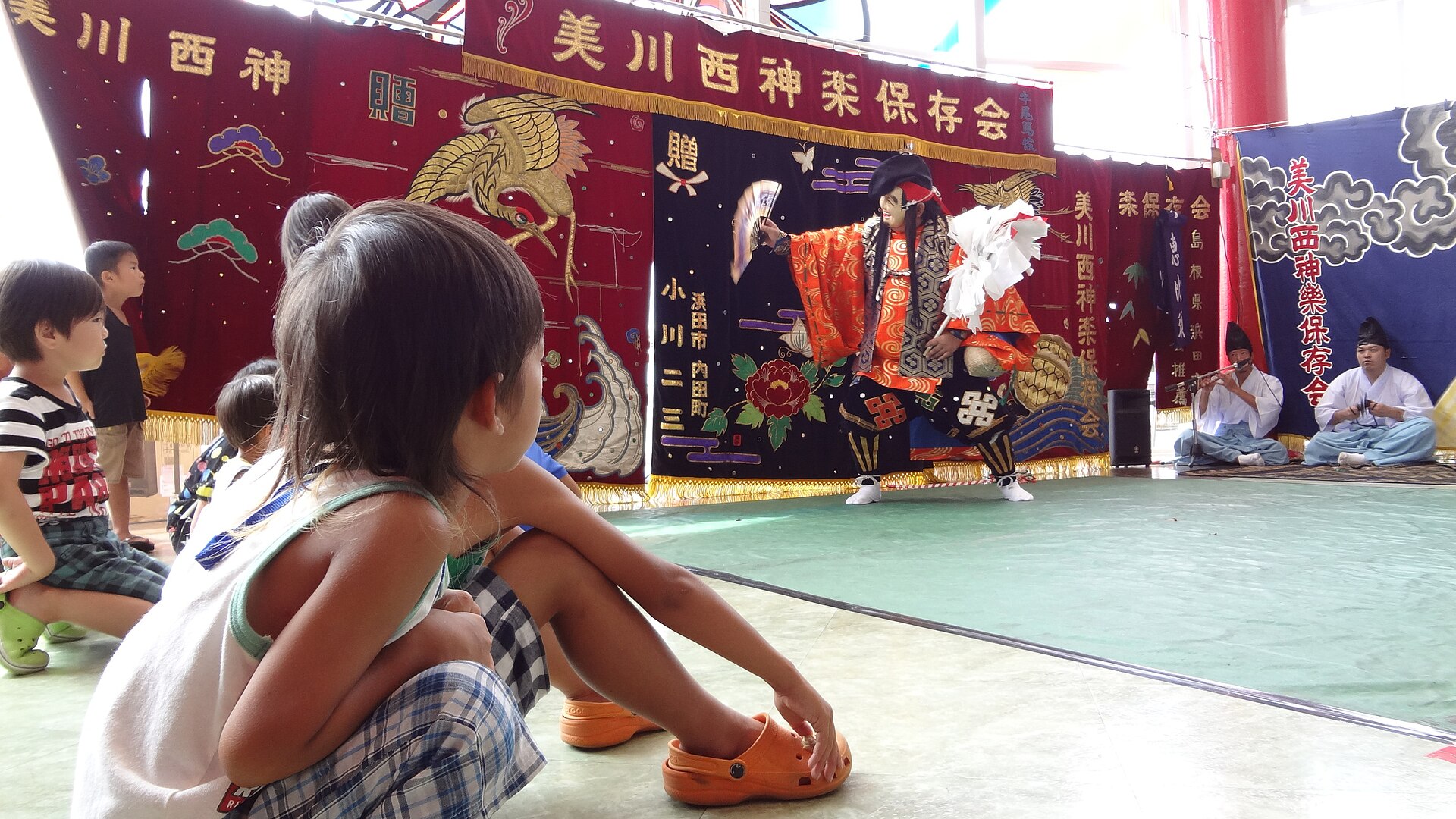
- The kagura is the more serious draw. Iwami Kagura is the shrine dance of western Shimane, and Hamada has more than fifty of the troupes that perform it, more than any other municipality. It is fast, loud, colourful and theatrical, with masks and swords and a drum line that carries, and it is performed not only at the autumn festivals but on stages in the town on a weekly schedule, which means a visitor can see it without knowing a single date of the ritual calendar.
- The aquarium is the third reason and the one that surprises people. The Shimane Aquarium Aquas is the prefectural aquarium, and it is built on the coast at the boundary between Hamada and Gotsu, with the Sea of Japan as its subject rather than tropical fish. Its signature animals are the beluga and the whale sharks are not here but the cold-water life of the San’in is, and the outdoor pools and the dolphin and sea lion performances are free with admission.
- The children’s art museum is the fourth and it is not only for children. The Hamada City World Museum of Children’s Art is a purpose-built museum on a hill with a collection of contemporary art made for and about childhood, and it runs exhibitions that are genuinely good rather than condescending. It is the sort of place a family spends three hours in and an adult without children spends one.
- The landscape around the city is the San’in coast at its most typical: a narrow plain between the mountains and the sea, a river mouth, a small castle site on a hill, and the islands and the rocks offshore. The Hamada coast is part of the Kita-Nagato Kaigan Quasi-National Park, and the road east and west along it is a sequence of small fishing ports and viewpoints rather than a highway.
- The practical case is that Hamada is on the San’in main line and the San’in expressway, so it is reachable from Hiroshima in about two hours and from Matsue in about an hour and a half, and it sits between the two. The city is small enough to walk in parts and has enough to fill a day and a half, and it is the natural stop between the Izumo region and the west of the prefecture.
Top places and highlights
The sunset over the Sea of Japan
The west-facing coast gives Hamada a sunset over open water, and the city has built its identity on it: the Yuuhi Park roadside station at the harbour is named for it and the viewing spots along the coast are marked. The best light is in the hour before dusk from the seawall and the elevated points, and the winter sunsets are the strongest because the air is clear. It is free and it is the thing locals will tell you to do.
Iwami Kagura
More than fifty kagura troupes are based in Hamada, and the dances are performed weekly rather than only at festivals. The weekend night kagura at Sannomiya Shrine is every Saturday from 20:00 to 21:00 for 1,500 yen with children free, and the Yuuhi Park Hamada performance is on the second Sunday of each month from 13:00 to 15:00 and free. The outdoor stage at Hasshi Hiroba beside the aquarium runs on Sundays and holidays from April to early November, also free with a 500-yen reserved seat.
Shimane Aquarium Aquas
The prefectural aquarium is a 20-minute drive east of the city centre, open 9:00 to 17:00 and closed on Tuesdays, or the following day when the Tuesday is a holiday. Adults pay 1,700 yen and school students 500, with under-school-age children free, and the dolphin and sea lion shows and the outdoor pools are included. The beluga is the animal people come for, and the cold-water tanks show the Sea of Japan as it actually is.
The World Museum of Children’s Art
The museum is on a hill at Nobara, open 9:30 to 17:00 with last entry at 16:30 and closed on Mondays, and it mounts two large exhibitions a year of contemporary art on themes like plants and animals. Admission depends on the exhibition, currently 600 yen for adults, 400 for high school and university students and 200 for school children, with under-school-age children free. The weekend workshops in the ground-floor studio are drop-in and cost a few hundred yen.
The castle site and the Kokubu river
Hamada Castle stood on Kameyama above the Kokubu river, and the site is now a park with the stone walls and the outline of the compound, looking over the town and the sea. The river mouth is where the town grew, and the walk from the station to the castle hill and down to the harbour takes an hour and shows the shape of the place. The cherries on the hill are the local hanami spot.
The San’in coast and the seaside park
The Iwami Seaside Park east of the city is a long stretch of beach and pine behind the aquarium, with camping, cycling and the shallow water of the San’in. The coast road west towards Masuda and east towards Gotsu runs through small ports with fish landed at the quay, and the rocks and islands offshore are part of the quasi-national park. It is a coast for driving slowly.
The fish and the market
Hamada is a fishing port, and the catch is the local food: horse mackerel, sardines, squid, and the red snow crab and the rock oysters in winter. The market and the canteens around the harbour serve it plainly and cheaply, and the dried fish and the processed seafood are what to take home. The city’s own fish is the reason to eat here rather than in a chain.
Food and drink
- The port gives Hamada its food, and the fish is the reason to eat out here: horse mackerel, sardines, squid and, in winter, the red snow crab and the oysters of the San’in. The canteens around the harbour and the market serve it as sashimi, grilled and in rice bowls at prices set for the town rather than for visitors.
- The local noodle is the Izumo soba of the region, and the udon and the sushi are ordinary. The dish to look for is the seafood bowl, and the fish cakes and the dried fish are the things the town itself buys.
- The roadside stations are the practical stop: the Yuuhi Park Hamada sells local vegetables, fish and the kagura goods, and the restaurants there serve the catch. Eating at a roadside station is not a compromise in this part of Japan.
- The sake of Shimane is excellent and underrated, and the breweries of the prefecture produce the dry style that suits the fish. The local sake and the plum wine are the take-home items, and the shops at the station and the roadside stations stock them.
Getting there and around
- By train, Hamada is on the JR San’in main line, about an hour and a half from Matsue and about two hours from Masuda, with the limited express stopping at Hamada Station. The station is in the centre and the castle hill and the harbour are within a 20-minute walk.
- By car, the San’in Expressway runs along the coast, with the Hamada east and west interchanges serving the city, and the drive from Hiroshima is about two hours via the Chugoku Expressway and the Hamada Expressway. From Matsue it is about an hour and a half.
- By bus, the express buses from Hiroshima and Matsue stop at Hamada, and the local buses connect the station with the aquarium, the art museum and the coastal villages. The aquarium is a 20-minute drive or a bus ride east of the centre, near the Gotsu boundary.
- The aquarium is open 9:00 to 17:00 and closed on Tuesdays, or the next day when Tuesday is a public holiday, and the art museum is open 9:30 to 17:00 and closed on Mondays. The two are on opposite sides of the city and need a car or a taxi to combine.
- The kagura performances are in the town and at the roadside stations, and the times are fixed enough to plan around: Saturday nights at Sannomiya Shrine, the second Sunday at Yuuhi Park Hamada, and Sundays and holidays at the aquarium’s outdoor stage from April to early November.
Where to stay
- Hamada has business hotels near the station and the harbour, and a few ryokan and onsen lodges in the surrounding hills, including the Miwa Onsen and the Asahi Onsen, both of which hold their own kagura nights. The town is small and the hotels are practical.
- Matsue, an hour and a half east, is the larger base with the castle, the lake and more hotels, and Hamada becomes a day trip or an overnight on the way west. Masuda, further west, is the other stop on the San’in line.
- The onsen of the interior, at Miwa and Asahi, are the alternative to a city hotel, and both are close enough to the kagura to combine a performance with a night in a hot spring. They are quiet and the winter is their season.
Best time to visit
- Summer is the season of the sea, with the beaches of the Iwami Seaside Park open, the aquarium at its busiest and the kagura on the outdoor stage every Sunday and holiday. The fireworks and the festivals fill the weekends.
- Autumn is the kagura season in the shrines, with the autumn festivals through October and November, and the coast at its clearest. It is the best time to see the dance in its proper setting rather than on a stage.
- Winter is the season of the crab and the oysters, and the sunsets are the strongest of the year because the air is dry and clear. The sea is rough and the coast road is windy, and the town is quiet.
- Spring brings the cherries on the castle hill and the first of the outdoor kagura, and the weather is mild. The rainy season in June and July is the least rewarding, with grey skies and a sea the colour of the cloud.
Practical tips
- Check the kagura schedule before you book the trip. The Saturday night performance at Sannomiya Shrine is weekly and 1,500 yen, the second Sunday at Yuuhi Park Hamada is free, and the aquarium’s outdoor stage runs on Sundays and holidays from April to early November. The schedule is published by the city’s tourist association, and a trip built around one of them is a different trip.
- Note that the aquarium closes on Tuesdays. It is closed every Tuesday, or the following day when the Tuesday is a public holiday, and the art museum closes on Mondays. Planning both on the same day is possible only from Wednesday to Sunday.
- Go to the coast for the sunset rather than watching it from the town. The harbour seawall and the elevated points west of the city give the open water view, and the winter sunsets are the ones worth planning around. It is free and it takes an hour.
- Eat fish at the harbour rather than in the station. The canteens and the market serve what was landed that morning, and the prices are lower than the restaurants in the centre. The winter crab and oysters are the local speciality.
- Take the train if you are coming from Matsue or Masuda. The San’in main line runs along the coast and the ride is part of the trip, with the sea on one side for much of it. A car is needed for the aquarium and the art museum, which are on opposite sides of the city.
- Bring cash for the kagura and the small shops. The shrine performances and the roadside stations are cash businesses, and the reserved seats at the aquarium stage are bought on the day. The town’s ATMs are concentrated near the station.
- Allow a full day and a half. The aquarium and the art museum take half a day each, the kagura takes an evening, and the coast road west is a slow drive. Hamada rewards a night rather than a stop.
Suggested day-trip outline
- Arrive at Hamada Station in the morning and walk to the castle hill for the view over the town and the sea, then down to the Kokubu river mouth and the harbour. Have a seafood bowl at one of the port canteens for lunch.
- Drive east to the Shimane Aquarium Aquas and spend the afternoon there, with the beluga, the cold-water tanks and the dolphin and sea lion show. If it is a Sunday or holiday between April and early November, stay for the free kagura on the outdoor stage at 13:00.
- Return to the city for the sunset from the seawall or the Yuuhi Park, and eat fish again in the evening. On a Saturday, go to Sannomiya Shrine for the 20:00 night kagura and see the dance indoors with the drums and the masks.
- On the second day, go to the World Museum of Children’s Art on the hill at Nobara, which opens at 9:30 and closes at 16:30, and let the exhibition and the workshop fill the morning. Drive the coast road west towards Masuda in the afternoon, stopping at the small ports.
- Leave on the San’in line towards Matsue or Masuda, or drive on to the west of the prefecture. With more time, the onsen at Miwa and Asahi hold their own kagura nights, and a night there is the quiet version of the same trip.
Before you go
Timetables, fares, admission fees, and seasonal access rules can change. Check the official tourism and transport sites linked below for the latest information before you travel.
Explore More of Japan
Published guides that pair with this one:
- Matsue Castle Travel Guide: A National Treasure Keep under Repair
- Izumo Taisha Travel Guide: The Grand Shrine and the Shimane Coast
- Iwami Ginzan Travel Guide: UNESCO Silver Mine in Shimane
- Tottori Sand Dunes Travel Guide: Coastal Walks in Western Honshu
- Adachi Museum of Art Travel Guide: Highlights, Access, and Planning
- Tsuwano Travel Guide: The Little Kyoto of San’in
- Kurayoshi Travel Guide: Tottori’s White-Walled Storehouse Town
- Sandankyo Gorge Travel Guide: Trails, Boats, and Access from Hiroshima
- Shukkeien Garden Travel Guide: Hiroshima’s Daimyo Landscape
Browse every Chugoku guide on this site for the rest of the region.
Sources
- aquas.or.jp — Visitor guide (checked 2026-11-04)
- aquas.or.jp (checked 2026-11-04)
- iwamikagura.jp (checked 2026-11-04)
- kankou-hamada.or.jp (checked 2026-11-04)
- hamada-kodomo-art.com (checked 2026-11-04)
- city.hamada.shimane.jp (checked 2026-11-04)


Leave a Reply