A practical English guide to Matsumae in southern Hokkaido: the castle, the cherry blossom, the history and access from Hakodate.
Operational details such as opening hours, admission fees, and train times can change. Prefer official pages and reconfirm before you travel (sources checked on 05 November 2026).
Why visit
- Matsumae is a small town at the southern tip of Hokkaido, on the coast facing the Tsugaru strait, and it was for two and a half centuries the northern frontier of Japan. The Matsumae clan ruled the island from here from the seventeenth century, trading with the Ainu and holding the only castle in Hokkaido, and the town was the administrative and cultural centre of the north while the rest of the island was still wilderness.
- The castle is the centre of the visit. The keep was rebuilt in 1960 after a fire, but the stone walls, the gate and the layout are the original, and the museum inside tells the story of the clan, the trade and the northern frontier. The grounds are a park, and the view from the keep over the town, the sea and the hills is the reason to climb.
- The town is also famous for its cherry trees. Matsumae park has thousands of them, of many varieties, and the blossom comes later than in the rest of Japan, in late April and early May, which makes it the last great cherry season of the country. The combination of the castle, the sea and the blossom is unique, and the town fills with visitors in that week.
- Beyond the castle, the town has temples, the old houses of the merchant families, and a coast of cliffs and fishing ports. The food is the seafood of the strait, with the squid, the sea urchin and the salmon, and the local sake. It is a quiet place outside the blossom season, and it is a good stop on the route between Hakodate and the north.
Top places and highlights
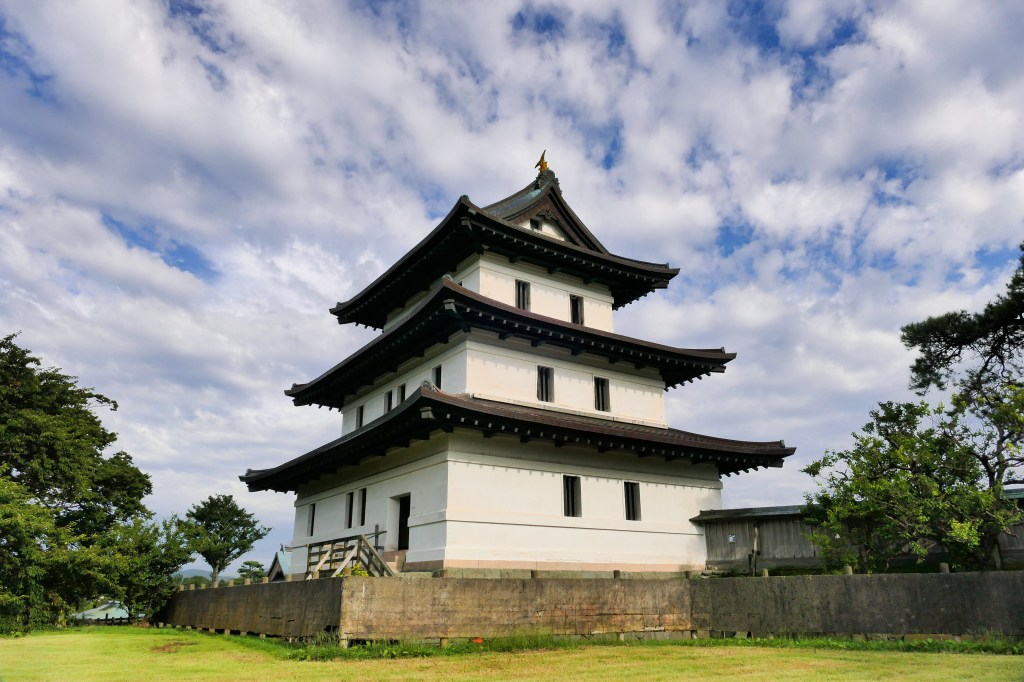
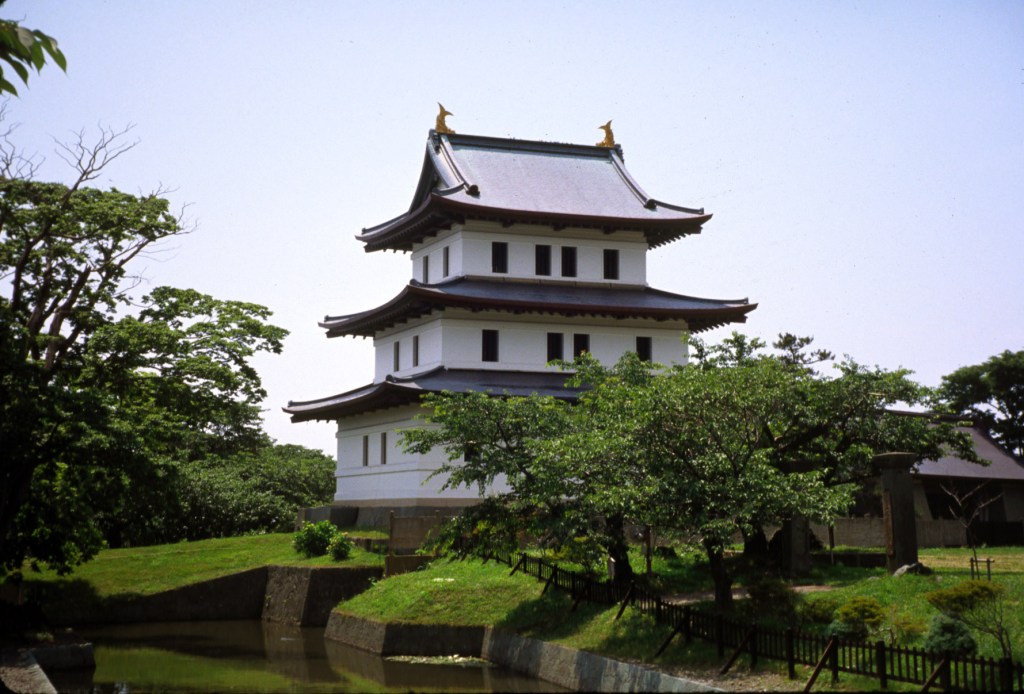
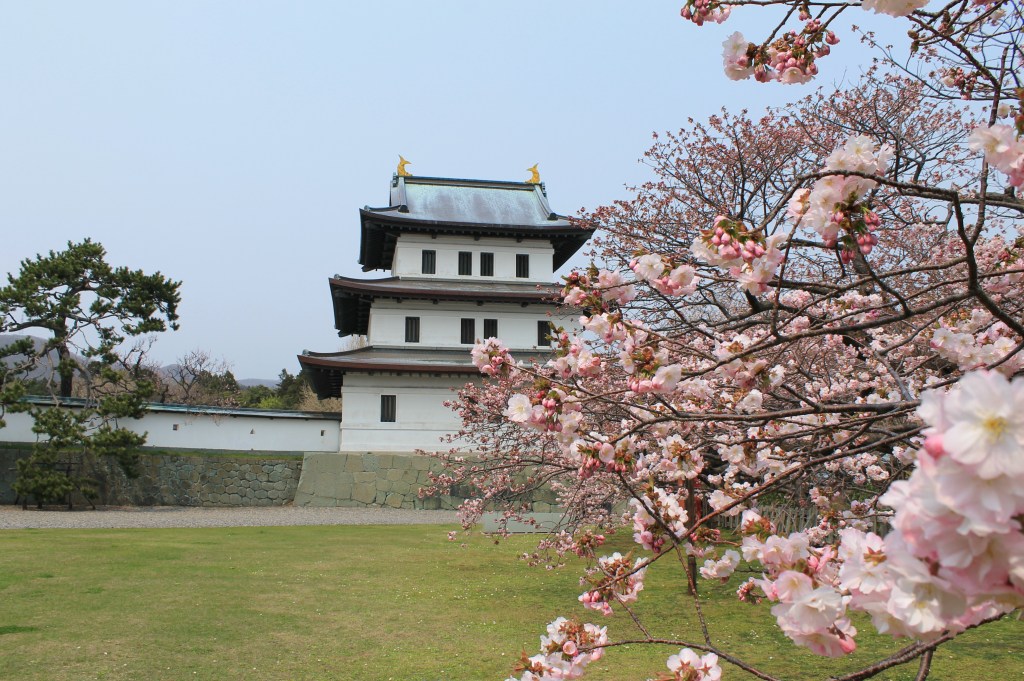
Matsumae castle
The castle sits on a hill above the town, with stone walls, a moat and a rebuilt keep, and it was the only castle on Hokkaido. The keep is a museum now, with displays on the Matsumae clan, the trade with the Ainu and the Russian frontier, and the view from the top floor takes in the town, the sea and the mountains of the peninsula. The walls and the gate are the original, and the cherry trees around the castle are the best in the town.
The cherry blossom
Matsumae park is planted with thousands of cherry trees of many varieties, and the blossom comes in late April and early May, later than in the rest of Japan. The varieties flower in sequence, so the season lasts longer than elsewhere, and the combination of the castle, the sea and the trees is the reason people come. The park is free, and the paths run through the trees and around the castle.
The old town and the temples
The town has a cluster of temples and old houses around the castle, including the family temple of the Matsumae clan, and the streets are quiet and walkable. The merchants’ houses have the thick walls and the deep eaves of the northern climate, and some of them are open to visitors. Walk the lanes between the castle and the port, and look at the details.
The coast and the strait
The coast around Matsumae is a line of cliffs, small fishing ports and views across the Tsugaru strait to the mountains of Aomori, and on a clear day the far shore is visible. The road along the coast is quiet and scenic, and the ports have the boats and the drying racks of the squid fishery. The sunset over the strait is the local spectacle.
The seafood of the strait
The strait is one of the richest fishing grounds in Japan, and Matsumae is known for its squid, its sea urchin and its salmon, along with the scallops and the crab. The restaurants and the markets serve them fresh and cheap, and the local speciality is the squid prepared in the traditional way, dried and grilled. The town’s food is the honest cooking of a fishing coast.
The northern frontier history
The Matsumae clan’s domain was the edge of Japan, and the town was the place where the Japanese, the Ainu and the Russian traders met. The castle museum explains the trade, the treaties and the conflicts, and the town has markers and sites connected to the frontier. It is a history that is different from the rest of the country, and it gives the town its character.
The route to Hakodate
Matsumae is about an hour and a half from Hakodate by bus or car, along the coast of the peninsula, and it is an easy day trip from the city. The road passes the onsen of Yunokawa and the fishing ports, and the views of the strait are constant. It is a good way to see the southern tip of Hokkaido beyond the city.
Food and drink
- The squid is the local speciality, served as sashimi, grilled or dried, and the town’s restaurants and markets sell it fresh from the strait.
- The sea urchin and the salmon are the other local fish, along with the scallops and the crab, and the seafood bowls at the port restaurants are the best value.
- The local sake from the Matsumae brewery is dry and clean, and the shops around the castle sell it along with the town’s sweets.
- The town has a few restaurants around the castle and the port, serving set meals and seafood, and the choice is limited outside the blossom season.
- Hakodate, an hour and a half away, has the wider range of restaurants, including the morning market and the famous seafood bowls.
Getting there and around
- Matsumae is at the southern tip of the Oshima peninsula, about an hour and a half from Hakodate by bus or car, and the bus runs several times a day.
- By car, the drive from Hakodate follows the coast and the national roads, with views of the strait, and the town has car parks at the castle and the park.
- From Hakodate airport, the drive takes about an hour and a half, and the train and bus combination takes longer. A car is the easiest option.
- The town is small and walkable, with the castle, the park and the old streets within a few minutes of each other.
- The shinkansen to Hakodate and the bus from there is the public transport route, and the whole trip from Tokyo takes most of a day.
Where to stay
- The small hotels and guesthouses in Matsumae are simple and cheap, and they suit an early start at the castle and the park.
- The ryokan and onsen inns in the surrounding area, towards Yunokawa and Hakodate, offer baths and seafood dinners, and they are an hour or so away.
- Hakodate has the full range of hotels and is the practical base for the peninsula, with the morning market and the night view.
- The minshuku along the coast are quiet and cheap, with local meals and views of the strait, and they suit a slow trip with a car.
Best time to visit
- Late April to early May is the cherry blossom season and the busiest time, with the park full of visitors and the town at its most lively.
- Summer is green and mild, with the sea calm and the coast road pleasant. The town is quiet and the seafood is good.
- Autumn, from September to October, brings colour to the hills and clear views across the strait, and the fishing season is at its peak.
- Winter is cold and snowy, with the castle and the town quiet and the sea grey. The seafood and the sake are the attractions.
- The rainy season is less pronounced in Hokkaido, but June can be wet. The castle museum and the temples are good wet-weather stops.
Practical tips
- Come for the blossom if you can. The season is late and the combination of the castle and the trees is unique.
- Check the flowering dates before you book. The peak shifts by a week or two each year.
- Allow half a day for the castle, the park and the town, and a full day if you add the coast.
- Rent a car or check the bus times. The public transport is limited and the coast is spread out.
- Try the squid and the sea urchin at the port. The seafood is the reason to eat here.
- Wear warm layers even in spring. The strait wind is cold, and the castle hill is exposed.
Suggested day-trip outline
- Morning: bus or car from Hakodate, arrive at the castle and climb the keep before the crowds.
- Late morning: the park and the cherry trees, then the old town and the temples.
- Lunch: a seafood bowl at the port, with the local squid.
- Afternoon: the coast road and the fishing ports, with views across the strait.
- Late afternoon: back to the castle for the low light, and the sunset over the sea.
- Evening: dinner in the town or the drive back to Hakodate for the night view.
Before you go
Timetables, fares, admission fees, and seasonal access rules can change. Check the official tourism and transport sites linked below for the latest information before you travel.
Explore More of Japan
Published guides that pair with this one:
- Noboribetsu Onsen Travel Guide: Hell Valley and Hokkaido Hot Springs
- Hakodate Travel Guide: Night Views, Morning Market, and Southern Hokkaido
- Sapporo Travel Guide: Food, Parks, and a Hokkaido Base
- Moerenuma Park Travel Guide: Noguchis Sculpted Landscape in Sapporo
- Takino Suzuran Hillside Park Travel Guide: Sapporos Flower Hills
Browse every Hokkaido guide on this site for the rest of the region.
Sources
- town.matsumae.hokkaido.jp (checked 2026-11-05)
- visit-hokkaido.jp (checked 2026-11-05)


Leave a Reply