A practical English guide to the Sannai Maruyama site in Aomori: the reconstructed village, the museum and access from Aomori station.
Operational details such as opening hours, admission fees, and train times can change. Prefer official pages and reconfirm before you travel (sources checked on 05 November 2026).
Why visit
- Sannai Maruyama is a large Jomon period settlement site on the edge of Aomori city, occupied for roughly 1,500 years from about 5,900 years ago, and it is one of the most important archaeological sites in Japan. The excavation found the remains of pit dwellings, raised-floor storehouses, graves, pits and roads, and the site has been reconstructed with a village of buildings on the original ground.
- The scale is the surprise. This was not a small camp but a substantial settled community, with hundreds of structures built over the centuries, and the finds include pottery, stone tools, clay figurines, lacquerware and the bones of the animals and fish that the people ate. The site changed the way archaeologists understood the Jomon: not a simple hunter-gatherer culture but a complex one with long-distance trade and large settlements.
- The park is a reconstruction, with the buildings rebuilt on the excavated post holes, and a museum with the finds and the explanation. The buildings are impressive: large six-pillar structures, thatched pit dwellings and raised storehouses, and the scale gives a sense of the community. The site is a short bus ride from Aomori station, and it combines with the city’s other sights.
- It is also a pleasant place to walk, with open ground, reconstructed buildings and views of the mountains, and it is good for families. The museum is the place to start, and the walk through the village is the payoff.
Top places and highlights
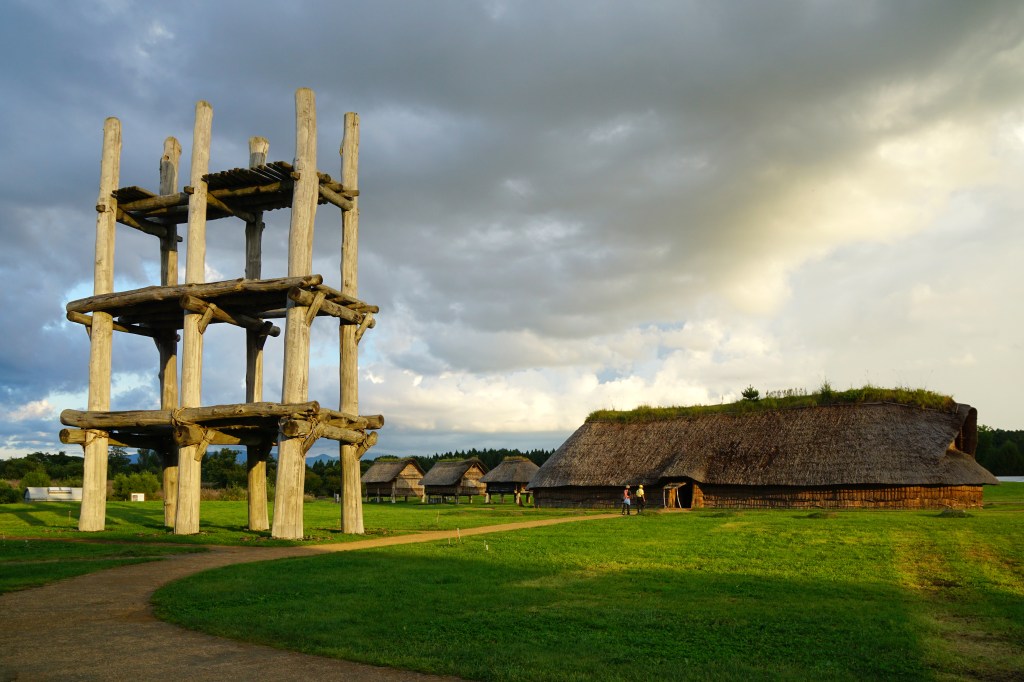
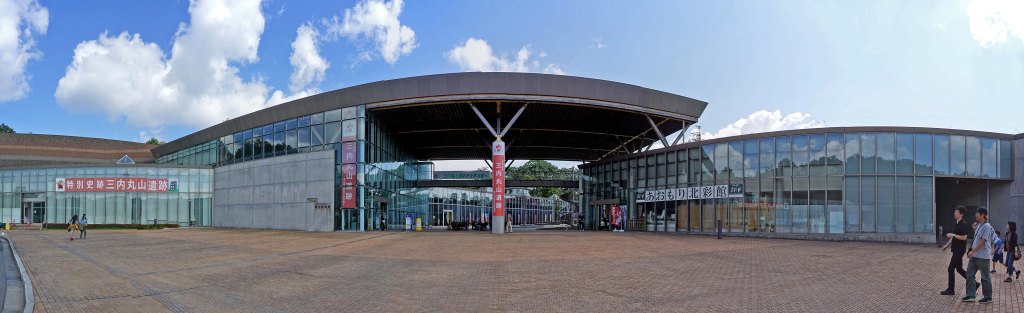
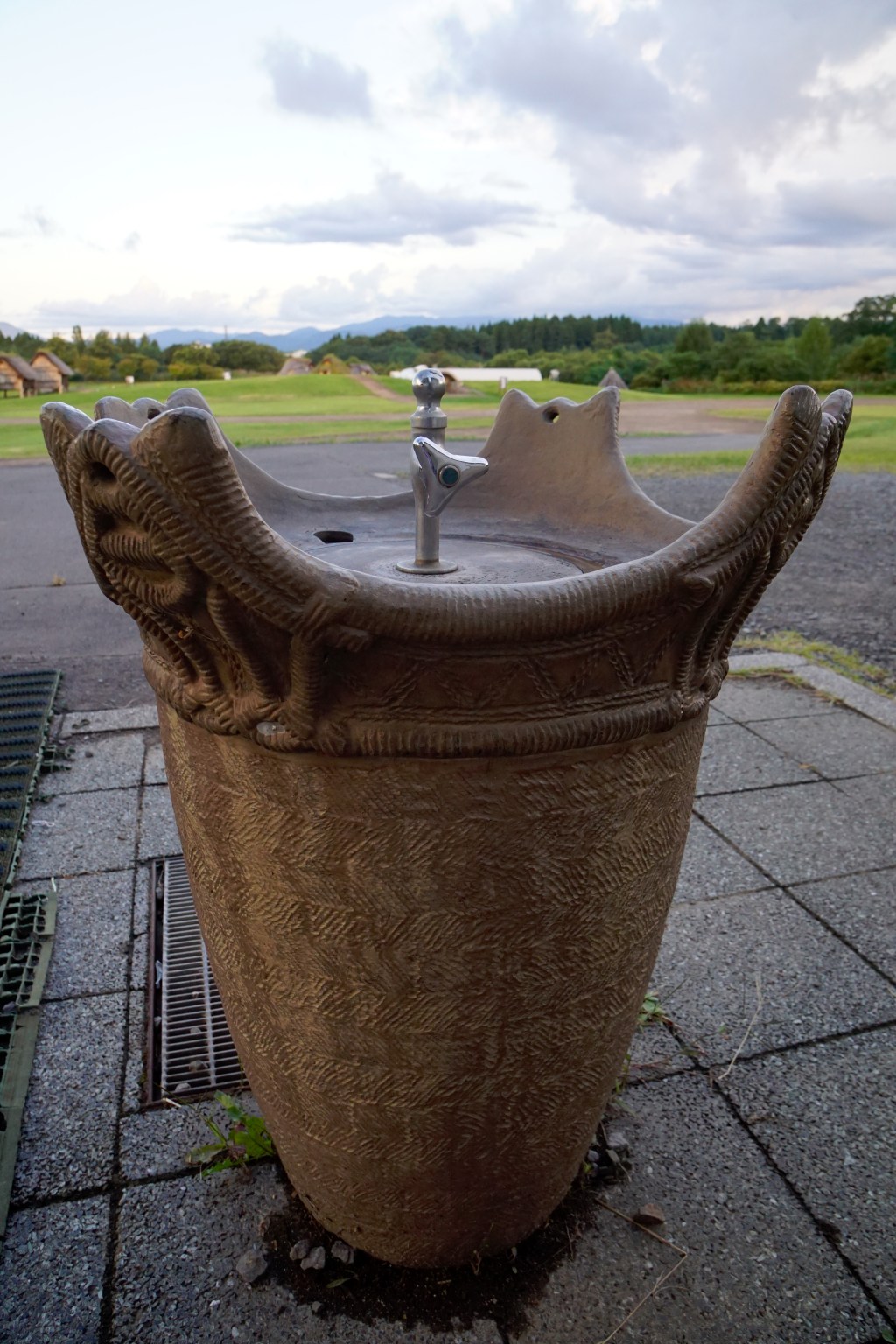
The reconstructed village
The village is rebuilt on the excavated ground, with pit dwellings, raised-floor storehouses and large six-pillar buildings, all constructed with the materials and techniques of the period. The buildings are thatched and timber, and some of them are tall enough to be seen from across the site. Walk between them and look at the post holes and the floors, which are marked in the ground, and the scale of the settlement becomes clear.
The large six-pillar building
The largest structure is a six-pillar building, with a raised floor and a thatched roof, and it is the most impressive reconstruction on the site. Its purpose is debated, and the museum explains the theories: a storehouse, a meeting place, a ceremonial building. The scale and the work involved in building it are the point, and it is the symbol of the site.
The museum
The museum displays the finds from the excavation, including pottery, stone tools, clay figurines, lacquerware and ornaments, and explains the Jomon culture and the history of the site. The collection is well presented, with models and reconstructions, and the labels are clear. It is the place to understand what you are walking through, and it takes about an hour.
The Jomon food and daily life
The site has reconstructed pits, hearths and storage areas, and the museum explains the food: nuts, acorns, fish, shellfish, boar and deer, and the pottery used for cooking and storage. The people of Sannai Maruyama managed chestnut and walnut trees, fished in the nearby sea and rivers, and traded for obsidian and jade from distant regions.
The views and the setting
The site is on a plateau with views of the mountains of Aomori and the bay, and the open ground and the reconstructed buildings give a sense of the landscape the Jomon people lived in. The walk around the site is flat and easy, and the seasons change the mood: green in summer, gold in autumn, snow in winter. The mountains and the sea are the background that the settlement was built against.
Aomori city
Aomori is a small city with a good market, a bay, a museum and the Nebuta festival in summer, and the site is a short bus ride away. The city food is the seafood of the northern sea, with the tuna, the scallops and the apples of the region, and the market is the place to eat. The bay and the bridge are a good walk, and the city is a comfortable base for the north.
The Jomon heritage
The Jomon sites of northern Japan were inscribed as a World Heritage site, and Sannai Maruyama is one of the most accessible. The site is part of a wider network of settlements and ceremonial sites across the region, and the museum explains the connection. It is a good introduction to a culture that shaped the north of Japan.
Food and drink
- Aomori is known for its seafood, especially the tuna and the scallops, and the market and the restaurants around the station serve them fresh.
- The apples of the region are famous, and the juice, the cider and the sweets are sold everywhere. The apple orchards are outside the city.
- The local dish is the senbei-jiru, a soup with a wheat cracker, and the restaurants in the city serve it as a set meal.
- The site has a cafe and a shop serving simple meals and the local snacks, and it is useful for a quick lunch.
- The city’s market, the Furukawa market, is the best place for a cheap seafood breakfast, and it is a short bus ride from the site.
Getting there and around
- Sannai Maruyama is about twenty minutes by bus from Aomori station, on the route towards the airport, and the stop is at the site entrance.
- By car, the site is close to the national roads and the expressway, with a large car park. It is an easy stop on the way to the airport.
- From Tokyo, the shinkansen to Shin-Aomori takes about three hours, and the train or bus to Aomori station takes a few minutes more.
- The site is flat and walkable, with paved paths and a loop around the buildings, and it takes about an hour and a half.
- The airport is fifteen minutes away by car, which makes the site a good last stop before a flight.
Where to stay
- The hotels around Aomori station are the practical base, with the full range of prices and easy access to the site and the market.
- The hotels near the bay and the museum are quieter and close to the waterfront, and they suit a slow stay.
- The onsen inns in the surrounding area, towards Asamushi and the mountains, offer baths and local meals, and they are within an hour by train or car.
- The guesthouses and hostels in the city are cheap and friendly, and they suit a longer stay in the region.
Best time to visit
- Spring, from late April to May, is mild and green, with the cherry trees in the city and the site quiet.
- Summer is warm and lively, with the Nebuta festival in August and the site at its busiest. The evenings are pleasant.
- Autumn, from September to October, is the best season: clear air, colour in the hills and comfortable walking.
- Winter is cold and snowy, with the site quiet and the reconstructed buildings under snow. The museum is the main attraction.
- The rainy season is short in the north, but June and July can be wet. The museum and the city’s indoor sights are the fallback.
Practical tips
- Start at the museum, then walk the village. The context makes the buildings meaningful.
- Allow two hours for the site and the museum, and more if you are interested in the archaeology.
- Check the opening hours in winter. The site is open, but the museum and the cafe may close earlier.
- Combine the site with the Furukawa market and the city’s museum for a full day.
- Wear comfortable shoes. The paths are paved but the site is large.
- Bring a jacket. The site is exposed and the wind from the bay is cold.
Suggested day-trip outline
- Morning: bus from Aomori station, the museum first, then the reconstructed village.
- Late morning: the six-pillar building and the storehouses, and the views over the plateau.
- Lunch: a seafood bowl at the Furukawa market, or the site cafe.
- Afternoon: the city museum and the bay, or the apple orchards outside the city.
- Late afternoon: the market and the station area for souvenirs.
- Evening: dinner in the city, with the local sake and the seafood.
Before you go
Timetables, fares, admission fees, and seasonal access rules can change. Check the official tourism and transport sites linked below for the latest information before you travel.
Explore More of Japan
Published guides that pair with this one:
- Sendai Travel Guide: Gyutan, Jozenji-dori and the Gateway to Tohoku
- Matsushima Travel Guide: Pine Islands and a Day from Sendai
- Kakunodate Travel Guide: Samurai Streets and Weeping Cherries
- Kesennuma Travel Guide: Sanriku Port, Seafood and the Bay
- Morioka Travel Guide: Wanko Soba, the Castle Park and Mount Iwate
Browse every Tohoku guide on this site for the rest of the region.
Sources
- city.aomori.aomori.jp (checked 2026-11-05)
- tohokukanko.jp (checked 2026-11-05)


Leave a Reply